
How to Create a Butterfly Habitat in Your Garden?
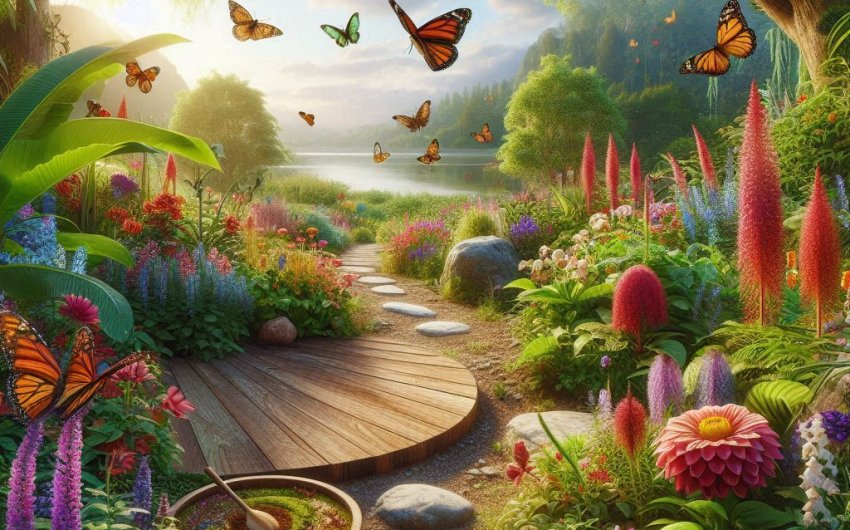
Creating a butterfly habitat in your garden adds natural beauty and supports local ecosystems. Butterflies are important pollinators, helping flowers, fruits, and vegetables grow while bringing color and life to your outdoor space. By designing a garden specifically for butterflies, you can encourage these lovely creatures to visit and even stay.
Here’s how to make your garden a welcoming place for butterflies by providing food, water, shelter, and essential habitat features. With a few thoughtful additions, you’ll soon enjoy a flourishing butterfly-friendly garden.
Why Create a Butterfly Habitat?
Butterflies play an essential role in pollination, aiding in plant reproduction and biodiversity. Many species are facing habitat loss, so creating a safe environment for them helps support their survival. A butterfly habitat not only contributes to the local ecosystem but also provides a calming space filled with color and movement.
Key Components of a Butterfly Habitat
A successful butterfly habitat requires a few specific elements to meet their needs:
- Nectar Sources: Flowers that provide a constant supply of nectar.
- Host Plants: Plants where butterflies lay eggs, and caterpillars feed.
- Water and Minerals: A shallow water source for hydration and minerals.
- Shelter: Safe places to rest and hide from predators.
With these basics in mind, let’s get started on creating your butterfly habitat.
Choosing the Right Plants for Butterflies
Butterflies are drawn to brightly colored flowers with flat or clustered blooms, which make landing and feeding easier. Planting a mix of native nectar and host plants will keep butterflies coming to your garden.
1. Nectar-Rich Flowers
Nectar-rich flowers provide butterflies with food. Select a variety of flowers that bloom at different times throughout the season to ensure a continuous nectar supply. Some butterfly favorites include:
- Coneflowers: These bright blooms are long-lasting and attract butterflies with their vibrant color and easy-to-access nectar. Check out Coneflower Seeds ($5 - $15) for easy planting.
- Milkweed: Essential for monarch butterflies, milkweed provides both nectar and a place to lay eggs. Consider Milkweed Seeds ($5 - $10) to attract monarchs.
- Lantana: With clusters of small, bright flowers, lantana attracts butterflies and provides a sweet nectar source. Try planting Lantana Plants ($10 - $20) for summer blooms.
- Black-Eyed Susan: This daisy-like flower is a great nectar source and easy to grow. Look into Black-Eyed Susan Seeds ($5 - $12) for a colorful addition.
2. Host Plants for Caterpillars
Providing host plants where butterflies can lay eggs is essential for a complete habitat. These plants give caterpillars food and shelter as they grow. Some common host plants include:
- Milkweed: Essential for monarch caterpillars.
- Parsley and Dill: Host plants for swallowtail butterflies.
- Asters: These attract various species and are easy to grow. Find a variety with Aster Seeds ($5 - $15) for a wide range of colors.
Mix host plants with nectar plants for a well-rounded butterfly garden. Look for organic varieties that avoid harmful pesticides, ensuring your plants are safe for caterpillars.
Creating a Water Source
Butterflies need water and minerals, especially during hot summer days. A butterfly puddling station provides a place for them to drink and gather essential nutrients.
1. Shallow Water Dish
Use a shallow dish filled with damp sand or soil to create a puddling station. Add a few small rocks for butterflies to rest on while they drink. Ensure the dish is in a sunny spot to attract butterflies.
Consider using a Shallow Garden Dish ($5 - $12) for this purpose.
2. Salt and Mineral Mix
Mix a pinch of salt or add a few pieces of fruit to the water to provide extra minerals. Butterflies are attracted to minerals, so this addition can make your garden even more appealing.
A Salt and Mineral Supplement ($5 - $10) is perfect for enriching the water source.
Providing Shelter
Butterflies need a safe place to rest, especially on windy days or during storms. They are also cold-blooded and rely on warmth, so having sunny resting spots and windbreaks helps them thrive.
1. Sunny Rocks and Perches
Place flat rocks in sunny spots to provide basking areas for butterflies. Rocks retain heat, giving butterflies a warm place to rest. They’re more likely to visit areas where they can recharge in the sun.
Browse Garden Rocks ($10 - $30) for attractive rock options.
2. Butterfly House
A butterfly house offers additional shelter and is especially helpful if you live in a windy area. These structures have narrow slits, giving butterflies a safe place to rest and hide from predators.
Check out Butterfly Houses ($15 - $25) to add an attractive and functional piece to your garden.
3. Dense Shrubs or Small Trees
Dense shrubs and small trees create natural windbreaks and give butterflies shelter from rain. These plants also make good hiding spots for caterpillars. Consider planting native shrubs that also serve as food sources, like spicebush or buttonbush.
Explore Native Shrubs ($20 - $50) to add structure and shelter to your butterfly garden.
Arranging Your Garden for Butterflies
The layout of your garden can significantly impact its butterfly appeal. Butterflies are visual creatures and are drawn to large, bright patches of color.
1. Plant in Clusters
Planting flowers in clusters makes them easier for butterflies to spot. Group several plants of the same color together, which allows butterflies to quickly locate nectar sources. This also provides caterpillars with multiple food sources in close proximity.
2. Design a Sunny Spot
Butterflies are sun-loving insects and are more likely to visit areas that receive full sunlight. Designate a sunny area in your garden specifically for butterfly-friendly plants. Be sure to arrange taller plants in the back, with shorter ones in front, to allow easy access and visibility.
3. Provide a Clear Flight Path
Arrange plants with some open space in between, allowing butterflies to navigate easily. Butterflies need room to fly freely without getting trapped in dense vegetation. A clear path with flowers on both sides creates an inviting environment.
Avoiding Harmful Chemicals
Butterflies are highly sensitive to pesticides and herbicides, which can harm both adults and caterpillars. To create a safe butterfly habitat, avoid using any chemicals in your garden.
1. Choose Organic Solutions
Use natural, organic methods for pest control. Neem oil, insecticidal soaps, and companion planting can help manage pests without harming butterflies. Keeping your garden chemical-free not only benefits butterflies but also supports other pollinators like bees.
Find safe solutions with Organic Pest Control ($10 - $20) to protect your butterfly habitat.
2. Embrace Biodiversity
A diverse garden attracts natural predators like ladybugs, which keep pests under control. By planting a mix of flowers, herbs, and shrubs, you can encourage beneficial insects to manage pests for you.
Seasonal Tips for Maintaining Your Butterfly Habitat
Different seasons call for specific care to keep your butterfly habitat flourishing year-round.
Spring
- Plant New Nectar Sources: Plant flowers in spring to ensure blooms are available by early summer.
- Add Host Plants: Introduce host plants for caterpillars so butterflies have a place to lay eggs.
Summer
- Provide Extra Water: Hot summer months can dry out water sources, so keep your puddling station filled.
- Deadhead Flowers: Removing spent flowers encourages new blooms, providing continuous nectar.
Fall
- Plant Late-Blooming Flowers: Asters, sedum, and goldenrod provide food for butterflies before they migrate or hibernate.
- Leave Leaf Litter: Fallen leaves provide shelter for overwintering butterflies and caterpillars.
Winter
- Protect Perennials: Cover perennials to protect them from frost, ensuring they return next spring.
- Avoid Raking Too Much: Some butterfly species hibernate in leaf litter or bark, so avoid excessive cleanup.
Additional Features to Enhance Your Butterfly Garden
Consider adding these extra elements to make your butterfly garden even more attractive.
1. Wind Chimes or Mobiles
Butterflies are drawn to sound as well as color. Wind chimes and mobiles can create soft sounds that make your garden more appealing to butterflies. Just avoid anything too noisy or with large movements, as it may scare them away.
Look for Garden Wind Chimes ($10 - $25) that add gentle sound to your space.
2. Colorful Garden Stakes
Bright colors attract butterflies, so consider adding colorful garden stakes near your flowers. Garden stakes with red, yellow, and purple hues resemble flowers and may draw butterflies in for a closer look.
Add some color with Decorative Garden Stakes ($10 - $20).
3. Garden Benches
Create a relaxing spot for yourself with a small garden bench or seating area. Observing butterflies in your habitat can be a peaceful and enjoyable experience, so consider adding a comfortable spot where you can watch them up close.
Browse Garden Benches ($30 - $80) for a cozy seating option.
Educating Family and Friends
Sharing your butterfly habitat with others can help spread awareness about the importance of pollinator gardens. Here are a few ways to involve friends, family, and neighbors:
- Butterfly Journal: Keep a journal to record the types of butterflies you see and the plants they prefer. Observing patterns can help you improve the garden each season.
- Plant Identification Tags: Add labels to plants to help others learn about different species and their role in the butterfly habitat.
- Invite Others to Join: Encourage neighbors to create butterfly-friendly spaces in their own yards. Together, you can expand the local habitat and support a more significant butterfly population.
Use Plant Markers ($5 - $12) to help identify plants and educate visitors.
Creating a butterfly habitat is a rewarding way to enjoy the beauty of nature while supporting essential pollinators. With the right plants, water sources, and shelter, your garden can become a thriving sanctuary for butterflies year-round.