
Best Plants for a Humid Bathroom Environment
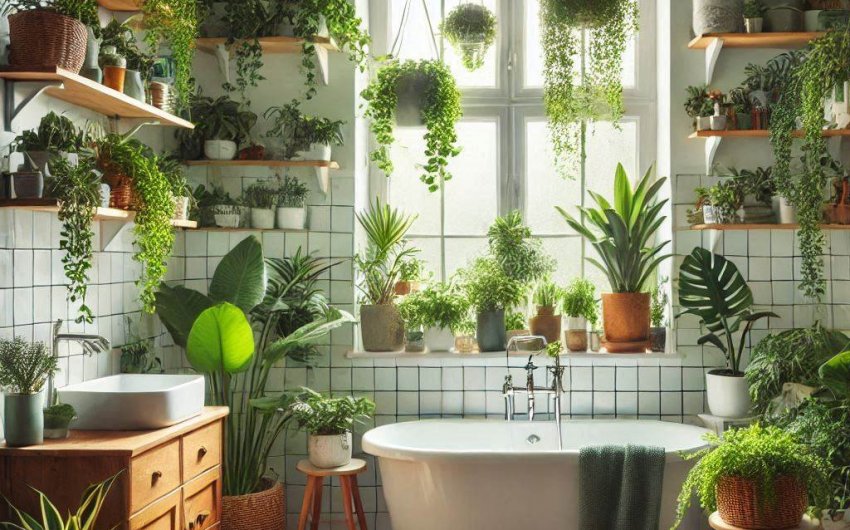
The best plants for a humid bathroom environment are typically tropical and subtropical species that naturally thrive in consistently moist air, mimicking their native rainforest habitats. Excellent choices include ferns, most aroids (like Pothos and Philodendrons), Orchids, and many Calatheas, provided their specific light needs are met.
Why is a Humid Bathroom Environment Ideal for Certain Plants?
A humid bathroom environment is often the unsung hero for specific types of houseplants, providing a unique microclimate that many struggle to find elsewhere in a typical home. Understanding why this environment is so ideal reveals a natural partnership between your bathroom and these botanical beauties.
Here's why a humid bathroom environment is perfect for certain plants:
- Mimics Native Habitats: Many popular houseplants originate from tropical and subtropical regions of the world – think rainforests, jungle floors, and cloud forests. In these native environments, humidity levels are consistently high (often 60-90% or more), and temperatures are stable. A steamy bathroom, especially after a shower, provides a remarkably similar atmosphere.
- Essential for Plant Physiology:
- Transpiration Control: Plants "breathe" through tiny pores on their leaves called stomata, releasing water vapor into the air (transpiration). In dry air, plants lose water very quickly through transpiration, forcing them to absorb more water through their roots to compensate. This can stress the plant. In humid environments, transpiration slows down, reducing water stress and allowing the plant to use its energy for growth, not just survival.
- Nutrient Transport: Efficient water movement through the plant (driven by transpiration) is crucial for transporting nutrients from the roots to the leaves. When water loss is controlled by humidity, this process is more stable.
- Prevents Leaf Tip Browning and Crisping: Many humidity-loving plants, like ferns and prayer plants, are notorious for developing brown leaf tips or crispy edges in dry indoor air. This is a direct symptom of insufficient atmospheric moisture. A humid bathroom environment solves this problem naturally, keeping leaves lush and pristine.
- Encourages Lush Foliage: Plants that receive adequate humidity tend to grow more vigorously and develop fuller, lusher foliage. This is because they aren't constantly struggling to retain moisture and can dedicate more resources to producing new leaves.
- Supports Epiphytic Growth: Many tropical plants are epiphytes, meaning they grow on other plants (like tree trunks) in their native habitat, absorbing moisture and nutrients directly from the humid air. Orchids and certain ferns are prime examples. A humid bathroom environment provides the atmospheric moisture they crave, allowing them to thrive even without traditional soil.
- Deters Certain Pests: While some pests thrive in humidity, consistently high humidity can deter common houseplant pests like spider mites, which notoriously flourish in dry conditions.
- Natural Air Purification: Like all houseplants, those in your bathroom contribute to air purification, absorbing carbon dioxide and releasing oxygen. Some plants can even help remove common bathroom air pollutants.
- Therapeutic and Aesthetic Value: Beyond plant needs, having thriving, vibrant plants in your bathroom transforms it into a more serene, spa-like, and inviting space. The lush greenery adds a natural, calming aesthetic.
In essence, a humid bathroom environment isn't just a convenient spot for plants; it's a physiological necessity for many tropical species, allowing them to truly flourish and display their full beauty, making it a win-win for both plant and gardener.
What Factors Should I Consider When Choosing Plants for a Humid Bathroom?
While a humid bathroom environment is a dream for many tropical plants, it's not the only factor to consider. Successfully choosing the best plants involves matching their specific needs to the unique conditions of your bathroom. Overlooking other environmental elements can lead to struggling plants, even in high humidity.
Here are the crucial factors to consider:
1. Light Levels
This is often the most limiting factor in a bathroom.
- Bright, Indirect Light: Most bathrooms, even with windows, may not provide consistently bright light. Many humidity-loving plants prefer bright, indirect light (e.g., a few feet from a south or west-facing window, or near an east-facing window).
- Low Light Tolerant: If your bathroom has a small window, a frosted window, or no window at all, you'll need plants that are genuinely low-light tolerant. This is a critical distinction.
- Window Orientation: Consider which direction your bathroom window faces (North, South, East, West) to gauge the available light throughout the day.
- Distance from Window: Light intensity drops off dramatically with distance from a window. A plant across the room from a small window will receive very little light.
2. Space Availability
- Size and Growth Habit: Consider the mature size of the plant. Do you have room on a small shelf, a vanity, or a corner of the floor?
- Hanging Plants: Hanging baskets are excellent for utilizing vertical space in smaller bathrooms.
- Trailing vs. Upright: Choose plants with growth habits that suit your space – trailing plants for shelves, upright plants for floor corners.
3. Temperature Fluctuations
- Consistent Warmth: Most humidity-loving plants prefer consistently warm temperatures (65-80°F or 18-27°C).
- Avoid Drafts: Bathrooms can sometimes have drafts from vents or windows. Avoid placing sensitive plants in direct cold drafts.
- Sudden Drops: Ensure the room doesn't experience sudden, dramatic temperature drops, especially during winter if the bathroom isn't heated overnight.
4. Air Circulation
- Ventilation: While high humidity is good, stagnant, perpetually wet air can encourage fungal diseases. A bathroom with a good exhaust fan that you use regularly is ideal. If there's no fan, ensure you can open a window for short periods after showers to air out the room and prevent mold/mildew on surfaces (and plants!).
- Crowding: Avoid overcrowding plants, as this can impede airflow around their foliage.
5. Potting and Drainage
- Well-Draining Potting Mix: Even humidity-loving plants do not like soggy roots. Use a high-quality, well-draining potting mix that still retains some moisture.
- Drainage Holes: Always use pots with drainage holes to prevent root rot. Never let plants sit in standing water in their decorative outer pot or saucer.
- Moisture-Retentive, But Not Soaking: The goal is high atmospheric humidity, not constantly wet soil.
6. Maintenance Commitment
- Watering Needs: Some humidity lovers (like ferns) prefer consistently moist soil, while others (like orchids) prefer a drier period between waterings. Understand your chosen plant's specific watering schedule.
- Fertilizing: Most houseplants need less fertilizer in lower light conditions. Research the specific fertilizing needs of your chosen plant.
- Pruning: Consider how much pruning will be needed to keep the plant in shape and prevent it from outgrowing its space.
By carefully evaluating these factors alongside the humidity levels, you can confidently select the best plants for your humid bathroom environment, ensuring they not only survive but thrive and bring beauty to your space.
What Are the Best Plants for a High-Humidity Bathroom with Bright, Indirect Light?
For a humid bathroom environment that also offers bright, indirect light, you have a fantastic selection of plants that will truly thrive. This combination of conditions closely mimics the understory of tropical rainforests, their natural habitat. These are often the easiest plants to care for in such a setting because their ideal conditions are met.
Here are some of the best plants for a high-humidity, bright, indirect light bathroom:
1. Orchids (Many Varieties)
- Why they thrive: Many orchid species are epiphytes, meaning they absorb moisture and nutrients from the air. The high humidity is essential for them, and bright, indirect light prevents leaf scorch while providing enough energy for blooming.
- Best Varieties:
- Phalaenopsis (Moth Orchid): The most common and easiest to care for, with long-lasting blooms. Orchid mix potting medium is essential.
- Oncidium (Dancing Lady Orchid): Beautiful sprays of small, often fragrant flowers.
- Dendrobium: Many varieties suitable for varying light, but often enjoy high humidity.
- Care Tip: Water thoroughly when potting mix is dry, allowing good drainage. High humidity reduces the need for frequent watering.
2. Ferns (Many Varieties)
- Why they thrive: Ferns are quintessential humidity lovers. Their delicate fronds quickly dry out and brown in low humidity. Bright, indirect light prevents burning while supporting lush, green growth.
- Best Varieties:
- Boston Fern (Nephrolepis exaltata): Classic, lush, and a natural air humidifier itself.
- Maidenhair Fern (Adiantum spp.): Known for its delicate, airy fronds, but incredibly sensitive to dry air. A high-humidity bathroom is its ideal home.
- Bird's Nest Fern (Asplenium nidus): Easier to care for than some other ferns, with broad, simple fronds.
- Staghorn Fern (Platycerium spp.): An epiphyte, often mounted, thrives on atmospheric moisture.
- Care Tip: Keep soil consistently moist but not soggy. Mist occasionally for extra humidity.
3. Calatheas / Prayer Plants (Marantaceae family)
- Why they thrive: Famous for their stunning, often intricately patterned leaves that "pray" by folding up at night. They demand high humidity to prevent crispy edges and maintain vibrant leaf color. Bright, indirect light prevents fading or scorching.
- Best Varieties:
- Calathea 'Medallion' (Goeppertia veitchiana): Iconic large, round leaves.
- Calathea 'Rattlesnake' (Goeppertia lancifolia): Long, wavy leaves with distinct patterns.
- Calathea 'Orbifolia' (Goeppertia orbifolia): Large, round leaves with silver stripes.
- Calathea 'Musaica' is a unique and popular variety.
- Care Tip: Use filtered or distilled water to avoid mineral buildup, which can cause brown tips. Keep soil consistently moist.
4. Stromanthe Triostar (Stromanthe sanguinea 'Triostar')
- Why it thrives: A close relative of Calatheas, known for its vibrant green, cream, and pink variegated leaves. It also requires high humidity to prevent leaf crisping and maintain color.
- Care Tip: Similar care to Calatheas. Sensitive to dry air and tap water minerals.
5. Fittonia (Nerve Plant) (Fittonia albivenis)
- Why it thrives: Small, creeping plant with intricately veined leaves. It demands high humidity and will quickly wilt and crisp in dry air. Bright, indirect light keeps its colors vibrant.
- Care Tip: Keep soil consistently moist. Excellent for terrariums or hanging baskets in high-humidity bathrooms.
6. Aroids (Select Varieties)
- Why they thrive: While many aroids tolerate lower humidity, the additional moisture in a bright bathroom environment encourages larger, more lush leaves and healthier aerial roots.
- Best Varieties:
- Monstera Deliciosa: Can grow quite large, so suitable for spacious bathrooms. Enjoys humidity for developing aerial roots.
- Philodendron (many climbing/trailing varieties): Faster growth and larger leaves in higher humidity. Philodendron 'Brasil' is a popular, colorful choice.
- Syngonium (Arrowhead Plant): Many attractive varieties, appreciates the humidity for fuller growth.
- Pothos (Epipremnum aureum): Extremely adaptable, but humidity encourages larger leaves and aerial roots.
- Anthurium (Anthurium andraeanum): Known for its waxy "flowers" (spathes). Requires bright, indirect light and high humidity to bloom well.
- Care Tip: Allow top inch or two of soil to dry before watering. Humidity keeps their foliage looking vibrant.
These plants will truly flourish in a humid bathroom environment with bright, indirect light, rewarding you with vibrant foliage and, in some cases, stunning blooms.
What Are the Best Plants for a High-Humidity Bathroom with Low to Medium Light?
Many bathrooms, while providing lovely humidity, might not offer much natural light. For a humid bathroom environment with low to medium light (e.g., a small or frosted window, or a room that doesn't get direct sun), choosing the right plants is essential. These plants are incredibly adaptable and can tolerate less light while still relishing the increased humidity.
Here are some of the best plants for a high-humidity, low to medium light bathroom:
1. Pothos (Epipremnum aureum)
- Why it thrives: Pothos is one of the most forgiving and adaptable houseplants. While it prefers bright, indirect light, it tolerates low light exceptionally well, and the high humidity in a bathroom encourages more vigorous growth and larger leaves.
- Best Varieties:
- Golden Pothos: Classic green leaves with yellow variegation.
- Jade Pothos: Solid green leaves, very low-light tolerant.
- Marble Queen Pothos: Heavily variegated with white/cream, may need slightly more light to maintain variegation.
- Pothos 'Neon' offers a bright pop of color.
- Care Tip: Allow soil to dry out between waterings. Can be grown in hanging baskets or on shelves.
2. Philodendron (Many Trailing Varieties)
- Why it thrives: Similar to Pothos in its adaptability and love for humidity. They do well in lower light conditions than many other plants.
- Best Varieties:
- Heartleaf Philodendron (Philodendron hederaceum): The most common and robust, with heart-shaped leaves.
- Lemon Lime Philodendron: Bright, chartreuse leaves.
- Philodendron 'Brasil' with its variegated leaves is also a good choice.
- Care Tip: Allow soil to dry out between waterings. Very easy to care for.
3. ZZ Plant (Zamioculcas zamiifolia)
- Why it thrives: Known for its extreme drought tolerance and ability to thrive in very low light. While it doesn't need high humidity, it won't be harmed by it and the consistent moisture can help it look even lusher.
- Care Tip: Its primary cause of death is overwatering. Water very sparingly, allowing soil to dry out completely. A great plant for neglected corners.
4. Snake Plant (Sansevieria trifasciata)
- Why it thrives: Another nearly indestructible plant that excels in low light and tolerates a wide range of conditions. Like the ZZ plant, it doesn't require humidity but thrives in the warm, stable environment of a bathroom.
- Best Varieties:
- 'Laurentii' (yellow variegated edges)
- 'Zeylanica' (dark green)
- Cylindrical Snake Plant (Sansevieria cylindrica)
- Sansevieria trifasciata 'Futura Superba' is a compact, attractive option.
- Care Tip: Very drought tolerant; water infrequently. Overwatering is fatal.
5. Cast Iron Plant (Aspidistra elatior)
- Why it thrives: Named for its toughness, this plant is exceptionally tolerant of low light, neglect, and varying temperatures. Humidity is a bonus for its broad, dark green leaves.
- Care Tip: Water when soil is mostly dry. Very low maintenance.
6. Peace Lily (Spathiphyllum spp.)
- Why it thrives: Peace Lilies love humidity and tolerate low to medium light very well (they scorch in direct sun). The bathroom environment helps prevent the common problem of crispy, brown leaf tips.
- Care Tip: Keep soil consistently moist, but not soggy. They will droop dramatically when thirsty, signaling it's time to water.
- A good starting point for Peace Lily is the Spathiphyllum 'Sensation' for a larger presence.
7. Aglaonema (Chinese Evergreen) (Aglaonema spp.)
- Why it thrives: These plants are celebrated for their ability to thrive in low light and their gorgeous variegated foliage. The humidity ensures their leaves stay vibrant and healthy.
- Best Varieties: Many colorful varieties with red, pink, silver, or cream patterns.
- Care Tip: Allow top inch or two of soil to dry between waterings.
8. Begonia (Rex and Cane Varieties)
- Why they thrive: Many Begonias (especially Rex Begonias with their stunning foliage) require high humidity to prevent leaf crisping. While some need brighter light for best color, many tolerate medium light well.
- Care Tip: Keep soil consistently moist but never soggy. Ensure good air circulation to prevent powdery mildew in high humidity.
These plants for a high-humidity bathroom with low to medium light are excellent choices for adding lush greenery and natural beauty, even in less brightly lit urban spaces.
How Do I Care for Plants in a Humid Bathroom Environment?
Caring for plants in a humid bathroom environment involves specific considerations that build upon general houseplant care. While the humidity is a major advantage, you still need to pay attention to watering, air circulation, and light to ensure your chosen plants truly thrive and avoid common bathroom plant pitfalls.
Here's how to properly care for your humid bathroom plants:
1. Adjust Your Watering Strategy
- Less Frequent Watering: Due to the higher humidity, your plants will transpire (lose water through leaves) less frequently. This means they will generally need less frequent watering than the same plant in a drier room.
- Check Soil Moisture: Always check the soil moisture level before watering. Stick your finger 1-2 inches into the soil. Water only when the top layer feels dry. Never water on a schedule.
- Drainage is Key: Ensure all pots have drainage holes, and discard any excess water that collects in saucers or cachepots. Soggy soil is a recipe for root rot, even in high humidity.
- Water Quality: If your tap water is heavily chlorinated, fluoridated, or hard, consider using filtered water, distilled water, or rainwater for sensitive plants like ferns and Calatheas to prevent mineral buildup and leaf tip burn.
2. Ensure Adequate Air Circulation
- Prevent Stagnant Air: While humidity is good, stagnant, continuously damp air can lead to fungal diseases (like powdery mildew on Begonias) or bacterial leaf spots.
- Use Exhaust Fan: If your bathroom has an exhaust fan, use it regularly, especially after showers, to cycle air and reduce excessive condensation.
- Open Window (Briefly): If no fan, open the bathroom window for 15-30 minutes after showers to air out the space.
- Don't Overcrowd: Give plants enough space around them to allow air to flow freely.
3. Monitor Light Levels (Continually)
- Light Fluctuations: Bathroom light can change dramatically based on window coverings, time of day, and external factors.
- Observe Your Plants: If a plant that prefers bright, indirect light starts stretching or its variegation fades, it's not getting enough light. If leaves look scorched or bleached, it's getting too much direct sun.
- Rotate Plants: Periodically rotate your plants to ensure all sides receive even light exposure.
- Supplemental Lighting: For very low-light bathrooms, consider adding a small grow light bulb in a standard fixture.
4. Fertilize Sparingly
- Reduced Needs: Plants in lower light conditions (common in bathrooms) have reduced growth rates and therefore require less fertilizer.
- Diluted Solutions: When you do fertilize (typically during the active growing season, spring and summer), use a balanced houseplant fertilizer at half or quarter strength of the recommended dosage.
- Flush the Soil: Periodically flush the soil with plain water (once every 2-3 months) to prevent fertilizer salt buildup, which can cause brown tips.
5. Check for Pests Regularly
- Humidity Benefits: High humidity can deter some common houseplant pests like spider mites, which prefer dry conditions.
- Humidity Risks: However, consistently damp conditions can sometimes favor fungus gnats (if soil is too wet) or mealybugs and scale.
- Vigilance: Inspect your plants regularly (at least weekly) for any signs of pests (sticky residue, tiny bugs, distorted growth). Address issues promptly with organic solutions like insecticidal soap or neem oil.
6. Consider Potting Mix and Repotting
- Fresh Potting Mix: Use a fresh, high-quality, well-draining potting mix.
- Repot When Necessary: Repot only when the plant is rootbound (roots circling the pot or growing out drainage holes), usually every 1-2 years. Choose a pot only 1-2 inches larger in diameter.
7. Prune as Needed
- Remove any yellowing, damaged, or leggy growth to encourage a bushier, healthier plant.
By focusing on these specific care tips, you can leverage the natural advantages of a humid bathroom environment to grow thriving, beautiful plants, turning your bathroom into a lush, green oasis.