
How to Get Your Snake Plant to Flower Indoors?
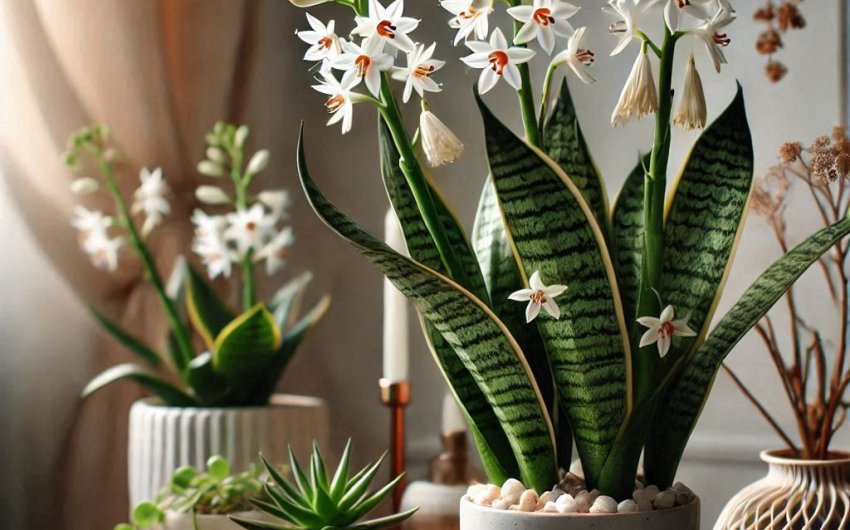
Getting your snake plant to flower indoors is a rare but rewarding event, typically triggered by specific environmental stressors rather than perfect conditions. The key often lies in allowing the plant to become root-bound and mature, while consistently providing bright light and minimal, consistent watering.
Why Do Snake Plants Rarely Flower Indoors?
Many plant enthusiasts are surprised to learn that snake plants (Sansevieria trifasciata, now Dracaena trifasciata) even flower at all, let alone trying to figure out how to get your snake plant to flower indoors. The truth is, it's a rare occurrence, especially in a typical indoor setting, and there are several reasons why this is the case.
1. They Are Primarily Foliage Plants:
- Survival Strategy: Snake plants are succulents native to arid, harsh environments. Their survival strategy focuses on storing water in their thick leaves and reproducing vegetatively (through rhizomes and pups), not primarily through showy blooms or seeds. Their flowers are small and relatively inconspicuous, not designed to be a major part of their life cycle.
- Energy Allocation: Most of their energy is directed towards producing new leaves and rhizomes, not elaborate floral displays.
2. Environmental Stress is a Trigger (Paradoxical Flowering):
- Ideal vs. Flowering Conditions: Ironically, snake plants often flower when they are experiencing a mild amount of stress, rather than being pampered.
- Root-Bound: This is the most common trigger. When a snake plant becomes so pot-bound that its roots have filled the entire container and have nowhere left to go, it often "decides" to flower as a last-ditch effort to reproduce via seed.
- Slight Neglect: Consistent, slight neglect (e.g., being left in the same pot for years, a bit less water than actively growing, but still adequate light) can sometimes encourage flowering.
- Survival Mechanism: For many plants, flowering is a survival mechanism when conditions are harsh, signaling a need to produce seeds to ensure the species' survival.
3. Maturity is Key:
- Age Matters: Young snake plants or those that are frequently repotted are very unlikely to flower. It typically takes a mature snake plant several years to reach the point where it might consider flowering.
4. Specific Light and Water Conditions (Even for Rare Blooms):
- Bright Light: While snake plants are famously low-light tolerant, they need bright, indirect light (and sometimes even a few hours of direct morning sun) to store enough energy to produce a flower stalk. In very low light, flowering is virtually impossible.
- Optimal Watering: Consistent, correct watering is still important. Neither too much (which causes rot) nor too little (severe drought) will promote flowering. They need sufficient hydration without soggy conditions.
Because flowering is not their primary mode of reproduction and often indicates a controlled stress, seeing your snake plant flower indoors is a unique event that truly shows your plant has settled in and matured.
What Does a Snake Plant Flower Look Like?
When your efforts to get your snake plant to flower indoors finally pay off, you might be surprised by the bloom's appearance. Unlike many houseplants with large, showy flowers, the snake plant flower is subtle, unique, and often quite fragrant.
Key Characteristics of the Snake Plant Flower:
Flower Stalk (Inflorescence):
- The flowers appear on a tall, slender, erect flower stalk (inflorescence) that emerges from the base of the plant, usually from the center of a rosette of leaves.
- The stalk can reach up to 2-3 feet tall, often taller than the leaves themselves.
Small, Tubular, Greenish-White Flowers:
Advertisement- The individual flowers are small, typically about 1 inch long, and tubular or star-shaped.
- They are usually a discreet greenish-white, creamy white, or pale yellow color.
- They are often arranged in clusters or a spike along the flower stalk.
Sweet, Strong Fragrance (Especially at Night):
- This is often the most striking feature! Many people notice the flower by its intense, sweet, and somewhat vanilla-like fragrance, which becomes particularly noticeable in the evening or at night. This is a common characteristic of plants pollinated by moths.
- The scent can be quite strong, filling a room.
Sticky Nectar Droplets:
- The flowers often produce small, sticky droplets of nectar. You might see these glistening beads on the flower stalk or even dripping onto the leaves below. This is perfectly normal and a sign of active blooming.
Location on the Plant:
- The flower stalk emerges directly from the rhizome (underground stem) or from the very base of an existing leaf rosette. It's usually a single stalk per flowering event.
After Flowering:
- Once the flowers fade, small, round, orange-red berries may develop, though this is rare indoors and the seeds inside are often infertile.
- The flower stalk will eventually dry out and can be cut off at the base.
While not visually dramatic, the subtle beauty and powerful fragrance of the snake plant flower make it a unique and delightful surprise for any indoor gardener who manages to coax a bloom from their seemingly unyielding plant.
What Environmental Conditions Trigger Snake Plant Flowering?
Getting your snake plant to flower indoors often hinges on providing a specific set of environmental conditions that subtly stress the plant, signaling it's time to reproduce. These are generally not conditions of extreme neglect, but rather a slight push out of their comfort zone.
1. Root-Bound Conditions (Most Common Trigger):
- Tight Fit: This is the primary driver of indoor snake plant flowering. When a snake plant's roots have completely filled its pot, and it has literally nowhere left to grow vegetatively, it often puts its energy into flowering as a last-ditch effort to produce seeds.
- Solution: Don't repot your snake plant until it's absolutely bursting from its pot and seems incredibly snug. This typically means leaving it in the same pot for several years.
2. Bright Light (Crucial Energy Source):
- Not Low Light: While snake plants tolerate low light, they need bright, indirect light to accumulate enough energy to flower. A few hours of direct morning sun can also be beneficial. In very low light conditions, they simply won't have the energy reserves to produce a flower stalk.
- Placement: Place your snake plant in front of a bright window (east, south, or west facing, depending on your hemisphere and sun intensity).
3. Consistent, Moderate Watering:
- Avoid Extremes: Neither severe drought nor overwatering will encourage flowering.
- Overwatering: Leads to root rot and a dying plant, not a flowering one.
- Severe Underwatering: Causes extreme stress, which the plant might not recover from, let alone flower.
- "Neglectful" Consistency: Allow the soil to dry out completely between waterings, then water thoroughly. A pattern of mild "neglect" (infrequent but thorough watering) can be part of the stress equation that encourages flowering.
4. Stable Temperatures (Avoiding Drastic Fluctuations):
- Consistent Warmth: Snake plants prefer stable, warm temperatures, typically between 65-80°F (18-27°C). While some theories suggest a slight temperature drop can initiate flowering, extreme or sudden fluctuations are generally stressful in a negative way.
- Protection: Avoid placing them near drafty windows, heating vents, or air conditioners.
5. Age and Maturity:
- Not for Young Plants: A young snake plant is highly unlikely to flower. It needs to be a mature specimen, often several years old, with well-established rhizomes.
6. Minimal Fertilization (Once Established):
- While established plants benefit from occasional light feeding, over-fertilizing with high-nitrogen fertilizers will encourage leafy growth, potentially delaying flowering. A balanced fertilizer, or one slightly higher in phosphorus, might be considered during their growing season if aiming for a bloom, but it's not a primary trigger.
The recipe for getting your snake plant to flower indoors is rarely "perfect conditions" but rather a strategic combination of bright light, correct watering, and allowing them to get quite pot-bound and mature.
What is the Role of Pot Size in Triggering Blooms?
The role of pot size is incredibly significant, perhaps the most critical factor, in triggering your snake plant to flower indoors. Paradoxically, it's not about providing ample room to grow, but rather the opposite: allowing the plant to become happily root-bound.
1. The "Root-Bound Stress" Mechanism:
- No Room to Grow Vegetatively: When a snake plant's extensive rhizomes and roots completely fill the available space in its pot, it signals to the plant that vegetative growth (producing more leaves and pups) is no longer a viable option for reproduction.
- Shift to Sexual Reproduction: Faced with this constraint, the plant often diverts its energy towards sexual reproduction, which is flowering and then producing seeds. It's a natural survival mechanism – "I can't spread, so I must flower to make seeds."
- Energy Concentration: The contained root ball means the plant's energy is highly concentrated, rather than being spread out across continuous root and rhizome expansion.
2. How Potting Up Too Frequently Prevents Blooms:
- Continuous Vegetative Growth: If you repot your snake plant into a larger container too frequently (e.g., every year or two), its roots will always have new space to explore and new areas to send out rhizomes and pups.
- No Flowering Signal: Because the plant can continually expand its vegetative mass, it never receives the "trigger" to switch its energy to flowering. It's always in its comfort zone of outward growth.
3. Signs of a "Flower-Ready" Pot-Bound Plant:
- Roots Circling: When you check the drainage holes, you'll see a dense mass of roots.
- Pot Bulging: The plastic pot may start to bulge or even crack from the pressure of the rhizomes.
- Leaves Close to Edge: The outer leaves may be pushing right up against the edge of the pot.
- Pups Erupting: Pups (new shoots) might be popping up around the main plant, even trying to push against the pot.
4. Recommendations for Pot Size Strategy:
- Choose a Snug Fit Initially: When you first acquire a snake plant, choose a pot that is only slightly larger than its root ball.
- Delay Repotting: Reschedule repotting your snake plant. If it's healthy, wait until it's clearly bursting from its seams, often 3-5 years or even longer in the same pot, before considering moving it up to only the next size. This prolonged period in a snug container is often the key to prompting a bloom.
The counter-intuitive wisdom for how to get your snake plant to flower indoors is often to embrace the root-bound state. It's this subtle "stress" from a snug home that nudges the plant towards its rare, fragrant bloom.
What Role Does Light Play in Snake Plant Flowering?
While snake plants are famously tolerant of low-light conditions, light plays a far more significant and critical role when you're trying to figure out how to get your snake plant to flower indoors. Inadequate light is often the reason a well-cared-for, root-bound snake plant still refuses to bloom.
1. Energy for Flower Production:
- Photosynthesis: Plants need light to perform photosynthesis, the process by which they convert light energy into chemical energy (sugars) for growth.
- Energy Reserves: Producing a flower stalk, flowers, and potentially seeds requires a substantial amount of energy. A snake plant living in low light simply doesn't have the metabolic reserves to initiate and sustain a flowering event.
- "Tolerant" vs. "Thriving": While a snake plant can survive in low light, it won't thrive or produce the surplus energy needed for something as energetically demanding as flowering.
2. Ideal Light Conditions for Flowering:
- Bright, Indirect Light: This is the sweet spot. Place your snake plant in a location where it receives abundant, bright, but indirect sunlight. This might be a few feet away from a very sunny south- or west-facing window, or directly in front of a bright east-facing window.
- A Few Hours of Direct Sun: Some gardeners report that a few hours of gentle direct sun, particularly morning sun, can help push the plant towards flowering. However, avoid intense, prolonged afternoon direct sun, which can scorch the leaves.
- Rotation: Rotate the plant occasionally to ensure all sides receive adequate light, promoting even growth and energy distribution.
3. Consequences of Insufficient Light:
- No Blooms: The most obvious consequence. The plant simply won't have the energy to flower.
- Leggy Growth: Leaves may become elongated, thinner, and floppy as the plant stretches to find light.
- Dull Coloration: Variegated varieties may lose their vibrant patterns and appear more uniformly green.
- Stunted Growth: Overall growth will be slow.
4. Supplemental Lighting (Optional, but Can Help):
- If natural light indoors is limited, especially during winter months in cold climates, providing supplemental artificial light can be beneficial. A Full Spectrum LED Grow Light placed a foot or two from the plant for 10-12 hours a day can provide the extra energy needed.
While the "stress" of being root-bound is often the primary trigger, sufficient light is the essential fuel that allows your snake plant to produce that rare and fragrant flower indoors. It's the silent partner in the flowering process.
How Does Watering Affect Snake Plant Flowering?
Proper watering is crucial for the overall health of your snake plant, and while it's not a direct trigger for flowering like being root-bound, consistent and appropriate watering plays a vital supporting role in ensuring your plant is healthy enough to consider blooming indoors. Too much or too little water will actually prevent blooms.
1. Avoid Overwatering (The #1 Killer):
- Root Rot: Snake plants are succulents that store water in their leaves and rhizomes. They are extremely susceptible to root rot if kept in consistently wet soil. Root rot kills the roots, leading to a dying plant that certainly won't flower.
- Signs: Mushy leaves, yellowing, wilting despite wet soil, and eventually collapse of the plant.
- Impact on Flowering: An overwatered, rotting plant is under severe, negative stress. It's fighting for survival, not dedicating energy to reproduction via flowers.
- Solution: Always allow the soil to dry out completely between waterings, often for several weeks, before watering thoroughly. Ensure your pot has excellent drainage.
2. Avoid Severe Underwatering (Extreme Stress):
- Dehydration: While snake plants are drought-tolerant, extreme, prolonged underwatering can cause severe dehydration. Leaves may shrivel, become crispy, or look extremely stressed.
- Impact on Flowering: This is too much negative stress. A severely dehydrated plant is focused on survival, not flowering. It also lacks the stored moisture and energy reserves needed for a bloom.
- Solution: While you want the soil to dry out, don't let it remain bone dry for months on end. Water thoroughly once the soil is dry, providing enough hydration to allow it to recover and store energy.
3. "Neglectful Consistency" (The Sweet Spot):
- Optimal Approach: The best watering strategy for a snake plant you hope will flower is one of consistent, mindful neglect. This means:
- Thorough Drying: Always wait for the soil to dry out completely.
- Thorough Watering: When you do water, water deeply until water drains from the bottom.
- No Fuss: Don't fuss over it constantly. This provides a subtle, consistent environmental signal of being slightly on the dry side (but not severely so), which, when combined with being root-bound, can mimic conditions where flowering might be a survival mechanism.
4. Water Quality:
- Using room-temperature water is always best. Avoid very cold water which can shock the roots.
Proper watering is a balancing act that ensures your snake plant remains healthy and has the energy reserves to produce a rare, fragrant flower indoors. It's about providing the right amount of moisture without pushing it into detrimental extremes.
What Role Does Fertilizing Play in Snake Plant Flowering?
The role of fertilizing in encouraging a snake plant to flower indoors is often misunderstood. While proper nutrition is essential for overall plant health, over-fertilizing, especially with high-nitrogen formulas, can actually hinder bloom production. It's about subtle support, not aggressive feeding.
1. Nutrient Needs for Flowering:
- Phosphorus (P) and Potassium (K): For most flowering plants, phosphorus (the "P" in N-P-K) and potassium (the "K") are crucial for promoting bloom and fruit development. Nitrogen (N) primarily encourages leafy, vegetative growth.
- Balance for Health: While specific elements are important, a healthy plant needs a balanced range of all macro and micronutrients to build energy reserves necessary for flowering.
2. The Risk of Over-Fertilizing (Especially Nitrogen):
- Encourages Leafy Growth: High-nitrogen fertilizers (common for many houseplants designed for foliage) will cause your snake plant to prioritize producing more large, green leaves and pups. This directs energy away from flower production.
- Salt Buildup: Over-fertilizing can lead to a buildup of mineral salts in the potting mix, which can burn roots and stress the plant, leading to poor health and certainly no blooms.
- Dilution is Key: Snake plants are not heavy feeders, so even when fertilizing, using a diluted solution is always recommended.
3. Recommended Fertilizing Strategy for Potential Blooms:
- Start with Minimal/No Fertilizer (for established plants): If your snake plant is mature and root-bound (the primary trigger), try a period of not fertilizing at all, or only very lightly, during its prime growing season (spring/summer). This slight nutrient limitation, combined with root-bound conditions, can sometimes encourage a bloom.
- Light, Balanced Feed (Occasional): If you choose to fertilize, do so sparingly.
- Frequency: Once or twice during the active growing season (spring and summer).
- Dilution: Always dilute your chosen fertilizer to half or even quarter strength of what the label recommends for other houseplants.
- Type: A balanced houseplant fertilizer (e.g., 10-10-10) or one slightly higher in phosphorus (the middle number) can be considered.
- Always Water Before Fertilizing: Never apply fertilizer to dry soil, as this can cause root burn.
- Avoid Winter Fertilization: Do not fertilize during the fall and winter months when light levels are lower and the plant's growth naturally slows down.
4. Focusing on Primary Triggers:
- While appropriate fertilizing supports overall plant health, it is generally not the primary trigger for making a snake plant flower indoors. The most impactful factors remain root-bound conditions, maturity, and bright light. Fertilizer serves as a subtle support, ensuring the plant has sufficient nutrients if it decides to flower, rather than forcing a bloom.
The key is subtle, not aggressive, feeding. By ensuring your snake plant receives just enough nutrition without overdoing it, you support its general health, allowing the other primary triggers to nudge it towards producing its rare, fragrant bloom.
What Other Factors Influence Snake Plant Flowering?
Beyond the major influences of pot size, light, water, and fertilizer, several other factors can subtly contribute to or inhibit your efforts to get your snake plant to flower indoors. Understanding these can help fine-tune your strategy.
1. Age and Maturity of the Plant:
- Time is Key: As mentioned, young snake plants rarely flower. It typically takes a mature snake plant, often several years old (5+ years), with a well-developed root system and robust rhizomes, to even consider blooming. Patience is a significant virtue here.
2. Temperature Fluctuations:
- Subtle Stress: While snake plants prefer stable, warm indoor temperatures (65-80°F or 18-27°C), some anecdotal evidence suggests that a slight, consistent drop in temperature during the cooler months (but not below 50°F/10°C) combined with reduced watering can mimic natural seasonal changes that might encourage a bloom. However, extreme or sudden temperature drops are more likely to cause negative stress or damage.
- Avoid Cold Drafts: Never place your snake plant near drafty windows or doors, or close to heating/AC vents that create sudden temperature swings.
3. Air Circulation:
- General Health: Good air circulation around the plant is beneficial for overall plant health, helping to prevent stagnant conditions that can encourage pests or fungal issues. A healthy plant is more likely to flower.
4. Pot Material:
- Breathability: While plastic pots are fine, terra cotta pots are porous and allow for better airflow to the roots, potentially contributing to a healthier root system over time. However, terra cotta also causes the soil to dry out faster, so adjust watering accordingly.
5. Pest and Disease Control:
- Healthy Plant Focus: A plant that is battling a severe pest infestation (like mealybugs or spider mites) or a disease (like root rot) is under significant stress and will redirect all its energy into survival, not flowering.
- Vigilance: Regularly inspect your snake plant for any signs of pests or diseases and address them promptly.
6. Genetic Predisposition:
- Some Varieties More Prone: While all Sansevieria trifasciata varieties can flower, some gardeners report that certain varieties might be slightly more inclined to bloom than others. However, this is largely anecdotal and less significant than cultural factors.
7. Consistency and Patience:
- No Guarantees: Even if you provide all the "ideal" conditions and subtle stressors, there's no guarantee your snake plant will flower. It's often a rare and unpredictable event.
- Long-Term Strategy: The best approach is to continue providing optimal care, allowing the plant to mature and become root-bound over several years. If it decides to flower, it's a bonus!
By understanding and optimizing these various factors, you maximize the chances of successfully coaxing your snake plant to flower indoors, offering a delightful and fragrant surprise in your home.