
Best Pots for Growing Indoor Citrus Trees
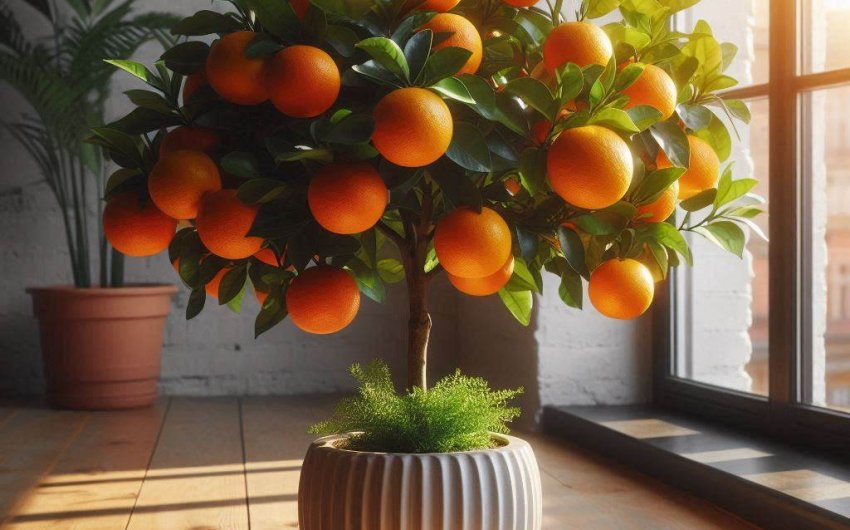
Dreaming of fresh lemons or limes right from your living room? Growing indoor citrus trees is a super rewarding hobby! Imagine plucking your own fruit for drinks or cooking. While it might seem tricky, choosing the best pots for indoor citrus trees is one of the most important steps to success.
Citrus trees, like lemon trees or lime trees, can thrive indoors with the right care. They need sunlight, proper watering, and good food. But more than anything, they need a home that lets their roots breathe and grow. The pot you pick can make or break your tree's health.
This guide will walk you through everything about choosing the perfect pot. We'll talk about material, size, drainage, and even how to make your citrus tree happy in its new home. Get ready to grow your own sunshine indoors!
Why the Right Pot Matters So Much
You might think any pot will do, but that's not true for indoor citrus trees. These plants are a bit picky about their roots.
Roots Need to Breathe
Citrus roots do not like to sit in soggy soil. They need oxygen. If the soil stays wet for too long, the roots can rot. This is called root rot, and it's a common killer of indoor plants. A good pot helps prevent this by allowing water to drain away quickly.
Stability for Growth
As your citrus tree grows, it will get taller and wider. A stable pot prevents it from tipping over. This is especially important when your tree is heavy with fruit!
Moving Your Tree Around
You'll likely need to move your indoor citrus tree to different spots to get enough light. A good pot, especially one with wheels, makes this much easier.
Picking the right pot is an investment in your citrus tree's future. Let's look at the features that make a pot perfect for these fruit-bearing beauties.
Essential Pot Features for Citrus Trees
No matter the material, certain features are non-negotiable for pots for citrus trees.
Drainage Holes: Non-Negotiable!
This is the golden rule: your pot MUST have drainage holes. Plural, if possible! Water needs a way out. If a pot doesn't have holes, drilling them yourself is an option if the material allows. But it's easier to just buy a pot that already has them.
Good drainage prevents waterlogged soil. This means the soil isn't sitting in standing water. Waterlogging leads to root rot, which is very hard to fix.
Size Matters: Not Too Big, Not Too Small
Choosing the right size is crucial.
- Too small: The roots get cramped (root-bound). This stops the tree from growing and taking up enough water and nutrients.
- Too big: The soil holds too much water. This leads to the soil staying wet for too long, which is a recipe for root rot. Also, the tree will focus on growing roots instead of leaves and fruit.
A good rule of thumb: when repotting, go up by 2 inches in diameter. If your tree is in an 8-inch pot, move it to a 10-inch pot. A citrus tree in a pot grows best when its roots have just enough space to expand.
Weight and Stability
A large citrus tree can become top-heavy. You'll want a pot that is stable and won't tip over. Heavier materials like terracotta or ceramic offer more stability. For very large trees, consider the overall weight once the pot is filled with soil and water.
Pot Materials: Pros and Cons
Different pot materials have unique benefits and drawbacks for indoor citrus trees.
Terracotta Pots (Clay Pots)
Terracotta pots are very popular for citrus trees and many other plants that don't like wet feet.
- Pros:
- Excellent drainage and airflow: Terracotta is porous. This means it has tiny holes that allow air and moisture to pass through. Water evaporates through the sides of the pot, helping the soil dry out faster. This is great for preventing root rot.
- Breathable: The roots get more oxygen.
- Heavy and stable: They offer good support for larger trees.
- Natural look: Many people love the classic, earthy look.
- Cons:
- Dries out quickly: You might need to water more often, especially in warm, dry homes.
- Fragile: They can break if dropped.
- Can be heavy: Moving large terracotta pots can be tough.
- Salt buildup: Over time, white salt deposits can form on the outside. This is harmless but can be unsightly. You can scrub them off.
For smaller citrus trees or if you tend to overwater, a terracotta pot with drainage hole is often a top choice.
Ceramic Pots (Glazed Pots)
Ceramic pots are beautiful and come in endless colors and designs.
- Pros:
- Attractive: They add a decorative touch to your home.
- Heavy and stable: Similar to terracotta, they provide good support.
- Retain moisture: The glaze makes them non-porous. This means they hold moisture longer than terracotta. You won't need to water as often.
- Cons:
- Less breathable: Because they are non-porous, there's less airflow to the roots. This makes good drainage holes even more critical.
- Can be very heavy: Especially for large sizes.
- More expensive: Often pricier than other options.
- Prone to root rot if overwatered: Since they retain moisture, it's easy to overwater if you're not careful.
If you are a careful waterer and prioritize looks, a glazed ceramic pot with drainage can be a great option.
Plastic Pots
Plastic pots are lightweight and affordable.
- Pros:
- Lightweight: Easy to move around, even when filled with soil and water.
- Affordable: Budget-friendly option.
- Retain moisture: They don't allow water to evaporate through the sides, so the soil stays moist longer. Good for those who forget to water.
- Durable: Less likely to break than clay or ceramic.
- Cons:
- Less stable: Can be top-heavy and tip over easily for larger trees.
- Poor airflow: Like glazed ceramic, they don't breathe, increasing the risk of root rot if overwatered.
- Can look cheap: Some people don't like the aesthetic of plastic.
If you are prone to underwatering or need to move your citrus tree often, a plastic plant pot with drainage might work well. Just be extra vigilant about checking soil moisture.
Fabric Grow Bags
These are becoming increasingly popular for container gardening, including indoor citrus trees.
- Pros:
- Excellent airflow: The fabric material allows air to reach the roots from all sides, preventing circling roots and promoting healthier growth. This is called "air pruning."
- Excellent drainage: Excess water easily drains out.
- Lightweight and flexible: Easy to move and store.
- Prevents root circling: Roots grow outwards to the fabric, then stop growing, promoting more fibrous roots instead of just spiraling.
- Cost-effective: Generally cheaper than rigid pots.
- Cons:
- Dries out very quickly: You'll need to water much more often, sometimes daily in hot weather.
- Less attractive: Some people don't like the look of a fabric bag indoors. You can put them inside a decorative cachepot (a pot without drainage holes) if you leave space for airflow.
- Less stable: Can be prone to tipping if not wide enough at the base.
For indoor citrus trees where root health is paramount and frequent watering isn't an issue, a fabric grow bag for plants is an excellent choice.
Wood Planters
Wooden planters can look beautiful and natural.
- Pros:
- Aesthetic: They add a rustic or classic look.
- Breathable: Wood is somewhat porous, allowing some airflow.
- Insulation: Offers some insulation from temperature changes.
- Cons:
- Can rot over time: Wood can break down from constant moisture.
- Heavy: Especially larger ones.
- Cost: Can be more expensive.
- Need liners: Often require a plastic liner inside to protect the wood and prevent leakage. This can hinder breathability if not done correctly.
If you love the look, make sure the wooden planter is treated for outdoor use (even for indoor plants) and has good drainage. A decorative wooden plant stand can also elevate your existing pot.
Specialized Potting Solutions
Beyond the basic materials, some products offer specific benefits for indoor citrus trees.
Self-Watering Pots (Use with Caution!)
These pots have a reservoir at the bottom that holds water, which the plant then wicks up as needed.
- Pros: Less frequent watering, convenient for busy people.
- Cons: Can lead to overwatering for plants that dislike wet feet, like citrus. The bottom of the soil can stay too wet, leading to root rot.
- Recommendation: Use with extreme caution for citrus trees. They are generally not recommended unless you are very experienced and can monitor soil moisture closely. If using, make sure the wicking system allows for good aeration.
Pots with Attached Saucers vs. Separate Saucers
Many pots come with an attached saucer, or you buy a separate one.
- Attached Saucer: Convenient. But if water sits in it, the drainage holes can get blocked, leading to root rot. You must empty it immediately.
- Separate Saucer: Better control. You can see how much water drains out and empty it easily. Make sure there's a slight air gap between the pot and the saucer to prevent standing water at the bottom of the pot. A plant pot drainage tray is essential.
Smart Pots and Sensor Pots
These pots have built-in sensors that monitor soil moisture, light, and nutrients. Some even connect to an app on your phone.
- Pros: Take the guesswork out of watering and care. Provide data to help you learn.
- Cons: Expensive. Still require you to take action based on the data. They don't do the watering for you.
If you're a tech-savvy gardener and willing to invest, a plant moisture meter with sensor can be a useful tool to help you know when to water, no matter what pot you use.
Repotting Your Citrus Tree
Your indoor citrus tree won't stay in the same pot forever. Knowing when and how to repot is key.
When to Repot
- Roots growing out of drainage holes: This is the clearest sign.
- Water runs through quickly: The soil is likely compacted, and there are more roots than soil.
- Slow growth: The tree is root-bound and can't get enough nutrients.
- Every 1-2 years: Even if you don't see obvious signs, fresh soil is good for citrus trees.
The best time to repot is in late winter or early spring, before the main growing season begins.
How to Repot
- Prepare: Gather your new pot (2 inches larger in diameter), fresh citrus potting mix (this specialized mix is ideal as it's typically fast-draining and slightly acidic), and gardening gloves.
- Remove: Gently slide the tree out of its old pot. If it's stuck, you might need to tap the sides or gently ease it out.
- Inspect roots: Look at the roots. If they are tightly circling, gently loosen them with your fingers. Trim any mushy, dark (rotted) roots.
- Add soil: Place a layer of fresh soil at the bottom of the new pot.
- Position tree: Center the tree in the new pot. Ensure the top of the root ball is about 1 inch below the rim of the new pot.
- Fill with soil: Add more fresh soil around the sides, gently patting it down to remove large air pockets. Don't pack it too tightly.
- Water: Water thoroughly until water drains from the bottom.
After repotting, your citrus tree might experience some "shock." It might drop a few leaves. This is normal. Give it time to adjust.
Choosing Soil for Your Citrus Pot
The pot is only half the story; the soil inside it is equally important.
Drainage is King (Again!)
Even with a perfect pot, bad soil will lead to problems. Citrus trees need well-draining soil. Standard potting soil often holds too much moisture.
Look for "Cactus and Citrus Mix"
The best choice is a specialized potting mix for citrus trees or a cactus and succulent potting mix. These mixes are formulated to drain quickly and provide good aeration. They often contain ingredients like:
- Perlite: White, lightweight volcanic rock that improves drainage and aeration.
- Pumice: Similar to perlite, also improves drainage.
- Pine bark fines: Help create air pockets and improve drainage.
You can also make your own mix by adding these amendments to a regular potting mix. Aim for a mix that feels light and airy, not dense.
Other Considerations for Potting
Moving Your Tree: Caddies and Stands
Large citrus trees can become very heavy. Moving them for better light, cleaning, or to avoid cold drafts can be a chore.
- Plant Caddies with Wheels: A heavy-duty plant caddy with wheels is an absolute game-changer. They make moving even the heaviest potted trees effortless. Look for sturdy ones that can hold a lot of weight.
- Plant Stands: A metal plant stand or wooden plant stand can elevate your pot. This helps with air circulation underneath and adds to the aesthetic. It also brings the plant closer to the light source if needed.
Decorative Cachepots
If you love the functionality of a plastic pot or fabric grow bag but want a more stylish look, use a cachepot. A cachepot is a decorative outer pot without drainage holes.
- How to use: Place your potted citrus tree (in its functional pot with drainage) inside the cachepot.
- Important: Make sure there's a gap between the bottom of the inner pot and the cachepot to allow for drainage. Always empty any water that collects in the cachepot. Never let your citrus tree sit in standing water within the cachepot. A layer of pebbles at the bottom of the cachepot can help elevate the inner pot.
Bringing It All Together
Choosing the best pot for your indoor citrus tree is about creating the ideal environment for its roots. Prioritize:
- Excellent Drainage: Always, always, always.
- Right Size: Gradually increase pot size as your tree grows.
- Appropriate Material: Consider your watering habits and the climate in your home. Terracotta for overwaterers, plastic for under-waterers, fabric for ultimate root health.
- Proper Soil: A well-draining citrus potting mix is crucial.
With the right pot, your indoor citrus tree will be off to a fantastic start. Get ready to enjoy the lovely scent of citrus blossoms and the taste of your own home-grown fruit!