
How to Create a Living Wall of Houseplants?
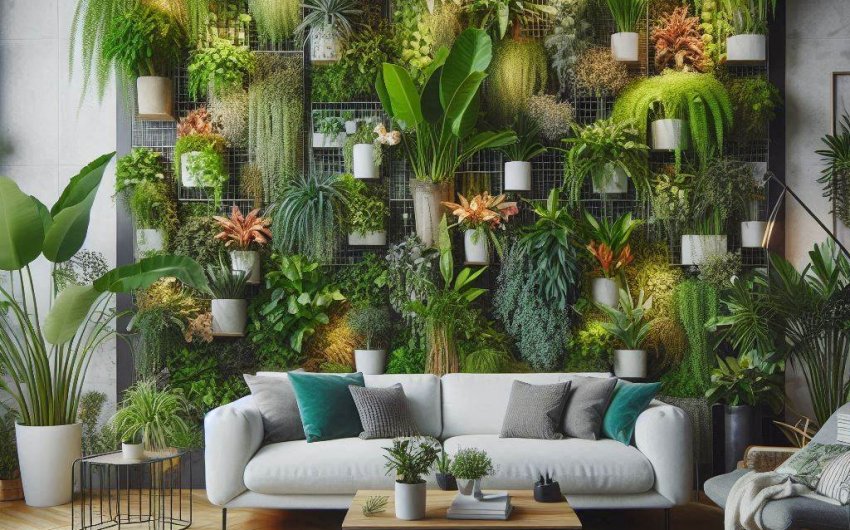
Creating a living wall of houseplants involves selecting appropriate plants, a suitable vertical gardening system, and ensuring proper light and water. It brings a stunning natural focal point to your home, improving air quality and boosting your mood.
What is a Living Wall and Why Create One?
A living wall, also known as a vertical garden or green wall, is a wall-covered with living plants that are grown in a vertical fashion using a hydroponic or soil-based system. These impressive plant displays can transform any space, from a small apartment balcony to a large commercial lobby.
The appeal of creating a living wall of houseplants extends beyond aesthetics. They offer numerous benefits for both your indoor environment and your well-being:
- Space-saving: Perfect for small spaces, living walls allow you to incorporate many plants without taking up floor space.
- Improved air quality: Plants naturally filter toxins from the air, and a large collection of plants on a living wall can significantly enhance indoor air quality.
- Enhanced aesthetics: A lush green wall adds a unique, natural, and vibrant design element to any room.
- Reduced noise: Plants can help absorb sound, leading to a quieter indoor environment.
- Increased humidity: Plants release moisture into the air, which can be beneficial in dry climates or homes with air conditioning.
- Stress reduction: Studies show that being surrounded by plants can lower stress levels and improve mood.
- Biophilic design: Connecting with nature through elements like a living wall can boost overall well-being.
What Are the Best Houseplants for a Living Wall?
Choosing the right houseplants for a living wall is crucial for its success and longevity. You'll want plants that are relatively low-maintenance, tolerant of varying light conditions, and have a compact or trailing growth habit. Consider the specific light conditions of your chosen wall when making your selections.
Here are some of the best choices:
- Pothos (Epipremnum aureum): Extremely forgiving and adaptable, pothos varieties like 'Golden Pothos' and 'Marble Queen' are excellent for living walls. Their trailing vines will gracefully cascade down the wall, creating a lush look.
- Philodendron: Similar to pothos in their ease of care and trailing nature, various philodendron species such as 'Heartleaf Philodendron' or 'Brasil' are fantastic options.
- Ferns: Many fern species thrive in the higher humidity often found in living wall systems. Good choices include the Boston fern, Maidenhair fern, and Staghorn fern (which can be mounted directly onto panels).
- Spider Plant (Chlorophytum comosum): These hardy plants are known for their air-purifying qualities and attractive arching leaves. Their "spiderettes" create new plants that can be easily propagated.
- Peace Lily (Spathiphyllum): With their elegant white blooms and dark green foliage, peace lilies are excellent air purifiers and thrive in medium to low light. Ensure good drainage as they don't like soggy roots.
- Syngonium (Arrowhead Plant): Available in various colors and patterns, syngoniums are relatively easy to care for and can be pruned to maintain their size.
- Fittonia (Nerve Plant): Known for their striking colorful veins, fittonias love high humidity and will add a pop of color to your green wall.
- Hoya (Wax Plant): Many Hoya varieties have beautiful waxy leaves and unique flowers. They are relatively slow-growing but can be stunning additions.
- Air Plants (Tillandsia): These unique plants don't require soil and can be nestled into pockets or attached to the living wall structure. They absorb nutrients and water directly from the air.
Tips for Plant Selection:
- Vary textures and colors: Mix plants with different leaf shapes, sizes, and shades of green to create visual interest.
- Consider light requirements: Group plants with similar light needs together to ensure all thrive.
- Think about mature size: Choose plants that won't outgrow their allocated space too quickly or require constant pruning.
- Pest resistance: Opt for plants known to be relatively pest-resistant to minimize maintenance.
What Type of Living Wall System Should You Use?
The type of living wall system you choose will depend on your budget, the size of your wall, and your DIY comfort level. There are several popular options available, ranging from simple modular planters to complex hydroponic setups.
Modular Planter Systems
These are perhaps the most popular and easiest to install for a home living wall. They consist of individual modules or pockets that connect to form a larger system.
- Pros: Easy to install, scalable, good for beginners, allows for easy plant replacement.
- Cons: Can be more expensive than DIY options, aesthetics depend on the specific system.
- Examples:
- Pocket systems: These systems often feature felt pockets or fabric bags that hold soil and plants. They are lightweight and good for small installations. Look for products like the WallyGrow Eco Planter WallyGrow Eco Planter.
- Rigid plastic modules: These interlockable planters provide more structure and often have built-in water reservoirs. Consider options like Florafelt Pockets Florafelt Pockets or similar interlocking systems.
Trellis and Pot Systems
This DIY-friendly option involves attaching a grid or trellis to the wall and then hanging individual pots or containers from it.
- Pros: Very customizable, inexpensive, easy to swap out plants, good air circulation around pots.
- Cons: Less integrated look, can be messier if not properly designed for drainage.
- Setup: Secure a sturdy garden trellis garden trellis or wire grid to your wall. Use S-hooks or specialized pot hangers to attach small pots filled with your chosen houseplants. Ensure pots have drainage holes and use saucers to catch excess water.
Hydroponic Vertical Gardens
For the more advanced gardener, hydroponic living wall systems use water and nutrients instead of soil. These are often used in larger, professional installations but smaller home versions are available.
- Pros: Cleaner (no soil), precise nutrient delivery, faster plant growth.
- Cons: More expensive, complex to set up and maintain, requires specialized equipment.
- Components: Typically involve a water reservoir, a pump to circulate nutrient solution, and growing media (like rockwool or coco coir) instead of soil. You might find compact systems like the Lettuce Grow Farmstand Lettuce Grow Farmstand which can be adapted for houseplants.
DIY Solutions
Many creative approaches can be taken for a DIY living wall:
- Repurposed Pallets: Mount a wooden pallet vertically, reinforce the slats to create planting pockets, and line them with landscape fabric.
- Old Gutters: Cut sections of old gutters, cap the ends, and mount them horizontally in staggered rows. Drill drainage holes.
- Plastic Bottles: Cut plastic bottles to create pockets, connect them, and hang them from a frame.
Considerations when choosing a system:
- Weight: A fully planted living wall can be heavy. Ensure your wall can support the weight of the system, soil, and plants, especially after watering.
- Waterproofing: Protect your wall from moisture damage. Most systems come with built-in waterproofing or require a separate waterproof backing waterproof backing.
- Irrigation: Decide if you'll hand-water or install a drip irrigation system.
How Do You Install a Living Wall of Houseplants?
Installing a living wall of houseplants requires careful planning and execution. The process will vary slightly depending on the system you choose, but the fundamental steps remain similar.
Step-by-Step Installation Guide (Modular System Example)
Choose Your Location:
- Light: Identify a wall that receives adequate light for your chosen plants. Most houseplants prefer bright, indirect light. If natural light is insufficient, plan for grow lights grow lights.
- Wall Type: Ensure the wall is sturdy enough to support the weight. Drywall will require anchors; concrete or brick may need different fasteners.
- Water Access: Consider how you will water the wall. Proximity to a water source is ideal.
- Drainage: Plan for where excess water will go. Some systems have built-in collection trays; others may require a tray or drip line.
Prepare the Wall:
- Clean: Wipe down the wall to remove dust or grime.
- Protect (if necessary): If your system doesn't have a waterproof backing, consider adding a waterproof membrane waterproof membrane behind where the living wall will be installed, especially if it's an interior wall. This is crucial to prevent moisture damage and mold.
Assemble the Living Wall System:
- Follow the manufacturer's instructions for your specific system. This usually involves attaching mounting brackets or a frame to the wall using screws and anchors appropriate for your wall type. Use a level level to ensure everything is straight.
- Once the frame or brackets are secure, attach the individual planter modules or pockets according to the design.
Prepare Your Plants:
- Repotting: Gently remove your selected houseplants from their nursery pots.
- Root Ball Adjustment: If the plant's root ball is very dense, gently tease apart some of the outer roots to encourage new growth into the living wall system.
Planting:
- Fill the modules or pockets with a high-quality, well-draining potting mix potting mix specifically designed for houseplants. Some living wall systems may recommend a soilless mix like coco coir coco coir.
- Carefully insert each plant into its designated slot. Ensure the roots are fully covered and the plant is secure. Avoid overfilling the pockets.
- Consider the mature size and trailing habits of your plants when placing them. Taller, upright plants might go higher, while trailing varieties should be placed where they can cascade.
Initial Watering:
- Once all plants are in place, give the entire living wall a thorough watering. Water slowly from the top, allowing water to drain through the system. Observe how the water drains to ensure there are no pooling issues.
How Do You Water and Fertilize a Living Wall?
Proper watering and fertilizing are critical for the long-term health of your living wall of houseplants. Due to their vertical nature and often limited soil volume, living walls have unique care requirements.
Watering Your Living Wall
The frequency of watering depends on several factors: the type of plants, the living wall system, the indoor humidity, and the season.
- Manual Watering: For smaller living walls, you can hand-water each plant using a small watering can small watering can with a long spout. Water from the top row, allowing water to trickle down through the system. Ensure all pockets receive adequate moisture without becoming waterlogged.
- Drip Irrigation System: For larger or more complex living walls, an automated drip irrigation system automated drip irrigation system for plants is highly recommended.
- This typically involves a small pump, tubing, and emitters that deliver water directly to each plant.
- A timer irrigation timer indoor can be used to automate watering schedules, ensuring consistency.
- Benefits: Saves time, reduces the risk of underwatering or overwatering, and ensures even distribution.
- Signs of Thirst: Look for wilting, dull foliage, or dry soil. It's better to underwater slightly than to overwater, which can lead to root rot.
- Drainage: Ensure your system has proper drainage to prevent water from accumulating at the bottom, which can cause root issues and potential structural damage. Some systems have a collection tray at the bottom that needs to be emptied regularly.
Fertilizing Your Living Wall
Since plants in a living wall often have limited access to nutrients from a large soil volume, regular fertilization is important.
- Liquid Fertilizer: Use a balanced, water-soluble liquid houseplant fertilizer liquid houseplant fertilizer.
- Dilution: Always dilute the fertilizer to half or quarter strength. Plants in living walls are often more susceptible to fertilizer burn due to less soil buffering.
- Frequency: Fertilize during the active growing season (spring and summer) every 2-4 weeks. Reduce or stop fertilizing in fall and winter when plant growth slows down.
- Application: Apply the diluted fertilizer directly to the soil in each plant pocket during your regular watering routine. If using a drip system, you can integrate a fertilizer injector fertilizer injector for drip system into the line.
What Are the Light and Humidity Requirements for a Living Wall?
Understanding the specific light and humidity needs of your selected houseplants for a living wall is paramount for their long-term health and vibrant appearance.
Light Requirements
- Bright, Indirect Light is Key: Most common houseplants suitable for living walls thrive in bright, indirect light. This means a location near a window that receives plenty of ambient light but avoids direct, harsh sunlight, which can scorch leaves.
- Sun Orientation:
- North-facing windows: Provide consistent, diffused light, often ideal for most houseplants.
- East-facing windows: Offer gentle morning sun, which is generally well-tolerated.
- West-facing windows: Can provide intense afternoon sun; filter with sheer curtains or blinds.
- South-facing windows: Deliver the most intense light; often requires significant filtering or placement of sun-loving plants only.
- Supplemental Grow Lights: If your chosen wall doesn't receive enough natural light, LED grow lights LED grow lights for indoor plants are an excellent investment.
- Choose full-spectrum lights that mimic natural sunlight.
- Mount them above or around your living wall, ensuring they are positioned close enough to provide adequate intensity without burning the plants.
- Use a timer grow light timer to maintain a consistent light cycle (e.g., 12-16 hours per day).
- Signs of Insufficient Light: Leggy growth, small leaves, faded foliage color, and lack of new growth.
- Signs of Too Much Light: Scorched leaves, brown tips, or bleached-out foliage.
Humidity Requirements
Many popular houseplants, especially those native to tropical environments, prefer higher humidity than typically found in indoor settings. A living wall can inherently create a slightly more humid microclimate due to transpiration, but you might need to supplement.
- Misting: Regularly misting the foliage of your plants with a fine mist spray bottle plant mister spray bottle can temporarily increase humidity, especially for humidity-loving plants like ferns or fittonias. Do this daily or every other day.
- Humidifier: For consistent humidity levels, particularly in dry climates or during winter when heating systems dry the air, consider placing a room humidifier indoor plant humidifier near your living wall.
- Grouping Plants: Plants release moisture through transpiration. Grouping plants together, as in a living wall, naturally increases localized humidity.
- Pebble Trays: While less effective for a large living wall, placing a pebble tray filled with water beneath the bottom-most plants can slightly increase ambient humidity around those specific plants.
- Signs of Low Humidity: Brown, crispy leaf edges, stunted growth, or wilting even when soil is moist.
How Do You Maintain a Living Wall of Houseplants?
Regular maintenance is key to keeping your living wall of houseplants lush, healthy, and vibrant for years to come. This includes pruning, pest management, cleaning, and occasional plant rotation.
Pruning and Shaping
- Regular Trimming: Houseplants on a living wall will grow and might become leggy or outgrow their space. Regularly prune plant pruning shears away any yellowing, dead, or diseased leaves. Trim back overgrown stems to maintain the desired shape and density of your wall.
- Pinching Back: For bushier growth, "pinch back" the growing tips of plants like pothos or philodendron. This encourages branching and a fuller appearance.
- Remove Spent Blooms: If any of your plants flower (like peace lilies), remove the spent blooms to encourage new growth and maintain aesthetics.
Pest and Disease Management
A living wall, like any large collection of plants, can be susceptible to pests. Early detection is crucial.
- Regular Inspection: Weekly, carefully inspect the leaves (especially the undersides) and stems of your plants for any signs of pests (like spider mites, mealybugs, or aphids) or disease (unusual spots, mold).
- Isolation (if possible): If you find a heavily infested plant, gently remove it from the wall (if your system allows) to treat it separately and prevent the spread.
- Organic Pest Control:
- Neem Oil: A natural insecticide that disrupts the life cycle of many common pests. Apply a diluted neem oil spray neem oil spray for plants as directed.
- Insecticidal Soap: Effective against soft-bodied pests. Make your own or use a commercial insecticidal soap insecticidal soap spray.
- Manual Removal: For small infestations, wipe pests away with a cotton swab dipped in rubbing alcohol or a damp cloth.
- Good Air Circulation: Ensure adequate air circulation around your plants to help prevent fungal diseases. Avoid overcrowding.
Cleaning and Dusting
- Wipe Leaves: Dust can accumulate on plant leaves, blocking light and hindering photosynthesis. Gently wipe leaves with a soft, damp cloth every few weeks.
- Clean System Components: Periodically clean the visible parts of your living wall system to remove any dirt, mineral deposits, or algae buildup, especially around watering components or drainage trays.
Replacements and Rotation
- Replace Unhealthy Plants: Despite best efforts, some plants may not thrive. Don't hesitate to remove and replace any plants that are struggling or dying. This prevents the spread of disease and maintains the overall aesthetics.
- Rotate Plants: If certain areas of your wall receive less light, consider rotating plants periodically to ensure all plants get adequate exposure. You might swap plants from a shadier spot to a brighter one, or simply rotate individual plant pockets.
Troubleshooting Common Living Wall Problems
Even with the best intentions, you might encounter issues with your living wall of houseplants. Knowing how to troubleshoot common problems can help you keep your vertical garden thriving.
Yellowing Leaves
- Cause: Most often, overwatering or underwatering. Can also be nutrient deficiency or insufficient light.
- Solution:
- Check moisture: Feel the soil in the pocket. If soggy, reduce watering frequency. If bone dry, increase watering.
- Drainage: Ensure the system drains properly.
- Nutrients: If watering is consistent, consider a diluted liquid fertilizer.
- Light: Assess light levels; consider supplemental grow lights if too dim.
Brown Leaf Tips or Edges
- Cause: Typically indicates low humidity or mineral buildup (from tap water). Can also be underwatering or over-fertilization.
- Solution:
- Humidity: Increase ambient humidity with misting or a humidifier.
- Water Quality: If using tap water, let it sit out for 24 hours to allow chlorine to dissipate, or use filtered water. Flush the system occasionally with plain water to reduce mineral buildup.
- Watering/Fertilizing: Check watering routine and reduce fertilizer strength.
Drooping or Wilting Plants
- Cause: Severe underwatering or, less commonly, root rot from overwatering. Pests can also cause wilting.
- Solution:
- Watering: If dry, give a thorough drink. If soil is soggy and plants are wilting, you likely have root rot. You may need to remove the plant, trim affected roots, and repot into fresh, drier soil.
- Pest Check: Inspect for any visible pests.
Leggy Growth and Small Leaves
- Cause: Insufficient light. Plants are stretching to find more light.
- Solution:
- Increase Light: Move the living wall to a brighter location or add supplemental grow lights plant full spectrum grow light.
- Pruning: Prune back leggy stems to encourage bushier growth once light conditions are improved.
Pests (Spider Mites, Mealybugs, Aphids)
- Cause: Pests are often introduced on new plants or can spread from other houseplants. Dry conditions can favor spider mites.
- Solution:
- Isolation: If possible, remove infested plants to treat separately.
- Manual Removal: Wipe off visible pests with a damp cloth or cotton swab dipped in rubbing alcohol.
- Sprays: Apply neem oil organic neem oil for plants or insecticidal soap plant safe insecticidal soap according to product instructions.
- Humidity: Increase humidity for spider mite prevention.
Mold or Mildew on Soil/System
- Cause: Excess moisture, poor air circulation, or overly rich/dense potting mix.
- Solution:
- Reduce Watering: Allow the top layer of soil to dry out between waterings.
- Improve Air Circulation: Use a small fan to gently circulate air around the living wall.
- Drainage: Ensure the system drains well.
- Remove: Scrape off any visible mold. If persistent, you might need to replace the potting mix.
By consistently monitoring your living wall of houseplants and addressing issues promptly, you can ensure it remains a stunning and healthy feature in your home. Remember that even experienced gardeners face challenges, and learning from them is part of the process of maintaining a beautiful vertical garden.