
How to Care for Rare Variegated Houseplants?
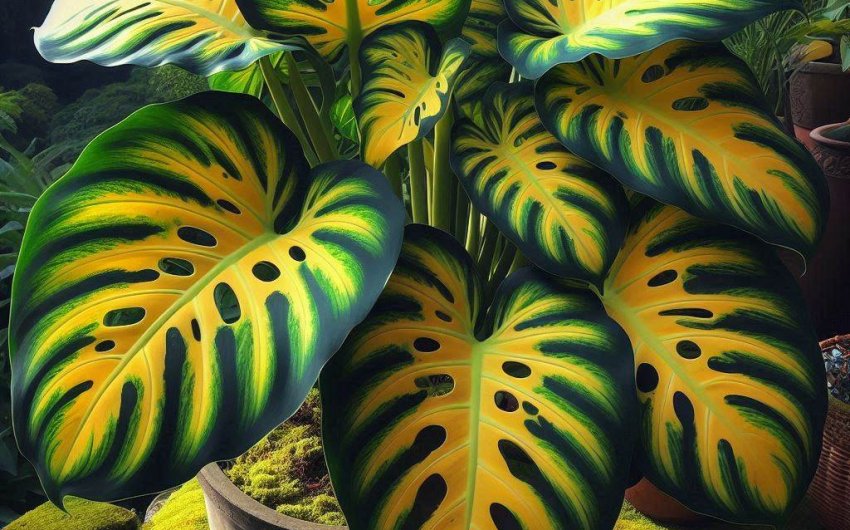
Have you ever seen a plant with leaves that look like a living painting? That's the magic of variegated houseplants! These plants have stunning patterns of different colors on their leaves, like white, cream, yellow, or pink mixed with green. Think of a Monstera Albo with its splashes of pure white, or a Pink Princess Philodendron showing off its vibrant pink patches.
While incredibly beautiful, rare variegated houseplants can be a bit more challenging to care for than their all-green cousins. Those colorful parts of the leaves often lack chlorophyll, the green stuff that plants use to make food from sunlight. This means they need just the right conditions to thrive.
But don't worry! With a little extra attention, you can keep your precious variegated plants happy and healthy. This guide will cover everything you need to know, from lighting and watering to humidity and preventing common problems. Get ready to unlock the secrets to success with your stunning, striped, and splashed beauties!
Understanding Variegation
Before we dive into care, let's quickly understand what makes a plant variegated.
What is Variegation?
Variegation simply means having different colored zones in leaves and sometimes stems. It's usually caused by a natural genetic mutation. This mutation means some parts of the plant's cells don't produce chlorophyll.
Types of Variegation
- Patterned Variegation: This is stable and part of the plant's genetics. Think of the perfect patterns on a Prayer Plant (Maranta).
- Chimeral Variegation: This is the most common type in the rare houseplants we love, like Monstera Albo or Philodendron Pink Princess. It's caused by two different types of plant tissue growing next to each other. One tissue has chlorophyll, the other doesn't. This type can sometimes "revert" (turn all green) or "revert to white" (turn all white) if conditions aren't right.
- Blister Variegation: Caused by air pockets between leaf layers, giving a silvery look (e.g., Scindapsus Pictus).
- Viral Variegation: Caused by a virus. While interesting, it can also harm the plant. Most desired variegation is genetic, not viral.
Understanding these types helps you know what to expect and how to care for your specific plant. Most rare variegated plants in the hobby fall under chimeral variegation.
Light: The Secret Ingredient
Light is the single most important factor for variegated houseplants. Too little, and they might revert or lose their bright colors. Too much, and their delicate white or colored parts can burn easily.
The Ideal Light Balance
Variegated plants need bright, indirect light. What does that mean?
- Bright: Place your plant near a window that gets plenty of light throughout the day.
- Indirect: The sun's rays shouldn't hit the leaves directly, especially harsh afternoon sun. This is where burning happens.
Think of it like this: your plant wants to see the bright sky but doesn't want to feel the direct heat of the sun on its leaves.
South or West-Facing Windows
These are often the brightest spots. If you have such a window, place your variegated plant a few feet back from it. Use sheer curtains or a window film for plants to filter the light and protect against sunburn.
East-Facing Windows
An east-facing window provides gentle morning sun, which is usually safe for variegated plants. This can be an excellent spot for many.
North-Facing Windows
These usually provide too little light for most variegated plants to keep their colors strong. They might revert to all green in these spots.
Signs of Too Much Light
- Brown, crispy spots on white/colored areas: This is sunburn. These spots won't heal.
- Leaves looking bleached or faded: Colors might wash out.
If you see these signs, move your plant further from the window or add more filtration.
Signs of Too Little Light
- Loss of variegation (reverting): New leaves come out mostly or entirely green. The plant is trying to make more chlorophyll to get enough energy.
- Slow growth: The plant isn't getting enough energy to grow.
- Leggy growth: Stems stretch out with fewer leaves as the plant searches for light.
If your plant is reverting, it needs more light.
Supplemental Grow Lights
For optimal variegation and growth, many collectors use LED grow lights. These provide consistent, controlled light.
- Full-spectrum LED grow lights: Mimic natural sunlight and are great for variegated plants. Look for ones with adjustable brightness.
- Distance: Start with the light a bit further away and adjust based on your plant's response. About 12-24 inches from the plant is a good starting point for most.
- Timer: Use a grow light timer to give your plants 12-14 hours of consistent light daily.
Using a good plant grow light can really make your variegation pop and prevent reversion.
Watering: A Delicate Balance
Variegated plants are often more sensitive to watering issues, especially root rot.
The "Dry Out Slightly" Rule
The best way to water variegated houseplants is to let the top 1-2 inches of soil dry out between waterings. Use your finger to check. Stick it in. If it feels dry, it's time to water.
How to Water
- Thoroughly: When you water, water until water drains out of the bottom of the pot. This ensures all roots get a drink.
- Drainage: Ensure your pot has excellent drainage holes. A plant pot with drainage hole is non-negotiable. Never let your plant sit in standing water.
- Avoid overly wet soil: The areas of the leaf that lack chlorophyll are weaker. If the plant struggles with root issues from being too wet, those weaker parts often suffer first.
- Room temperature water: Cold water can shock the roots.
Signs of Overwatering
- Yellowing leaves (especially lower leaves): Can also be a sign of underwatering, but often indicates too much water.
- Mushy stems or roots: A clear sign of root rot.
- Leaves turning brown and soft: Often at the tips or edges.
Signs of Underwatering
- Wilting leaves: They might look droopy.
- Crispy, dry leaves: Especially on the edges.
- Soil pulling away from the edges of the pot.
A plant moisture meter can help you gauge soil moisture accurately, taking out the guesswork.
Humidity: A Tropical Treat
Most rare variegated houseplants are tropical. They love high humidity. Those white or lighter parts of the leaves are more fragile and dry out easily in low humidity.
Ideal Humidity Levels
Aim for humidity levels between 60% and 80%. Many homes are much drier than this, especially in winter.
Boosting Humidity
- Humidifier: The most effective way is to use a room humidifier near your plants. A good plant humidifier can maintain consistent humidity.
- Pebble trays: Place the pot on a tray filled with pebbles and water. Make sure the bottom of the pot doesn't sit in the water. As the water evaporates, it creates humidity around the plant. You can find a plant humidity tray on Amazon.
- Grouping plants: Placing plants together creates a mini-climate around them, boosting humidity.
- Terrariums/Cabinets: For very sensitive plants, a closed environment like a terrarium or a clear cabinet (often called a "IKEA greenhouse cabinet") can provide high humidity.
Signs of Low Humidity
- Crispy brown edges or tips on leaves: Especially on the white/colored parts.
- Stunted new growth: New leaves struggle to unfurl.
- Pest issues: Dry air can attract pests like spider mites.
Soil and Potting: The Foundation
The right soil and pot provide the stability and drainage your variegated plant needs.
Ideal Potting Mix
Variegated houseplants need a well-draining, airy potting mix. This prevents waterlogging and allows roots to breathe.
- Standard ingredients: A good mix usually includes:
- Orchid bark: Adds aeration and drainage.
- Perlite: Lightweight volcanic rock, improves drainage.
- Coco coir or high-quality potting mix: Provides nutrients and moisture retention without staying soggy.
- Vermiculite: Helps retain some moisture and nutrients.
- Avoid heavy soil: Don't use dense garden soil. It will suffocate the roots.
- pH: Most aroids (like Monstera and Philodendron) prefer a slightly acidic to neutral pH (around 6.0-7.0).
You can buy specialized aroid potting mix or mix your own with components like orchid bark potting mix and perlite for plants.
Potting Material and Size
- Drainage holes: Absolutely essential!
- Material:
- Terracotta pots: Porous, so they dry out faster. Good if you tend to overwater.
- Plastic pots: Retain moisture longer. Good if you tend to underwater.
- Clear pots: Many prefer clear plastic pots to see the roots and monitor moisture levels. A clear plastic plant pot with drainage is popular for rare plants.
- Size: Don't put a small plant in a huge pot. Go up only one size (e.g., from a 4-inch to a 6-inch pot) when repotting. Too big a pot holds too much soil and moisture, leading to root rot.
Repotting
Repot your variegated plant only when it's clearly root-bound (roots coming out of the drainage holes, growth slowing down). Do it in spring or summer when the plant is actively growing. Handle the roots gently.
Fertilizing: Fuel for Growth
Since the white/colored parts of the leaves don't produce food, the green parts are working extra hard. This means your variegated plant needs regular feeding during its growing season.
When to Fertilize
- Growing season: Fertilize every 2-4 weeks during spring and summer.
- Dormancy: Stop fertilizing in fall and winter when growth slows down.
What to Use
- Balanced liquid fertilizer: A standard houseplant fertilizer with equal NPK (nitrogen, phosphorus, potassium) numbers (e.g., 5-5-5 or 10-10-10).
- Dilution: Always dilute the fertilizer to half strength or even quarter strength. Variegated plants are sensitive to fertilizer burn.
- Beneficial fungi: Some growers like to use mycorrhizal fungi for plants during repotting. These fungi form a partnership with roots, helping them absorb nutrients better.
Signs of Nutrient Deficiency
- Yellowing or pale green leaves (especially older ones): Can indicate nitrogen deficiency.
- Slow or stunted growth: Lack of overall nutrients.
Be careful not to over-fertilize, as this can burn the roots and damage the plant. Always water your plant before fertilizing.
Pests and Problems: Early Detection is Key
Variegated plants can be more susceptible to pests or show damage more clearly due to their delicate leaves.
Common Pests
- Spider mites: Tiny red or brown mites, often seen as fine webs on leaves. Thrive in dry conditions.
- Mealybugs: Small, white, cottony insects found in leaf axils or on stems.
- Thrips: Tiny, slender insects that cause silvery streaks and distorted new growth.
- Scale: Small, hard-shelled bumps on stems and leaves.
Prevention and Treatment
- Regular inspection: Check your plants thoroughly every time you water. Look under leaves and in crevices.
- Quarantine new plants: Isolate any new plant for a few weeks before introducing it to your collection.
- Good airflow: Helps deter pests like spider mites.
- Treatment:
- Isolate infected plant immediately.
- Insecticidal soap spray: An effective first line of defense for most pests.
- Neem oil spray: A natural pesticide that works against many pests.
- Systemic insecticides: For severe infestations, consult with a plant expert.
- Wipe leaves: For mealybugs, use a cotton swab dipped in rubbing alcohol.
Common Issues and Solutions
- Crispy brown patches on white parts: Almost always sunburn (too much direct light) or low humidity.
- Reversion (losing variegation): Not enough light. Move to a brighter spot. If a stem produces an all-green leaf, prune it back to a variegated node to encourage more variegation.
- All white leaves: Too much variegation means not enough green for photosynthesis. These leaves won't last and often signal the plant is struggling to produce enough energy. Prune these off to encourage balanced growth.
- Drooping leaves: Usually underwatering, but can also be overwatering if roots are rotting. Check soil moisture.
- Yellowing leaves: Often overwatering or nutrient deficiency. Check soil moisture and consider fertilizing.
Pruning and Propagation
Pruning for Variegation
- Reverted growth: If a stem produces only green leaves, prune it back to the last node that showed variegation. This encourages new, variegated growth.
- All-white growth: If a stem produces only white leaves, prune it off. These leaves cannot make food and weaken the plant.
- Shape: Prune to maintain shape and encourage bushier growth. Always use clean, sharp pruning shears.
Propagation
Many variegated plants can be propagated from stem cuttings.
- Method: Take a cutting with at least one node (where a leaf meets the stem) and one leaf. Make sure your cutting has some green on it for photosynthesis.
- Rooting: Place the cutting in water, sphagnum moss, or a perlite/soil mix until roots form. A propagation station or small clear cups work well.
- Heat mat: A plant heat mat for rooting can speed up the process, especially for rare cuttings.
Propagating your variegated plants is a fun way to multiply your collection or share with friends!
Caring for rare variegated houseplants is a journey of observation and adjustment. They ask for consistent care, especially when it comes to light and humidity, because their beauty depends on it. With these tips, you'll be well on your way to enjoying a stunning collection of these living works of art in your home!