
How to Deal with Scale Insects on Houseplants?
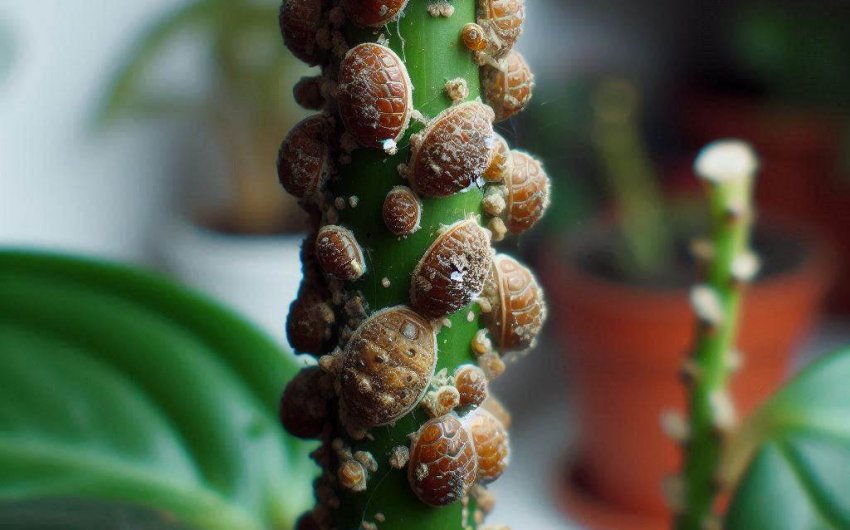
You walk over to admire your favorite houseplant, and then you see it: small, hard bumps on the stems or under the leaves. Some might look like tiny brown barnacles, others like flat, waxy dots. Ugh! You've got scale insects.
Scale insects are tiny plant pests that can cause big problems for your beloved houseplants. They're like little vampires, sucking the sap (the plant's vital fluids) right out of your plant. If left untreated, they can weaken your plant, make it sticky, and even lead to its death.
But don't panic! Dealing with scale on houseplants is totally doable. It takes patience and a bit of effort, but you can save your green friends. This guide will help you spot these sneaky pests, learn how to get rid of them, and prevent them from coming back. Let's get those scale bugs packing!
What Are Scale Insects?
Before we can fight them, let's understand who we're up against.
Tiny Armored Invaders
Scale insects are a type of sap-sucking insect. They come in many forms, but the most common ones on houseplants are:
- Soft scale: These are usually round or oval, soft-bodied, and often brown, green, or black. They produce a sticky substance called honeydew.
- Armored scale: These have a harder, waxy, shell-like covering that protects them. They don't typically produce honeydew.
They don't look like typical bugs. They often blend in with the plant, appearing as abnormal bumps or growths. This makes them tricky to spot early.
Life Cycle of Scale Insects
Understanding their life cycle helps in treatment:
- Eggs: Laid under the female's protective shell.
- Crawlers: These are the young, mobile stage. They hatch from eggs and are tiny, often yellowish, and can move around the plant to find a new feeding spot. This is the most vulnerable stage for treatment.
- Adults: Once crawlers find a spot, they settle down, insert their mouthparts into the plant, and start feeding. Females lose their legs and antennae and develop their protective shell. Males, if present, are tiny, winged insects that fly to find females.
The protective shell of adult scale makes them hard to kill with just sprays, which is why manual removal is often so important.
Signs You Have Scale Insects
Early detection is key! Look closely at your plants regularly.
Visual Clues
- Small, raised bumps: Look like tiny barnacles, oval disks, or waxy spots stuck to stems, leaf undersides, and sometimes even the top of leaves. They don't move when you touch them.
- Coloration: They can be brown, black, white, or greenish, blending in with the plant's natural colors.
- Sticky residue (honeydew): If you see a clear, sticky, shiny substance on the leaves or even on surfaces below the plant, this is honeydew. Soft scale insects excrete this sugary liquid.
- Sooty mold: Black, powdery mold can grow on the honeydew. This doesn't directly harm the plant but blocks light from reaching the leaves, hurting photosynthesis.
- Yellowing leaves: As scale insects suck sap, the plant weakens, and leaves may turn yellow.
- Stunted growth: New growth might be distorted or slow.
- Leaf drop: In severe infestations, leaves might drop off.
Where to Look
- Undersides of leaves: Always check here.
- Along stems and branches: Especially at leaf nodes (where leaves meet stems).
- In leaf axils: Where new leaves emerge.
- Along leaf veins.
Regularly inspecting your plants, especially when you water them, is the best way to catch scale on houseplants early.
Step-by-Step Treatment for Scale Insects
Dealing with scale takes a multi-pronged approach. Be patient and persistent!
Step 1: Isolate the Infested Plant!
This is the very first thing you do. Move the affected plant away from all your other houseplants immediately. Scale insects can spread easily, especially during their "crawler" stage. Place it in a separate room or a far corner.
Step 2: Manual Removal – The First Line of Defense
This is the most crucial step, especially for adult scale. Their waxy or hard shells protect them from sprays.
- Rubbing Alcohol (Isopropyl Alcohol): Dip a cotton swab or cotton ball in 70% isopropyl alcohol. Gently rub or dab each visible scale insect. The alcohol dissolves their waxy coating and dries them out. This is very effective.
- Fingernail or Old Toothbrush: For tougher cases, you can gently scrape them off with your fingernail or an old, soft toothbrush. Be careful not to damage the plant.
- Wipe Down Leaves: After removing visible scale, wipe down all surfaces of the leaves and stems (top and bottom) with an alcohol-soaked cloth or a mix of rubbing alcohol and water (1 part alcohol to 1 part water). This removes any remaining honeydew and tiny crawlers you can't see.
Repeat manual removal every few days for at least 2-3 weeks. New crawlers will hatch, so you need to keep removing them before they settle down.
Step 3: Treat with Insecticidal Sprays
Once you've manually removed the adults, sprays can help kill the remaining crawlers and nymphs.
Option A: Insecticidal Soap
Insecticidal soap is a safe and effective option. It works by breaking down the insect's protective outer layer, causing them to dehydrate.
- Homemade: Mix 1-2 teaspoons of mild dish soap (like Dawn, not antibacterial or degreasing) with 1 liter (about 4 cups) of water. Use a spray bottle for plants to apply.
- Commercial: You can buy a ready-to-use insecticidal soap spray.
- How to use: Spray the entire plant thoroughly, covering all leaf surfaces (top and bottom) and stems. Make sure it drips off. Test on a small area first to ensure your plant isn't sensitive.
- Frequency: Apply every 5-7 days for 2-3 weeks.
Option B: Neem Oil
Neem oil is a natural pesticide that disrupts insect growth and feeding. It's also effective against many other pests.
- How to use: Mix neem oil concentrate with water and a few drops of mild soap (as an emulsifier) according to package directions. Spray the entire plant thoroughly, ensuring good coverage.
- Application: Apply in the evening or on a cloudy day, as direct sunlight can cause leaf burn on oil-treated plants.
- Frequency: Apply every 7-10 days for several weeks.
- Slight odor: Neem oil has a mild, earthy smell that fades.
Option C: Horticultural Oil
Similar to neem oil, horticultural oil suffocates insects by blocking their breathing pores.
- How to use: Mix according to package directions. Apply thoroughly.
- Frequency: Repeat as directed, usually every 7-14 days.
- Caution: Don't use on plants that are stressed, newly repotted, or in very hot conditions. Avoid on fuzzy-leaved plants or plants that are sensitive to oils (like some ferns). Always check the label for specific plant sensitivities.
Step 4: Systemic Granules (Use with Caution!)
For persistent or severe infestations, systemic insect control granules can be an option. These products contain insecticides that the plant's roots absorb, making the entire plant toxic to sap-sucking insects like scale.
- How to use: Sprinkle the granules on top of the soil and water them in.
- Pros: Long-lasting protection, kills hidden pests.
- Cons: These are pesticides and can be harmful to pets and children. They also can harm beneficial insects. Read and follow all safety warnings and directions carefully. Not recommended for plants that you harvest edible parts from.
- Recommendation: Use as a last resort and with extreme care, especially if you have pets or small children. A systemic insect control for houseplants product is available.
Step 5: Check, Recheck, and Repeat!
This is the most important step for success. Scale insects are tough!
- Persistence: You must repeat treatments, especially manual removal and sprays, regularly for several weeks (at least 2-3 cycles of the crawlers hatching, so around 4-6 weeks total).
- Thoroughness: Don't miss any spots. Check every leaf, every stem, every crevice.
- Patience: It can feel like a never-ending battle, but consistency pays off.
After the Battle: Preventing Future Infestations
Once you've got rid of the scale, you want to keep them away!
Inspect New Plants
This is how most pests enter your home. Before bringing any new plant home, inspect it thoroughly. Check stems, under leaves, and even the soil. If you see anything suspicious, don't buy it. If you do buy it, quarantine it for 2-4 weeks away from your other plants. An isolated corner or even a different room works.
Regular Plant Inspection
Make it a habit to check your plants frequently, especially when you water them. Look for any signs of pests, even tiny ones. Early detection makes treatment much easier.
Maintain Plant Health
Healthy plants are more resilient to pest attacks.
- Proper watering: Don't overwater or underwater.
- Adequate light: Give your plants the light they need.
- Good airflow: Improves plant health and deters some pests.
- Fertilize properly: Provide nutrients during the growing season.
- Clean leaves: Dust can hinder photosynthesis and hide pests. Wipe down leaves regularly with a damp cloth. A plant leaf cleaner spray can also be used.
Use Beneficial Insects (for severe cases or outdoors)
For very large indoor collections or if you move plants outdoors for summer, you might consider beneficial insects. Some parasitic wasps and ladybugs are natural predators of scale. However, this is usually not practical for small indoor collections due to limited food sources for the predators once the scale is gone.
Pruning Infested Parts
If a part of your plant is heavily infested, it might be best to simply prune it off and dispose of it in a sealed bag. This removes a large number of pests quickly. Always use clean pruning shears.
Dealing with scale insects on houseplants can be frustrating, but it's a rite of passage for many plant parents. With consistent effort, the right tools, and a bit of patience, you can successfully evict these unwelcome guests and get your plants back to thriving. Keep those eyes peeled, and happy plant parenting!