
Why Is My Lawn Turning Brown After Fertilizing?
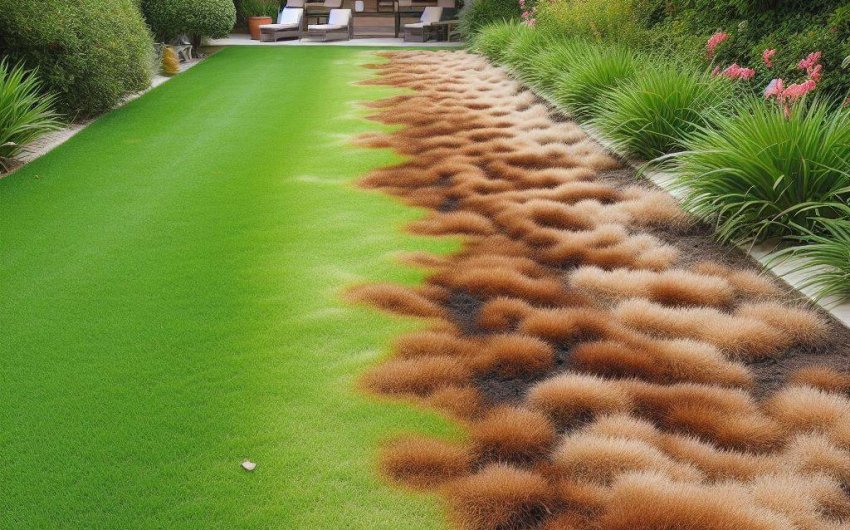
You just fertilized your lawn, hoping for a lush, green carpet of grass. Instead, you're looking at brown, crispy patches. What went wrong? It's a frustrating sight, and a common problem for many homeowners. Lawn turning brown after fertilizing is usually a sign of fertilizer burn.
Fertilizer burn happens when your grass gets too much of a good thing – too much fertilizer. Think of fertilizer as food for your lawn. Just like humans, plants can get sick if they eat too much, especially too much of certain ingredients. The chemicals in fertilizer, especially nitrogen, can "burn" the grass blades and roots by drawing out moisture, leaving them brown and dead.
But it's not just over-applying. Many factors can lead to this dreaded brown-out. This guide will help you understand why your lawn is turning brown after fertilizing, how to fix it, and, most importantly, how to avoid it next time. Let's get your lawn back to its vibrant green!
Understanding Fertilizer Burn
Let's dive deeper into what fertilizer burn really is and why it happens.
What is Fertilizer Burn?
Fertilizer contains salts. When too many of these salts are concentrated in one spot, they essentially "suck" the water out of the grass cells. This process, called osmosis, causes the grass blades and roots to dehydrate and die, turning them brown and crispy. It's like pouring salt directly onto a slug – it draws out all the moisture.
The most common culprit is nitrogen, which is a key ingredient in most lawn fertilizers for promoting green growth. While essential, too much nitrogen is highly likely to cause burn.
How Quickly Does It Happen?
The brown spots can appear surprisingly fast, often within a few days to a week after fertilizing. The speed depends on the amount of fertilizer, the type of fertilizer, and weather conditions.
Top Reasons for Lawn Turning Brown After Fertilizing
Now, let's break down the common mistakes that lead to fertilizer burn.
1. Too Much Fertilizer Applied
This is the most frequent cause of lawn turning brown after fertilizing.
- Over-application: You might have used more fertilizer than the package recommended per square foot. It's easy to accidentally dump too much in one area, especially when filling your spreader.
- Miscalculated area: You might have overestimated the size of your lawn, leading you to buy or apply too much fertilizer for the actual area.
- Heavy overlap: When using a lawn spreader, if you overlap your passes too much, you can apply double the amount of fertilizer to certain strips of your lawn. This creates those distinct brown stripes.
Solution: Always measure your lawn accurately using a measuring wheel or even your phone's GPS. Read the lawn fertilizer instructions carefully and calibrate your fertilizer spreader according to the bag's recommendations.
2. Uneven Application
Even if you use the right amount of fertilizer overall, if it's not spread evenly, you'll get brown spots.
- Broadcast vs. Drop Spreaders:
- Broadcast spreaders (rotary spreaders) throw fertilizer in a wide arc. They are faster but can create uneven coverage if not used properly (e.g., stopping or starting in one spot).
- Drop spreaders drop fertilizer straight down in a narrow band. They offer more control for even application but require more passes and careful alignment to avoid skips and overlaps.
- Hand Spreading: Trying to spread granular fertilizer by hand almost always results in uneven application and brown spots.
- Clumped Fertilizer: If the fertilizer gets wet or clumpy in the bag, it won't flow evenly through the spreader, leading to concentrated spots.
Solution: Use a well-maintained fertilizer spreader. For rotary spreaders, apply in two perpendicular passes (e.g., once north-south, then once east-west) using half the recommended setting each time. For drop spreaders, make sure your passes are perfectly aligned. Store fertilizer in a dry place to prevent clumping.
3. Fertilizing Dry Grass
Applying fertilizer to a dry lawn is a recipe for burn.
- Why it burns: Without moisture in the grass blades and soil, the fertilizer salts have an immediate and direct contact with the grass, quickly drawing out any existing moisture.
- When to fertilize: It's best to fertilize when the grass is slightly damp, or right before a light rain.
Solution: Water your lawn thoroughly the day before you plan to fertilize, or at least a few hours before. The grass blades should be dry on the surface, but the soil beneath should be moist. This helps dissolve the fertilizer and move it away from the blades and into the soil where it belongs.
4. Not Watering After Fertilizing
This is arguably the most common mistake after over-application.
- Why it burns: If you apply granular fertilizer and don't water it in immediately, the fertilizer sits on the grass blades. The moisture in the air (humidity) can cause the fertilizer granules to dissolve slowly, concentrating the salts and burning the blade they are resting on.
- What to do: Watering immediately washes the fertilizer off the blades and into the soil, where it can be absorbed by the roots. It also helps to dilute the salts.
Solution: Always, always, always water your lawn thoroughly immediately after applying granular fertilizer. This is non-negotiable. Aim for about 1/2 inch of water to move the granules into the soil. A good lawn sprinkler system can help with this.
5. Using the Wrong Type of Fertilizer
Not all fertilizers are created equal.
- "Quick-release" Nitrogen: Fertilizers with a high percentage of "quick-release" or "fast-acting" nitrogen (often labeled as urea or ammonium nitrate) are more prone to causing burn. This nitrogen is quickly available to the plant, which is great for fast green-up, but also means it's highly concentrated.
- "Slow-release" Nitrogen: Fertilizers with "slow-release" or "controlled-release" nitrogen are much safer. They release nutrients gradually over time, reducing the risk of burn. They might take a bit longer to show results but are much safer for your lawn.
- Weed & Feed Products: While convenient, these products combine fertilizer with herbicides. If applied incorrectly or during hot weather, the herbicide component can also contribute to stress and browning, especially if the grass is already struggling.
Solution: For general lawn feeding, especially if you're new to fertilizing, choose a slow-release lawn fertilizer. Read the label carefully to see the nitrogen type. If using a weed and feed lawn fertilizer, be extra cautious with application and follow temperature guidelines.
6. Fertilizing in Hot Weather
High temperatures can make your lawn more susceptible to burn.
- Stressed grass: Grass is already stressed in hot weather, as it works harder to stay cool and take up water. Adding concentrated fertilizer can overwhelm it.
- Rapid dehydration: In heat, water evaporates quickly. If fertilizer isn't watered in fast enough, or if the grass is already struggling for moisture, burn is more likely.
Solution: Avoid fertilizing your lawn during extreme heat or during a drought. The best times to fertilize are in spring (when temperatures are mild and grass is actively growing) and early fall (when temperatures cool down). Check your local weather forecast before fertilizing.
7. Over-Fertilizing a New Lawn or Sod
New grass, whether from seed or sod, is more delicate than an established lawn.
- Tender roots: New seedlings or sod have very shallow, sensitive root systems that are easily damaged by concentrated salts.
- Specific needs: New lawns often require special "starter" fertilizers that are lower in nitrogen and higher in phosphorus, which promotes root growth.
Solution: Use a starter fertilizer for new lawns on newly seeded or sodded areas. Wait until a new lawn is well-established (often after a few mowings) before applying a regular maintenance fertilizer. Follow specific directions for new turf care.
How to Fix a Lawn with Fertilizer Burn
So, you've got brown spots. Don't despair! Here's what you can do.
1. Flush the Area with Water
This is the immediate action to take.
- Dilute the salts: Water heavily to flush the excess fertilizer salts down through the soil and away from the roots.
- How much: Apply water for about 15-20 minutes over the affected areas. You might need to do this over several days.
- Goal: The goal is to dilute the concentration of salts around the grass roots.
This step might save some of the grass that is only partially damaged.
2. Assess the Damage
- Crispy vs. Dry: Feel the brown grass. If it's completely crispy and pulls out easily, it's likely dead. If it still has some give or green near the base, it might recover.
- Watch and Wait: Give the lawn a week or two after flushing. Some areas might bounce back.
3. Reseed or Resod Severely Damaged Areas
If the brown patches are completely dead:
- Rake out dead grass: Use a lawn rake to remove the dead grass and prepare the soil.
- Amend the soil: Add a thin layer of compost or fresh topsoil to give new seeds a good start.
- Reseed: Spread new grass seed over the dead patches. Use a handheld broadcast spreader for small areas or simply scatter by hand.
- Keep moist: Water the reseeded areas lightly but frequently (2-3 times a day) until the new grass germinates and establishes.
- Patch with sod: For larger dead areas, consider cutting out the dead turf and laying down new sod.
Preventing Fertilizer Burn: Best Practices
Prevention is much easier than fixing! Here are the golden rules for fertilizing your lawn without causing burn.
1. Read the Fertilizer Label Carefully
This cannot be stressed enough. The label is your instruction manual.
- Application Rates: Pay close attention to the recommended amount per square foot or square meter.
- Spreader Settings: The bag will usually list specific settings for different types of lawn spreaders.
- Watering Instructions: It will tell you if and how to water after application.
- Temperature Guidelines: Indicates the ideal temperature range for application.
- NPK Ratio: Understand the numbers (Nitrogen-Phosphorus-Potassium). High first number (Nitrogen) means higher burn risk if not applied carefully.
- Nitrogen Type: Look for "slow-release" or "controlled-release" nitrogen for safer application.
2. Measure Your Lawn Accurately
Don't guess! Use a measuring tape, a measuring wheel, or a satellite map tool (like Google Maps) to determine the exact square footage of your lawn. This ensures you buy and apply the correct amount of lawn fertilizer.
3. Calibrate and Maintain Your Spreader
- Calibration: Set your fertilizer spreader according to the label's instructions.
- Even Flow: Ensure the spreader is clean and working correctly. A clogged spreader can lead to uneven distribution.
4. Apply Evenly and Systematically
- Edge First: Walk the perimeter of your lawn first, creating a border. This helps define your area.
- Overlap Slightly: When making passes, overlap slightly (e.g., 6 inches) to ensure full coverage without over-applying. For broadcast spreaders, consider the two-pass method (half rate in two directions).
- Keep Moving: Never stop moving your spreader while the hopper is open. This will dump a pile of fertilizer in one spot and guarantee a burn.
- Empty Over a Tarp: When you're done, empty any leftover fertilizer from your spreader onto a tarp, not directly on the lawn.
5. Water Before Fertilizing (if grass is dry)
As mentioned, if your lawn is dry, give it a good watering the day before or a few hours before. The grass blades should be dry to the touch when you apply, but the soil should be moist.
6. Water IMMEDIATELY and Thoroughly After Fertilizing
This is crucial for granular fertilizers. Use a lawn sprinkler or hose to apply about 1/2 inch of water right away. This washes the fertilizer off the blades and into the soil.
7. Choose the Right Time of Day and Year
- Time of day: Fertilize in the morning or early evening when temperatures are cooler. Avoid the hottest part of the day.
- Time of year: Fertilize during active growing seasons for your grass type (spring and fall for cool-season grasses; late spring/early summer and early fall for warm-season grasses). Avoid fertilizing during summer heat waves or winter dormancy.
8. Don't Fertilize Stressed Grass
If your lawn is already suffering from drought, disease, or pest problems, address those issues first. Fertilizing a stressed lawn can make things worse.
By following these best practices, you can avoid the heartbreak of a lawn turning brown after fertilizing and instead achieve the lush, green lawn you're aiming for. It's all about understanding how fertilizer works and applying it with care and precision. Happy fertilizing!