
How to Use a Reel Mower on Your Lawn?
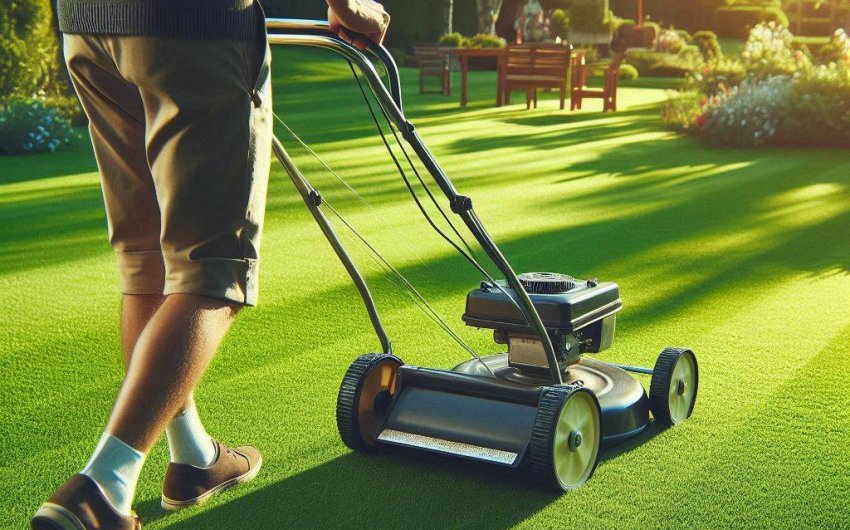
Tired of loud, gas-guzzling mowers? Looking for a way to get a perfectly manicured lawn, save money, and get some exercise? Then a reel mower might be your new best friend! These classic, human-powered mowers are making a big comeback, and for good reason.
A reel mower doesn't rip or tear grass blades like a rotary mower. Instead, its spinning blades create a scissor-like cut, leaving your lawn looking incredibly neat and healthy. Think of a golf course or a baseball outfield – they often use reel mowers for that pristine look.
Using a reel mower is not just about cutting grass; it's about enjoying the quiet, the fresh air, and getting a great workout. This guide will walk you through everything you need to know, from picking the right mower to getting those perfect stripes. Let's get started on your journey to a greener, quieter lawn!
Why Choose a Reel Mower?
Before we get into the "how," let's talk about the "why." What makes a reel mower so special?
1. Superior Cut Quality
This is the number one reason many choose a reel mower.
- Scissor-like action: The rotating blades shear the grass cleanly against a fixed bed knife. This is like using sharp scissors to cut hair.
- Healthier grass: A clean cut reduces stress on the grass blades. Rotary mowers (the common gas or electric ones) essentially "tear" the grass, leaving ragged edges. This can cause the tips to brown and make the grass more prone to disease.
- Pristine look: A reel mower leaves your lawn with a golf-course quality finish.
2. Environmentally Friendly
- Zero emissions: No gas, no oil, no fumes. You're cutting the grass using your own power. This means no pollution, which is great for your lungs and the planet.
- Quiet operation: The only sound you'll hear is the gentle whir of the blades and the snip-snip of grass being cut. You can mow early in the morning without disturbing neighbors. You can even listen to music or a podcast while you mow!
3. Cost Savings
- No fuel costs: Your fuel is your breakfast!
- Lower maintenance: Fewer moving parts mean less can break. No oil changes, no spark plugs, no air filters.
- Long-lasting: A well-maintained reel mower can last for decades.
4. Great Exercise
Pushing a reel mower provides a good workout. It gets you moving, builds strength, and helps you stay active outdoors.
5. Simple to Use and Store
- Lightweight: Most reel mowers are much lighter than their gas counterparts.
- Compact storage: They take up less space in your shed or garage.
Types of Reel Mowers
Not all reel mowers are the same. Understanding the types helps you choose the right one for your lawn.
1. Manual Push Reel Mowers
These are the classic, human-powered mowers. You push them, and the wheels turn the blades.
- Pros: Most affordable, quietest, zero emissions, lightest, best exercise.
- Cons: Requires physical effort, can struggle with very tall or dense grass, best for smaller to medium lawns.
- Best for: Small to medium-sized flat lawns, those who want an eco-friendly option and a workout. A common choice is a manual push reel lawn mower.
2. Powered Reel Mowers (Electric or Gas)
These are less common for homeowners but exist. They still use the reel cutting mechanism but have an engine or motor to power the blades and sometimes the wheels.
- Pros: Easier to push (especially self-propelled models), better for larger lawns or tough grass. Still provides a superior cut to rotary mowers.
- Cons: More expensive, less quiet, emissions (gas models), requires more maintenance.
- Best for: Larger lawns where a reel cut is desired, but manual effort is not preferred.
For this guide, we'll mostly focus on the most popular type for homeowners: the manual push reel mower.
Choosing the Right Reel Mower
Before you start mowing, make sure you have the right tool.
1. Cutting Width
Reel mowers come in different cutting widths (e.g., 14-inch, 16-inch, 18-inch).
- Smaller lawns: A 14-inch or 16-inch model is fine.
- Larger lawns: An 18-inch or 20-inch model will reduce the number of passes you need to make. A wider mower can be harder to push for some.
Consider a 16-inch reel mower for most average-sized suburban lawns.
2. Number of Blades
Reel mowers typically have 5, 6, or 7 blades.
- 5-blade: Good for general purpose lawns. Can handle slightly taller grass better.
- 7-blade: Provides a finer cut, great for very low-cut, manicured lawns (like bentgrass). Can struggle more with taller grass.
- 6-blade: A good all-around choice.
3. Build Quality
Look for a reel mower with sturdy construction, sharp blades, and a comfortable handle. Brands like Fiskars reel mower or Great States reel mower are known for quality. Check reviews.
4. Cutting Height Adjustment
Ensure the mower allows you to easily adjust the cutting height. This is crucial for proper lawn care. Most models allow adjustments from about 1 inch to 3 inches.
Preparing Your Lawn for a Reel Mower
A reel mower performs best on a lawn that's ready for it.
1. Clear Debris
Walk your lawn and remove any sticks, stones, toys, or other debris. A reel mower is less forgiving than a rotary mower if you hit something. Small sticks can jam the blades.
2. Keep the Grass Maintained
Reel mowers work best on grass that isn't too tall. If your grass is extremely overgrown, a reel mower might struggle. You might need to make several passes, or even use a rotary mower for the first cut to get it down to a manageable height.
3. Mow When Dry
Always mow your lawn when the grass is dry. Wet grass can clump, clog the blades, and lead to an uneven cut. It also makes it harder to push the mower.
How to Use a Reel Mower: Step-by-Step
Now for the fun part!
Step 1: Adjust the Cutting Height
This is critical. The "one-third rule" applies here: never remove more than one-third of the grass blade's total height at once.
- Find your ideal height: For most common lawn grasses, 2.5 to 3 inches is a good mowing height. Check what's best for your specific grass type.
- Adjusting: Most reel mowers have a simple lever or knob near the wheels or rollers to change the height. Set it before you start.
Step 2: Choose Your Mowing Pattern
You can mow in straight lines or even create stripes!
- Straight lines: Mow in overlapping rows. This is the most common method.
- Stripes: To get those classic lawn stripes, mow in straight, parallel lines. Then, turn around and mow in the opposite direction for the next row. The reel mower's rear roller helps to bend the grass blades, creating the striped effect as light reflects differently off them.
Step 3: Start Mowing!
- Push Forward: Simply push the mower forward. The motion of the wheels will spin the cutting reel.
- Maintain a Steady Pace: A consistent, steady pace is best. Don't push too fast, as this can make the blades skip and leave uncut spots. Don't go too slow, or you might struggle to keep the blades spinning effectively.
- Overlap Your Passes: Overlap each pass by a few inches to ensure you don't miss any strips of grass.
- Edges: For neat edges, you might need to go over them from different directions or use a lawn edger for a crisp finish.
Step 4: Deal with Obstacles and Tricky Spots
- Around obstacles: Go around trees, garden beds, and other obstacles carefully. You might need to change your direction or make tighter turns.
- Uneven terrain: Reel mowers work best on relatively flat ground. Humps and dips can lead to scalping (cutting too short) or missed spots.
- Tall grass: If you hit a patch of grass that's too tall and the mower jams, back up slightly and try again, perhaps adjusting your approach. For very tall grass, you might need to raise the cutting height and make two passes (one higher, then one lower).
Step 5: Bagging or Mulching?
Most reel mowers don't come with a grass catcher (bagger) as standard. Many users prefer to mulch the clippings.
- Mulching: The small clippings fall back into the lawn, where they break down and return nutrients to the soil. This is great for lawn health.
- Bagger: If you prefer to collect clippings, you can usually buy a reel mower grass catcher as an attachment.
If you choose to mulch, make sure you're mowing frequently so the clippings are small. Large clumps can smother the grass.
Maintaining Your Reel Mower
A well-maintained reel mower will give you years of excellent service.
1. Clean After Each Use
- Remove clippings: After each mow, tip the mower on its side and use a stick or brush to remove any stuck grass clippings from the blades and rollers.
- Wipe down: Wipe down the mower to keep it clean.
- Lubricate (Optional): Some models benefit from a light spray of a dry lubricant on moving parts, but check your manual.
2. Keep the Blades Sharp
This is the most important maintenance step. Dull blades tear grass, which defeats the purpose of a reel mower.
- How often: Depending on how often you mow and the type of grass, you might need to sharpen (or "back-lap") your blades once a year or every other year.
- DIY sharpening: You can buy a reel mower sharpening kit that comes with grinding paste. You apply the paste to the blades and manually turn the reel backward. This sharpens the blades by grinding them against the bed knife.
- Professional sharpening: For a truly sharp edge, take your mower to a professional who specializes in sharpening reel mower blades.
3. Adjust the Bed Knife
The bed knife is the fixed blade that the spinning reel blades shear against. The gap between the reel blades and the bed knife should be tiny, like a hair's width.
- Test: To test, try to slide a piece of paper between the reel and the bed knife. If it cuts cleanly, the adjustment is good. If it tears or doesn't cut, it needs adjustment.
- Adjusting: Your mower's manual will have specific instructions for adjusting the bed knife. It usually involves turning screws or bolts. This ensures a clean, scissor-like cut.
4. Store Properly
Store your reel mower in a dry place to prevent rust. A shed or garage is ideal.
Tips for Success with Your Reel Mower
- Mow Frequently: Reel mowers are best for frequent mowing. Aim for every 3-5 days during peak growing season. This keeps the grass at a manageable height and makes mowing easier.
- Don't Scalp: Never cut more than one-third of the grass blade's height at once. If your grass gets too tall, raise the cutting height and make two passes over a day or two.
- Stay Hydrated: You're doing work! Bring a water bottle.
- Enjoy the Quiet: Embrace the peacefulness of mowing without a noisy engine.
- Patience: Like any new skill, using a reel mower takes a little practice. Don't get discouraged if your first few cuts aren't perfect.
Using a reel mower is a rewarding way to care for your lawn. You'll get a superior cut, save money, help the environment, and get a great workout. Embrace the quiet and the satisfaction of a perfectly manicured lawn, courtesy of your own effort!