
Best Pruning Shears for Small Gardens
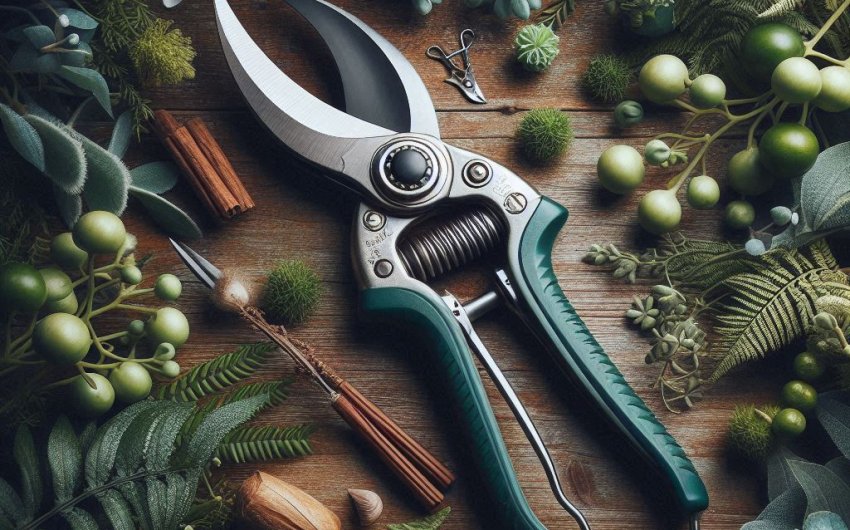
For anyone tending to a compact outdoor space, finding the best pruning shears for small gardens is crucial for precise plant care and maximizing your green haven. Unlike large landscapes that might require heavy-duty loppers or pruners, smaller gardens often demand tools that offer exceptional control, comfort, and the ability to make delicate cuts in tight spaces. Choosing the right pair of pruning shears ensures your plants remain healthy, shapely, and vibrant, making every trimming task a breeze rather than a chore.
Why Are Specific Pruning Shears Important for Small Gardens?
While any pruning shear can cut, specialized shears designed for small gardens offer distinct advantages that make them superior for detailed work.
- Precision and Control:
- Small Blades: Smaller shears typically have shorter, more precise blades. This allows you to make clean, accurate cuts on delicate stems, flowers, or in crowded areas without damaging surrounding foliage.
- Fine-Tuning: Essential for shaping miniature plants, deadheading spent blooms, or harvesting herbs with finesse.
- Maneuverability in Tight Spaces:
- Compact Design: Small garden shears are often more compact and lightweight, making them easy to maneuver between tightly packed plants, within dense shrubs, or around intricate arrangements in containers or raised beds.
- Access: Larger tools can be clumsy and ineffective in confined areas.
- Reduced Hand Fatigue:
- Ergonomics: Many shears for small gardens are designed with smaller hands in mind or feature ergonomic handles that reduce strain during repetitive tasks.
- Lightweight: Their lighter weight makes them easier to handle for extended periods, reducing fatigue.
- Versatility:
- While specialized for small tasks, many can still handle surprisingly tough cuts, offering a good all-around tool for typical small garden needs.
- Ideal for harvesting vegetables, trimming houseplants, or snipping flowers for arrangements.
What Are the Main Types of Pruning Shears and Which are Best for Small Gardens?
Understanding the basic types of pruning shears helps you choose the most appropriate tool for your small garden tasks.
1. Bypass Pruners (Bypass Shears)
- How They Work: Feature two blades that "bypass" each other, much like a pair of scissors. One blade is sharp, and the other is a thicker, often slightly curved, unsharpened blade that acts as a hook to hold the branch.
- Cut Quality: Make very clean, precise cuts that promote healthy healing in plants.
- Best For:
- Live Green Stems: Ideal for cutting live branches, flowers, herbs, and tender stems up to about 3/4 inch thick (depending on shear size and strength).
- Delicate Cuts: Excellent for deadheading, light shaping, and pruning ornamental plants without crushing stems.
- Recommendation for Small Gardens: Bypass pruners are generally the best all-around choice for small gardens. Look for a compact, well-designed pair.
- Example: A popular choice is the Fiskars Bypass Pruner for general garden use.
2. Anvil Pruners (Anvil Shears)
- How They Work: Feature a single sharp blade that cuts down onto a flat "anvil" (a flat, often softer, metal or plastic surface).
- Cut Quality: Designed for crushing through dead or woody material. Can bruise or damage live stems.
- Best For:
- Dead Wood: Ideal for removing dead branches or very woody stems.
- Tougher Jobs: Can handle thicker, tougher material than bypass pruners.
- Recommendation for Small Gardens: Less frequently needed for typical small garden tasks. Only if you regularly prune tough, dead woody stems.
- Example: A Corona Anvil Pruner for heavy-duty deadwood cuts.
3. Snips / Shears / Harvest Scissors
- How They Work: Lighter-duty tools with very fine, sharp blades, often with spring action for quick cuts. Designed for delicate tasks.
- Cut Quality: Extremely precise, clean cuts.
- Best For:
- Deadheading: Removing spent flower blooms.
- Harvesting: Herbs, soft vegetables (e.g., peppers, green beans), and flowers.
- Detailed Shaping: For bonsai, delicate houseplants, or intricate small garden arrangements.
- Recommendation for Small Gardens: Highly recommended as a supplementary tool for very fine, detailed work where bypass pruners might be too bulky.
- Example: Fiskars Micro-Tip Pruning Snips are popular for precision.
4. Thinning Shears / Long-Nose Snips
- How They Work: Feature long, thin blades, sometimes curved, allowing reach into dense foliage without damaging surrounding stems.
- Cut Quality: Precise.
- Best For:
- Reaching: Getting into tight spots for pruning or harvesting.
- Deadheading: Reaching deep into rose bushes or dense perennials.
- Recommendation for Small Gardens: Useful for specific situations where reach is more important than sheer cutting power.
Summary for Small Gardens:
- Must-Have: A high-quality pair of bypass pruners.
- Highly Recommended Supplementary: A pair of snips/harvest scissors for fine detail work.
- Optional (for specific needs): Anvil pruners for dead wood, thinning shears for reach.
What Features Should I Look for in the Best Pruning Shears for My Small Garden?
Beyond the type of shear, several key features determine their effectiveness, comfort, and durability.
Blade Material and Sharpness:
Advertisement- High-Carbon Steel: Look for blades made from high-carbon steel. This material holds a sharp edge longer and is more durable.
- Rust Resistance: Blades might be chrome-plated or coated to resist rust, which is important for longevity.
- Sharpness: The blades should be razor-sharp out of the box. A sharp blade makes clean cuts, which is crucial for plant health and less effort for you.
- Replaceable Blades: Some higher-end models offer replaceable blades, extending the life of the tool.
Ergonomics and Comfort:
- Fit in Hand: The shears should feel comfortable and secure in your hand. For small garden tasks, often involving repetitive motions, this is vital. Consider size; some shears are designed for smaller hands.
- Grip Material: Handles should have a comfortable, non-slip grip, often made from rubberized or soft-touch materials.
- Spring Mechanism: A good spring (coil spring or wire spring) should provide smooth action and open the blades reliably, reducing hand strain.
- Revolving Handle (for heavy use): Some ergonomic pruners have a revolving lower handle that moves with your fingers as you cut, spreading pressure and reducing blisters. This is often found on Felco pruning shears.
Cutting Capacity and Durability:
- Max Cut Diameter: Check the maximum cutting diameter. Most bypass pruners for general use can handle up to 3/4 inch. If you expect thicker stems, opt for a more robust model.
- Sturdy Construction: The overall construction should feel solid, with no wobbling parts. Rivets or bolts should be strong.
- Made to Last: Invest in quality. A good pair of shears, well-maintained, will last for many years.
Locking Mechanism:
- Safety: A secure locking mechanism is essential for safety when not in use. It keeps the blades closed, preventing accidental cuts.
- Ease of Use: The lock should be easy to engage and disengage with one hand. Some common types include thumb locks, strap locks, or squeeze locks.
Sap Groove / Wire Cutting Notch (Optional but handy):
- Sap Groove: A groove in the blade that helps prevent sticky sap from gumming up the blades.
- Wire Cutting Notch: A small notch on the blade near the pivot point for cutting thin wires (like plant ties) without dulling the main blade.
Weight:
- For small gardens and frequent use, a lighter pair of shears will reduce hand fatigue.
What Are the Top Recommended Brands for Small Garden Pruning Shears?
Several brands consistently receive high marks for quality, durability, and ergonomic design, making them excellent choices for small gardens.
Felco:
- Reputation: Widely considered the gold standard for professional and serious amateur gardeners. Known for exceptional durability, precise cuts, and ergonomic design.
- Features: High-carbon steel blades, replaceable parts, comfortable grips. Often come in various sizes (e.g., Felco 6 for smaller hands, Felco 2 for general use).
- Pros: Incredible longevity, precision, superior ergonomics, all parts are replaceable.
- Cons: Higher price point.
Fiskars:
- Reputation: Popular for their good value, innovative designs, and widespread availability. Offers a range of pruning tools for different needs.
- Features: Often have comfortable, brightly colored handles, sharp blades, and various spring mechanisms. Their Fiskars bypass pruners are a reliable choice. Their Micro-Tip Snips are a favorite for detailed work.
- Pros: Affordable, widely available, good ergonomics for the price, decent durability.
- Cons: Not as robust or long-lasting as professional-grade tools like Felco, but excellent for typical home use.
Corona:
- Reputation: Another professional-grade brand known for robust, durable tools. Offers a wide selection of pruners.
- Features: Strong blades, comfortable grips. The Corona BP 3180 Bypass Pruner is a popular model.
- Pros: Durable, strong, good value for professional quality.
- Cons: Can be a bit heavier than some other options.
ARS:
- Reputation: Japanese brand highly regarded for precision, sharpness, and lightweight design. Often favored by professional florists and landscapers.
- Features: Very sharp, hard chrome-plated blades, ergonomic handles. Known for their light weight and precise cutting action.
- Pros: Exceptional sharpness, excellent precision, lightweight, good for repetitive cuts.
- Cons: Higher price point, might feel less robust than a Felco to some (though still very durable for their intended use).
Okatsune:
- Reputation: Another Japanese brand known for simple, robust, and incredibly sharp tools. Favored by those who appreciate minimalist design and superior cutting ability.
- Features: High-carbon steel blades, very simple locking mechanism, red and white handles.
- Pros: Unrivaled sharpness, simple and robust design, excellent cutting performance.
- Cons: Very basic design, no ergonomic padding, can rust if not properly cared for.
Recommendation: For a balance of performance and value, a Fiskars Bypass Pruner or Corona Bypass Pruner paired with a set of Fiskars Micro-Tip Snips will cover almost all the needs of a small garden. If you're looking for a lifelong investment and prioritize top-tier ergonomics and precision, Felco is an excellent choice.
How Do I Care for My Pruning Shears to Keep Them Sharp and Long-Lasting?
Even the best pruning shears won't perform optimally if not properly maintained. Good care ensures clean cuts and extends their lifespan.
Clean After Every Use:
- Remove Sap and Debris: Sap, dirt, and plant debris can gum up blades and lead to rust.
- Method: Wipe blades clean with a damp cloth immediately after each use. For sticky sap, use rubbing alcohol, turpentine, or a specialized sap remover for pruners. A stiff brush can help with stubborn grime.
- Why: Clean blades make cleaner cuts and prevent the spread of plant diseases.
Sharpen Regularly:
- Frequency: How often you sharpen depends on how much you use them and what you cut. For typical small garden use, sharpening once or twice a season is often sufficient. You'll know they need sharpening when cuts become ragged or require more effort.
- Tools: Use a pruning shear sharpener or a sharpening stone.
- Technique (Bypass): Only sharpen the beveled (angled) side of the bypass blade. Hold the sharpener at the same angle as the existing bevel. Gently file in one direction, away from the cutting edge. Do not sharpen the flat side of the blade, as this will affect its bypass action.
- Technique (Anvil): Sharpen only the beveled edge of the blade that cuts onto the anvil.
- Snips/Scissors: Often have very fine blades that may be harder to sharpen at home. Some prefer to replace them when dull.
- Why: Sharp blades make clean cuts that heal quickly, reducing stress on the plant and making pruning easier for you.
Lubricate Moving Parts:
- Frequency: After cleaning and sharpening, apply a few drops of light oil to the pivot point and spring mechanism.
- Oil Type: Use a general-purpose machine oil, mineral oil, or a specialized tool oil.
- Why: Lubrication keeps the blades moving smoothly, prevents rust on metal parts, and extends the life of the tool.
Store Properly:
- Dry Location: Store your pruning shears in a dry place, away from humidity, which can cause rust.
- Safe Spot: Use the locking mechanism to keep blades closed and store them safely out of reach of children. Hanging them on a pegboard or in a tool drawer is ideal.
Disinfect Between Plants (especially if disease suspected):
- Why: To prevent the spread of plant diseases (fungi, bacteria, viruses) from one plant to another.
- Method: After pruning a diseased plant, or between different types of plants, wipe the blades down with rubbing alcohol, a 10% bleach solution (rinse thoroughly afterwards to prevent rust), or a specialized disinfectant.
Tighten Loose Bolts:
- Periodically check the pivot bolt and other fasteners. If they are loose, tighten them carefully with the appropriate wrench or screwdriver. This ensures smooth operation and prevents play in the blades.
By investing in the best pruning shears for small gardens and committing to their proper care, you'll equip yourself with reliable tools that make precision cuts, promoting healthy plant growth and allowing you to fully enjoy the detailed work of nurturing your miniature oasis.