
How to Make Compost Faster at Home Naturally?
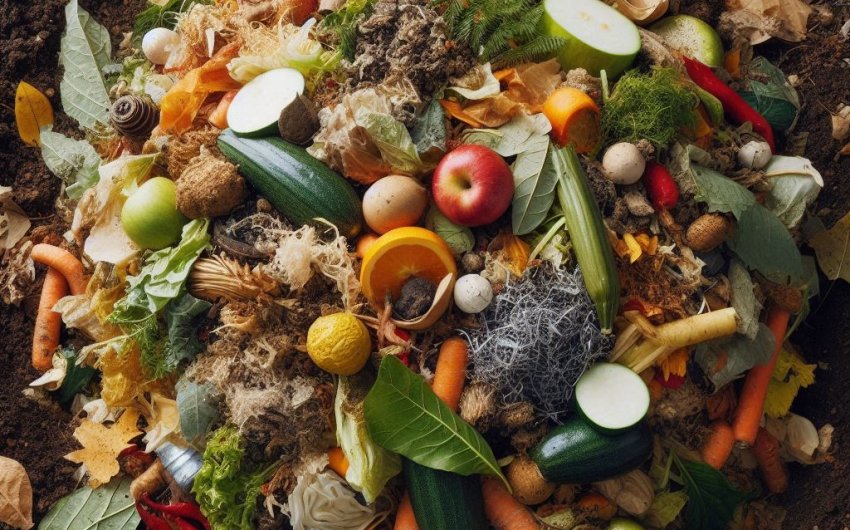
Accelerating the decomposition process is key to how to make compost faster at home naturally, transforming kitchen scraps and yard waste into nutrient-rich garden gold in a significantly shorter timeframe. While composting is inherently a natural process, strategic management of environmental factors and material composition can dramatically speed up microbial activity. By understanding and actively applying a few simple principles, you can unlock the full potential of your compost pile, yielding finished product more quickly for a thriving, sustainable garden.
What is "hot composting" and why does it speed up decomposition?
To truly understand how to make compost faster at home naturally, it's essential to grasp the concept of "hot composting." Unlike passive, slow composting where materials break down gradually over many months or even a year, hot composting is an active, managed process designed to speed up decomposition significantly, often yielding finished compost in a matter of weeks or a few months.
The Role of Microbes
At the heart of all composting are microorganisms – primarily bacteria and fungi. These tiny decomposers eat the organic materials in your compost pile, breaking them down into simpler compounds. Hot composting creates the ideal environment for these microbes to work at their most efficient, super-fast rate.
Key Factors for Hot Composting:
Hot composting specifically optimizes four key factors to create a rapid decomposition environment:
- Carbon-to-Nitrogen Ratio (C:N Ratio):
- The Fuel: Microbes need a balanced "diet" of both carbon (for energy) and nitrogen (for building their bodies and enzymes).
- Ideal Ratio: The sweet spot for hot composting is a C:N ratio of approximately 25-30 parts carbon to 1 part nitrogen by weight. This is often achieved with a mixture of roughly 2-3 parts "brown" (carbon-rich) materials to 1 part "green" (nitrogen-rich) materials by volume.
- Impact: If the ratio is too high in carbon (too many browns), decomposition slows down. If too high in nitrogen (too many greens), the pile can become smelly and dense.
- Moisture:
- Essential for Life: Microbes, like all living things, need water to thrive and move around.
- Ideal Consistency: The compost pile should feel consistently moist, like a wrung-out sponge. Not dripping wet, but not dry and dusty.
- Impact: Too dry, microbial activity slows or stops. Too wet, oxygen is excluded, leading to anaerobic (smelly, slow) decomposition.
- Aeration (Oxygen):
- Aerobic Process: Hot composting is an aerobic process, meaning the microbes doing the work require oxygen.
- Ideal Condition: The compost pile needs sufficient airflow throughout to supply oxygen.
- Impact: Lack of oxygen leads to anaerobic decomposition, which is very slow and produces foul, rotten egg or ammonia-like smells.
- Particle Size:
- Surface Area: Microbes work on the surface of organic materials. The smaller the particles, the more surface area is exposed, allowing microbes to break them down faster.
- Ideal Size: Aim for materials chopped or shredded into 1/2 to 2-inch pieces.
- Impact: Larger pieces take much longer to break down.
- Volume (Critical Mass):
- Heat Generation: For a compost pile to truly "heat up," it needs to be large enough to generate and retain heat produced by microbial activity.
- Ideal Size: A minimum size of about 3x3x3 feet (1 cubic yard) is often recommended to achieve and maintain internal temperatures for hot composting. Smaller piles tend to be "cold" composters.
How Heat is Generated:
When all five of these factors are optimized, the microbial activity becomes so intense that it generates significant heat. The internal temperature of a hot compost pile can reach 120°F to 160°F (49°C to 71°C).
- Benefits of Heat:
- Rapid Decomposition: High temperatures greatly accelerate the rate at which organic materials are broken down.
- Kills Pathogens: Temperatures above 130°F (54°C) sustained for several days can kill most weed seeds, harmful bacteria (like E. coli or Salmonella), and plant disease pathogens. This makes the finished compost safer for use in gardens.
- Speeds Curing: The heat drives off excess moisture and helps stabilize the finished compost.
By actively managing these factors, particularly by regularly turning the pile to re-aerate it, you maintain optimal conditions for those heat-loving (thermophilic) microorganisms, resulting in rapid decomposition and the fastest way to make compost at home naturally.
What are the best compost bin designs for faster composting?
The type of compost bin you choose plays a significant role in how quickly your compost breaks down. Certain designs are better suited for "hot composting" and active management, which are key to how to make compost faster at home naturally.
1. Tumbling Compost Bins
- Design: These are sealed, barrel-shaped or spherical bins mounted on a stand, allowing them to be easily rotated or "tumbled."
- Pros:
- Very Easy to Turn: The primary advantage. Turning the compost is as simple as rotating the barrel, making aeration effortless and frequent. This is crucial for hot composting.
- Contained: Fully enclosed, which helps deter pests (like rodents) and keeps the compost tidy.
- Retains Heat: The insulated design often helps retain heat, aiding the decomposition process.
- Good for Small Spaces: Compact and neat.
- Cons:
- Limited Volume: Most tumblers are relatively small, which can make it challenging to achieve the "critical mass" (3x3x3 feet) needed for sustained high temperatures. You often need to fill it all at once for optimal heat.
- Cost: Generally more expensive than basic bin designs.
- Less Flexible for Additions: Can be hard to add small amounts of material over time once the batch is "cooking."
- Best For: Gardeners who want fast compost, are willing to fill a batch all at once, and prioritize ease of turning and neatness.
- Compost Tumbler Dual Chamber (Dual chambers allow for one batch to decompose while filling another.)
2. Multi-Bay Systems (3-Bin System)
- Design: Typically consists of three connected bins or bays. Materials start in the first bay, are turned into the second as they decompose, and cure in the third.
- Pros:
- Ideal for Hot Composting: Provides ample space for achieving critical mass (often 3x3 feet per bay) and allows for systematic turning. You move the whole pile from one bay to the next.
- Continuous Process: Allows for a continuous composting cycle where you can add new materials while other batches are decomposing or curing.
- Good Aeration: Open sides (often slatted wood or wire mesh) promote good airflow.
- Scalable: Can be expanded or custom-built to larger sizes.
- Cons:
- Takes Up Space: Requires more footprint than single bins.
- Labor Intensive: Turning involves manual shoveling from one bay to the next.
- Open Access: Can be more accessible to pests if not well-managed or covered.
- Best For: Serious gardeners with ample space who generate a large volume of compostable material and are committed to regular, physical turning for the fastest results.
- You can build a DIY 3-bin compost system from wood pallets or wire mesh.
3. Wire Mesh or Pallet Bins
- Design: Simple, open-sided enclosures made from wire mesh, recycled wooden pallets, or other breathable materials.
- Pros:
- Inexpensive and Easy to Build: Often can be made from recycled materials.
- Excellent Aeration: The open sides provide superb airflow, crucial for aerobic decomposition.
- Flexible Volume: Can be made large enough to achieve critical mass.
- Easy to Turn (if removable sides): If constructed with removable sides or panels, turning can be made easier.
- Cons:
- Can Dry Out Faster: More exposed to the elements, so may require more frequent watering.
- Less Contained: Can look messier than enclosed bins, and material can spill out.
- Pest Access: More open to pests if not managed well or if food scraps aren't buried deeply.
- Best For: Gardeners with moderate space and material volume, who are budget-conscious and willing to turn manually.
4. Continuous Flow Bins (Closed-Top Plastic Bins)
- Design: Upright, often dark-colored plastic bins with a lid on top for adding materials and a small hatch at the bottom for harvesting finished compost.
- Pros:
- Contained and Tidy: Keeps compost neat and deters pests.
- Easy to Add Material: Simple to continuously add kitchen scraps and small amounts of yard waste.
- Good for Small Yards: Less obtrusive than open piles.
- Cons:
- Difficult to Turn/Aerate: Often hard to get enough oxygen throughout the pile, which can lead to slower, cooler, or anaerobic decomposition.
- Limited Heat Generation: Generally too small for true hot composting.
- "Continuous" is Slower: While you can add continuously, the material at the bottom often takes a long time to break down fully because it's not actively heated and turned.
- Best For: Casual composters who add small amounts of kitchen waste regularly and prioritize tidiness and pest deterrence over speed. Not ideal for making compost faster.
For making compost faster at home naturally, tumblers (especially dual-chamber) and multi-bay systems are generally the most effective due to their ability to facilitate proper aeration and larger volume for heat generation.
How do particle size and moisture impact composting speed?
Beyond the compost bin design, two of the most critical factors you can directly control to influence decomposition speed are particle size and moisture. Getting these right is fundamental to how to make compost faster at home naturally. They directly impact the efficiency of the microorganisms responsible for breaking down organic matter.
1. Particle Size: The Surface Area Principle
- The Idea: Microorganisms (bacteria, fungi) in your compost pile work on the surface of organic materials. The smaller the pieces of material, the more surface area is available for these microbes to colonize and break down, leading to significantly faster decomposition.
- Impact of Small Particles:
- Faster Breakdown: Think of it like chewing food: the more you chew (smaller pieces), the faster your body can digest it. Similarly, microbes can "eat" smaller compost materials much more quickly.
- Better Aeration: Smaller, irregularly shaped pieces can sometimes create more air pockets within the pile, improving airflow.
- More Uniform Compost: Results in a finer, more consistent finished product.
- Ideal Size: Aim for materials that are chopped, shredded, or torn into pieces roughly 1/2 inch to 2 inches in size. Larger chunks will simply take much longer to decompose.
- How to Achieve Smaller Particle Size:
- Chop Kitchen Scraps: Use a knife to chop larger fruit and vegetable scraps into smaller pieces before adding them to the compost bin.
- Shred Leaves: Run a lawn mower over fallen autumn leaves multiple times to shred them before adding to the pile. You can also use a dedicated leaf shredder.
- Tear Cardboard/Newspaper: Rip cardboard into small chunks and shred newspaper.
- Prune and Cut: Chop up garden prunings, spent plant stalks, and branches into small pieces using pruning shears or a chipper/shredder if you have one for larger volumes.
2. Moisture: The Lifeblood of Microbes
- The Idea: Microorganisms are living beings, and like all life, they require water to function, grow, and reproduce. Water also helps transport nutrients within the compost pile.
- Impact of Proper Moisture:
- Optimal Microbial Activity: Microbes are most active and efficient when moisture levels are just right.
- Faster Decomposition: Ensures the decomposition process proceeds at its fastest possible rate.
- Prevents Drying Out: A well-moistened pile prevents the outer layers from becoming dry and inactive.
- Ideal Consistency: The compost pile should be consistently moist, like a wrung-out sponge.
- If you squeeze a handful of compost material, a few drops of water should come out, but it shouldn't be dripping.
- Impact of Incorrect Moisture:
- Too Dry: Microbial activity slows down dramatically or stops entirely. Decomposition essentially ceases, turning your compost pile into a dry collection of organic waste.
- Too Wet (Waterlogged): Excess water fills all the air spaces, depriving aerobic microbes of essential oxygen. This leads to anaerobic decomposition, which is very slow, produces foul, rotten-egg smells (sulfur compounds), and results in a lower quality compost.
- How to Manage Moisture:
- Water as You Build: Water each layer as you add materials to the compost bin to ensure even moisture distribution.
- Regular Checks: Periodically check the moisture level of your compost pile (stick your hand in a few inches). This is especially important during dry spells or if your compost bin is exposed to sun and wind.
- Add Water: If the pile feels dry, add water using a garden hose with a spray nozzle or a watering can. Avoid drenching it all at once; add water gradually and turn the pile to distribute it.
- Add Dry Materials: If the pile becomes too wet, add some dry, carbon-rich materials (like shredded newspaper, dry leaves, or straw) and turn the pile to absorb excess moisture and reintroduce air.
By meticulously managing both the particle size of your compost ingredients and maintaining consistent, optimal moisture levels, you provide the perfect conditions for microbial activity, significantly accelerating the decomposition process and truly answering how to make compost faster at home naturally.
How do aeration and temperature management speed up compost?
For a compost pile to truly "cook" and deliver results quickly, proper aeration (oxygen supply) and diligent temperature management are absolutely crucial. These two factors work hand-in-hand to foster the ideal environment for the heat-loving microorganisms that drive rapid decomposition, making them core to how to make compost faster at home naturally.
1. Aeration: Supplying Oxygen to Microbes
- The Need for Oxygen: Hot composting is an aerobic process, meaning the beneficial bacteria and fungi that break down organic matter require plenty of oxygen to thrive and work efficiently. Without enough oxygen, different types of microbes (anaerobic) take over, resulting in a much slower process and the production of foul, unpleasant odors (like rotten eggs or ammonia).
- How Aeration Speeds Composting:
- Fuels Microbial Activity: Oxygen allows aerobic microbes to break down organic matter rapidly, generating heat as a byproduct.
- Prevents Odors: Ensures the composting process remains pleasant-smelling (earthy or no smell at all).
- Prevents Compaction: Regular aeration helps keep the compost pile loose and prevents materials from matting down and becoming dense.
- How to Achieve Optimal Aeration (Turning the Pile):
- Frequency: The most effective way to aerate a hot compost pile is by turning it regularly. For truly fast compost, aim to turn your pile every 2-3 days, or whenever the internal temperature begins to drop after reaching its peak.
- Method: Use a pitchfork or compost aerator tool to thoroughly mix the pile. Move material from the outside to the inside, and from the top to the bottom. This exposes new material to oxygen and helps distribute heat and moisture evenly.
- Compost Tumblers: If you have a compost tumbler, simply rotate it a few times every day or every few days.
- Pile Size: Building a compost pile to the recommended size (at least 3x3x3 feet) helps ensure there's enough mass for consistent internal heat and good airflow.
2. Temperature Management: The "Cooking" Process
- The Goal: The primary aim of hot composting is to achieve and maintain high internal temperatures, which accelerates microbial activity and can even kill weed seeds and pathogens.
- How Temperature Speeds Composting:
- Increased Microbial Metabolism: Just like a warmer oven cooks food faster, higher temperatures increase the metabolic rate of thermophilic (heat-loving) bacteria, causing them to break down organic materials much more quickly.
- Pathogen and Weed Seed Destruction: Sustained temperatures between 130°F and 160°F (54°C to 71°C), maintained for several days, are effective at killing most weed seeds, harmful bacteria (like E. coli or Salmonella), and plant disease spores. This results in safer, cleaner compost.
- Monitoring Temperature:
- Use a compost thermometer with a long stem (18-24 inches) to accurately measure the internal temperature of your pile. Insert it deep into the center.
- Optimal Range: Aim to keep the core temperature within the 130°F - 160°F (54°C - 71°C) range.
- Adjusting Temperature:
- If Too Low:
- Turn the pile: Reintroduces oxygen and boosts microbial activity.
- Add more "greens": If the C:N ratio is too high (too many browns), adding a fresh layer of nitrogen-rich material will provide more fuel for microbes.
- Add moisture: If too dry, water the pile to the "wrung-out sponge" consistency.
- Ensure critical mass: If your pile is too small, it may struggle to heat up.
- If Too High (over 160°F / 71°C):
- Turn the pile: This releases excess heat and reintroduces cooler air, preventing the pile from getting so hot that it kills beneficial microbes.
- Reduce "greens": If the temperature consistently runs too high, you might have too much nitrogen relative to carbon. Add more browns.
- If Too Low:
By diligently managing both the aeration through regular turning and monitoring/adjusting temperature, you create the dynamic, high-activity environment necessary to rapidly produce finished compost, fundamentally answering how to make compost faster at home naturally.
What accelerators and additives can speed up compost naturally?
While balancing carbon, nitrogen, moisture, and aeration are the core principles of rapid composting, certain natural accelerators and additives can give your compost pile an extra boost, helping to kickstart decomposition or enhance microbial activity. These additions can further speed up how to make compost faster at home naturally.
1. Finished Compost or Garden Soil (The "Starter Culture")
- What it is: A shovel-full of existing finished compost or even just a thin layer of healthy garden soil.
- How it works: These materials are teeming with the very microorganisms (bacteria, fungi) that break down organic matter. Adding them to a new compost pile acts as a starter culture or "inoculant," immediately introducing a diverse and active population of decomposers.
- Application: Sprinkle a layer of finished compost or soil between your green and brown layers as you build the pile, especially if you're starting a new batch.
- Benefits: Speeds up the initial heating phase and ensures a healthy microbial community from the start.
2. Nitrogen-Rich Activators (The "Fuel Boost")
If your carbon-to-nitrogen ratio leans too heavily towards browns, or you want a quick surge of microbial activity, adding specific nitrogen-rich materials can act as powerful accelerators.
- Fresh Green Grass Clippings:
- How it works: Highly rich in nitrogen and moisture, fresh grass clippings are excellent fuel for microbial activity.
- Application: Add thin layers (1-2 inches) of fresh clippings between brown layers. Avoid thick layers, which can become slimy and anaerobic.
- Aged Manure (from herbivores):
- How it works: A fantastic source of nitrogen and also introduces a wealth of beneficial microorganisms.
- Application: Add thin layers of well-aged manure (from cows, horses, chickens, rabbits) between brown layers. Ensure it's truly aged to prevent weed seeds and potential burning from fresh nitrogen.
- Blood Meal or Alfalfa Meal:
- How it works: Concentrated sources of nitrogen.
- Application: Sprinkle a small amount of blood meal fertilizer or alfalfa meal over layers of brown material, particularly if you're short on fresh greens.
- Caution: Use sparingly, as too much can create an ammonia smell or upset the C:N balance.
3. "Green" Kitchen Scraps
- What they are: Fruit and vegetable peels, coffee grounds (coffee grounds for compost), tea bags.
- How it works: Provide nitrogen and moisture, contributing to the "green" component. Coffee grounds, in particular, are slightly acidic and add valuable nutrients.
- Application: Bury these materials in the middle of the pile, under a thick layer of browns, to deter pests and control odors.
- Benefits: Constant supply of easily available green material.
4. Commercial Compost Activators (Optional)
- What they are: Bagged products that contain a mix of concentrated microorganisms, enzymes, and sometimes nutrients (like nitrogen) designed to speed up decomposition.
- How they work: They essentially provide a super-boost of decomposer microbes and/or extra nitrogen to jumpstart the process.
- Application: Sprinkle according to package directions as you build or turn your compost pile.
- Benefits: Can be helpful if you're struggling to get your pile to heat up, or if you're working with very carbon-heavy materials.
- Consideration: Often not strictly necessary if you maintain the correct C:N ratio, moisture, and aeration, but can be a convenient shortcut.
5. Water (Reiterated as an Activator)
- Crucial: While discussed under moisture, remember that simply adding water to a dry pile will activate microbial life, causing it to heat up and speed up. A bone-dry pile is essentially dormant.
Important Note on Additives: While these activators can speed things up, they are most effective when combined with the foundational principles of hot composting: a balanced C:N ratio, proper moisture, sufficient aeration (turning), and appropriate particle size. Adding activators to a poorly maintained pile won't solve underlying issues. They are "boosters," not magic fixes for fundamental imbalances.
By strategically using these natural accelerators and additives, you can further optimize your composting process, making a significant difference in how to make compost faster at home naturally and achieve usable compost more quickly for your garden.