
How to Grow Pumpkins in Small Spaces?
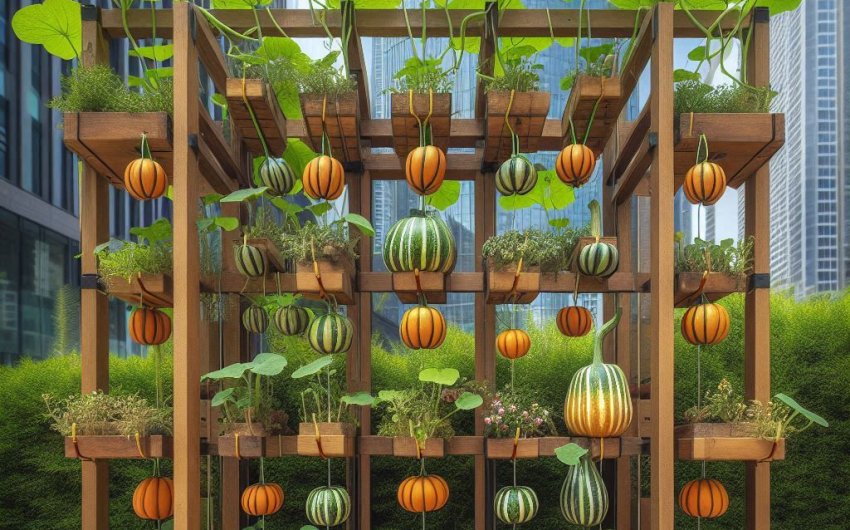
Cultivating your own vibrant orange gourds for fall decor or delicious pies is a classic autumn tradition, but for many, the sprawling nature of pumpkin vines seems incompatible with limited garden space. Fortunately, learning how to grow pumpkins in small spaces is entirely possible with smart planning and the right techniques. You don't need a sprawling farm to enjoy fresh, homegrown pumpkins; clever container choices, vertical support, and specific variety selection can transform even a tiny patio or balcony into a productive pumpkin patch. This comprehensive guide will show you exactly how to achieve a bountiful harvest, no matter how limited your growing area.
Why grow pumpkins in small spaces?
The idea of growing pumpkins often conjures images of vast fields, but compact gardening solutions make it accessible to urban dwellers, apartment residents, or anyone with limited yard space. It's a fun and rewarding challenge.
What are the benefits of growing pumpkins in confined areas?
- Space Optimization: Even a balcony or small patio can yield pumpkins when vertical growing or container methods are employed.
- Freshness: Enjoy the unparalleled taste of freshly harvested pumpkins, free from grocery store limitations.
- Educational for Kids: A great project for families to teach children about gardening and food cycles.
- Decorative Element: Mini pumpkins or unique varieties can add seasonal charm to your small outdoor living area.
- Personal Satisfaction: The pride of growing your own pumpkins, regardless of space, is immensely satisfying.
What pumpkin varieties are best for small spaces?
Not all pumpkins are created equal when it comes to space efficiency. The key to successful small-space pumpkin growing is selecting compact or vining varieties that are easier to manage.
What are compact and vining pumpkin options?
- Bush Varieties: These pumpkins grow on compact, bushy plants that don't produce long vines. They are perfect for containers or small raised beds.
- 'Bushkin': A popular choice for small spaces, producing medium-sized, traditional orange pumpkins.
- 'Baby Bear': Produces small (1-2 lb) pumpkins, great for tabletop decorations or single servings.
- 'Spooktacular': Another bush variety yielding traditional carving-sized pumpkins.
- Miniature Vining Varieties: While they still vine, these produce very small pumpkins and their vines are more manageable, especially with vertical support.
- 'Jack Be Little': Tiny, adorable pumpkins, perfect for individual decorations. Vines are less aggressive.
- 'Munchkin': Similar to 'Jack Be Little', very small and easy to grow.
- 'Baby Boo': White miniature pumpkins, great for contrasting displays.
- Small to Medium Vining Varieties (Suitable for Trellising): These are traditional vining types but produce smaller to medium-sized fruit, making them more manageable for vertical growing.
- 'Sugar Pie' (or 'New England Pie'): Classic pie pumpkin, produces 5-7 lb fruit on relatively strong vines that can be trellised.
- 'Small Sugar': Another excellent pie pumpkin, similar in size to 'Sugar Pie'.
- 'Connecticut Field' (for ambitious growers): While it's a larger vining pumpkin, with strong support, some determined gardeners manage to grow one or two.
When purchasing seeds, look for labels like "bush type," "compact," or specific miniature variety names. You can find small pumpkin seeds from various online retailers.
What is the ideal growing setup for pumpkins in containers?
Container growing is the go-to method for growing pumpkins in limited areas. Choosing the right pot size and material is crucial for healthy growth and fruit development.
What container types and sizes work best?
- Size Matters: Pumpkins are heavy feeders and drinkers. Even bush varieties need substantial root room.
- Minimum 15-20 gallon container per plant: This is for bush varieties or miniature vining types.
- Larger (25+ gallon) for Small to Medium Vining Varieties: If you plan to trellis a 'Sugar Pie' type, aim for the biggest container you can manage.
- Examples: Large grow bags, plastic whiskey barrels, or large terra cotta pots.
- Material:
- Plastic/Resin: Retains moisture well, lightweight, often affordable. Can heat up in direct sun.
- Fabric Grow Bags: Excellent for aeration and drainage, preventing root circling. They dry out faster than plastic.
- Terra Cotta/Ceramic: Attractive, but porous and dry out very quickly, requiring more frequent watering.
- Wooden Planters: Offer good insulation but can rot over time.
- Drainage Holes: Absolutely critical. Ensure your chosen container has ample drainage holes to prevent waterlogging. Adding a layer of drainage gravel at the bottom is not necessary; good drainage holes and proper soil mix are enough.
What soil and sunlight do pumpkins need in small spaces?
Even in containers, pumpkins are heavy feeders that demand rich, well-draining soil and plenty of sun to produce fruit.
What are ideal soil and light conditions?
- Sunlight: Pumpkins need full sun, meaning at least 6-8 hours of direct sunlight per day. More sun generally leads to more fruit. Choose the sunniest spot on your patio or balcony.
- Soil Mix: Don't use garden soil; it's too dense for containers. Use a high-quality, rich potting mix for vegetables amended with plenty of organic compost.
How do you plant pumpkins in containers?
Planting pumpkins correctly sets the stage for healthy growth and a good harvest.
What are the planting steps?
- Timing: Plant pumpkin seeds or seedlings outdoors only after all danger of frost has passed and soil temperatures have warmed to at least 65°F (18°C). Pumpkins love warmth.
- Seed vs. Seedling:
- Seeds: Plant 2-3 seeds per container about 1 inch deep. Once they germinate and develop a few true leaves, thin to the strongest single seedling.
- Seedlings/Starts: If buying starts, plant one healthy seedling per container.
- Water In: Water thoroughly after planting to settle the soil around the seeds or roots.
- Initial Fertilization: Mix a balanced, slow-release granular fertilizer into the soil at planting time, or use a diluted liquid fertilizer. A vegetable garden fertilizer is a good choice.
How do you provide vertical support for pumpkins in small spaces?
Vertical growing is a game-changer for growing pumpkins in containers, especially for vining varieties. It saves precious horizontal space and can also keep fruit off the ground.
What vertical support systems work best?
- Sturdy Trellis: This is the most common method. Choose a strong garden trellis made of metal or thick wood that can support the weight of mature vines and fruit.
- Types: A-frame trellises, obelisk trellises, or sturdy netting attached to a wall.
- Arbors/Pergolas: If you have an existing structure, direct vines up and over it.
- Cages: Similar to tomato cages, but larger and sturdier. A heavy duty tomato cage might work for bush types or very small vines.
- Support for Fruit: As pumpkins grow larger on a trellis, they will need individual support to prevent the vine from breaking.
- Slings: Create slings out of old pantyhose, cheesecloth, or mesh produce bags. Tie the sling to the trellis above the pumpkin, cradling the fruit. Ensure the sling supports the pumpkin's weight.
- Hammocks: Small plant hammocks specifically designed for fruit support are also available.
Train the vines gently onto the trellis as they grow, using garden ties or clips if needed.
What watering and feeding practices are essential for container pumpkins?
Container-grown pumpkins, even those in large pots, will dry out much faster than in-ground plants. They also need consistent nutrition.
What are watering and feeding strategies?
- Consistent Watering: Pumpkins are thirsty. Water deeply and regularly, especially once flowers and fruits start to form. The soil should be consistently moist but never soggy. In hot weather, this might mean daily watering. Use a moisture meter to check.
- Water at the Base: Water the soil directly, avoiding wetting the foliage, which can encourage fungal diseases. A watering can with a long spout helps.
- Mulch: Apply a 2-3 inch layer of organic mulch (like straw or shredded leaves) to the soil surface in the container. This helps retain moisture, keeps soil temperatures consistent, and suppresses weeds.
- Fertilization Schedule: Pumpkins are heavy feeders.
- Early Growth (Vining/Bush Development): Use a balanced liquid fertilizer or a fertilizer slightly higher in nitrogen every 2-3 weeks.
- Flowering and Fruiting: Once flowers and fruits appear, switch to a fertilizer higher in phosphorus and potassium to encourage blooming and fruit development. A tomato and vegetable fertilizer often works well.
- Foliar Feeds: Consider occasional foliar feeds (spraying diluted liquid fertilizer directly onto leaves) for a quick boost.
- Always follow fertilizer package directions.
How do you pollinate and prune pumpkins for best results?
Even when you grow pumpkins in small spaces, proper pollination and strategic pruning are vital for maximizing your harvest.
What are pollination and pruning techniques?
- Pollination (Crucial for Containers): Pumpkins have separate male and female flowers. Bees usually do the job, but in small, enclosed spaces, or if natural pollinators are scarce, you might need to hand-pollinate.
- Identify Flowers: Male flowers typically appear first, on a slender stem. Female flowers have a tiny swollen "baby pumpkin" at their base.
- Hand-Pollinate: In the morning, when flowers are open, gently pluck a fresh male flower. Remove its petals to expose the stamen (pollen-covered center). Dab the pollen onto the stigma (the sticky center) of a fresh female flower. Repeat daily.
- Pruning for Space Management: Pruning helps manage vine growth and directs energy to fruit production.
- Limit Fruit Set: For smaller spaces, it's best to aim for 1-2 (for small-medium varieties) or 2-4 (for miniature varieties) healthy pumpkins per plant. Remove excess female flowers or small fruit to direct energy to the remaining ones.
- Vine Pruning: For vining types on a trellis, once 1-2 pumpkins have set and begun to grow, you can "pinch" back the main vine about 1-2 leaves past the last desired fruit. This stops further vine growth and focuses energy. Side shoots can also be pruned. For bush varieties, pruning is generally less necessary, unless a vine becomes unruly.
How do you protect and harvest pumpkins in confined areas?
Protecting your maturing pumpkins and knowing when to harvest them ensures a successful and enjoyable end to your growing season.
What are harvesting and protection tips?
- Protection from Ground (if not trellised): If any pumpkins are resting on the container soil, place a piece of cardboard, straw, or a tile underneath them. This prevents rot and keeps pests away.
- Pest and Disease Management: Monitor plants regularly for common pumpkin pests (squash bugs, squash vine borers, cucumber beetles) and diseases (powdery mildew). In small spaces, hand-picking pests is often effective. For powdery mildew, ensure good air circulation and consider an organic fungicide.
- Support Heavy Fruit: As mentioned earlier, use slings or hammocks to support pumpkins growing on trellises.
- Harvesting Time: Pumpkins are ready to harvest when:
- Their color is deep and uniform (bright orange for most varieties).
- The skin is hard and resistant to scratching with a fingernail.
- The stem starts to dry and harden.
- The vine may begin to die back.
- Harvesting Technique: Use a sharp knife or pruning shears to cut the pumpkin from the vine, leaving a 2-4 inch stem attached. Do not carry the pumpkin by its stem, as this can cause it to break off and reduce storage life.
By following these tailored steps, you can confidently embark on how to grow pumpkins in small spaces, celebrating your very own homegrown harvest right on your balcony or patio.