
How to Make a Raised Garden Bed with Cinder Blocks?
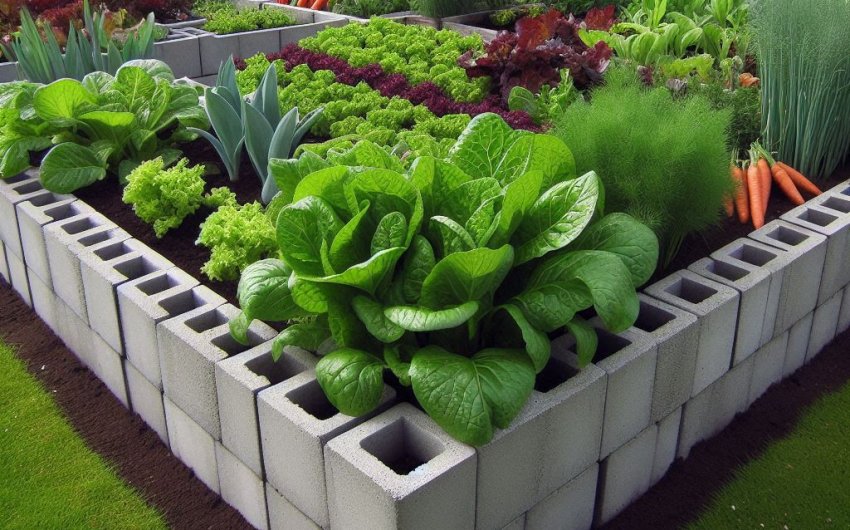
For aspiring and experienced gardeners alike, raised garden beds offer a plethora of advantages, from better drainage to easier access and extended growing seasons. While various materials can be used for their construction, cinder blocks stand out as an incredibly practical, durable, and cost-effective option. If you're looking for a straightforward, sturdy solution and asking, "How to make a raised garden bed with cinder blocks?" you've chosen a method that combines simplicity with longevity. This guide will walk you through every step of planning, constructing, and filling your cinder block raised bed, empowering you to create a thriving gardening space with minimal fuss.
Why Choose Cinder Blocks for Your Raised Garden Bed?
Cinder blocks, also known as concrete blocks, are a surprisingly versatile and beneficial material for constructing raised garden beds, especially for those seeking durability and ease of assembly.
What are the Advantages of Using Cinder Blocks?
The pragmatic benefits of cinder blocks make them a popular choice for many gardeners.
- Durability and Longevity: Cinder blocks are made of concrete, meaning they are incredibly strong, weather-resistant, and will not rot, warp, or decompose like wood. A cinder block garden bed can last for decades with minimal maintenance.
- Cost-Effectiveness: Compared to many other building materials, such as treated lumber, stone, or specialized raised bed kits, cinder blocks are generally very affordable, making them a budget-friendly option for larger beds.
- Easy to Assemble: No special carpentry skills, power tools, or complex joinery are required. Blocks can simply be stacked, making it a beginner-friendly DIY project.
- Pest Barrier: The solid walls of cinder blocks can provide a more effective barrier against burrowing pests like voles or gophers, especially if lined with hardware cloth at the base.
- Built-in Planting Pockets: The hollow cores of the blocks offer natural planting pockets. These can be filled with soil to grow herbs, small flowers, or even provide additional planting space for vegetables, maximizing your garden's output.
- Heat Retention: Concrete absorbs and retains solar heat, slowly releasing it back into the soil, which can help warm the soil earlier in spring and keep it warmer later into fall, potentially extending your growing season.
Are There Any Concerns with Cinder Blocks in Gardens?
While largely safe, it's important to address potential considerations.
- Leaching Concerns (Minor): Older cinder blocks might have been made with fly ash, which can contain trace amounts of heavy metals. However, modern concrete blocks (especially those readily available for purchase today) are typically made with inert materials like portland cement, aggregate, and water. Studies have shown minimal to no significant leaching of harmful substances into garden soil. If you're concerned, you can line the inside of the bed with heavy-duty plastic sheeting (like pond liner) before adding soil.
- Aesthetics: Some gardeners might find the industrial look of plain cinder blocks less appealing than wood or natural stone. However, they can be painted or covered with stucco for a more finished look.
- Weight: Cinder blocks are heavy, so ensure you can safely lift and transport them. Consider having help or using a hand truck.
How Do You Plan Your Cinder Block Raised Garden Bed?
Thoughtful planning saves time and effort during construction and ensures your garden bed meets your needs.
1. What is the Best Location for Your Raised Bed?
- Sunlight: Most vegetables and many flowers need full sun (at least 6-8 hours of direct sunlight per day). Choose a spot that receives ample sunlight throughout the growing season.
- Drainage: While raised beds inherently improve drainage, choose a relatively well-drained spot to prevent water from pooling around the base.
- Accessibility: Place the bed in a location that's easy to access for planting, watering, weeding, and harvesting. Ensure you can reach the center of the bed from the sides (usually a maximum width of 4 feet if accessing from both sides, or 2 feet if accessing from one side).
- Level Ground: While cinder blocks can tolerate minor unevenness, starting with as level a spot as possible will make construction much easier. Use a level tool to check your site.
- Water Source: Locate your bed near a convenient water source.
2. What Size and Shape Should Your Bed Be?
Cinder blocks come in standard dimensions (typically 8x8x16 inches, but check your local supplier). Plan your dimensions based on these.
- Length and Width: Decide on the desired length and width. Remember that each block is usually 16 inches long.
- Common Dimensions: 4 feet wide by 8 feet long (using 3 blocks per side for a single layer). This size is excellent for accessibility.
- Height: Decide on the number of layers (courses) of blocks. One layer (8 inches high) is good for drainage. Two layers (16 inches high) provide more depth for root crops and significantly reduce bending.
- Quantity of Blocks: Calculate how many blocks you'll need.
- Example: For a 4 ft x 8 ft bed, one layer high:
- Each 8 ft side needs 6 blocks (96 inches / 16 inches per block = 6).
- Each 4 ft side needs 3 blocks (48 inches / 16 inches per block = 3).
- Total blocks for one layer = (6 * 2) + (3 * 2) = 12 + 6 = 18 blocks.
- If building two layers high, you'd need 36 blocks.
- Don't forget corner overlap if staggering. It's always wise to buy a few extra just in case.
- Example: For a 4 ft x 8 ft bed, one layer high:
3. What Other Materials and Tools Will You Need?
Gathering everything beforehand makes the process smooth.
- Cinder Blocks: Purchase standard concrete blocks.
- Shovel: For excavating and leveling.
- Rake: For leveling.
- Garden Hose/Water Source: For initial watering.
- Measuring Tape: For accurate dimensions.
- String and Stakes: To mark out your bed perimeter.
- Level: A long spirit level is ideal for ensuring level courses.
- Rubber Mallet (Optional): For gently tapping blocks into place.
- Gloves: For protection.
- Barrier Material (Optional but Recommended):
- Cardboard: For weed suppression at the bottom.
- Hardware Cloth: If gophers or voles are an issue. A roll of hardware cloth mesh (1/4 or 1/2 inch mesh).
- Filling Materials:
- Good Quality Potting Mix/Raised Bed Mix: Essential for optimal plant growth. Look for specialized raised bed soil mix or create your own blend.
- Compost: Ample amounts of well-rotted compost or aged manure.
How Do You Construct Your Cinder Block Raised Garden Bed?
The construction process is straightforward and can be completed in a single afternoon for most standard-sized beds.
Step-by-Step Construction Guide:
- Prepare the Site:
- Mark the Perimeter: Use stakes and string to clearly mark the outline of your chosen bed dimensions.
- Clear the Area: Remove any grass, weeds, or debris from within the marked area.
- Level the Ground: This is the most critical step for stability. Using a shovel, level the ground where the first course of blocks will sit. A long level is invaluable here. Even slight unevenness will be magnified as you stack.
- Lay the First Course (Foundation):
- Place Corner Blocks: Start by placing one cinder block at each corner of your marked perimeter. Ensure they are perfectly level.
- Fill in Sides: Continue laying blocks along each side, end-to-end, fitting them tightly. Check level periodically.
- Ensure Levelness: Use your level across the tops of the blocks in all directions (side-to-side and end-to-end) to ensure the first course is perfectly flat. This ensures a stable base for subsequent layers.
- Add Subsequent Courses (If Desired):
- Stagger Blocks: For increased stability, stack the second course of blocks (and any subsequent courses) in a staggered pattern (like bricklaying). This means the vertical joints of one layer are covered by the solid part of the blocks above and below it.
- Placement: Place each block so its ends overlap the blocks beneath it, creating a strong interlock.
- Check Level: Continuously check for levelness as you add each course, adjusting as needed.
- Install Barrier (Optional but Recommended):
- Weed Barrier: Lay down a layer of flattened cardboard or several layers of newspaper at the bottom of the bed. This will suppress weeds but eventually break down, adding organic matter.
- Pest Barrier: If voles or gophers are an issue, lay a layer of hardware cloth mesh across the entire bottom of the bed before adding soil. Bend the edges up slightly against the inside walls of the blocks to prevent burrowing.
How Do You Fill and Plant Your Cinder Block Raised Bed?
The type of soil you use is paramount for plant health, especially in a contained environment like a raised bed.
1. What is the Best Soil Mix for Raised Beds?
Do NOT use heavy garden soil, which can compact and drain poorly in a raised bed. A custom blend is ideal.
- Optimal Mix (General Purpose): A good all-purpose mix for most vegetables and flowers is:
- 60% High-Quality Raised Bed Soil Mix: Look for bags specifically labeled for raised beds or container gardening.
- 30% Organic Compost: Well-rotted compost or aged manure provides essential nutrients, improves soil structure, and encourages beneficial microbial life.
- 10% Perlite or Vermiculite (Optional but Recommended): Improves drainage and aeration, especially if your base soil mix is heavy. A bag of horticultural perlite can go a long way.
- Filling Layers (Optional, for bulk/drainage): For very deep beds, you can add a base layer of coarser organic materials that will decompose slowly at the very bottom (e.g., small untreated logs, wood chips, fallen leaves, old straw). This reduces the amount of expensive potting mix needed. Ensure it's organic material that will break down.
- Filling the Cores: Don't forget the hollow cores of the blocks! Fill these with the same high-quality soil mix. These make excellent planting pockets for herbs, strawberries, marigolds (to deter pests), or small flowers.
2. How Do You Plant in a Cinder Block Raised Bed?
- Planting: Once filled, your raised bed is ready for planting! Follow recommended spacing for your plants, but remember that raised beds often allow for slightly denser planting due to improved soil conditions.
- Initial Watering: Water the newly filled bed thoroughly to settle the soil before planting seeds or transplants.
How Do You Maintain a Cinder Block Raised Bed?
Maintaining your cinder block garden bed is similar to any other garden, but with a few unique considerations.
1. What are the Watering Needs?
- More Frequent Watering: Raised beds, especially those built higher and with excellent drainage, tend to dry out faster than in-ground gardens. Monitor soil moisture closely.
- Deep Watering: Water deeply and consistently, especially during hot, dry periods. Drip irrigation or soaker hoses are efficient.
2. How Do You Fertilize and Manage Nutrients?
- Replenish Annually: Since nutrients can leach out of raised beds over time, replenish annually by top-dressing with 1-2 inches of fresh compost in spring.
- Targeted Fertilization: Use specific vegetable garden fertilizer only if a soil test indicates a deficiency or for heavy-feeding plants.
3. What About Weed Control?
- Less Weeds: Raised beds generally have fewer weeds than in-ground gardens due to less compacted soil and the initial weed barrier.
- Mulch: Apply a 2-4 inch layer of organic mulch (straw, shredded leaves, wood chips) to further suppress weeds, conserve moisture, and regulate soil temperature.
4. How Do You Address Temperature Regulation?
- Warming in Spring: The heat-retaining properties of cinder blocks are beneficial for warming the soil in spring, giving you a head start.
- Cooling in Summer: In very hot climates, the blocks can get quite hot. Mulch helps mitigate this. You might also consider strategic shading for sensitive plants during peak heat.
5. What About Overwintering?
- Drainage: The excellent drainage of cinder block beds typically prevents waterlogged soil in winter, which is beneficial for perennial plants.
- Protection: In very cold climates, sensitive perennials might still benefit from extra mulching or covering for insulation.
A raised garden bed with cinder blocks offers a fantastic, practical solution for gardeners of all levels. By following these steps for planning, construction, and care, you can quickly build a durable, productive, and beautiful gardening space that serves your needs for years to come.