
How to Create a Fire-Safe Landscape Around Your Home?
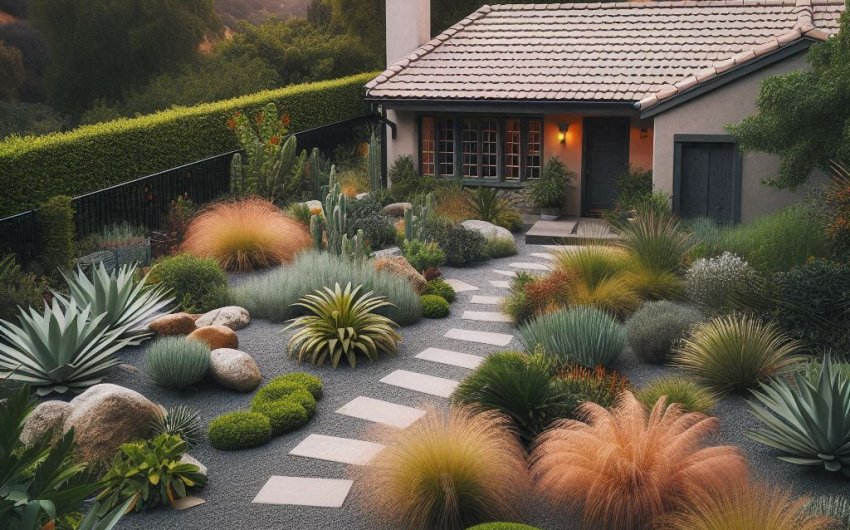
Developing a fire-safe landscape around your home is a proactive and critical step, particularly if you reside in an area prone to wildfires. This strategic approach, often referred to as defensible space landscaping, focuses on modifying vegetation and materials to reduce a property's vulnerability to wildfire ignition and spread. By carefully selecting fire-resistant plants, maintaining clear zones, and implementing smart design principles, you can significantly enhance your home's protection, creating a buffer that slows or even stops the advance of flames. This comprehensive guide will outline the essential elements and practical steps to design and maintain a landscape that prioritizes safety while remaining aesthetically pleasing.
Why is a fire-safe landscape important?
The increasing frequency and intensity of wildfires underscore the importance of creating a fire-safe landscape around your home. This type of landscaping isn't just about protecting property; it's about safeguarding lives and enabling firefighters to work more effectively.
How does defensible space help?
- Reduces fuel: Minimizes the amount of combustible material near your home, preventing fire from spreading directly to the structure.
- Slows fire spread: Creates zones where fire intensity is reduced, giving firefighters more time and safer conditions to defend your property.
- Lowers ember risk: Embers, carried by wind, are a primary cause of home ignition during wildfires. A well-designed landscape reduces surfaces where embers can land and ignite.
- Increases survival chances: Homes with effective defensible space have a significantly higher chance of surviving a wildfire.
What are the main threats from wildfires?
Understanding how wildfires spread helps in designing an effective fire-safe landscape.
- Direct flame contact: When flames directly touch a structure.
- Radiant heat: Intense heat that radiates from a fire, igniting materials even without direct flame contact.
- Embers (firebrands): Small, burning bits of material carried by wind, which can travel long distances and ignite homes or vegetation far from the main fire front. This is the most common cause of home ignition during wildfires.
What are the key defensible space zones?
Creating a fire-safe landscape revolves around establishing and maintaining specific zones around your home, each with different guidelines for vegetation and materials. These zones are designed to progressively reduce fire intensity as it approaches the structure.
Zone 0: The Immediate Zone (0-5 feet from home)
This is the most critical zone and requires the strictest controls.
- Purpose: To prevent fire from directly touching your home or igniting materials on or near it.
- Vegetation:
- Keep it clean and green: No combustible vegetation allowed, living or dead.
- No plants directly under windows or near vents.
- Remove all dead leaves, pine needles, and debris.
- Materials:
- Use non-combustible materials for landscaping within this zone.
- Hardscaping: Gravel, concrete pavers, brick, or rock mulch are ideal.
- Avoid bark mulch, especially fine or shredded types, as it can ignite easily. If mulch is used, opt for large, coarse wood chips or rock mulch.
- Ensure all gutters are clear of debris.
- Keep firewood, propane tanks, and other highly combustible items out of this zone.
Zone 1: The Intermediate Zone (5-30 feet from home)
This zone aims to create a lean, clean, and green buffer that slows fire spread.
- Purpose: To reduce the intensity of flames and embers before they reach your home.
- Vegetation:
- Space plants strategically: Avoid continuous "ladder fuels" (vegetation that allows fire to climb from the ground to higher fuels like trees or the house).
- Limit continuous patches of shrubs. Break them up with non-combustible areas.
- Trees: Keep trees pruned. Lower branches should be removed up to 6-10 feet from the ground or 1/3 of the tree's height, whichever is less.
- Ground covers: Opt for low-growing, succulent plants that stay green with minimal water.
- Minimize dry vegetation: Regularly remove dead branches, dry grasses, and fallen leaves.
- Materials:
- Use fire-resistant plants here.
- Consider creating small islands of vegetation separated by hardscaping or rock mulch.
- If using mulch, coarse, composted wood chips or rock are preferred over highly combustible bark.
Zone 2: The Extended Zone (30-100 feet from home or property line)
This zone further reduces the intensity and spread of fire, creating a safe working area for firefighters.
- Purpose: To interrupt the path of wildfire and provide an area where flames can be significantly diminished.
- Vegetation:
- Reduce fuel density: Thin out dense stands of trees and shrubs.
- Maintain vertical and horizontal spacing: Ensure adequate space between trees and between trees and shrubs.
- Remove dead or dying trees and shrubs.
- Grasses: Mow tall grasses to 4 inches or less, especially during dry seasons.
- Materials:
- Focus on reducing overall fuel load.
- Use fire-resistant plants if planting new vegetation.
- Consider creating fuel breaks with driveways, walkways, or areas of irrigated lawn.
How do you choose fire-resistant plants?
Plant selection is a cornerstone of a fire-safe landscape. While no plant is entirely "fire-proof," some are far more resistant to ignition and spread than others.
What characteristics make a plant fire-resistant?
- Low moisture content: Plants that retain water in their leaves and stems throughout the year are less likely to ignite.
- Non-resinous/non-oily foliage: Plants with high resin or oil content (like many conifers) are highly flammable.
- Minimal dead material: Plants that don't accumulate a lot of dead leaves, needles, or twigs, or self-prune easily.
- Compact growth habit: Less bushy and dense, allowing for better air circulation and reducing fuel load.
- Low volatile chemical content: Plants that don't give off flammable vapors when heated.
What are examples of fire-resistant plants?
This table provides general examples. Always check with your local extension office or fire department for native, fire-resistant plants specific to your region.
| Category | Fire-Resistant Plant Examples | Notes |
|---|---|---|
| Trees | Deciduous trees (oak, maple, aspen), fruit trees, certain hardwoods like sycamore | Lose leaves in winter, less fuel when dry. Requires proper pruning. |
| Shrubs | Rose, lilac, common privet, current, boxwood, euonymus, mock orange | Many deciduous shrubs retain moisture. |
| Perennials | Aloe, sedum, lavender, rosemary, sage, yarrow, ice plant, coneflower | Often have fleshy leaves or open growth. Rosemary and lavender are aromatic but can be fire-resistant if well-maintained and kept green. |
| Groundcovers | Vinca, sedum, creeping thyme, certain ice plants, clover | Low-growing, help to keep soil moist. |
| Grasses | Irrigated lawn, ornamental grasses (if well-maintained and kept green) | Green grass is fire-resistant; dry grass is highly flammable. |
What plants should you avoid or manage carefully?
Some plants are highly flammable and should be avoided in fire-prone areas, especially in Zones 0 and 1.
- High resin/oil content:
- Junipers: (All species are highly flammable)
- Cypress
- Pines, Fir, Spruce (Conifers): Their needles and sap are highly flammable, especially when dry.
- Eucalyptus: High oil content and shedding bark make it very dangerous.
- Accumulate dead material:
- Ornamental grasses: Many dry out and become highly combustible if not cut back regularly.
- Broom plants
- Dense, bushy growth: Can act as ladder fuels.
If you have these plants, ensure they are kept healthy, well-irrigated, and pruned of all dead material, especially within Zone 2. Consider removing them entirely if they are in Zones 0 or 1.
How do you implement smart landscaping design principles?
Beyond plant selection, the layout and structures in your garden play a crucial role in fire safety.
What about vertical spacing?
- No "ladder fuels": Ensure there's no continuous path for fire to climb from the ground to shrubs, then to trees, and then to your home.
- Shrub-to-tree spacing: Leave at least 3 times the height of the shrub between the top of the shrub and the lowest branch of a tree above it.
- Tree canopy separation: Ensure adequate horizontal space between tree canopies, especially for conifers. The spacing depends on slope and tree height, but 10-20 feet is a common guideline.
What about horizontal spacing?
- Break up fuel beds: Divide large continuous areas of vegetation with non-combustible materials like concrete pavers, gravel paths, or areas of irrigated lawn.
- Clustering: Plant fire-resistant shrubs in small, well-spaced groups rather than continuous rows.
- Hardscaping: Utilize patios, decks, driveways, and walkways as effective fire breaks.
How do slopes impact risk?
Fire travels uphill much faster than on flat ground or downhill.
- Increased spacing: If your home is on a slope, you'll need to increase the spacing between plants and extend your defensible space zones further, especially on the uphill side.
- Zone 0 on slope: Be even stricter in the immediate zone on slopes, using only non-combustible materials.
What about water sources?
Accessible water can be crucial in a fire emergency.
- External spigots: Ensure you have multiple outdoor spigots around your home.
- Hoses: Keep garden hoses long enough to reach all parts of your home and property.
- Rainwater collection: A rainwater harvesting system could provide a non-potable water source for fire suppression.
- Fire-resistant ponds/pools: If you have a pond or pool, it can serve as a water source for firefighters, provided it is accessible.
How do you maintain a fire-safe landscape?
Creating a fire-safe landscape is not a one-time project; it requires ongoing maintenance and vigilance.
What are essential maintenance tasks?
- Regular pruning:
- Trees: Remove dead or low-hanging branches (limb up) to at least 6-10 feet from the ground, or 1/3 of the tree's height, whichever is less. This helps eliminate ladder fuels.
- Shrubs: Prune regularly to remove dead material and maintain a less dense, more open growth habit.
- Weeding and debris removal:
- Remove all dead and dry vegetation: This includes fallen leaves, pine needles, twigs, and dry grass. This is critical, especially in Zones 0 and 1.
- Control weeds: Weeds dry out quickly and become fine fuels.
- Clear gutters: Ensure gutters are free of leaves and debris, as embers can easily ignite them.
- Mowing:
- Keep lawns and grassy areas mowed to 4 inches or less, particularly during dry periods. Consider investing in a reliable lawnmower.
- Ensure areas under fences are clear of vegetation.
- Irrigation:
- Keep plants well-hydrated, especially fire-resistant varieties. Healthy, moist plants are less likely to ignite.
- Consider a smart irrigation system to maintain consistent moisture.
- Inspect structures: Regularly check your home's roof, vents, and siding for any vulnerabilities where embers could enter.
- Clear under decks/porches: Remove all combustible materials, including leaves, branches, and stored items. Consider enclosing the undersides of decks with non-combustible material.
- Manage firewood and propane: Store firewood at least 30 feet from your home. Propane tanks should also be at least 10 feet from structures and cleared of all vegetation within a 10-foot radius.
What is the importance of seasonal maintenance?
- Spring: Focus on cleaning up winter debris, pruning, and establishing good irrigation practices as temperatures rise.
- Summer (peak fire season): This is the most critical time for vigilant maintenance. Frequent debris removal, regular mowing, and ensuring plants are well-hydrated are paramount.
- Fall: Clear all fallen leaves and needles before winter. Perform any major pruning.
- Winter: If in a cold climate, prepare for the dormant season. Continue to monitor for dead vegetation.
What building material considerations are there?
While a fire-safe landscape focuses on the exterior, the materials of your home itself are part of the overall defensible space strategy.
How do roofing materials impact fire safety?
The roof is often the most vulnerable part of a home to ember ignition.
- Class A rated roofing: Use fire-resistant roofing materials such as asphalt composition shingles, metal, or tile.
- Avoid wood shake/shingle roofs: These are highly combustible.
What about siding and exterior walls?
- Fire-resistant siding: Materials like stucco, fiber cement (e.g., HardiePlank siding), masonry (brick, stone), and treated lumber are more resistant to ignition.
- Avoid highly flammable siding: Vinyl siding can melt and wood siding without proper treatment can ignite.
How do windows and vents play a role?
- Double-pane windows: Offer better resistance to radiant heat.
- Tempered glass: More resistant to breakage from heat.
- Screened vents: Ensure all attic, foundation, and crawl space vents are covered with fine mesh (1/8-inch maximum opening) to prevent embers from entering.
What about decks and patios?
- Non-combustible deck materials: Consider materials like composite decking (check fire ratings) or masonry for decks and patios.
- Clear under decks: Remove all flammable debris from underneath decks.
- Enclosures: If possible, enclose the underside of decks with non-combustible material to prevent ember entry.
Creating a fire-safe landscape around your home is a powerful way to mitigate wildfire risk, fostering a safer environment for your property and loved ones. By adopting a comprehensive strategy that involves thoughtful plant selection, strategic zoning, diligent maintenance, and an awareness of structural vulnerabilities, you can significantly enhance your home's resilience.