
Best Plants to Grow for Natural Dyeing
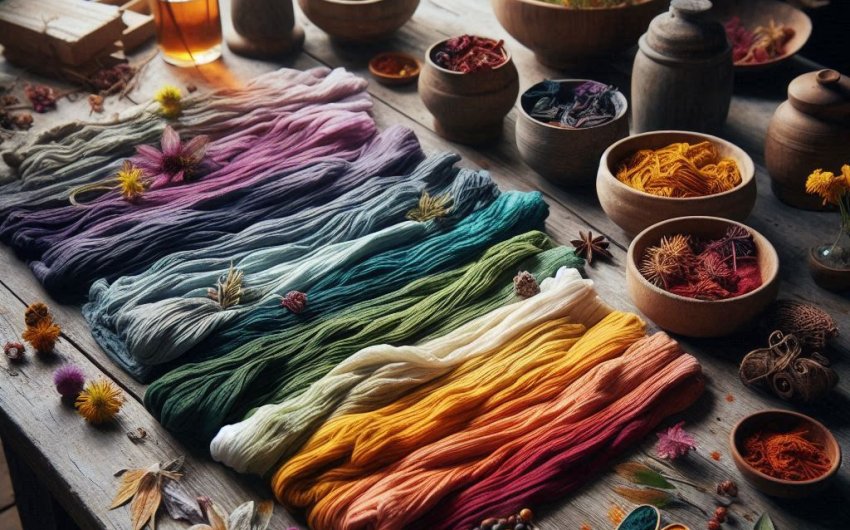
The best plants to grow for natural dyeing include Madder, Indigo, Coreopsis, Marigolds, Weld, and Osage Orange, offering a spectrum of rich, colorfast hues from reds and blues to yellows and browns. Cultivating your own dye plants provides a sustainable and incredibly rewarding way to create vibrant, eco-friendly textiles.
What Makes a Plant Good for Natural Dyeing?
Not all plants yield effective dyes. The best plants for natural dyeing possess specific characteristics that make them ideal for extracting color that is both vibrant and colorfast.
High Pigment Concentration
- Abundant Color Molecules: The most crucial factor is the presence of a high concentration of natural dye pigments within the plant's tissues (leaves, flowers, roots, bark, berries). These pigments are complex organic compounds.
- Examples: Madder root has high concentrations of alizarin (reds); Indigo leaves contain indican (blue precursor); Marigold flowers are rich in carotenoids (yellows/oranges).
Lightfastness and Washfastness
- Lightfastness: The ability of the dyed color to resist fading when exposed to light (especially UV radiation). A good dye plant yields colors that won't quickly bleach out in the sun.
- Washfastness: The ability of the dyed color to resist fading or bleeding when washed. A truly good natural dye will remain vibrant through many washes.
- Role of Mordants: While some dyes are "substantive" (bind directly to fiber), most natural dyes are "adjective" and require a mordant (like alum, iron, or tannin) to help the dye bond permanently to the fabric fibers and improve both lightfastness and washfastness.
Accessibility of Pigments
- Easy Extraction: The pigments should be relatively easy to extract from the plant material using simple methods like simmering in water. Some pigments require more complex processes (like indigo's fermentation vats).
- Usable Plant Parts: The dye can be extracted from various parts of the plant – flowers, leaves, stems, bark, or roots – making different plants suitable depending on their growth habit.
Ease of Cultivation and Abundance
- Growability: The plant should be relatively easy to grow in a home garden setting, adapting to common soil and climate conditions.
- High Yield: Ideally, the plant produces a significant amount of dyeable material (e.g., many flowers, prolific leaves, or large roots) from a single plant. You'll need a good quantity of plant material to achieve strong colors.
- Renewable Source: Perennial dye plants (like Madder) are often preferred as they provide a continuous harvest year after year.
Safety Considerations
- Non-Toxic: Ensure the plant itself is not toxic or highly irritating, especially if you plan to handle large quantities of plant material or work with it in a home environment. Always research the safety of any plant before using it for dye.
What Plants Produce Reds, Oranges, and Pinks for Natural Dyeing?
Achieving true reds and vibrant oranges with natural dyes from plants can be a rewarding challenge, but several excellent species offer these warm hues.
Madder (Rubia tinctorum): The King of Reds
Madder is perhaps the most famous and reliable source of natural reds, producing shades from brick red to deep crimson and even orange, depending on the mordant and dye bath pH.
- Dye Part: Roots. The older the roots, the richer the color. Harvest roots after 3-5 years for best results.
- Color Range: Reds, oranges, rust, and even purplish-browns.
- Growing: Perennial, prefers deep, loose, well-draining soil and full sun. Can be invasive, so consider a dedicated bed or a contained root barrier. Grow from Madder Root Seeds or root cuttings.
- Dyeing Process: Roots are chopped, soaked, and then gently heated in a dye bath. Temperature control is critical for desired shades (cooler for reds, hotter for browns).
- Mordant: Alum is typically used for reds. Iron can shift colors to browner tones.
- Yield: Long-term investment, but highly rewarding.
- Madder Root Seeds are the starting point.
Coreopsis (Coreopsis tinctoria): Sunny Yellows to Reds
Various Coreopsis species, particularly Coreopsis tinctoria (Dyer's Coreopsis or Golden Wave), yield vibrant yellow and orange dyes, which can be shifted to reds with iron.
- Dye Part: Flowers.
- Color Range: Bright yellows, oranges, and brick reds (with iron).
- Growing: Annual, easy to grow from seed, tolerates poor soil and some drought, full sun. Prolific bloomer.
- Dyeing Process: Flowers are simmered to extract color.
- Mordant: Alum for yellow/orange. Iron for shifting to red/brown.
- Yield: Abundant flowers from one plant.
- Coreopsis Tinctoria Seeds are readily available.
Marigolds (Tagetes species): Vibrant Oranges and Yellows
Common Marigolds are excellent for bright, warm colors.
- Dye Part: Flowers (petals primarily).
- Color Range: Bright yellows, oranges.
- Growing: Easy to grow annuals, full sun, widely available.
- Dyeing Process: Flowers are simmered to extract dye.
- Mordant: Alum for bright yellows. Iron for more muted olive-greens.
- Yield: Very abundant flowers throughout the growing season.
- Marigold Flower Seeds are a reliable source.
Onion Skins (Allium cepa): Rusts and Golds
Your everyday onion skins (especially from red and yellow onions) are a surprisingly potent and readily available dye source.
- Dye Part: Dry outer skins.
- Color Range: Rich golds, oranges, rusts, and browns.
- Growing: Free byproduct from cooking! Simply collect and dry them.
- Dyeing Process: Simmer skins in water.
- Mordant: Alum for brighter golds. Iron for browner, more olive tones.
- Yield: Depends on your cooking habits. Store up a good quantity for best results.
Cochineal (Dactylopius coccus): Technically an Insect, but a Key Red
While not a plant, Cochineal is a small insect that lives on cacti and is the source of brilliant reds and pinks. It's historically significant and often discussed alongside plant dyes.
- Source: Dried bodies of female cochineal insects.
- Color Range: Vibrant reds, fuchsias, purples, oranges.
- Growing: If you are in a suitable climate, some growers cultivate prickly pear cacti (Opuntia species) and introduce cochineal, though this is a specialized endeavor.
- Mordant: Alum for true reds, tin for bright scarlets, iron for deeper purples.
Table: Plants for Reds, Oranges, and Pinks
| Plant Species | Dye Part | Main Color Range | Mordant Typically Used | Notes |
|---|---|---|---|---|
| Madder | Roots | Reds, Oranges, Rust, Purplish-Browns | Alum, Iron | Perennial, rich, complex colors |
| Coreopsis | Flowers | Yellows, Oranges, Brick Reds (with iron) | Alum, Iron | Annual, prolific, sunny hues |
| Marigolds | Flowers | Bright Yellows, Oranges | Alum, Iron | Annual, easy to grow, abundant |
| Onion Skins | Outer skins | Golds, Oranges, Rusts, Browns | Alum, Iron | Free, accessible, great warm tones |
| Cochineal | Insect | Vibrant Reds, Fuchsias, Purples | Alum, Tin, Iron | Historical, powerful, for vivid reds |
What Plants Produce Blues and Purples for Natural Dyeing?
Achieving true blues and purples with natural dyes from plants is a magical process, largely dominated by one iconic plant.
Indigo (Indigofera tinctoria or Persicaria tinctoria): The Blue Miracle
Indigo is the world's most renowned natural blue dye. The process for extracting indigo blue is unique and fascinating, involving fermentation rather than simple simmering.
- Dye Part: Leaves.
- Color Range: Beautiful shades of blue, from light sky blue to deep navy, depending on the number of dips and strength of the vat.
- Growing:
- True Indigo (Indigofera tinctoria): Perennial in warm climates (Zones 8-11), grown as an annual elsewhere. Prefers full sun, well-draining soil. Requires warm temperatures to grow well.
- Japanese Indigo (Persicaria tinctoria or Polygonum tinctorium): Annual, easier to grow in temperate climates, prefers full sun to partial shade, moist soil. More forgiving for beginners.
- Dyeing Process: Indigo dye is not directly water-soluble. It requires a fermentation or chemical reduction process in a "vat" to make it soluble, allowing it to penetrate fibers. Upon exposure to air (oxidation), the color changes from green/yellow to blue. This is a more advanced but highly rewarding dyeing technique.
- Mordant: Indigo is a "vat dye" and generally does not require a mordant to bond with cellulose fibers (cotton, linen), but it can be used for protein fibers (wool, silk) to improve lightfastness.
- Japanese Indigo Seeds are a good choice for most gardeners.
Woad (Isatis tinctoria): European Indigo
Woad is another source of indigo blue, historically important in Europe.
- Dye Part: Leaves.
- Color Range: Similar blues to Indigo.
- Growing: Biennial. Grows well in temperate climates where true indigo struggles. Prefers full sun to partial shade.
- Dyeing Process: Similar vat dyeing process to Indigo.
- Mordant: Not typically required for cellulose fibers.
Black Beans (Phaseolus vulgaris): A Muted Purple
While not a vibrant purple, black beans can yield a soft, muted bluish-purple.
- Dye Part: Dried beans (soak the beans, use the soaking liquid).
- Color Range: Muted blue-gray to purplish-gray.
- Growing: Easy to grow annual legume.
- Dyeing Process: Soak beans overnight, use the soaking liquid as the dye bath.
- Mordant: Alum or iron can be used.
- Yield: You'll need a large quantity of beans for strong color.
Logwood (Haematoxylum campechianum): True Purples (Tropical Tree)
Logwood is a tropical tree, so not typically grown in temperate home gardens, but its heartwood is a potent source of deep purples and grays.
- Source: Chips or extracts from the heartwood.
- Color Range: Deep purples, blues, blacks (with iron).
- Mordant: Alum, tin, or iron to achieve various shades.
Table: Plants for Blues and Purples
| Plant Species | Dye Part | Main Color Range | Dyeing Process Key | Growing Notes |
|---|---|---|---|---|
| Indigo | Leaves | Shades of Blue | Vat Dye (fermentation/reduction) | Tropical (T. tinctoria) or Temperate Annual (P. tinctoria) |
| Woad | Leaves | Shades of Blue | Vat Dye | Biennial, cool climates |
| Black Beans | Beans | Muted Blue-Gray, Purplish-Gray | Simmer soaking liquid | Easy to grow, common bean |
What Plants Produce Yellows and Greens for Natural Dyeing?
Yellows are arguably the easiest colors to achieve with natural dyes from plants, and they form the base for many green shades when combined with iron or indigo.
Weld (Reseda luteola): The Brightest Yellow
Weld is considered one of the most lightfast and washfast natural yellow dyes, producing clear, bright yellows.
- Dye Part: Leaves and stems (entire plant).
- Color Range: Clear, vibrant yellows, lemon yellows.
- Growing: Biennial, easy to grow from seed, prefers full sun and well-drained soil. Can self-seed.
- Dyeing Process: Simmer chopped plant material to extract color.
- Mordant: Alum for bright yellows. Iron can mute it to olive green.
- Yield: Good yield from a single plant.
- Weld Seeds are key for this vibrant yellow.
Goldenrod (Solidago species): Late-Season Yellows
Many native Goldenrod species provide lovely yellows, especially useful for late-season dyeing.
- Dye Part: Flowers, sometimes leaves and stems.
- Color Range: Bright yellows to greenish-yellows.
- Growing: Perennial, widespread, tolerates various conditions, full sun. Can spread vigorously.
- Dyeing Process: Simmer plant material.
- Mordant: Alum. Iron can create olive greens.
- Yield: Abundant flowers.
Marigolds (Tagetes species): Versatile Yellows/Oranges
As mentioned for oranges, Marigolds are also a fantastic source of yellow.
- Dye Part: Flowers.
- Color Range: Bright yellows.
- Growing: Easy annual, prolific.
- Mordant: Alum.
Queen Anne's Lace (Daucus carota): Pale Yellow
The wild carrot's flowers can yield a soft yellow.
- Dye Part: Flowers, sometimes roots.
- Color Range: Pale yellows.
- Growing: Biennial, common wildflower.
- Mordant: Alum.
Spinach and Chlorophyll: Subtle Greens
While achieving a vibrant, colorfast green from single plant dyes can be challenging (most greens are achieved by overdyeing yellow with indigo), some plants can offer subtle greenish hues.
- Dye Part: Leaves (high chlorophyll content).
- Color Range: Very pale, muted greens.
- Growing: Easy to grow.
- Dyeing Process: Simmer fresh leaves.
- Mordant: Alum. Iron can help deepen the green, but also dulls it.
- Considerations: Not very lightfast or washfast on its own. Often used for eco-printing or very transient dyes.
Over-dyeing for Greens: Yellow + Blue
The most reliable way to get a strong, permanent green in natural dyeing is to first dye your fiber yellow (using Weld, Marigold, Goldenrod, etc.) and then over-dye it in an indigo vat. This combination creates a wide spectrum of greens.
Table: Plants for Yellows and Greens
| Plant Species | Dye Part | Main Color Range | Mordant Typically Used | Notes |
|---|---|---|---|---|
| Weld | Leaves, Stems | Vibrant Yellows, Lemon Yellows | Alum, Iron | Biennial, excellent lightfastness |
| Goldenrod | Flowers | Bright Yellows, Greenish-Yellows | Alum, Iron | Perennial, late-season color |
| Marigolds | Flowers | Bright Yellows | Alum, Iron | Annual, easy, prolific |
| Spinach | Leaves | Pale, Muted Greens | Alum, Iron | Very subtle, low lightfastness |
What Plants Produce Browns, Greys, and Blacks for Natural Dyeing?
Achieving rich browns, nuanced grays, and deep blacks with natural dyes from plants often relies on tannins and reactions with iron.
Walnut (Juglans nigra): Rich Browns
Black Walnut is one of the easiest and most potent natural brown dyes, requiring no mordant.
- Dye Part: Husks (green outer shells of the nut). Also bark and leaves, but husks are preferred.
- Color Range: Rich browns, dark grays, even near-blacks.
- Growing: Large tree, but husks are readily available in areas where black walnuts grow. Wear gloves, as they stain everything!
- Dyeing Process: Simmer husks to extract color. The dye is very strong and direct.
- Mordant: No mordant required (substantive dye), though iron can deepen shades.
- Yield: Abundant husks in fall.
Oak Galls (Quercus species, with insect larvae): Deep Grays to Black
Oak galls (abnormal growths on oak trees caused by insect larvae) are incredibly rich in tannins, producing deep grays and blacks, especially when combined with iron.
- Dye Part: Dried galls.
- Color Range: Grays, blacks (with iron), deep browns.
- Growing: Harvest galls from oak trees (ensure they are dry and hard).
- Dyeing Process: Crush galls and simmer. Used in combination with an iron mordant or in an iron after-bath.
- Mordant: Primarily used as a strong source of tannin, often in combination with iron for black.
Sumac (Rhus glabra or Rhus typhina): Tans and Browns
Several Sumac species are excellent for a range of tans and browns.
- Dye Part: Leaves, bark, berries. Leaves are particularly high in tannins.
- Color Range: Tan, beige, brown, grayish-brown.
- Growing: Common shrubs or small trees, often found in disturbed areas.
- Dyeing Process: Simmer leaves or bark.
- Mordant: Alum for tans. Iron for deeper browns/grays.
- Yield: Abundant leaves.
Comfrey (Symphytum officinale): Brownish-Greens
While known for its medicinal uses, Comfrey can also produce brownish-green shades.
- Dye Part: Leaves.
- Color Range: Soft browns, greenish-browns.
- Growing: Perennial, vigorous grower, tolerates many conditions.
- Mordant: Alum. Iron will deepen to a murky brown.
- Yield: Prolific leaf production.
Tea Leaves (Black Tea): Tan and Brown
Common black tea, a household staple, can also be used as a dye.
- Dye Part: Tea leaves.
- Color Range: Light tan to brownish.
- Growing: Purchased.
- Mordant: Alum or iron.
- Yield: Easy to obtain.
Table: Plants for Browns, Greys, and Blacks
| Plant Species | Dye Part | Main Color Range | Mordant Typically Used | Notes |
|---|---|---|---|---|
| Black Walnut | Husks | Rich Browns, Dark Grays, Near-Blacks | No mordant (substantive) | Very strong, stains, use gloves |
| Oak Galls | Galls | Grays, Blacks (with iron), Deep Browns | Iron (as mordant or after-bath) | High tannin content, historically used for ink |
| Sumac | Leaves, Bark, Berries | Tans, Beiges, Browns, Grayish-Browns | Alum, Iron | Common, high in tannins |
| Comfrey | Leaves | Soft Browns, Greenish-Browns | Alum, Iron | Perennial, prolific |
| Black Tea | Leaves | Light Tan, Brownish | Alum, Iron | Easily accessible |
How Do You Cultivate and Harvest Dye Plants for Best Results?
Successful natural dyeing starts with cultivating and harvesting your dye plants properly to maximize pigment concentration.
General Cultivation Tips
- Sunlight: Most dye plants prefer full sun (at least 6-8 hours direct sunlight daily) for optimal growth and pigment development.
- Soil: Well-draining soil is crucial for most. Amend heavy clay soils with compost.
- Watering: Water consistently during establishment. Once established, many drought-tolerant dye plants require less water.
- Nutrient Needs: Avoid excessive nitrogen, which can lead to lush leafy growth but dilute pigment concentration in flowers or roots.
- Pest and Disease Control: Healthy plants produce better dye material. Practice good garden hygiene and manage pests organically.
Harvesting Specific Plant Parts for Dye
The timing and method of harvest impact dye potency.
- Flowers:
- Timing: Harvest when fully open and vibrant. For some, like marigolds or coreopsis, continuous deadheading encourages more blooms.
- Method: Snip or pick individual flowers.
- Preparation: Use fresh or dry for later use. Dry in a cool, dark, well-ventilated area.
- Leaves/Stems:
- Timing: Harvest during active growth, often before flowering, when pigment concentration is highest. For Indigo and Weld, multiple harvests are possible.
- Method: Snip healthy leaves or whole stems.
- Preparation: Use fresh for stronger color or dry for storage.
- Roots:
- Timing: Harvest when dormant (late fall to early spring) for best pigment concentration. Madder roots need 3-5 years to develop rich color.
- Method: Carefully dig up roots, clean thoroughly.
- Preparation: Use fresh or chop and dry for storage.
- Barks/Husks:
- Timing: Harvest bark in spring when sap is rising. Harvest husks when they fall from the tree.
- Method: Use bark from pruned branches, never girdle a tree. Collect fallen husks.
- Preparation: Use fresh or dry and store.
Storage of Dried Dye Materials
- Clean and Dry: Ensure all plant material is thoroughly dry before storing to prevent mold.
- Airtight Containers: Store dried dye materials in airtight containers or paper bags in a cool, dark, dry place.
- Labeling: Label clearly with the plant name, part used, and harvest date.
Quantity Matters
Natural dyeing requires significant quantities of plant material to achieve strong, saturated colors.
- Rule of Thumb: A common starting point is 1:1 ratio of dry dye material to fiber weight (Weight of Fiber - WOF). For fresh material, it can be 1:5 or even 1:10 WOF. This will vary greatly by plant species and desired color intensity.
- Grow More Than You Think: When in doubt, grow more!
By understanding the unique properties of the best plants to grow for natural dyeing and implementing proper cultivation and harvesting techniques, you can embark on a sustainable and creative journey, transforming the bounty of your garden into a spectrum of beautiful, eco-friendly colors.