
How to Start a Native Plant Garden for Wildlife?
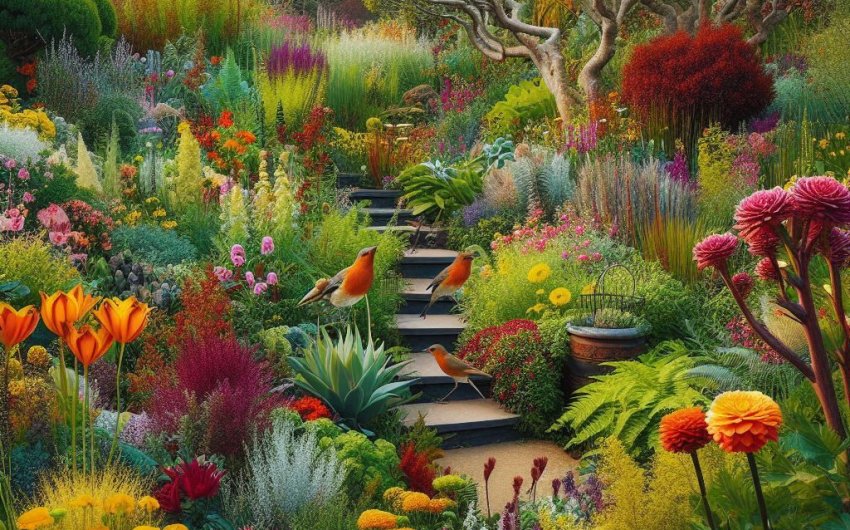
Embarking on the creation of an ecological oasis in your own backyard is a deeply rewarding endeavor. You're likely curious about how to cultivate a flourishing sanctuary using flora indigenous to your region, designed to support local fauna. Learning how to start a native plant garden for wildlife involves understanding the intricate relationships between local plants and the animals that depend on them. This approach not only beautifies your landscape but also provides essential food, shelter, and breeding grounds for a diverse array of insects, birds, and small mammals, contributing significantly to local biodiversity.
Why Should I Start a Native Plant Garden for Wildlife?
Cultivating plants that are indigenous to your area offers a multitude of benefits, extending far beyond simple aesthetics. Understanding these advantages will reinforce the value of creating a landscape that truly supports local ecosystems.
Starting a native plant garden for wildlife is one of the most impactful things you can do for local ecosystems. Native plants have co-evolved with native wildlife, forming intricate relationships over thousands of years. This means they are perfectly adapted to provide the specific food sources (nectar, pollen, seeds, leaves), shelter, and nesting sites that local birds, butterflies, bees, and other creatures need to survive and thrive. Beyond supporting wildlife, native plant gardens often require less water, fertilizer, and pest control once established, making them a sustainable and low-maintenance choice for your landscape.
How do native plants support local pollinators?
Pollinators, like bees and butterflies, are essential for our food supply and the health of ecosystems. Native plants are uniquely suited to provide what these crucial insects need.
Native plants are unparalleled in their ability to support local pollinators. Unlike exotic or ornamental plants, native flowers have evolved specific shapes, colors, and nectar compositions that are perfectly matched to the mouthparts and nutritional needs of native bees, butterflies, and other pollinating insects. For instance, the Monarch butterfly relies exclusively on milkweed for its caterpillars, a prime example of a native host plant. By planting a diversity of native species, you provide a continuous supply of high-quality nectar and pollen throughout the growing season, essential for these vital creatures.
Do native plants require less maintenance?
Many gardeners are drawn to the idea of a beautiful garden but shy away from the intense maintenance often associated with traditional landscaping. Native plants offer a more relaxed approach.
Once established, native plants typically require significantly less maintenance than non-native species. Because they are adapted to your region's climate, soil types, and rainfall patterns, they generally need less supplemental watering, especially during dry spells. They also have natural defenses against local pests and diseases, reducing or eliminating the need for chemical pesticides and fertilizers. This translates to less time spent watering, fertilizing, and dealing with pest issues, allowing you more time to enjoy your flourishing native plant garden for wildlife.
How do native plants benefit soil and water?
The ecological advantages of native plants extend beneath the surface, contributing to healthier soil and more efficient water management in your garden.
Native plants play a crucial role in improving soil health and water quality. Their deep root systems help to aerate the soil, preventing compaction and increasing water penetration, which reduces stormwater runoff and erosion. These extensive root networks also stabilize the soil and increase its organic matter content, fostering a healthy microbial community underground. By filtering pollutants and absorbing excess nutrients, native plants help protect local waterways and contribute to cleaner groundwater, showcasing their profound environmental benefits when you start a native plant garden for wildlife.
Where Do I Start When Planning a Native Plant Garden?
Before you even put a shovel in the ground, thoughtful planning is key to creating a successful and thriving native plant garden for wildlife. Understanding your site and your local ecosystem will guide your plant choices.
Effective planning is the foundation for a flourishing native plant garden for wildlife. It involves understanding your specific environment, researching the plants that naturally belong there, and considering the needs of the wildlife you wish to attract. This initial groundwork saves time, effort, and resources in the long run, leading to a more successful and sustainable garden.
How do I identify my hardiness zone and local ecoregion?
Knowing your hardiness zone and understanding your local ecoregion are fundamental steps in selecting native plants that will thrive in your specific climate and conditions.
Your USDA Plant Hardiness Zone tells you which plants can survive the winter temperatures in your area. You can find this information by entering your zip code on the USDA website. While important, hardiness zones don't tell the whole story. For a truly native garden, you also need to understand your local ecoregion. An ecoregion is an area defined by its distinct natural features, climate, and ecosystems. Researching your local ecoregion (e.g., through your state's native plant society or extension office) will help you identify plants that naturally thrive in your specific soil types, rainfall, and historical vegetation patterns, making your native plant garden for wildlife truly authentic.
How do I assess my garden's sunlight and soil conditions?
Understanding the specific conditions of your garden space is crucial for selecting native plants that will flourish rather than merely survive. Not all native plants like the same spot.
Carefully assess your garden's sunlight throughout the day. Map out areas that receive full sun (6+ hours of direct sun), partial sun (4-6 hours, often morning sun), and full shade (less than 4 hours, mostly indirect light). Next, investigate your soil conditions. Is it sandy, loamy, or heavy clay? Does it drain well, or does water pool after rain? You can perform a simple soil drainage test by digging a hole, filling it with water, and observing how long it takes to drain. You might also consider a soil test kit to determine pH and nutrient levels. Matching native plants to your specific light and soil conditions is key to their success in your native plant garden for wildlife.
What resources can help me find local native plants?
Once you've assessed your site, the next step is to find out which specific native plants are suitable for your area. Fortunately, many resources can guide you.
There are excellent resources to help you find local native plants when planning your native plant garden for wildlife.
- Local Native Plant Societies: These organizations are invaluable, often having plant lists specific to your county or region, and sometimes even selling plants at events.
- University Extension Offices: Your state or county extension office can provide region-specific gardening advice and native plant recommendations.
- Native Plant Nurseries: Seek out nurseries that specialize in native plants. They are knowledgeable and ensure you're getting genetically appropriate stock.
- Online Databases: Websites like the National Audubon Society's native plant finder (by zip code) or resources from reputable botanical gardens can provide customized lists. Look for common names and scientific names, and note if they are listed as suitable for your sun and soil conditions.
Which Types of Native Plants Are Best for Wildlife?
To create a truly comprehensive native plant garden for wildlife, you'll need to think beyond just pretty flowers. A diverse selection of plant types provides a wider range of resources for different creatures.
A truly effective native plant garden for wildlife offers a buffet of resources throughout the year. This means incorporating a variety of plant forms and bloom times, ensuring that birds, insects, and other animals have access to food, shelter, and breeding sites at all stages of their life cycles. Diversifying your plantings creates a more resilient and attractive ecosystem in your backyard.
What native flowers attract pollinators?
Native flowers are the cornerstone of any pollinator garden, providing essential nectar and pollen for bees, butterflies, and other beneficial insects.
To attract a wide range of pollinators to your native plant garden for wildlife, choose a variety of native flowers with different bloom times, shapes, and colors.
- Milkweed (Asclepias spp.): Essential for Monarch butterflies (host plant for caterpillars and nectar for adults). Try Butterfly Weed for its vibrant orange flowers.
- Coneflower (Echinacea purpurea): A pollinator magnet with sturdy, daisy-like flowers. Purple Coneflower seeds are widely available.
- Blazing Star/Liatris (Liatris spicata): Tall, spiky purple flowers that attract butterflies and hummingbirds. Liatris corms are easy to plant.
- Wild Bergamot/Bee Balm (Monarda fistulosa): Attracts bees, butterflies, and hummingbirds with its unique tubular flowers.
- Aster (Symphyotrichum spp.): Late-season bloomers like New England Aster are crucial for migrating butterflies.
- Goldenrod (Solidago spp.): A vital late-season nectar source for many insects (often mistaken for ragweed, but it's not the cause of allergies). Aim for continuous blooms from early spring to late fall.
Which native grasses and sedges provide habitat?
While often overlooked for their showy flowers, native grasses and sedges are incredibly important components of a native plant garden for wildlife, offering essential structure and shelter.
Native grasses and sedges provide crucial habitat, cover, and nesting material for a variety of wildlife, especially birds and beneficial insects. Their dense root systems also provide excellent soil stabilization.
- Little Bluestem (Schizachyrium scoparium): A beautiful ornamental grass with blue-green foliage and reddish-brown fall color, providing seeds for birds. Little Bluestem seeds are widely available.
- Sideoats Grama (Bouteloua curtipendula): Distinctive oat-like seed heads that provide food for birds and offer good cover.
- Switchgrass (Panicum virgatum): A tall, robust grass that provides excellent nesting sites and winter cover.
- Pennsylvania Sedge (Carex pensylvanica): A shade-tolerant, fine-textured sedge that creates a soft groundcover and provides material for ground-nesting birds. These grasses and sedges add texture and movement to your garden and are vital for supporting a healthy ecosystem.
What native shrubs and trees offer food and shelter?
Shrubs and trees form the structural backbone of a native plant garden for wildlife, providing vital shelter, nesting sites, and long-lasting food sources like berries and nuts.
Incorporating native shrubs and trees adds vertical layers and provides critical resources for birds and other wildlife.
- Serviceberry (Amelanchier canadensis): Early spring flowers provide nectar, followed by edible berries loved by birds. Serviceberry trees are beautiful year-round.
- Elderberry (Sambucus canadensis): Large clusters of flowers provide pollen and nectar, followed by dark berries that are a favorite of many bird species.
- Red Osier Dogwood (Cornus sericea): White berries are eaten by birds, and its bright red winter stems provide visual interest. It also offers dense cover.
- Oak Trees (Quercus spp.): Oaks are considered keystone species, supporting hundreds of insect species (caterpillars are a primary food source for baby birds) and producing acorns for mammals and birds.
- Willow (Salix spp.): Early spring blooms provide vital nectar for early emerging pollinators. Certain species are also host plants for many butterfly and moth caterpillars. These woody plants create a diverse habitat and ensure food availability throughout the year.
How Do I Prepare My Site for a Native Plant Garden?
Proper site preparation is a crucial step that ensures your native plants get the best possible start. It involves understanding and often amending the current condition of your soil and eliminating existing vegetation.
Preparing your site effectively is foundational to the long-term success of your native plant garden for wildlife. This stage sets the groundwork for healthy plant establishment and reduces future maintenance. Skipping proper preparation can lead to ongoing challenges with weeds and struggling plants, undermining your efforts.
What's the best way to remove existing lawn or weeds?
Clearing the ground of existing vegetation, especially persistent lawn grass and weeds, is a critical first step. There are several methods, each with its own pros and cons.
There are several effective ways to remove existing lawn or weeds when preparing to start a native plant garden for wildlife.
- Sheet Mulching/Lasagna Gardening: This is an organic, no-dig method. Layer cardboard directly over the existing lawn/weeds, then add layers of compost, leaves, and other organic materials. This smothers weeds and builds healthy soil over several months.
- Solarization: Cover the area with clear plastic sheeting during hot, sunny months. The sun's heat "cooks" and kills weeds and seeds. This takes 6-8 weeks.
- Digging/Weeding: For smaller areas, manual removal can be effective but requires consistent effort to remove all roots.
- Herbicide (as a last resort): If dealing with highly invasive, persistent weeds, a targeted herbicide application might be considered, but use with extreme caution and follow all instructions to minimize environmental impact. Avoid leaving any existing grass or weed roots, as they can quickly regrow and compete with your new native plants.
Do I need to amend my soil for native plants?
One of the beauties of native plants is their adaptation to local conditions, which often means less need for extensive soil amendments, but understanding your soil is still key.
Generally, you should avoid over-amending your soil for native plants when starting a native plant garden for wildlife. Native plants are accustomed to the soil conditions in your region. Heavy amendments, especially adding rich topsoil or excessive compost, can sometimes harm native plants that prefer leaner, well-draining soils. However, if your soil is highly compacted, extremely sandy, or very heavy clay, incorporating a modest amount of compost can improve its structure. The best approach is to match your chosen native plants to your existing soil type as much as possible, rather than trying to drastically change the soil.
How do I design the layout of my native plant garden?
Once the site is prepared, planning the layout helps ensure aesthetic appeal, practical function, and optimal conditions for your plants and the wildlife they attract.
When designing the layout of your native plant garden for wildlife, think about plant heights, light requirements, and bloom times.
- Layering: Place taller plants (shrubs, trees, tall perennials) at the back or north side of beds, medium-sized plants in the middle, and shorter plants (groundcovers, low perennials) at the front. This ensures all plants get adequate light.
- Mass Plantings: Plant groups of the same species together in drifts or clumps (at least 3-5 of each). This creates a stronger visual impact and makes it easier for pollinators to spot and efficiently forage for nectar.
- Succession of Blooms: Plan for plants that bloom in spring, summer, and fall to provide continuous food sources for pollinators.
- Water Needs: Group plants with similar water requirements together to make watering more efficient, especially during establishment.
- Pathways and Seating: Include paths for access and observation, and perhaps a bench to sit and enjoy the wildlife. Sketch out your design on paper first to visualize your plan.
How Do I Plant and Care for Native Plants?
Once your site is prepared and your design is ready, the hands-on process of planting and providing initial care is critical for getting your native plants established and thriving.
Proper planting and initial care are essential for the long-term success of your native plant garden for wildlife. Even though native plants are tough once established, they need a good start to build strong root systems and adapt to their new home. This initial nurturing phase will significantly reduce future maintenance.
What's the best way to plant native plants?
Planting native plants correctly is similar to planting any garden perennial or shrub, but with a few considerations specific to their natural growth habits.
When planting your native plants for your native plant garden for wildlife, dig a hole that is as deep as the plant's root ball and two to three times as wide. Gently remove the plant from its container. If the roots are circling the pot, gently loosen them or make a few vertical cuts with a clean knife to encourage outward growth. Place the plant in the hole so that the top of the root ball is level with the surrounding soil. Backfill with the original soil, gently tamping down to remove air pockets. Water thoroughly after planting to settle the soil around the roots. If planting from native seed packets, follow specific instructions for depth and spacing, as many natives benefit from cold stratification.
Do native plants need watering after planting?
Even though native plants are adapted to local rainfall, they still need some assistance during their establishment phase to build robust root systems.
Yes, newly planted native plants definitely need regular watering for their first year or two, especially during dry spells. While established native plants are drought-tolerant, young plants are focused on developing a strong root system, and they need consistent moisture to do so. Water deeply and regularly (e.g., once or twice a week, depending on rainfall and heat) to encourage roots to grow down into the soil. Reduce watering frequency as the plants mature. Once established, your native plant garden for wildlife will require minimal supplemental watering.
How do I manage weeds in a native plant garden?
Weeds can be a challenge in any garden, but especially in a newly established native plant garden. Effective management is key to giving your desired plants a chance to flourish.
Weed management is crucial in the early years of a native plant garden for wildlife. Young native plants can easily be outcompeted by aggressive weeds.
- Mulching: Apply a 2-4 inch layer of organic mulch, such as shredded leaves or wood chips, around your plants. Mulch suppresses weeds, retains soil moisture, and moderates soil temperature. Avoid piling mulch against plant stems.
- Hand-Weeding: Regularly hand-weed any new weeds that emerge, especially when they are small. It's much easier to pull them before they establish deep roots.
- Identify Weeds: Learn to distinguish between your desired native plants and common weeds in your area. As your native plants mature and grow denser, they will naturally outcompete many weeds, reducing your weeding burden.
Do native plants need fertilizer or pesticides?
One of the great advantages of a native plant garden is its reduced reliance on artificial inputs, aligning with its ecological purpose.
Generally, native plants do not need fertilizer once established. They are adapted to the nutrient levels of your local soil. Adding synthetic fertilizers can actually harm them or encourage lush, weak growth that is more susceptible to pests and diseases. Similarly, avoid pesticides in your native plant garden for wildlife. The goal is to support insects, including the "pest" insects that serve as food for birds and other wildlife, and beneficial insects that prey on pests. A healthy native ecosystem is self-regulating, with natural checks and balances. If you have pest issues, it's often a sign of an imbalance or a plant not suited to its location.
How Can I Enhance My Native Plant Garden for Wildlife?
Once your native plant garden is established, there are additional ways to enhance its appeal and functionality for a wider array of local wildlife, creating an even richer habitat.
Beyond just planting, enriching your native plant garden for wildlife involves thoughtful additions that provide even more resources for birds, insects, and small mammals. These elements transform a collection of plants into a truly thriving ecological sanctuary, making it more attractive and supportive for diverse species.
Should I add a water source for wildlife?
Water is a fundamental need for all living creatures, and providing a readily available source can significantly boost the appeal of your garden to wildlife.
Adding a water source is one of the best ways to enhance your native plant garden for wildlife. Birds need water for drinking and bathing, and insects like butterflies will use shallow puddling areas for minerals.
- Bird Bath: A simple bird bath with clean, shallow water (no deeper than 2 inches) is very effective. Place it in an open area so birds can see predators.
- Puddling Station for Butterflies: Create a shallow depression in the soil or a saucer filled with moist sand or gravel. Butterflies extract minerals from these areas.
- Small Pond or Water Feature: For larger spaces, a small, shallow pond can attract amphibians, dragonflies, and other aquatic insects, adding another layer of biodiversity. Ensure your water sources are kept clean to prevent disease.
What kind of shelters can I provide for wildlife?
While native plants provide natural shelter, offering additional structures can make your garden even more hospitable for various creatures, especially during harsh weather or breeding seasons.
Providing additional shelters can greatly benefit wildlife in your native plant garden for wildlife.
- Brush Piles: A loose pile of branches, twigs, and leaves can offer refuge for small mammals, reptiles, and ground-nesting birds.
- Rock Piles: Similar to brush piles, rocks create crevices and cool, damp spaces for amphibians, reptiles, and insects.
- Snags or Deadwood: If safe to leave standing, a dead tree or large log provides nesting sites for cavity-nesting birds and insects, and food for fungi.
- Nest Boxes/Bird Houses: Specific bird houses can attract particular bird species. Research the right size and opening for your desired residents.
- Insect Hotels: Simple structures with hollow stems, drilled wood, or bamboo can provide nesting sites for native solitary bees and other beneficial insects. You can find ready-made insect hotels or build your own. Leaving some garden areas a bit "messy" over winter, with standing stems and leaf litter, also provides crucial natural shelter.
How do I practice sustainable gardening in a native plant garden?
A native plant garden inherently promotes sustainability, but adopting specific gardening practices further enhances its ecological benefits.
To ensure your native plant garden for wildlife is truly sustainable, adopt these practices:
- Avoid Chemicals: Strictly avoid all synthetic pesticides, herbicides, and fertilizers. They harm wildlife, contaminate soil and water, and disrupt the natural balance.
- Compost: Start a compost pile to turn kitchen scraps and yard waste into nutrient-rich soil amendment, reducing waste and supporting healthy soil naturally.
- Rainwater Harvesting: Install a rain barrel to collect rainwater for irrigation. This conserves water and reduces reliance on treated tap water.
- Reduce Lawn Size: Consider converting more lawn into native plant beds. Lawns offer little ecological value and require significant water, mowing, and often chemicals.
- Learn and Observe: Continuously learn about your local ecosystem and observe the wildlife visiting your garden. This ongoing engagement will inform your practices and deepen your appreciation for your living landscape.
By following these guidelines and committing to a thoughtful approach, you'll successfully start a native plant garden for wildlife that provides beauty, enjoyment, and a vital haven for your local ecosystem.