
How to Grow Aloe Vera Outdoors in Colder Climates?
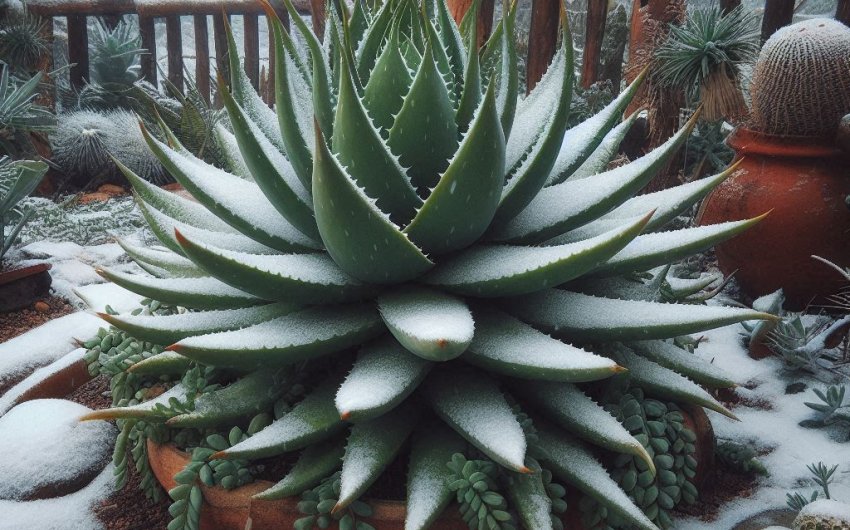
Growing aloe vera outdoors in colder climates presents unique challenges, but it's entirely achievable with the right knowledge and preparation. While aloe vera thrives in warm, arid environments, clever gardeners can cultivate this beneficial succulent even when temperatures drop. This guide will walk you through the essential steps, from selecting the right variety to providing winter protection, ensuring your aloe vera not only survives but flourishes in less-than-ideal outdoor conditions. You'll learn how to extend the growing season and protect your plants from frost, allowing you to enjoy fresh aloe gel year-round.
Can Aloe Vera Survive Winter Outdoors?
Aloe vera can survive winter outdoors, but it highly depends on your specific USDA Hardiness Zone. Most common aloe vera varieties (Aloe barbadensis miller) are only hardy to Zone 9, meaning they can tolerate temperatures no lower than 20°F (-6.7°C). If you live in a colder zone, such as Zone 8 or below, traditional outdoor cultivation year-round is not feasible without significant intervention. However, there are cold-hardy aloe varieties and specific techniques that allow gardeners in slightly cooler zones to grow aloe outdoors for longer periods or even year-round in microclimates. The key is understanding your local climate and choosing the right approach.
What are the Best Cold-Hardy Aloe Vera Varieties?
While the common Aloe barbadensis miller is sensitive to cold, several other aloe species exhibit greater cold tolerance, making them suitable for gardeners in cooler regions. Choosing the right variety is the first crucial step in successfully growing aloe vera outdoors in colder climates. These varieties are often more drought-tolerant and can withstand brief periods of freezing temperatures, though consistent deep freezes will still pose a threat.
Aloe aristata (Lace Aloe)
Aloe aristata, also known as Lace Aloe or Torch Plant, is one of the most popular choices for cooler climates. It's a smaller aloe, forming attractive rosettes of speckled, fleshy leaves.
- Hardiness Zone: Tolerant down to Zone 7b (around 5°F or -15°C)
- Appearance: Dark green leaves with white spots and soft, bristly spines.
- Size: Typically grows 4-6 inches tall and wide.
- Care: Prefers well-draining soil and can handle some shade. Great for containers or rock gardens.
Aloe striatula (Hardy Aloe)
Aloe striatula, often called Hardy Aloe or Snake Aloe, is a truly remarkable cold-tolerant species. It forms shrub-like clumps with long, narrow leaves that have a reddish tint in strong sun.
- Hardiness Zone: Tolerant down to Zone 7 (around 0°F or -18°C)
- Appearance: Striking blue-green leaves with white teeth along the margins, often turning reddish in cold or direct sun.
- Size: Can grow up to 2-3 feet tall and wide.
- Care: Needs excellent drainage and full sun. It's more tolerant of moisture than other aloes during its active growing season.
Aloe reynoldsii
Aloe reynoldsii is a less common but increasingly popular choice for its cold hardiness. It's known for its relatively compact growth and attractive leaves.
- Hardiness Zone: Tolerant down to Zone 8a (around 10°F or -12°C)
- Appearance: Medium-sized rosettes with smooth, slightly recurved leaves, often a mottled green.
- Size: Grows up to 1 foot tall and wide.
- Care: Requires good drainage and partial to full sun.
Aloe maculata (Soap Aloe)
Aloe maculata, commonly known as Soap Aloe or Spotted Aloe, is another robust option. It's a clumping aloe with distinctly spotted leaves and produces tall flower stalks.
- Hardiness Zone: Tolerant down to Zone 8a (around 10°F or -12°C)
- Appearance: Broad, thick leaves with prominent white spots and sharp teeth. Can range from green to reddish-brown depending on sun exposure.
- Size: Can form large clumps up to 2 feet tall and wide.
- Care: Very adaptable, tolerates a range of soil types as long as drainage is good. Full sun is preferred.
When selecting your cold-hardy aloe, always check the specific hardiness zone information for that variety and compare it with your local climate. Even cold-hardy varieties will benefit from winter protection during extreme cold snaps.
What is the Ideal Outdoor Location for Aloe Vera in Cold Climates?
Choosing the ideal outdoor location for your aloe vera in colder climates is paramount for its survival and growth. Microclimates within your garden can make a significant difference, offering more protection than the general hardiness zone might suggest. Think about warmth, sunlight, and drainage.
Full Sun Exposure:
- Aloe vera needs at least six hours of direct sunlight per day to thrive. In colder climates, maximizing sunlight exposure is even more critical as it helps warm the soil and the plant, reducing the impact of cold.
- South-facing walls or fences are ideal. These structures absorb solar heat during the day and radiate it slowly at night, providing a warmer microclimate.
- Avoid shady spots, which can lead to leggy growth and increased susceptibility to cold damage and rot.
Excellent Drainage:
- This is non-negotiable for aloe vera. Poor drainage, especially in cold weather, will lead to root rot, which is often fatal.
- Look for natural slopes or elevated areas in your garden where water doesn't pool.
- Consider creating a raised bed or a rock garden. These structures inherently offer superior drainage and also allow the soil to warm up faster.
Protection from North Winds:
- Harsh, cold winds, especially those from the north, can severely damage aloe vera leaves and even freeze the plant's core.
- Planting near a solid wall, a dense evergreen hedge, or a fence can act as a windbreak, reducing exposure to damaging gusts.
- The protected side of a building, especially one that gets ample sun, is often the best choice.
Avoid Frost Pockets:
- Frost pockets are low-lying areas where cold air settles, leading to lower temperatures than surrounding areas. These are lethal for aloe.
- Observe your garden during cold mornings to identify these zones. Generally, higher ground is safer.
Proximity to the House (Optional but Beneficial):
- Planting aloe vera close to your house, particularly near a foundation or wall that receives sunlight, can provide additional warmth from the building's residual heat. This creates a warmer microclimate.
By carefully selecting a spot that offers ample sun, superb drainage, and protection from harsh winds, you significantly increase your chances of successfully growing aloe vera outdoors in colder climates.
What is the Best Soil for Outdoor Aloe Vera?
The right soil mix is fundamental for growing healthy aloe vera outdoors, especially in colder climates where moisture management is critical. Aloe vera is a succulent, meaning it stores water in its leaves and roots, making it highly susceptible to root rot if the soil retains too much moisture. The goal is a fast-draining, gritty mix that mimics its natural arid habitat.
Components of an Ideal Soil Mix:
- Perlite or Pumice: These lightweight, porous materials are excellent for improving drainage and aeration. They prevent compaction and allow water to flow freely. Aim for about 30-40% of your mix.
- Coarse Sand: Not playground sand, but horticultural or river sand. This adds grit and helps drainage. Use about 20-30%.
- Potting Mix (Loamy): A good quality, general-purpose potting mix provides some nutrients and organic matter. Choose one that isn't too heavy or rich in peat. Approximately 30-40%.
- Compost (Optional, Small Amount): A very small amount (e.g., 5-10%) of well-rotted compost can provide slow-release nutrients without making the soil too moisture-retentive.
Creating Your Own Mix:
- Mix these components thoroughly in a large bucket or wheelbarrow. The final mix should feel light and gritty, not dense or muddy when wet.
- A good test: if you squeeze a handful of the wet mix, it should not form a tight ball; it should crumble easily.
Soil pH:
- Aloe vera prefers a slightly acidic to neutral soil pH, ideally between pH 6.0 and 7.5. Most well-draining succulent mixes fall within this range naturally. If you're concerned, a simple soil test kit can confirm your pH.
Raised Beds and Mounds:
- For outdoor planting in heavy clay soils, or just to ensure superior drainage, consider planting your aloe vera in raised beds or on mounds.
- Raised beds filled with your custom fast-draining mix elevate the plant roots above potentially waterlogged native soil. They also warm up faster in spring.
- Mounding the soil where you plan to plant creates a small hill, ensuring water drains away from the plant's base.
Amending Existing Soil:
- If your garden soil is heavy clay, simply digging a hole and filling it with good potting mix isn't enough. The water will just sit in the "bathtub" created by the heavy surrounding soil.
- Instead, amend a much larger area around your planting spot. Dig out a wide, shallow basin and mix in significant amounts of perlite, pumice, and coarse sand to improve the overall drainage of that area.
Remember, the goal is to create an environment where water never sits around the roots of your aloe vera. This is especially important in colder climates where evaporation is slower and prolonged moisture can be fatal.
How Do I Plant Aloe Vera Outdoors?
Once you've chosen your cold-hardy aloe vera variety and prepared the ideal soil and location, it's time for planting. Proper planting techniques minimize stress and set your plant up for long-term success, especially when aiming to grow aloe vera outdoors in colder climates.
Timing is Everything:
- Plant your aloe vera in late spring or early summer after all danger of frost has passed and when night temperatures are consistently above 50°F (10°C).
- This gives the plant ample time to establish its root system before the colder months arrive. Planting too late in the season can prevent the roots from settling in before winter, making the plant more vulnerable.
Prepare the Hole:
- Dig a hole that is twice as wide as the aloe's root ball, but no deeper.
- The top of the root ball should be level with, or slightly above, the surrounding soil line, especially if you're mounding. This encourages drainage away from the crown.
- If planting in a prepared raised bed or heavily amended area, simply create a well for the root ball.
Remove from Container:
- Gently remove the aloe vera from its nursery pot. You may need to tap the sides of the pot or gently squeeze it to loosen the root ball.
- Inspect the roots. If they are tightly circling the pot (root-bound), gently tease them apart with your fingers to encourage outward growth into the new soil.
- Remove any dead or mushy roots; these indicate overwatering or rot.
Place the Plant:
- Carefully place the aloe vera in the center of the prepared hole.
- Ensure the plant's crown (where the leaves emerge from the stem) is at or slightly above the soil level. Burying the crown too deep is a common cause of rot.
Backfill with Soil:
- Backfill the hole with your prepared, fast-draining succulent soil mix.
- Gently firm the soil around the base of the plant to remove any large air pockets, but do not compact it too tightly. The soil should remain loose and airy.
Initial Watering (or Lack Thereof):
- This is crucial for succulents: do not water immediately after planting.
- Wait at least a few days, or even a week, before your first deep watering. This allows any tiny root injuries incurred during transplanting to heal, preventing potential rot when exposed to moisture.
- This "dry spell" encourages the roots to seek out moisture and establish themselves.
Mulching (Optional but Recommended):
- Once established, a layer of gravel or small pebbles around the base of the plant can be beneficial.
- This acts as a protective mulch, preventing the leaves from touching wet soil (reducing rot risk), suppressing weeds, and helping to reflect heat back onto the plant. Avoid organic mulches like wood chips, which retain too much moisture.
Following these planting steps carefully will give your aloe vera the best possible start for thriving outdoors in colder climates.
How Much Water Does Outdoor Aloe Vera Need?
Watering is perhaps the most critical aspect of caring for aloe vera outdoors, especially when trying to grow it in cooler environments. Overwatering is the number one killer of aloe vera. The general rule is to water deeply but infrequently, allowing the soil to dry out completely between waterings.
During the Growing Season (Spring to Early Fall):
- Feel the Soil: The best indicator is the soil itself. Stick your finger about 2-3 inches deep into the soil near the base of the plant. If it feels completely dry, it's time to water. If it feels even slightly damp, wait.
- Deep Watering: When you do water, water thoroughly until you see water draining out from the bottom of the raised bed or until the surrounding soil feels saturated to a reasonable depth. This encourages deep root growth.
- Frequency: In warmer, sunnier periods, this might mean watering every 2-4 weeks. In cooler, cloudier periods, it could be less frequent. Never water on a schedule; always water based on the soil's dryness.
- Morning Watering: Water in the morning. This allows any excess moisture to evaporate throughout the day, preventing the plant from sitting in damp soil overnight, which is especially detrimental in cooler temperatures.
During Dormancy/Colder Months (Late Fall to Winter):
- Drastically Reduce Watering: This is where the most significant change occurs for aloe vera outdoors in colder climates. As temperatures drop and daylight hours shorten, aloe vera goes into a semi-dormant state. Its water needs plummet.
- Minimal to No Water: In many colder regions, you may need to stop watering altogether from late fall through winter, especially if there's any natural precipitation. The cold, damp conditions are deadly.
- Check for Rain: If your area receives significant rainfall during winter, ensure your plants have excellent drainage and consider providing overhead protection to prevent them from becoming waterlogged.
- Signs of Thirst (Rare in Winter): If the leaves start to visibly shrivel and thin, it's a sign of extreme thirst, but this is rare in winter unless there's been no moisture for many months. A shriveled plant is far more likely to recover than a rotted one.
Key Considerations:
- Drainage is King: All watering advice hinges on the fact that your soil has excellent drainage. If water pools, no amount of careful watering will save your plant.
- Avoid Wet Leaves: Try to avoid getting water directly on the leaves, especially in cooler weather, as this can encourage fungal issues. Water at the soil level.
- Listen to Your Plant: Learn to read your aloe vera. Plump, firm leaves indicate adequate hydration. Soft, mushy, or discolored leaves usually indicate overwatering and rot. Shriveled, deflated leaves indicate thirst.
By adopting a strict "less is more" approach to watering, particularly during the colder months, you greatly improve your aloe vera's chances of surviving and thriving outdoors in colder climates.
What Nutrients Does Outdoor Aloe Vera Need?
Aloe vera is not a heavy feeder and generally thrives in lean soil conditions. Over-fertilizing, especially with high-nitrogen fertilizers, can lead to leggy growth, weak tissues, and increased susceptibility to rot, which is particularly problematic for aloe vera outdoors in colder climates.
Minimal Fertilization:
- In most cases, if you've planted your aloe vera in a good quality, well-draining succulent mix (which often contains some slow-release nutrients), it may not need any additional fertilizer, especially if growing in the ground.
- If you choose to fertilize, do so sparingly and only during the active growing season (spring and early summer). Never fertilize in late summer, fall, or winter, as this can encourage new growth that is too tender to withstand upcoming cold temperatures.
Type of Fertilizer:
- Use a balanced, low-nitrogen fertilizer specifically formulated for succulents or cacti.
- Alternatively, a liquid fertilizer diluted to half or even quarter strength is often sufficient.
- Look for a balanced NPK ratio like 5-10-10 or 10-10-10, or one with slightly higher phosphorus (the middle number) to encourage strong root development rather than leafy growth.
Application:
- If using liquid fertilizer, apply it only to moist soil, never dry soil, to avoid root burn.
- Follow the package instructions for dilution, but err on the side of using less than recommended. One application in spring is often plenty for the entire growing season.
Organic Matter (Sparingly):
- While not a direct nutrient, a small amount of well-rotted compost (as mentioned in the soil section) can be worked into the planting area once a year in spring. This provides slow-release nutrients and improves soil structure without over-enriching it.
- Avoid fresh manure or highly nitrogenous organic materials.
Signs of Nutrient Deficiency (Rare):
- Yellowing or pale leaves can sometimes indicate a nutrient deficiency, but more often, they point to overwatering, poor drainage, or insufficient light.
- Before reaching for fertilizer, rule out these more common issues first.
Remember, aloe vera is adapted to harsh, nutrient-poor environments. Prioritizing excellent drainage, adequate sunlight, and proper watering will contribute far more to its health and resilience in colder climates than any amount of fertilizer.
How Do I Protect Outdoor Aloe Vera from Frost?
Protecting your aloe vera from frost is the most critical challenge when growing it outdoors in colder climates. Even cold-hardy varieties can be damaged by prolonged or severe freezes. Proactive measures are essential to ensure survival through winter.
Monitor Weather Forecasts:
- Stay vigilant and always know when temperatures are expected to drop below freezing (32°F or 0°C), especially when they are forecasted to stay below freezing for several hours or overnight.
Provide Overhead Cover:
- Plastic Sheeting or Tarps: For individual plants or small beds, cover them with plastic sheeting, a frost cloth, or even old blankets. Drape the cover over stakes or a frame so it doesn't directly touch the plant's leaves, as contact can transfer cold and cause damage. Secure the edges with rocks or bricks to trap warmth. Remove the cover during the day if temperatures rise above freezing to allow for air circulation and light.
- Mini Greenhouses/Cold Frames: For dedicated aloe beds, a DIY cold frame or a small, portable greenhouse can provide significant protection. These structures trap solar heat during the day and insulate at night.
- Cloches: Individual bell-shaped covers (cloches) can protect smaller plants.
Insulate the Roots:
- Dry Mulch: Apply a thick layer (4-6 inches) of dry, airy mulch around the base of the plant. Materials like pine needles, straw, or even coarse gravel can help insulate the soil and roots. Ensure the mulch doesn't pile up against the plant's crown to prevent rot.
- Burlap Wraps: For larger, more established plants, you can loosely wrap the base and lower leaves with burlap to provide an extra layer of insulation.
"Dry Out" Before Winter:
- As mentioned in the watering section, gradually reduce watering in late summer and early fall. Allow the soil to become completely dry before the first frost. A dry plant is less susceptible to freezing damage than a waterlogged one. The water in the plant's cells can freeze and rupture if there's too much of it.
Strategic Placement (Reinforce Previous Points):
- Remember, placing your aloe vera near a south-facing wall, under a large overhang, or in a protected corner of your house provides a natural microclimate that reduces exposure to harsh cold and wind.
Heated Options (For Extreme Cold/Extended Freezes):
- Christmas Lights (C9 Incandescent): Old-fashioned incandescent Christmas lights (the larger C7 or C9 bulbs, not LEDs) generate a small amount of heat. String them through the plant or under its cover for a few degrees of warmth during critical cold nights. Ensure they are outdoor-rated.
- Heat Lamps/Frost Heaters: For very valuable plants or prolonged freezes, a low-wattage heat lamp or a specialized greenhouse heater placed under a protective cover can maintain temperatures above freezing. Use these with extreme caution, ensuring they are not touching flammable materials and are rated for outdoor use.
Container Growing (The Safest Option):
- For those in zones significantly colder than 9, or if you want absolute certainty, growing aloe vera in containers is the safest option. This allows you to bring the plants indoors to a sunny window or greenhouse when temperatures drop. Even cold-hardy varieties can benefit from being overwintered indoors in very harsh climates.
By combining these protective strategies, you can significantly increase the chances of your aloe vera successfully overwintering outdoors in colder climates, allowing you to enjoy its beauty and benefits year after year.
How Do I Prune Outdoor Aloe Vera?
Pruning aloe vera is generally minimal, but it's important for maintaining plant health, promoting new growth, and sometimes managing size, especially when growing aloe vera outdoors in colder climates. The goal is to remove dead or damaged parts and, occasionally, to manage offsets.
Tools and Sterilization:
- Always use sharp, clean pruning shears or a knife. Dull tools can tear the plant tissue, leaving it vulnerable to disease.
- Sterilize your tools with rubbing alcohol or a 10% bleach solution before and after each use to prevent the spread of fungi or bacteria.
Removing Dead or Damaged Leaves:
- Identify: Look for leaves that are brown, yellow, mushy, shriveled, or otherwise discolored. These are usually older, outer leaves or leaves that have suffered from environmental stress (like cold damage or overwatering).
- Technique: Cut the damaged leaf as close to the main stem or base of the plant as possible, without damaging the healthy central leaves.
- Frequency: Prune as needed throughout the year. For outdoor plants, especially after a cold snap, you may see more cold-damaged leaves that need removal.
Harvesting Leaves for Gel:
- When harvesting aloe vera leaves for their medicinal gel, choose the outer, mature leaves first. These are the oldest and most potent.
- Cut the leaf at its base, close to the main stem, using a sharp knife. This clean cut minimizes stress to the plant.
- Avoid taking too many leaves at once, as this can weaken the plant. Never take the central, youngest leaves, as this can stunt or kill the plant.
Managing "Pups" or Offsets:
- Aloe vera plants naturally produce small baby plants called "pups" or "offsets" around their base.
- Why Prune/Separate: While charming, too many pups can overcrowd the main plant, competing for nutrients and space. This can reduce the vigor of the parent plant. Separating them also gives you new plants!
- Technique: Gently dig around the base of the pup to expose its root system. Using a clean, sharp knife or your hands, carefully separate the pup from the mother plant, ensuring it has some roots attached.
- Replanting Pups: Allow the severed end of the pup to "callus over" for a few days in a dry, shaded area before planting it in its own pot with well-draining succulent mix. This prevents rot.
Flower Stalks (After Blooming):
- After your aloe vera has finished flowering, the tall flower stalk will eventually dry out and turn brown.
- Technique: Cut the spent flower stalk at its base, where it emerges from the leaves. This tidies up the plant and directs its energy back into leaf growth.
When pruning, always prioritize the plant's health. Clean cuts and proper tools are key to preventing disease. Minimal pruning, focused on removing dead material and managing growth, helps ensure your aloe vera stays healthy and resilient, especially when facing the challenges of outdoor cultivation in colder climates.
What Pests and Diseases Affect Outdoor Aloe Vera?
While relatively hardy, aloe vera outdoors can still encounter some pests and diseases. Recognizing the signs early and taking prompt action is key to maintaining healthy plants, particularly as stressed plants (due to cold or overwatering) are more susceptible.
Common Pests:
Mealybugs:
- Appearance: Small, white, cottony masses found in leaf axils (where leaves meet the stem) or on the undersides of leaves. They feed on plant sap, weakening the plant.
- Damage: Leaves may yellow, distort, or show stunted growth. A sticky residue called honeydew might be present, which can lead to sooty mold.
- Control:
- Manual Removal: For small infestations, dab them with a cotton swab dipped in rubbing alcohol.
- Water Spray: A strong jet of water can dislodge them.
- Insecticidal Soap: Apply an insecticidal soap specifically for succulents, ensuring thorough coverage.
- Neem Oil: A natural repellent and insecticide that can be effective.
- Garden Safe Neem Oil Extract Concentrate
Aphids:
- Appearance: Tiny, pear-shaped insects, often green, black, or brown, clustered on new growth or flower stalks.
- Damage: Similar to mealybugs, they suck sap, causing distorted growth and honeydew.
- Control:
- Water Spray: A strong spray of water can dislodge them.
- Insecticidal Soap: Effective for control.
- Natural Predators: Ladybugs are natural predators of aphids.
Spider Mites:
- Appearance: Very tiny, almost microscopic mites that often create fine webbing on the undersides of leaves or in leaf axils.
- Damage: Leaves may appear stippled, speckled, or bronzed due to their feeding.
- Control:
- Water Spray: Regular strong sprays of water can help keep populations down.
- Insecticidal Soap or Neem Oil: Thorough coverage is essential, especially on leaf undersides.
Common Diseases:
Root Rot:
- Cause: The most common killer of aloe vera, almost always due to overwatering and/or poor drainage. Fungi thrive in waterlogged, anaerobic conditions.
- Symptoms: Leaves turn soft, mushy, yellow, brown, or black at the base; the plant may wilt despite being wet; a foul odor may be present.
- Prevention: Excellent drainage is paramount. Allow soil to dry out completely between waterings. Reduce watering significantly in cooler weather.
- Treatment: If caught early, unpot the plant, cut away all rotted, mushy roots until only healthy white tissue remains. Allow the plant to air dry and callus for several days before repotting in fresh, dry, well-draining soil. Often, it's too late once symptoms appear.
Anthracnose (Leaf Spot):
- Cause: Fungal disease, often encouraged by high humidity and poor air circulation.
- Symptoms: Sunken, brown or black spots on leaves, sometimes with a yellow halo.
- Prevention: Ensure good air circulation around plants. Avoid overhead watering, especially in cool, damp conditions.
- Treatment: Remove affected leaves. Apply a copper-based fungicide if severe.
Rust:
- Cause: Fungal disease.
- Symptoms: Small, raised, rust-colored spots or pustules on leaves.
- Prevention: Good air circulation, avoid overhead watering.
- Treatment: Remove affected leaves. Fungicides may be needed for severe cases.
General Health Tips to Prevent Pests and Diseases:
- Provide Optimal Conditions: A healthy, stress-free aloe vera is naturally more resistant to pests and diseases. Ensure it gets enough sun, proper soil, and correct watering.
- Good Air Circulation: Don't plant too densely. Good airflow helps prevent fungal issues, especially in humid conditions or after rain.
- Inspect Regularly: Routinely check your aloe vera plants for any signs of trouble. Early detection makes treatment much easier.
- Quarantine New Plants: Before introducing new plants to your garden, keep them isolated for a few weeks to ensure they don't bring in pests or diseases.
By being proactive and observant, you can keep your aloe vera robust and healthy, even when growing it outdoors in colder climates.
When Should I Bring My Outdoor Aloe Vera Indoors?
Bringing your aloe vera indoors is a critical step for its survival if you live in a climate where temperatures consistently drop below freezing, or if you're growing varieties that aren't specifically cold-hardy. Even cold-hardy varieties can benefit from indoor protection during extreme cold snaps.
Monitor Nighttime Temperatures:
- The most crucial indicator is nighttime temperatures. Plan to bring your aloe vera indoors when overnight temperatures are consistently forecasted to drop below 40°F (4.4°C).
- While some common aloe vera can tolerate brief dips to just above freezing, sustained cold can cause irreversible damage. Err on the side of caution.
Before the First Hard Freeze:
- Definitely bring your plants inside before the first hard freeze (temperatures at or below 28°F or -2.2°C). A single hard freeze can kill most common aloe vera varieties outright if they are not adequately protected.
Acclimatization (Gradual Transition):
- Gradual Reduction in Watering: A few weeks before bringing them in, start reducing watering significantly. This helps the plant transition to a drier indoor environment and reduces the risk of rot during the cooler, less-lit indoor period.
- Partial Shade Transition: If your indoor location is significantly less sunny than its outdoor spot, consider moving the plant to a shadier outdoor spot for a week or two before bringing it indoors. This helps prevent "sun shock" (though it's more about light intensity shock when going indoors).
Pre-Move Inspection:
- Before bringing any plants indoors, thoroughly inspect them for pests. Mealybugs, spider mites, and aphids can quickly infest your indoor plants if brought in unnoticed.
- Treat any infestations before moving the plant inside. You may also want to gently rinse the plant and wipe down leaves to remove dust and potential hitchhikers.
Choosing an Indoor Location:
- Bright Light: Place your aloe vera in the brightest possible location indoors, ideally a south-facing window. Lack of light is the main reason indoor aloes become leggy and weak.
- Cooler Room: While it needs light, aloe vera prefers cooler temperatures indoors during winter dormancy, ideally between 50-65°F (10-18°C). Avoid placing them near heat vents or drafty windows.
- Good Air Circulation: Ensure there's good airflow around the plant to prevent fungal issues.
Indoor Care During Winter:
- Minimal Watering: Water even less frequently indoors during winter. The soil should be completely dry for several weeks between waterings. The goal is to keep it alive, not actively growing.
- No Fertilizer: Do not fertilize aloe vera during its indoor winter dormancy.
When to Move Back Outdoors (Spring):
- Wait until all danger of frost has completely passed in spring, and nighttime temperatures are consistently above 50°F (10°C).
- Acclimatize Gradually (Again): Don't immediately place it in full sun. Gradually introduce it to outdoor conditions by starting in a shady spot for a few days, then moving to partial sun, and finally full sun over a period of 1-2 weeks. This prevents sunburn on its leaves.
By carefully timing the move and providing appropriate indoor care, you can ensure your aloe vera survives the cold winter months and is ready to thrive again outdoors in colder climates once spring arrives.
How Do I Water Aloe Vera in Containers Outdoors in Cold Climates?
Watering aloe vera in containers outdoors in cold climates requires even more precision than in-ground plants. Containers offer less insulation for roots and can experience more rapid temperature fluctuations, making them particularly vulnerable to cold, wet conditions.
Container Material Matters:
- Unglazed Terracotta or Clay Pots: These are highly recommended. They are porous and allow moisture to evaporate from the sides, promoting faster drying of the soil, which is crucial in cold, damp conditions.
- Avoid Plastic or Glazed Pots: These materials retain too much moisture, increasing the risk of root rot and making the soil colder for longer.
Drainage Holes are Essential:
- Ensure the container has ample drainage holes. If not, drill more. Without proper drainage, water will sit, leading to guaranteed root rot.
- Do NOT put gravel or pot shards at the bottom of the pot. This actually hinders drainage by creating a perched water table; it does not help.
Use the Right Potting Mix:
- As with in-ground planting, use a very fast-draining succulent or cactus potting mix. This is even more important for containers. A mix of 50% potting mix and 50% perlite/pumice is a good starting point.
- Bonsai Jack Succulent and Cactus Soil is a popular fast-draining choice.
"Feel the Soil" Rule (Even More Crucial):
- Stick your finger 2-3 inches deep into the soil. If it's even slightly damp, do not water. Wait until it is completely dry.
- Lift the pot: a dry pot will feel much lighter than a wet one. This is a good additional indicator.
Watering Frequency Changes Seasonally:
- Spring/Summer (Active Growth): Water deeply but infrequently, only when the soil is bone dry. This might be every 2-4 weeks depending on heat and sun.
- Late Fall/Winter (Dormancy & Cold): Drastically reduce watering. In many cold climates, you will cease watering entirely once temperatures consistently drop below 50°F (10°C) and will not resume until late spring. The combination of cold temperatures and moisture is lethal for aloe vera. If the plant is left outdoors during winter, any natural precipitation is often more than enough.
Avoid Overhead Watering:
- Try to water the soil directly, avoiding getting water on the leaves or in the rosette, especially in cooler weather, as this can encourage rot.
Consider Rain and Snow:
- If your containers are outdoors, they will receive rain and snow. This can easily lead to overwatering in colder months.
- Move containers under an overhang or porch during periods of heavy rain or snow to control moisture intake.
- If a container gets soaked and cold weather is approaching, consider moving it to a sheltered, dry spot to allow it to dry out more quickly.
Insulation for Roots (Container Specific):
- While you can't put dry mulch inside a container without impacting drainage, you can insulate the outside of the pot.
- Place the container inside a larger, decorative pot, filling the gap with straw, leaves, or shredded newspaper for insulation.
- Wrap the pot in burlap or bubble wrap during extreme cold snaps.
- Elevate the pot slightly off cold concrete or pavement to prevent cold transfer from the ground.
Successfully growing aloe vera outdoors in colder climates in containers heavily relies on hyper-vigilance with watering. By controlling moisture and protecting roots, your container-grown aloes stand a much better chance of surviving the winter.
Can I Propagate Outdoor Aloe Vera in Colder Climates?
Yes, you can absolutely propagate outdoor aloe vera in colder climates, primarily through its offsets (pups) or by leaf cuttings, though offsets are generally more successful. The key difference in colder climates is the timing of propagation, ensuring the new plants have enough time to establish before cold weather sets in.
Propagation by Offsets (Pups):
This is the easiest and most successful method for aloe vera.
Timing:
- Propagate offsets in late spring or early summer. This gives the young plants the longest possible growing season to develop a robust root system before the onset of fall and winter. Do not attempt to separate pups in late fall or winter, as they will not establish in cold, damp conditions.
Identifying Pups:
- Look for small aloe vera plants growing from the base of the mature plant. They usually have their own root system already.
Separation Process:
- Carefully dig around the base of the pup using a trowel or your hands. You want to expose its roots.
- Gently tease the pup away from the mother plant. If it's firmly attached, use a clean, sharp knife to cut the stolon (the stem connecting it to the mother plant). Ensure the pup has at least a few roots attached.
- Allow to Callus: This is a crucial step. Place the separated pup in a dry, shaded area for 2-7 days. This allows the cut end to form a protective callus, preventing rot when planted.
Planting the Pup:
- Plant the callused pup in a small pot (e.g., 4-6 inch) filled with your prepared, fast-draining succulent potting mix.
- Bury just the root portion and the very base of the plant. Do not bury the leaves or the crown too deeply.
- Do Not Water Immediately: Wait for at least a week after planting before giving the first light watering. This further reduces the risk of rot and encourages root growth.
Initial Care:
- Place the newly potted pup in a bright location but out of direct, scorching afternoon sun for the first few weeks.
- Water sparingly, only when the soil is completely dry.
Propagation by Leaf Cuttings (More Challenging):
While possible, propagating aloe vera from a single leaf cutting is much less reliable and takes a significantly longer time than using offsets.
Timing:
- Again, late spring or early summer is best.
Taking the Cutting:
- Select a healthy, plump, mature leaf from the mother plant.
- Using a clean, sharp knife, cut the leaf at its base, where it joins the stem. Try to get as much of the leaf base as possible.
Callus Formation:
- This is even more critical for leaf cuttings. Place the leaf in a dry, shaded spot for at least 1-2 weeks, or until the cut end is completely dry and callused. This prevents the leaf from rotting when planted.
Planting the Cutting:
- Insert the callused end of the leaf about 1 inch deep into a pot filled with well-draining succulent soil mix. You can also lay the leaf flat on the soil surface.
- Do Not Water Immediately: Wait until you see signs of root development (which can take weeks or months) before giving a very light watering.
Patience is Key:
- Roots can take many weeks to form, and new plantlets (if they form) will emerge from the base of the leaf. This method is often unsuccessful, especially for common aloe vera varieties.
Overwintering Propagated Plants:
- Always plan to overwinter newly propagated aloe vera plants indoors in colder climates. Their young root systems are not yet robust enough to withstand outdoor winter conditions.
- Provide them with bright light and minimal water during their first winter indoors.
Propagating your aloe vera allows you to expand your collection or share with friends, but remember that success in colder climates hinges on strategic timing and proper care to allow the new plants to establish themselves before the cold weather returns. You can certainly grow aloe vera outdoors in colder climates through careful propagation.