
DIY Rustic Garden Decor Ideas on a Budget
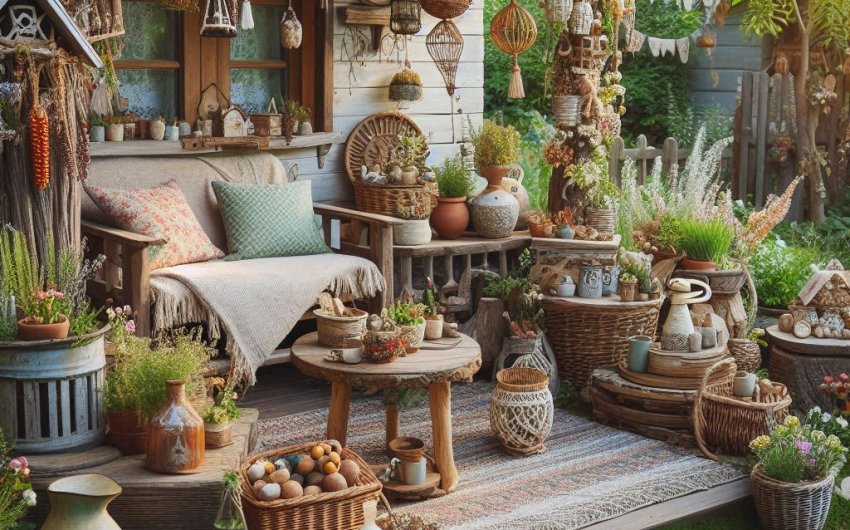
Transforming your outdoor space into a charming, inviting haven doesn't require a hefty investment or expensive boutique finds. Embracing DIY rustic garden decor ideas on a budget allows you to infuse your personal touch and creativity into every corner, turning salvaged treasures and natural elements into unique, character-filled accents. This guide explores a wealth of imaginative, wallet-friendly projects that will help you craft a warm, earthy aesthetic in your garden, showcasing the beauty of imperfection and the charm of reclaimed materials.
Why Choose DIY Rustic Garden Decor?
Opting for DIY rustic garden decor is a delightful way to personalize your outdoor space, adding warmth, character, and a touch of nostalgic charm without breaking the bank. This approach celebrates imperfection, natural textures, and the beauty of repurposed materials, allowing you to create a garden that feels genuinely lived-in and uniquely yours. It's an artistic expression that transforms salvaged items into cherished focal points, proving that style doesn't have to come with a high price tag.
What is Rustic Garden Decor?
Rustic garden decor embraces natural materials, weathered textures, and an informal, often handmade aesthetic. It's about bringing the feel of the countryside, a farmhouse, or a charming cottage into your outdoor living space.
- Key Characteristics:
- Natural Materials: Heavily features wood (especially reclaimed or weathered), stone, metal (often rusted or patinated), natural fibers, and repurposed elements.
- Weathered Look: Embraces the beauty of age, wear, and natural distressing. Chips, cracks, and rust are often seen as desirable traits that add character.
- Handmade Feel: Often looks like it was crafted by hand, not mass-produced. Imperfections are part of the charm.
- Earthy Color Palette: Tends towards muted, natural tones – browns, greens, grays, creams, rusts, and weathered blues.
- Comfort and Simplicity: Focuses on creating a comfortable, unpretentious, and inviting atmosphere.
- Nostalgia: Often evokes a sense of history, heritage, and simpler times.
- Contrast to Other Styles:
- Modern: Rustic is the antithesis of sleek, minimalist, and manufactured-looking modern decor.
- Formal: Unlike manicured and symmetrical formal gardens, rustic is often asymmetrical and feels more natural or wild.
- Contemporary: While modern rustic exists, pure rustic tends to shy away from highly polished or cutting-edge materials.
What are the Benefits of DIY Rustic Decor?
Beyond the charming aesthetic, choosing to create your own rustic decor offers significant practical and personal advantages.
- Budget-Friendly: This is often the primary motivator. Rustic decor frequently relies on repurposed, salvaged, or inexpensive natural materials, dramatically cutting costs compared to buying new items.
- Unique and Personalized: No two DIY rustic pieces will ever be exactly alike. This ensures your garden has a unique character that truly reflects your creativity and style, setting it apart from mass-produced looks.
- Eco-Friendly and Sustainable: Repurposing and upcycling materials (e.g., old pallets, tires, buckets) reduces waste going to landfills and lessens the demand for new resources. It's a fantastic way to green your gardening efforts.
- Therapeutic and Rewarding: The process of scouting for materials, envisioning a new purpose, and then crafting something with your own hands is incredibly satisfying and a wonderful creative outlet.
- Durable and Weather-Resistant: Many rustic materials, like solid wood, stone, and aged metal, are inherently robust and can withstand outdoor conditions for years, often looking even better with age and weathering.
- Easy to Maintain (Often): The weathered look of rustic decor means it doesn't need to be kept pristine. Chips, fading, and rust can simply add to its charm.
- Flexibility: Rustic elements blend well with various garden styles, from cottage gardens to modern natural landscapes.
Where Can You Find Materials for Rustic Decor on a Budget?
The hunt for materials is often the most exciting part of creating DIY rustic garden decor on a budget. Repurposing discarded items and tapping into natural resources can yield incredible finds for little to no cost.
Free or Very Low-Cost Sources
These are your primary hunting grounds for budget-friendly treasures.
- Your Own Home/Garage/Shed: Before you look elsewhere, rummage through your own forgotten corners.
- Items: Old tools (rakes, shovels, watering cans), broken ceramics, empty bottles, old wooden crates, leftover lumber scraps, rusty metal pieces, old buckets.
- Tip: Clean out your own space and look at items with new eyes – could that old ladder be a plant stand?
- Recycling Centers/Transfer Stations: Some facilities have areas where you can scavenge usable items for free or a small fee. Call ahead to check their policies.
- Items: Old metal, plastic containers, occasionally wood.
- Construction Sites (with permission): Ask construction managers if they have scrap wood (especially pallets, untreated lumber scraps) or other materials they're discarding. Always ask permission first.
- Items: Pallets (check for "HT" stamp for heat-treated, avoid "MB" for chemically treated), untreated wood scraps, discarded bricks.
- Roadside/Curbside Finds: Many people put out unwanted items for bulk trash pickup. Drive around your neighborhood on collection days.
- Items: Old furniture (wooden chairs, dressers), metal items, sometimes old tools. Be selective and bring gloves.
- Community Groups/Online Free Sites:
- Websites: Craigslist "Free" section, Freecycle, local Buy Nothing groups on Facebook.
- Items: People give away everything from old tires to wooden furniture, sometimes even stone or bricks from renovations.
- Yard Sales/Estate Sales/Flea Markets:
- Items: Old tools, buckets, galvanized tubs, wooden crates, vintage signs, old wagons.
- Tip: Go late in the day when sellers are more likely to negotiate prices or even give items away.
- Nature's Bounty:
- Items: Fallen branches, interesting logs, unique stones, river rocks, pinecones.
- Tip: Be respectful of public lands. Collect only from your own property or with permission from landowners. Ensure logs are untreated and not diseased.
Inexpensive Retail Sources
When you need specific components or can't find them for free, these stores offer budget-friendly options.
- Thrift Stores/Habitat for Humanity ReStores:
- Items: Cheap ceramic pots, old wooden frames, small furniture pieces, baskets, glass bottles.
- Dollar Stores:
- Items: Basic metal buckets, small ceramic items, twine, small decorative elements that can be painted or distressed.
- Hardware Stores/Home Improvement Stores:
- Items: Inexpensive lumber (e.g., common pine), basic chains, S-hooks, twine, nails, screws, spray paint. Look for scrap bins or discounted items.
- Discount Stores:
- Items: Seasonal decor items that can be repurposed or distressed.
Tools for DIY Projects
A few basic tools will make most rustic decor projects possible.
- Safety Gear: Gloves, safety glasses, dust mask.
- Basic Hand Tools: Hammer, screwdrivers, pliers.
- Saw: Hand saw or a small circular saw for cutting wood.
- Drill: Cordless drill for pilot holes and screws.
- Sandpaper/Sanding Block: For smoothing rough edges or distressing.
- Paint Brushes/Spray Paint: For finishing.
- Wire Brush/Steel Wool: For cleaning rust or preparing surfaces.
What are Creative DIY Ideas for Rustic Planters?
Transforming everyday or discarded items into unique planters is a hallmark of DIY rustic garden decor on a budget. These projects not only provide charming homes for your plants but also reduce waste and add instant character.
Repurposed Containers as Planters
Look beyond traditional pots to create unexpected and charming planting spots.
- Old Wooden Crates/Pallets:
- Idea: Line a vintage wooden crate with landscaping fabric or heavy plastic (pierce drainage holes) and fill with soil. Create multi-tiered planters by stacking pallets or crates.
- How-to: Ensure wood is untreated. Clean thoroughly. Add drainage holes if needed. Line before filling.
- Galvanized Tubs/Buckets:
- Idea: Classic rustic look. Use galvanized wash tubs or buckets as large planters.
- How-to: Drill drainage holes in the bottom if none exist. Their weathered patina is part of the charm.
- Old Tires:
- Idea: Stack painted tires to create multi-level planters. Fill with soil.
- How-to: Clean thoroughly. Paint with brightly colored outdoor spray paint, or use as-is for a more industrial rustic look.
- Tin Cans:
- Idea: Collect various sized tin cans. Remove labels, clean, and drill drainage holes. Paint them, distress them, or leave them natural. Hang them on a palisade wall hook.
- How-to: Use a can opener that removes the top without leaving sharp edges. Drill multiple holes.
- Old Wheelbarrows/Wagons:
- Idea: A leaky vintage wheelbarrow or abandoned wagon becomes a charming, large-scale planter.
- How-to: Ensure good drainage. Can be stationary or functional as a mobile planter.
Natural Elements as Planters
Bring the raw beauty of nature directly into your planting schemes.
- Hollow Logs/Stumps:
- Idea: Find a sturdy, naturally hollowed-out log or stump. Fill the hollow with soil and plant directly into it.
- How-to: Ensure the log is stable and rot-resistant. Drill additional drainage holes if possible. A tree stump planter adds immediate rustic appeal.
- Stacked Rocks/Stone Planters:
- Idea: Dry stack flat stones or bricks to create natural-looking raised bed walls or individual planting pockets.
- How-to: Use flat, stable stones. No mortar needed for simple dry stacking.
Creative DIY Planter Styles
- Vertical Planters from Pallets:
- Idea: Attach boards to the bottom of pallet openings to create pockets, then mount vertically.
- How-to: Use heat-treated (HT) pallets only. Sand rough edges. Add landscape fabric lining.
- Ladder Planter:
- Idea: Repurpose an old wooden ladder by placing planks across the rungs to hold potted plants.
- How-to: Ensure the ladder is sturdy and stable. Paint or seal for outdoor use. A wooden ladder plant stand is a quick conversion.
What are Charming DIY Ideas for Rustic Garden Accents?
Beyond planters, adding small, thoughtful touches can really enhance the rustic charm of your garden. These DIY garden decor ideas use common, inexpensive materials to create focal points and whimsical details.
Upcycled Metal Accents
Give old metal objects a new life as decorative elements.
- Rusty Tools as Wall Art:
- Idea: Hang old, rusty garden tools (rakes, shovels, hoes) on a fence or shed wall for a vintage, weathered look.
- How-to: Clean off loose rust. Seal with a clear coat to prevent further flaking if desired.
- Tin Can Lanterns:
- Idea: Pierce holes in tin cans with a hammer and nail (create patterns!). Paint them or leave them natural. Place small LED fairy lights or candles inside.
- How-to: Use various sized cans. Handle edges carefully.
- Watering Can Planters/Decor:
- Idea: A vintage watering can can hold a small potted plant, or simply be used as a decorative accent on a shelf or hung.
- How-to: Drill drainage holes if using as a planter.
- Old Springs/Cogs as Sculptures:
- Idea: Find old metal springs, gears, or cogs. Group them together to create small, abstract sculptures.
- How-to: Clean off loose rust. Can be painted or left natural.
Natural Wood and Stone Details
Embrace the raw beauty of materials straight from nature.
- Log Edging for Garden Beds:
- Idea: Use natural logs (ensure they're untreated and not diseased) to create rustic borders around garden beds.
- How-to: Partially bury them to keep them stable.
- Stone Pathways/Stepping Stones:
- Idea: Create informal pathways using flat river stones, flagstone scraps, or reclaimed bricks.
- How-to: Dig a shallow trench, lay sand or gravel base, then place stones/bricks, filling gaps with sand or soil.
- Twig and Branch Trellises/Supports:
- Idea: Use sturdy, fallen branches and twigs to create natural-looking trellises for climbing plants or simple plant stakes.
- How-to: Weave twigs together, or lash branches with natural twine. A rustic twig trellis adds charm.
- Driftwood Sculptures:
- Idea: Find interesting pieces of driftwood and arrange them as sculptural elements or incorporate small air plants.
- How-to: Clean thoroughly.
Whimsical and Repurposed Elements
Inject personality and fun with unexpected uses for old items.
- Old Shutters as Wall Decor:
- Idea: Paint and distress old wooden shutters. Hang them on a fence or wall as a backdrop for plants.
- How-to: Clean thoroughly. Sand lightly. Paint with outdoor paint. Use a distressing tool for wood or sandpaper.
- Wine Bottle Edging/Borders:
- Idea: Bury empty wine bottles (or other glass bottles) upside down, neck first, to create a colorful, informal border around a bed.
- How-to: Dig a shallow trench. Ensure bottles are clean.
- Broken Pottery Mosaics:
- Idea: Use broken ceramic pieces to create mosaics on stepping stones, pot surfaces, or garden ornaments.
- How-to: Use outdoor-grade adhesive and grout.
- Birdhouses/Feeders from Scraps:
- Idea: Construct simple birdhouses or feeders from reclaimed wood scraps. Let them weather naturally.
- How-to: Use outdoor wood glue and small nails.
How Do You Maintain Your DIY Rustic Decor?
The charm of DIY rustic garden decor lies in its weathered appearance, which means less pristine maintenance than other styles. However, a little care will ensure your creations last longer and continue to add character to your outdoor space.
General Care for Rustic Elements
- Embrace Weathering: For most rustic pieces (especially wood and naturally rusting metal), the signs of age and exposure to the elements are part of their appeal. Don't fight it.
- Seasonal Cleaning: Once or twice a year, give your decor a light cleaning.
- Wood: Brush off loose dirt. If mold or mildew appears, scrub with a solution of mild soap and water (or a very diluted bleach solution if severe). Rinse thoroughly.
- Metal: Brush off loose rust or dirt. For purely decorative pieces, you can let them continue to rust. For functional items or those you want to preserve a certain patina, you might consider a clear matte outdoor sealant.
- Stone/Concrete: Scrub with a stiff brush and water.
- Check for Stability: Periodically inspect wooden structures for rot or loose fasteners. Tighten screws or reinforce weak points. Ensure stone stacks are stable.
- Drainage for Planters: Always ensure planters have adequate drainage holes. Clogged holes can lead to soggy soil and plant death.
Protecting Your Creations
While rustic decor thrives outdoors, some simple protection can extend its life, especially for wooden items.
- Sealing Wood (Optional): If you want to prolong the life of untreated wood or prevent a "bleached" look, apply an exterior wood sealer or stain. Choose low-VOC or natural oil-based options for eco-friendliness.
- Elevate Off Ground: For wooden planters or benches, elevate them slightly off the damp ground using small bricks or plastic pot feet to prevent rot from continuous moisture contact.
- Winter Storage (for delicate items): While many rustic pieces are robust, consider bringing very delicate wood creations or certain painted items indoors during harsh winter weather to further extend their lifespan.
- Sunlight Rotation (for wood): If a wooden piece is receiving intense, constant direct sun on only one side, periodically rotate it to ensure even weathering and prevent excessive cracking.
Embracing DIY rustic garden decor ideas on a budget is a journey of creativity and resourcefulness. By transforming salvaged materials and natural elements into charming accents, you not only create a unique and inviting outdoor sanctuary but also engage in a sustainable practice that celebrates the enduring beauty of weathered charm and heartfelt craftsmanship.