
How to Grow Tomatoes in Containers Successfully?
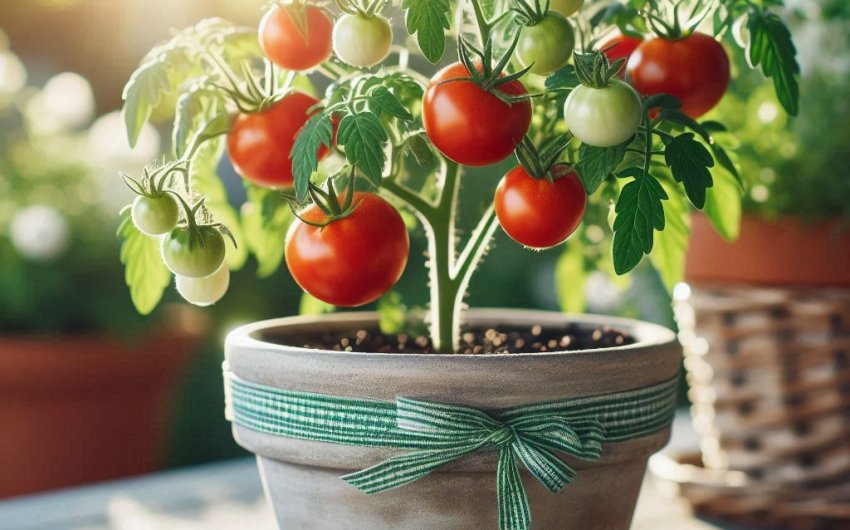
Learning how to grow tomatoes in containers successfully can transform even the smallest balcony or patio into a productive edible garden. Cultivating these popular fruits in pots offers flexibility, control over soil conditions, and the ability to move plants for optimal sunlight. With the right approach, anyone can enjoy a bountiful harvest of fresh, delicious tomatoes without needing a large garden plot.
What Are the Best Tomato Varieties for Container Growing?
Choosing the right tomato variety is the first step to successful container gardening. Not all tomatoes are suited for pots, as some can grow quite large and unwieldy.
- Determinate vs. Indeterminate:
- Determinate (Bush) Tomatoes: These varieties grow to a specific height, produce their fruit all at once, and then stop producing. They are generally smaller and more compact, making them ideal for containers. Examples include Roma tomatoes and Celebrity tomatoes.
- Indeterminate Tomatoes: These plants continue to grow, flower, and produce fruit throughout the entire growing season until frost. They can become very large and require significant support, making them less suitable for containers unless you have a very large pot and robust staking. Examples include most cherry tomatoes like Sungold tomatoes and large beefsteak varieties.
Top Recommended Varieties for Containers
Cherry Tomatoes:
- Description: Small, bite-sized fruits, often very prolific. They are great for snacking and salads.
- Popular Varieties:
- Micro Tom: One of the smallest varieties, perfect for tiny pots.
- Tiny Tim: Another dwarf variety, produces lots of small, sweet red cherries.
- Patio Princess: A determinate cherry suitable for larger containers.
Bush or Dwarf Slicing Tomatoes:
- Description: Varieties that produce medium to large slicing tomatoes on compact plants.
- Popular Varieties:
- Bush Early Girl: A determinate version of the popular 'Early Girl,' good for medium-sized fruit.
- Tumbling Tom: Excellent for hanging baskets or tall containers, cascades over the edge.
- Sub-Arctic Plenty: A very early producer, good for cooler climates or short seasons.
Paste Tomatoes (Determinate):
- Description: Meaty tomatoes with fewer seeds, ideal for sauces and canning.
- Popular Varieties:
- Roma: A classic determinate paste tomato.
- Amish Paste (determinate types): Some determinate versions are available and well-suited for containers.
What is the Ideal Container Size and Type for Tomatoes?
Selecting the correct container size and type is crucial for providing enough root space and ensuring proper drainage for healthy tomato plants. Tomatoes are heavy feeders and need ample room to thrive.
Container Size
Tomatoes need surprisingly large containers to grow well and produce a good harvest. The general rule of thumb is:
- Minimum Size: 5-gallon capacity (about 12 inches in diameter and 12-14 inches deep) for a single determinate tomato plant.
- Optimal Size: 10 to 20-gallon capacity for a single indeterminate plant or larger determinate varieties, allowing for more soil volume and less frequent watering.
Using containers that are too small will lead to stunted growth, nutrient deficiencies, and frequent watering requirements, impacting your overall yield.
Container Materials and Types
Different materials offer various benefits regarding drainage, heat retention, and portability.
- Plastic Pots:
- Pros: Lightweight, affordable, retain moisture well (reducing watering frequency), and come in many colors and sizes.
- Cons: Can get very hot in direct sun, potentially overheating roots. Cheaper plastics can become brittle over time.
- Terra Cotta/Clay Pots:
- Pros: Attractive, heavy (good for stability), and porous, allowing roots to breathe.
- Cons: Dry out very quickly, requiring more frequent watering. Can be heavy and crack in freezing temperatures if left outdoors.
- Fabric Grow Bags:
- Pros: Excellent aeration for roots (prevents root circling), lightweight, foldable for storage, and prevent roots from overheating. Often called "air pruning" pots. Look for fabric grow bags.
- Cons: Dry out faster than plastic pots, requiring more frequent watering. Can be less stable than rigid containers.
- Wooden Planters:
- Pros: Aesthetic appeal, good insulation for roots, and can be custom-built to various sizes.
- Cons: Can be heavy, wood can rot over time (especially untreated wood), and may require liners.
- Self-Watering Planters:
- Pros: Have a reservoir at the bottom, reducing watering frequency and preventing inconsistent moisture levels. Excellent for busy gardeners. Consider a self-watering tomato planter.
- Cons: Can be more expensive. Requires monitoring the water reservoir level.
Drainage Holes
Regardless of the material, ensure your container has adequate drainage holes at the bottom. Tomatoes hate soggy feet, and poor drainage can lead to root rot and other diseases. If your pot doesn't have enough, you may need to drill additional holes.
What is the Best Potting Mix for Container Tomatoes?
The quality of your potting mix is paramount for successful container tomato growing. Unlike garden soil, potting mix provides the ideal balance of aeration, drainage, and water retention that container plants need.
Why Not Use Garden Soil?
- Compaction: Garden soil compacts easily in containers, restricting root growth and drainage.
- Pests and Diseases: It can contain soil-borne diseases, weed seeds, and pests that can harm your tomatoes.
- Nutrient Imbalance: Garden soil nutrient levels can vary widely and may not be suitable for container growing without significant amendments.
Key Characteristics of a Good Potting Mix
A high-quality potting mix for tomatoes should be:
- Lightweight and Well-Draining: Prevents waterlogging while still holding enough moisture.
- Aerated: Allows oxygen to reach the roots, preventing root rot.
- Nutrient-Rich: Provides initial nutrients for healthy plant growth.
- Sterile: Free from weed seeds, pests, and disease pathogens.
Recommended Potting Mix Components
You can buy a commercial potting mix specifically formulated for vegetables or container plants, or you can mix your own.
- High-Quality Commercial Potting Mix: Look for brands that are peat-based or coir-based, often containing perlite, vermiculite, and a slow-release fertilizer. Avoid "topsoil" or "garden soil" for containers. A premium organic potting mix is a good choice.
- Adding Amendments for Enhanced Performance:
- Compost: Incorporating a few handfuls of good quality compost adds essential nutrients, improves soil structure, and enhances microbial activity. Aim for about 10-20% of the total volume.
- Perlite or Vermiculite: These volcanic minerals improve drainage and aeration. Perlite is better for drainage, while vermiculite holds more moisture and nutrients. Add 10-20% to your mix if it seems too dense. You can purchase perlite for gardening or vermiculite.
- Slow-Release Fertilizer: Many commercial potting mixes include a starter fertilizer. If not, consider adding a granular slow-release fertilizer specifically designed for tomatoes at the time of planting.
Filling the Container
- Place a small layer of broken pottery shards or gravel over the drainage holes to prevent soil from washing out. This isn't strictly necessary as modern potting mixes usually drain well, but it can provide extra assurance.
- Fill the container with your chosen potting mix, leaving about 1-2 inches of space from the rim to prevent water overflow during watering.
- Moisten the potting mix thoroughly before planting your tomato seedling.
How Do You Plant Tomato Seedlings in Containers?
Properly planting your tomato seedlings in containers sets them up for strong root development and a healthy start. This process is slightly different from planting other vegetables due to tomatoes' unique ability to grow roots from their stems.
Steps for Planting Tomato Seedlings
Harden Off Seedlings: If you started your tomato seeds indoors or bought them from a greenhouse, they need to gradually get used to outdoor conditions (sun, wind, temperature fluctuations). This process is called "hardening off."
- Start by placing them outdoors in a sheltered, shady spot for a few hours each day, gradually increasing their exposure to sunlight and wind over 7-14 days.
- Bring them indoors at night, especially if temperatures drop below 50°F (10°C).
- This prevents transplant shock, which can stunt growth or even kill young plants.
Prepare the Potting Mix: As mentioned, fill your chosen container with moist, well-draining potting mix, leaving space from the rim.
Dig the Hole: Tomatoes are unique because they can grow new roots along their stems. This means you can plant them deeper than they were in their starter pot.
- Dig a hole deep enough to bury about two-thirds of the seedling's stem. Gently pinch off any leaves on the part of the stem that will be buried. This encourages a stronger root system, making the plant more stable and better able to absorb water and nutrients.
Carefully Remove the Seedling: Gently tip the seedling's original pot on its side and slide the plant out. If it's root-bound (roots are tightly coiled), gently loosen the roots at the bottom with your fingers to encourage them to spread into the new potting mix.
Place the Seedling: Position the seedling in the prepared hole, ensuring the bottom two-thirds of the stem are buried. The remaining leaves should be above the soil line.
Backfill and Firm: Gently backfill the hole with potting mix, lightly firming it around the stem to remove air pockets. Avoid compacting the soil too tightly.
Water Thoroughly: Immediately after planting, water the tomato seedling deeply until water drains from the bottom of the container. This helps settle the soil and provides essential moisture for the roots.
Add Support (Optional, but Recommended): For most container tomatoes, especially determinate varieties, adding a stake or small cage at the time of planting is helpful. It provides early support and avoids disturbing the roots later. We'll cover support structures in more detail in the next section.
How Do You Provide Support for Container Tomatoes?
Providing support for container tomatoes is essential to prevent their branches from breaking under the weight of ripening fruit and to keep the plants upright. Even determinate (bush) varieties benefit from some form of support.
Why Support is Necessary
- Prevents Branch Breakage: Tomato plants, especially those laden with fruit, can become top-heavy and snap in wind or under their own weight.
- Improves Air Circulation: Lifting the plant off the ground allows for better airflow, reducing the risk of fungal diseases.
- Keeps Fruit Clean: Prevents fruit from touching the soil, which can lead to rot or pest issues.
- Easier Harvesting: Fruits are more accessible and visible when the plant is well-supported.
Types of Support Structures for Containers
Tomato Cages:
- Description: Conical or cylindrical wire structures that encircle the plant.
- Pros: Easy to use, simply place the cage over the young plant. Provides all-around support. Look for sturdy tomato cages.
- Cons: Many standard tomato cages are too flimsy or too small for mature tomato plants, especially indeterminate varieties. Choose heavy-duty, wider cages. Can be challenging to store.
- Best for: Determinate varieties and smaller indeterminate varieties.
Stakes:
- Description: A single sturdy stake driven into the potting mix next to the plant. As the plant grows, tie the main stem to the stake.
- Pros: Inexpensive, simple, and takes up less space than cages.
- Cons: Requires regular tying (pruning of suckers is also often done with staking to encourage a single main stem). May not provide enough support for very heavy plants or side branches.
- Materials: Use bamboo stakes, metal rebar, or sturdy wooden poles.
- Best for: Determinate varieties or indeterminate varieties where you prune to a single or double stem.
Trellises:
- Description: A flat structure, often made of wood or metal, that the tomato plant is tied to as it grows upwards. Can be freestanding or against a wall.
- Pros: Excellent for supporting large indeterminate varieties. Provides good airflow.
- Cons: Can take up more space. May require more effort to set up than cages or stakes.
- Best for: Indeterminate varieties, especially if you want to grow them vertically to save space. A garden trellis can work well.
String or Twine Method (for hanging baskets/tall containers):
- Description: For "tumbling" varieties in hanging baskets, their natural habit is to trail. For tall containers, you can hang strings from an overhead support and train indeterminate tomatoes to grow up the strings.
- Pros: Simple for tumbling types. Efficient vertical growth for indeterminate.
- Cons: Requires overhead support for indeterminate.
Tips for Successful Support
- Install Early: Place your chosen support structure when you plant the seedling to avoid disturbing the roots later.
- Securely Anchored: Ensure the support is firmly placed in the potting mix, especially in tall containers, so it doesn't wobble or fall over.
- Tie Loosely: When tying plants to stakes or trellises, use soft materials like garden twine, fabric strips, or specialized tomato plant clips. Tie in a loose "figure-eight" around the stem and the support to prevent girdling (choking the stem as it grows).
- Train Regularly: As the plant grows, gently guide branches through cages or tie them to stakes/trellises weekly.
What Are the Watering and Fertilizing Needs of Container Tomatoes?
Proper watering and fertilizing are arguably the most critical aspects of growing tomatoes in containers successfully. Unlike in-ground plants, container tomatoes have limited access to water and nutrients and rely entirely on you.
Watering Container Tomatoes
Container plants dry out much faster than garden beds, and tomatoes are notoriously thirsty, especially when fruiting.
Frequency:
- Daily, Sometimes Twice Daily: During hot weather, peak fruiting, or for smaller containers, you may need to water once or even twice a day.
- Check Moisture: Don't water on a strict schedule. Instead, check the soil moisture. Stick your finger about 2 inches deep into the potting mix. If it feels dry, it's time to water.
- Consistent Moisture: The key is consistent moisture. Avoid extreme fluctuations between soggy and bone-dry, as this can lead to issues like blossom end rot.
How to Water:
- Deep Watering: Water slowly and deeply until water drains from the bottom of the container. This ensures the entire root ball is moistened.
- Avoid Wet Leaves: Try to water the base of the plant, avoiding getting water on the leaves, especially in the evening. Wet leaves can promote fungal diseases. A watering can with a long spout or a soaker hose for containers can be helpful.
- Self-Watering Planters: If using a self-watering pot, check the reservoir daily and refill as needed.
Fertilizing Container Tomatoes
Tomatoes are heavy feeders, and the nutrients in potting mix can deplete quickly. Regular feeding is essential for a bountiful harvest.
Initial Fertilization:
- Many commercial potting mixes contain a starter fertilizer, which provides nutrients for the first few weeks.
- If your mix doesn't, or you're mixing your own, incorporate a granular slow-release tomato fertilizer into the potting mix at planting time.
Ongoing Fertilization:
- Start Feeding: Begin regular feeding when the first flowers appear, or about 3-4 weeks after planting, whichever comes first.
- Type of Fertilizer: Use a liquid tomato fertilizer or a water-soluble tomato food that is high in phosphorus and potassium (the middle and last numbers in the NPK ratio, e.g., 5-10-10 or 2-4-8). Nitrogen (the first number) promotes leafy growth, which is good early on but less desirable when you want fruit.
- Frequency: Follow the product instructions, but generally, liquid fertilizers are applied every 1-2 weeks. Slow-release granular fertilizers need less frequent application, typically every 4-6 weeks.
- Calcium Supplement: To prevent blossom end rot (a common issue where the bottom of the fruit turns black and leathery), ensure your plants have enough calcium. This can be achieved by:
- Using a potting mix with added calcium.
- Applying a calcium supplement for plants if your soil test indicates a deficiency.
- Most often, blossom end rot is due to inconsistent watering rather than a lack of calcium in the soil, so prioritize consistent moisture.
Watering and Fertilizing Schedule Example (Adjust as Needed)
| Growth Stage | Watering | Fertilizing |
|---|---|---|
| Seedling | Keep soil consistently moist, not soggy | No fertilizer needed if using fortified potting mix |
| Vegetative | Water when top 2 inches dry | Begin light feeding with balanced fertilizer or higher N if growth is slow (every 2-3 wks) |
| Flowering/Fru | Water daily, possibly twice daily | Switch to higher P/K fertilizer (every 1-2 wks liquid; 4-6 wks granular) |
What Sunlight and Location are Best for Container Tomatoes?
The right amount of sunlight and location are fundamental for producing sweet, juicy tomatoes in containers. Tomatoes are sun-loving plants that thrive in warmth and bright light.
Sunlight Requirements
- Minimum: Tomatoes need at least 6-8 hours of direct sunlight per day to produce fruit.
- Optimal: 8 hours or more of direct sun will result in the best yields and flavor.
- Why Sun is Key: Sunlight fuels photosynthesis, the process by which plants convert light into energy. Without enough energy, tomato plants will focus on leafy growth rather than developing flowers and fruit. Insufficient light leads to leggy (stretched out), weak plants and very few tomatoes.
Ideal Location for Container Tomatoes
Choosing the right spot for your containers is about maximizing sun exposure while considering other environmental factors.
- South-Facing Locations: In the Northern Hemisphere, a south-facing balcony, patio, or wall typically receives the most direct sunlight throughout the day.
- Reflective Surfaces: Placing containers near a light-colored wall or fence can help reflect additional light back onto the plants, increasing the effective light they receive.
- Protection from Wind: Strong winds can damage tomato plants, especially when they are heavy with fruit. They can also dry out the potting mix very quickly.
- Sheltered Spots: Choose a location that offers some protection from strong gusts, such as near a building or a fence.
- Windbreaks: If wind is an issue, consider setting up a temporary windbreak using a screen or other plants.
- Heat Absorption: Tomatoes love warmth.
- Avoid Overheating: While plastic pots can heat up in direct sun, which can be an issue in extremely hot climates, usually the warmth is beneficial. Fabric grow bags help regulate root temperature better.
- Moving Containers: One of the big advantages of container gardening is the ability to move your plants. If you live in an area with scorching afternoon sun, you might be able to move your containers to a spot that gets morning sun and afternoon shade during the hottest part of the day, if necessary. However, most tomatoes prefer full, all-day sun.
- Accessibility for Care:
- Place containers where you can easily reach them for watering, fertilizing, pruning, and harvesting.
- Consider proximity to a water source to make daily watering convenient.
Common Problems Related to Location
- Leggy Plants: If your tomato plants are tall, thin, and stretched out with sparse leaves, they are likely not getting enough sunlight. Move them to a sunnier spot.
- Poor Fruit Set: If your plants are flowering but not producing many fruits, it could be due to lack of sunlight, but also consider heat (temperatures too high or too low can affect pollination) or inconsistent watering.
- Rapid Drying: If your pots are drying out extremely fast, it could be due to small container size, strong winds, or extremely intense, prolonged heat. Consider larger containers, wind protection, or more frequent watering.
How Do You Prune and Maintain Container Tomato Plants?
Pruning and maintaining container tomato plants correctly can improve air circulation, reduce disease risk, direct the plant's energy towards fruit production, and make harvesting easier. The specific pruning approach depends on whether your tomato is determinate or indeterminate.
Pruning Determinate (Bush) Tomatoes
- Minimal Pruning: Determinate tomatoes generally require very little pruning. Their growth habit is to produce fruit all at once, and heavy pruning can reduce your yield.
- Remove Lower Leaves: As the plant grows, remove any leaves that touch the soil. This prevents soil-borne diseases from splashing up onto the foliage.
- Remove Diseased/Damaged Leaves: Promptly remove any yellowing, spotted, or otherwise unhealthy leaves to prevent disease spread.
- Don't Remove Suckers (Generally): Suckers (small shoots that grow in the "armpit" or axil between the main stem and a branch) on determinate varieties will often produce fruit, so it's generally best to leave them alone.
Pruning Indeterminate Tomatoes
Indeterminate tomatoes benefit greatly from pruning to manage their vigorous growth and encourage larger fruits, though this can slightly reduce the total number of fruits.
Identify and Remove Suckers:
- What is a Sucker? A sucker is a new shoot that emerges from the "axil" (the point where a leaf stem meets the main stem). If left alone, suckers will grow into full, fruiting stems, leading to a sprawling plant with many smaller fruits.
- Why Remove Them? Removing suckers directs the plant's energy into the main stem(s) and existing fruit, improving air circulation and preventing the plant from becoming an unmanageable tangle in a container.
- How to Remove: For small suckers (less than 4 inches), simply pinch them off with your fingers. For larger suckers, use clean, sharp pruning shears to cut them off close to the main stem.
- Frequency: Check for suckers every few days during the growing season, as they grow quickly.
Topping (Optional):
- What is Topping? Towards the end of the growing season, if your indeterminate tomato is still producing new flowers but there isn't enough time for the fruit to ripen before frost, you can "top" the plant. This involves cutting off the main stem above the highest cluster of flowers that you think will have time to mature.
- Why Do It? This forces the plant to put its energy into ripening existing fruit rather than producing new flowers.
Removing Lower Leaves:
- Similar to determinate varieties, remove any leaves on the lower part of the plant that are yellowing, diseased, or touching the soil. This improves airflow and reduces disease risk.
Removing Damaged or Diseased Branches:
- Always remove any branches that show signs of disease (spots, wilting, blight) or are damaged. Use clean pruning shears and sterilize them between cuts with rubbing alcohol to prevent spreading disease.
General Maintenance Tips for Container Tomatoes
- Pest and Disease Monitoring: Regularly inspect your plants for signs of pests (aphids, hornworms, spider mites) or diseases (blight, fusarium wilt). Early detection makes treatment much easier.
- Pests: Use organic pest control methods like neem oil spray or blast aphids with a strong stream of water. Hand-pick larger pests like hornworms.
- Diseases: Ensure good air circulation (pruning helps), avoid overhead watering, and remove affected leaves promptly.
- Pollination Help: In some sheltered container environments, natural pollination might be less effective.
- Gentle Shake: Gently tap or shake the main stem of the plant daily when it's flowering. This helps release pollen.
- Electric Toothbrush: A small electric toothbrush touched to the back of each flower can also aid in pollination.
- Mulching (Optional but Recommended):
- Apply a thin layer of straw mulch or compost on top of the potting mix.
- Benefits: Helps retain soil moisture, suppresses weeds, and keeps the soil temperature more consistent. Avoid mulching right up against the stem to prevent rot.
- Harvesting Regularly: Pick ripe tomatoes promptly. This encourages the plant to produce more fruit.
- How to Harvest: Use clean hands or small pruning shears. Gently twist or cut the fruit from the vine, leaving a small piece of stem attached.
By diligently following these steps on how to grow tomatoes in containers successfully, you'll be well on your way to enjoying a prolific harvest right from your patio or balcony.