
How to Revive a Dying Fiddle Leaf Fig?
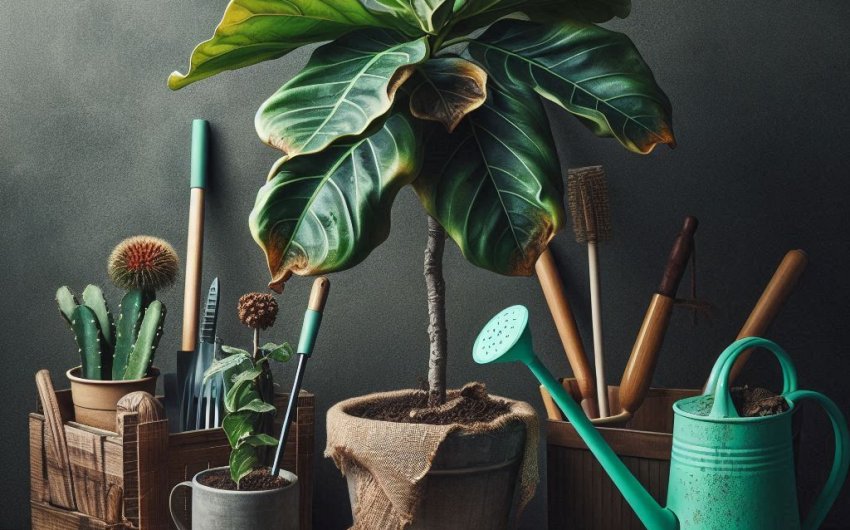
Watching your once-thriving Fiddle Leaf Fig begin to decline can be disheartening, as these popular houseplants are known for being a bit finicky. Brown spots, drooping leaves, or stunted growth are common signs that your Fiddle Leaf Fig is struggling. Fortunately, most issues are reversible, and with the right care adjustments, you can learn how to revive a dying Fiddle Leaf Fig and bring it back to its lush, vibrant self.
What Are the Signs of a Dying Fiddle Leaf Fig?
Before you can learn how to revive a dying Fiddle Leaf Fig, it's crucial to correctly identify the symptoms. Fiddle Leaf Figs communicate their distress through their leaves, and understanding these signals is the first step toward diagnosis and recovery.
Brown Spots on Leaves:
- Description: This is one of the most common and alarming signs. Brown spots can vary in size and location.
- Crispy Brown Spots (Often on Edges or Tips):
- Meaning: Usually indicates underwatering or low humidity. The plant isn't getting enough moisture, and the leaf cells are drying out and dying.
- Appearance: Edges become brittle and crispy.
- Dark Brown/Black Spots (Often on Lower Leaves, Closer to Stem, or Larger Patches):
- Meaning: Almost always a sign of overwatering or root rot. The excess moisture suffocates the roots, causing them to rot. These damaged roots can't supply water to the leaves, leading to cell death. Fungal leaf spot diseases can also cause dark spots, often with a yellow halo, and are exacerbated by overwatering.
- Appearance: Spots can be soft and mushy at first, turning black and crispy as the tissue dies.
Yellowing Leaves:
- Description: Leaves turn pale green, then yellow, sometimes with brown edges.
- Meaning:
- Lower Leaves Yellowing and Dropping: Most commonly indicates overwatering. The plant is shedding older leaves that are suffocating due to lack of oxygen in the soil. It can also be a sign of nutrient deficiency (especially nitrogen), but overwatering is usually the first suspect.
- Overall Yellowing: Can indicate a severe nutrient deficiency, especially if new growth is also pale. Less common as the initial symptom compared to overwatering.
- Yellowing with Crispy Edges: Can also suggest underwatering, where the leaf slowly dies from lack of moisture.
Drooping or Limp Leaves:
- Description: Leaves lose their turgor (firmness) and hang downwards.
- Meaning:
- Underwatering: The plant's cells lack water pressure, causing the leaves to go limp. The soil will be dry.
- Overwatering/Root Rot: Ironically, root rot prevents roots from absorbing water, causing the plant to exhibit drought-like symptoms even though the soil is wet. The soil will be soggy.
- Transplant Shock: If recently repotted or moved, the plant might droop temporarily as it adjusts.
- Sudden Temperature Change: A sudden cold draft or heat blast can cause leaves to wilt.
Leaf Drop:
Advertisement- Description: Leaves, often yellow or brown, detach and fall off the plant.
- Meaning:
- Overwatering/Root Rot: The most frequent cause. The plant sheds severely damaged leaves to conserve energy.
- Underwatering (Severe/Chronic): If a plant consistently dries out too much, it will eventually shed leaves to survive.
- Environmental Shock: Sudden changes in light, temperature, or location can cause stress and leaf drop. Fiddle Leaf Figs are notoriously sensitive to being moved.
- Pests: Severe infestations can weaken the plant, leading to leaf drop.
Stunted or No New Growth:
- Description: The plant isn't producing new leaves, or any new leaves are small and weak.
- Meaning:
- Lack of Light: Insufficient light is a common reason for slow growth.
- Nutrient Deficiency: The plant doesn't have the building blocks for new tissue.
- Root Bound: The roots have filled the pot and have no room to grow, hindering overall plant growth.
- General Stress: Any chronic stress (watering, temperature, pests) can lead to a halt in growth.
Pests (Visible Insects or Residue):
- Description: Tiny insects (spider mites, mealybugs, scale) visible on leaves or stems, or sticky residue (honeydew).
- Meaning: Pests suck sap, weakening the plant and causing discoloration, distorted growth, and overall decline.
By carefully observing these specific symptoms, you can better understand what is ailing your Fiddle Leaf Fig and formulate a plan for how to revive a dying Fiddle Leaf Fig.
How Do You Diagnose the Cause of Decline in a Fiddle Leaf Fig?
Correctly diagnosing the problem is paramount when you're trying to figure out how to revive a dying Fiddle Leaf Fig. Many symptoms can look similar, so a systematic approach is essential.
Examine Your Watering Habits:
- Feel the Soil: This is the first and most important step. Stick your finger 2-3 inches into the soil.
- If Dry: If it's bone dry, your problem is likely underwatering.
- If Soggy: If it's constantly wet, your problem is likely overwatering and potential root rot. This is the #1 killer of Fiddle Leaf Figs.
- Check Drainage: Does your pot have drainage holes? Is water pooling in the saucer? Poor drainage is a direct path to root rot.
- Frequency: How often do you water? Are you watering on a strict schedule, or do you check the soil first?
- Leaf Symptoms Checklist:
- Brown, crispy edges/tips, soil is dry: Underwatering.
- Dark brown/black spots (especially on lower leaves), soil is wet/soggy: Overwatering/Root rot.
- Feel the Soil: This is the first and most important step. Stick your finger 2-3 inches into the soil.
Assess Light Conditions:
- Ideal Light: Fiddle Leaf Figs need bright, indirect light. This means a spot near a sunny window (south or west-facing in Northern Hemisphere) but where direct sun doesn't hit the leaves for hours, or is filtered by a sheer curtain.
- Signs of Too Little Light: Stunted growth, no new leaves, pale green leaves, and often, ironically, symptoms of overwatering (because the plant isn't using as much water in low light).
- Signs of Too Much Direct Light: Scorched spots, bleached-out or yellowing leaves directly facing the sun.
- Location Change: Have you recently moved the plant? Fiddle Leaf Figs hate being moved and can drop leaves in response to even subtle light changes.
Check Temperature and Humidity:
- Ideal Temperature: Fiddle Leaf Figs prefer consistent temperatures between 65-75°F (18-24°C).
- Temperature Stress:
- Cold Drafts: Exposure to cold drafts from windows, doors, or A/C vents can cause rapid leaf drop, often of otherwise healthy-looking leaves.
- Heat Sources: Proximity to heating vents, radiators, or fireplaces can cause very dry air and lead to crispy, brown leaves.
- Humidity: They thrive in moderate to high humidity (50-70%).
- Low Humidity: Can cause brown, crispy edges on leaves, even if watering is correct. This is common in heated homes during winter.
Inspect for Pests:
- Thorough Examination: Carefully check the tops and (especially) undersides of leaves, stems, and leaf axils (where leaves meet stems) for tiny insects. Use a magnifying glass if needed.
- Common Pests:
- Spider Mites: Tiny dots, fine webbing.
- Mealybugs: White, cottony masses.
- Scale: Small, brown, stationary bumps on stems or leaves.
- Symptoms: Sticky residue (honeydew), distorted new growth, yellowing, or tiny stippling on leaves.
Examine the Roots (The "Pull Test"):
- Last Resort, but Crucial: If you suspect overwatering or root rot, you might need to gently unpot the plant to inspect the roots.
- Healthy Roots: Will be firm, pale, and often have a fresh, earthy smell.
- Root Rot: Roots will be soft, mushy, black or dark brown, and might have a foul, rotten smell.
- Root Bound: Roots are circling tightly around the inside of the pot. This can inhibit nutrient uptake and lead to stunted growth.
By systematically going through this diagnostic checklist, you can pinpoint the specific issues plaguing your Fiddle Leaf Fig and determine the most effective strategy for how to revive a dying Fiddle Leaf Fig.
How Do You Treat Overwatering and Root Rot in a Fiddle Leaf Fig?
Overwatering and root rot are the leading causes of death for Fiddle Leaf Figs. If your diagnosis points to these issues, immediate and decisive action is required to learn how to revive a dying Fiddle Leaf Fig.
Immediate Action: Stop Watering!
- First Step: If the soil is soggy, stop watering immediately. Do not water again until the soil has dried out significantly.
Improve Drainage and Aeration (without repotting first):
- Tilt the Pot: If water is sitting in the saucer, remove the plant from the saucer and tilt the pot to drain any excess water.
- Elevate: Place the pot on pot feet or blocks to allow air to circulate underneath the pot and improve drainage.
- Aeration (Gentle): For slightly soggy soil, you can gently poke a few holes into the soil with a chopstick or thin dowel to allow more air to reach the roots and help it dry out faster. Be very careful not to damage the roots.
Unpot and Inspect Roots (If Suspect Root Rot):
- When to Do It: If your plant continues to decline, drops many dark-spotted leaves, or if the soil is consistently waterlogged, it's time for surgery.
- Process:
- Gently remove the Fiddle Leaf Fig from its pot. Lay it on its side and carefully ease the root ball out.
- Shake off as much of the old, soggy soil as possible. You may need to gently rinse the roots under lukewarm water to get a clear view.
- Identify Rotten Roots: Healthy roots are firm and light-colored (white or tan). Rotten roots will be soft, mushy, black, brown, or even smell foul.
- Trim Rotten Roots: Using clean, sharp, sterilized pruning shears or scissors, carefully cut away all affected roots. Cut back to healthy, firm root tissue. Don't be afraid to remove a significant portion if necessary – it's better to remove all the rot than leave some behind.
- Clean Pot: If reusing the same pot, clean it thoroughly with a 10% bleach solution and rinse well to kill any fungal spores.
Repot with Fresh, Well-Draining Soil:
- New Potting Mix: Repot your Fiddle Leaf Fig into fresh, well-draining potting mix. A good mix for Fiddle Leaf Figs should be airy and drain quickly. You can use a standard houseplant potting mix and amend it with extra perlite or bark chips for improved drainage.
- Recipe: A common mix is 50% good quality potting soil, 25% perlite, and 25% chunky bark or coco coir.
- Pot Size: When repotting due to root rot, sometimes it's better to move to a pot the same size or even slightly smaller, if a significant amount of the root system was removed. A pot that is too large holds too much moisture, inviting a repeat of root rot.
- Planting: Place the plant in the pot, ensuring it's at the same depth as before. Backfill with new soil, gently tamping it down.
- No Water (Immediately): Do not water immediately after repotting for root rot. Allow the freshly cut roots to "scab over" for a few days (3-7 days) to prevent further infection.
- New Potting Mix: Repot your Fiddle Leaf Fig into fresh, well-draining potting mix. A good mix for Fiddle Leaf Figs should be airy and drain quickly. You can use a standard houseplant potting mix and amend it with extra perlite or bark chips for improved drainage.
Post-Treatment Care:
- Patience: Recovery from root rot takes time. The plant will be stressed.
- Monitor Watering: After the initial dry period (post-repotting), water very sparingly until you see signs of new growth or the plant perks up. Always check the soil deeply before watering.
- Bright, Indirect Light: Place the recovering plant in a spot with plenty of bright, indirect light to encourage faster recovery.
- Avoid Fertilizing: Do not fertilize a stressed or recovering Fiddle Leaf Fig. Wait until you see strong new growth.
By taking these critical steps, you stand a much better chance of successfully treating overwatering and root rot, truly understanding how to revive a dying Fiddle Leaf Fig.
How Do You Fix Underwatering and Low Humidity for a Fiddle Leaf Fig?
If your Fiddle Leaf Fig is showing signs of underwatering or suffering from low humidity, these are generally easier problems to fix than overwatering. Addressing these issues correctly is crucial for how to revive a dying Fiddle Leaf Fig.
Addressing Underwatering:
- Symptoms: Crispy brown spots (especially on edges and tips), drooping/limp leaves, dry and hard soil, leaf drop.
- The Solution: A Deep Soak:
- Check the Soil: Confirm the soil is thoroughly dry, not just on the surface.
- Slow, Deep Water: Water the plant slowly and thoroughly. You want to fully saturate the root ball.
- Method 1 (Top Watering): Pour water slowly over the soil surface until it begins to drain from the bottom of the pot. Let it drain for a few minutes, then repeat once or twice to ensure the soil is fully rehydrated.
- Method 2 (Bottom Watering/Soaking): Place the potted Fiddle Leaf Fig (if small enough) into a larger basin or tub filled with 2-4 inches of water. Let the plant sit for 20-30 minutes, allowing the soil to wick up water from the bottom.
- Drain Excess: After watering, ensure all excess water drains out of the pot. Never let the pot sit in standing water.
- Future Watering: Establish a consistent watering routine based on soil moisture, not a schedule. Stick your finger 2-3 inches into the soil; water only when it feels dry at that depth. For larger pots, a soil moisture meter can be very helpful.
Addressing Low Humidity:
- Symptoms: Crispy brown edges and tips on leaves, even if watering seems adequate. This is very common, especially in winter when indoor heating dries the air.
- Solutions for Boosting Humidity:
- Pebble Tray: Place a shallow tray filled with pebbles under your plant's pot. Add water to the tray just below the level of the pebbles, ensuring the pot doesn't sit in standing water. As the water evaporates, it creates a more humid microclimate around the plant. A plant humidity tray can be effective.
- Humidifier: The most effective way to increase ambient humidity. Place a room humidifier for plants near your Fiddle Leaf Fig. Aim for 50-70% humidity.
- Grouping Plants: Grouping humidity-loving plants together can create a mini-microclimate of higher humidity as they transpire.
- Misting (Limited Effect): While often suggested, misting only provides a very temporary humidity boost (lasting minutes). It can also leave water spots or encourage fungal issues on leaves if done improperly. Use a fine mist spray bottle if you do mist, and ensure good air circulation.
- Relocation: If feasible, move the plant to a naturally more humid room like a well-lit bathroom or kitchen.
Patience and Observation:
- Recovery: While these issues are fixable, brown leaves will not turn green again. You'll need to wait for new, healthy growth to appear.
- Monitor: Keep a close eye on new leaves to ensure they emerge without browning or crisping, indicating your adjustments are working.
By consistently applying these techniques, you can effectively counteract underwatering and low humidity, making significant progress on how to revive a dying Fiddle Leaf Fig.
What About Light, Temperature, and Other Environmental Stresses?
Beyond watering, environmental factors play a huge role in the health of your Fiddle Leaf Fig. Addressing issues with light, temperature, and general stress is essential for figuring out how to revive a dying Fiddle Leaf Fig.
Optimizing Light Conditions:
- Bright, Indirect Light: Fiddle Leaf Figs need abundant bright light but dislike harsh, direct sun, especially hot afternoon sun which can scorch their leaves.
- Ideal Spot: Place your Fiddle Leaf Fig within a few feet of a large, bright window (south or west-facing are often best in the Northern Hemisphere, but filtered by a sheer curtain or set back). East-facing windows can provide gentle morning sun.
- Rotate Periodically: Rotate your plant every few weeks to ensure all sides receive even light exposure. This prevents it from growing lopsided.
- Signs to Adjust:
- Too Little Light: Leggy growth, small new leaves, overall pale color, or combined with overwatering symptoms (because the plant isn't using as much water). Move it closer to a window.
- Too Much Direct Light: Bleached or yellow patches, crispy brown spots, often directly where the sun hits the leaf. Move it back from the window or add a sheer curtain.
- Supplemental Lighting: If natural light is insufficient, consider using a grow light for indoor plants. Look for a full-spectrum LED light.
Maintaining Stable Temperatures:
- Consistent Warmth: Fiddle Leaf Figs prefer consistent temperatures between 65-75°F (18-24°C). Avoid sudden fluctuations.
- Beware of Drafts: Keep your plant away from cold drafts from windows, exterior doors, or air conditioning vents, especially in winter. Cold stress can cause rapid leaf drop.
- Avoid Heat Sources: Don't place your Fiddle Leaf Fig directly next to heating vents, radiators, fireplaces, or appliances that emit heat. These create very dry, hot air that will stress the plant and lead to brown, crispy leaves.
- Seasonal Changes: Be mindful of how your home's temperature changes with the seasons and adjust the plant's location accordingly.
Minimizing Environmental Shock:
- They Hate Being Moved: Fiddle Leaf Figs are notoriously sensitive to environmental changes. Even moving them across the room can trigger leaf drop.
- Gradual Acclimation: If you must move your plant (e.g., from outdoors to indoors for winter), try to do it gradually or ensure the new environment is as consistent as possible.
- Don't Overreact: If your plant drops a few leaves after a move, it might just be adjusting. Continue with consistent care and monitor for new growth before panicking.
Addressing Nutrient Deficiencies (Less Common Cause of Initial Decline):
- Symptoms: Overall pale green or yellowing leaves (chlorosis), stunted new growth. Usually, watering issues cause symptoms before nutrient problems are evident.
- Soil Test (Optional): If you suspect nutrient issues after ruling out watering and light, a soil test kit can confirm deficiencies.
- Fertilization (Once Stable): Once your plant has recovered from any major issues and is showing new, healthy growth, you can begin a regular fertilization routine.
- Use a balanced liquid fertilizer (e.g., 9-3-6 or 3-1-2 ratio) specifically for Fiddle Leaf Figs or general houseplants.
- Dilute to half strength and fertilize every 2-4 weeks during the active growing season (spring and summer).
- Do not fertilize in fall or winter.
- A Fiddle Leaf Fig specific fertilizer often has the ideal NPK ratio.
By providing a stable, optimal environment in terms of light and temperature, and managing environmental shocks, you create the best possible conditions for how to revive a dying Fiddle Leaf Fig and encourage its long-term health.
How Do You Deal with Pests on a Fiddle Leaf Fig?
Pests can significantly weaken your Fiddle Leaf Fig and contribute to its decline. Catching them early and treating them effectively is a vital part of how to revive a dying Fiddle Leaf Fig.
Regular Inspection is Key:
- Frequency: Make it a habit to inspect your Fiddle Leaf Fig thoroughly every week or two. Pay close attention to the undersides of leaves, stems, and the crooks where leaves meet stems.
- Tools: A small magnifying glass can help you spot tiny pests.
- Early Detection: The earlier you detect pests, the easier they are to eliminate before they cause severe damage.
Common Fiddle Leaf Fig Pests and Their Signs:
- Spider Mites:
- Signs: Tiny red, brown, or black dots. Fine, wispy webbing, especially on the undersides of leaves or where leaves meet stems. Leaves may look stippled (tiny yellow dots) or dusty.
- Location: Thrive in dry, low-humidity conditions.
- Mealybugs:
- Signs: Small, soft-bodied insects covered in white, cottony or waxy masses. Often found in leaf axils or along leaf veins. May leave a sticky residue (honeydew).
- Scale Insects:
- Signs: Small, oval-shaped bumps (brown, black, or reddish) that are stationary and adhere tightly to stems and leaves. Can look like part of the plant. Also produce honeydew.
- Fungus Gnats:
- Signs: Tiny, black, mosquito-like flies hovering around the soil surface, especially when watered. Their larvae (tiny clear-white worms) live in moist soil and feed on decaying organic matter and sometimes delicate root hairs.
- Location: Indicator of consistently wet soil.
- Spider Mites:
Treatment Strategies (Organic and Safe):
- Quarantine: Immediately isolate any infested plant from other houseplants to prevent the spread of pests.
- Wipe Down Leaves:
- Method: For spider mites and mild mealybug/scale infestations, thoroughly wipe down both the top and underside of every leaf with a damp cloth. You can add a drop of mild dish soap to the water. This physically removes the pests.
- Frequency: Repeat every few days for several weeks.
- Hose Down: For spider mites, take your plant outdoors (if weather permits) or into a shower and thoroughly spray down the foliage with a strong, but gentle, stream of water. Pay extra attention to undersides of leaves.
- Insecticidal Soap:
- Method: Mix according to package directions. Spray affected areas, ensuring complete coverage, especially undersides of leaves.
- Effectiveness: Works by suffocating soft-bodied insects.
- Safety: Generally safe for plants and people. A Neem oil insecticide spray often includes insecticidal soap.
- Neem Oil:
- Method: Mix concentrate with water as directed and spray all plant surfaces.
- Effectiveness: Acts as an insect growth regulator, repellent, and anti-feedant. Also has some fungicidal properties. Takes time to work.
- Safety: Organic and safe for most plants.
- Rubbing Alcohol (for Mealybugs and Scale):
- Method: Dip a cotton swab in 70% isopropyl rubbing alcohol and directly dab individual mealybugs or scale insects.
- Caution: Test on a small, inconspicuous area first, as some plants can be sensitive.
- Addressing Fungus Gnats (The Underlying Cause):
- Allow Soil to Dry: This is the best prevention and treatment. Fungus gnats thrive in moist soil. Allow the top 1-2 inches of soil to dry out completely between waterings.
- Yellow Sticky Traps: Place yellow sticky traps for fungus gnats near the soil surface to catch adult gnats.
- Beneficial Nematodes: For severe infestations, introduce beneficial nematodes to the soil. They are microscopic worms that attack gnat larvae.
- Topdressing: A layer of horticultural sand or fine gravel on the soil surface can deter gnats from laying eggs.
By being vigilant and applying these targeted treatments, you can eliminate pests and remove a significant stressor when learning how to revive a dying Fiddle Leaf Fig.