
Best Sculptures for a Contemporary Garden Look
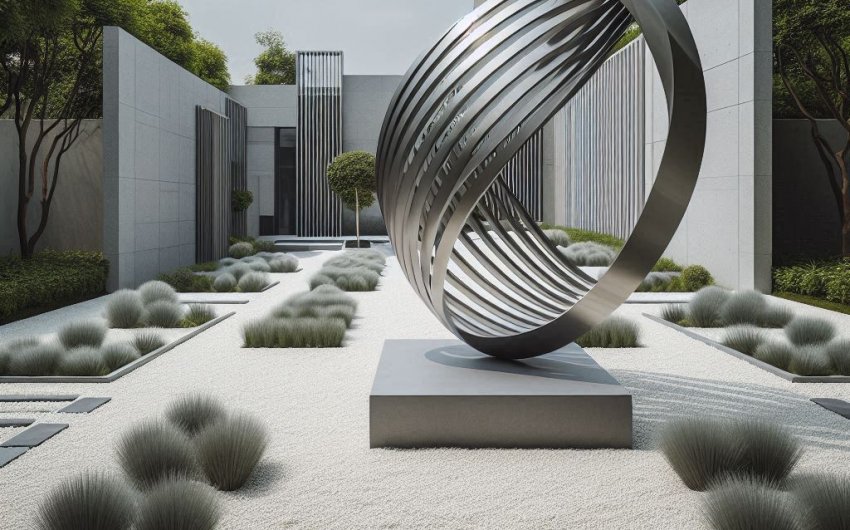
A garden isn't just about plants; it's an outdoor living space, an extension of your home, and an opportunity to express your personal style. If you love clean lines, natural materials, and a sense of calm sophistication, then a contemporary garden might be perfect for you. And to truly elevate that modern aesthetic, nothing works quite like the right garden sculpture.
Contemporary garden sculptures are more than just decorative accents. They are focal points, conversation starters, and artistic statements that add structure, texture, and a touch of the unexpected to your outdoor haven. Forget fussy cherubs or traditional birdbaths; modern gardens call for art that complements their sleek design. This guide will help you discover the best types of sculptures to create that coveted contemporary look in your own garden.
Why Add Sculptures to a Contemporary Garden?
You might think that in a minimalist, clean-lined garden, less is more, and that adding sculpture would clutter the space. But the right sculpture actually enhances a contemporary garden, bringing depth and interest without sacrificing that sleek appeal.
First, creating focal points. Every good garden design needs something to draw the eye, a spot where your gaze can rest. Sculptures are perfect for this. Placed strategically, a striking sculpture can define an area, lead the eye through the garden, or highlight a particular view. In a contemporary setting, a modern garden sculpture often becomes the central feature of a space.
Second, adding structure and form. Contemporary gardens often emphasize strong geometric shapes, repetition, and clean lines. Sculptures, with their defined shapes and often minimalist forms, naturally fit into this design language. They provide year-round structure, especially in winter when many plants are dormant, ensuring your garden maintains its appeal in all seasons.
Third, introducing texture and material contrast. While plants offer organic textures, sculptures bring in a whole new dimension. The smooth coolness of polished stone, the rough patina of corten steel, or the reflective gleam of stainless steel can provide a beautiful contrast to soft foliage and natural landscapes. This interplay of materials is a hallmark of modern garden design.
Fourth, expressing personality and artistry. Your garden is a reflection of you. A well-chosen sculpture is an artistic statement, a piece of art that you live with and enjoy daily. It can evoke emotion, spark conversation, or simply bring you joy. It's a way to personalize your outdoor space in a sophisticated manner.
Finally, enhancing negative space. In contemporary design, the empty spaces (negative space) are just as important as the the filled ones. A carefully placed sculpture can highlight these spaces, creating a sense of balance, openness, and calm. It's about using art to complete the visual composition.
What Materials Work Best for Contemporary Garden Sculptures?
The material of your sculpture plays a huge role in its aesthetic and how it interacts with the surrounding garden. For a contemporary look, focus on materials that are durable, often industrial or natural, and have a sleek or earthy appeal.
Metal Sculptures
Metal is a superstar in contemporary garden design. It offers durability, versatility, and a range of finishes that perfectly complement modern aesthetics.
- Stainless Steel:
- Look: Sleek, highly reflective, modern, and often futuristic.
- Benefits: Extremely durable, corrosion-resistant (won't rust), easy to clean, and reflects light beautifully, creating dynamic visual effects with the changing sun.
- Best Use: Ideal for creating a high-shine focal point, reflecting surrounding plants, or adding a sense of lightness and openness. A polished stainless steel sphere or a piece with abstract, geometric lines can be stunning. You can find stainless steel garden sculptures in various forms.
- Corten Steel (Weathering Steel):
- Look: Industrial, earthy, with a rich, rusted patina that forms naturally over time.
- Benefits: Extremely durable, develops a protective rust layer that prevents further corrosion, requiring no painting or maintenance. Its warm, rusty color provides a beautiful contrast with green foliage and cool-toned hardscaping.
- Best Use: Perfect for adding a natural yet contemporary feel. Works well for abstract shapes, geometric screens, or as a backdrop for architectural plants. A corten steel garden panel can offer both art and privacy.
- Bronze:
- Look: Classic, timeless, develops a beautiful natural patina (often green or brownish-black) over time. Can be polished for a shinier look.
- Benefits: Extremely durable, heavy, and long-lasting. Offers a sense of permanence and gravitas.
- Best Use: While traditional, modern bronze sculptures can have abstract forms that fit contemporary gardens, especially those aiming for a more refined, earthy feel. Often used for figurative but stylized human or animal forms.
- Aluminum:
- Look: Lightweight, can be finished in various colors or polished to a silvery sheen.
- Benefits: Rust-resistant, lighter than steel, and often more affordable.
- Best Use: Versatile for a range of modern forms, especially those that need to be lighter or mounted.
Stone Sculptures
Stone brings a connection to the earth and offers timeless elegance.
- Granite, Basalt, Limestone:
- Look: Natural, earthy, can be rough and textured or highly polished for a sleek finish. Colors range from deep blacks and grays to earthy browns and creams.
- Benefits: Extremely durable, weather-resistant, and grounding. Their natural variations add subtle interest.
- Best Use: Ideal for naturalistic contemporary gardens, adding a sense of permanence. Polished stone spheres or large, naturally shaped boulders can be very impactful. Basalt columns (like basalt water feature) are a popular choice for their architectural form and often used with water features.
- Marble:
- Look: Elegant, classic, can be highly polished to reveal beautiful veining.
- Benefits: Durable, though some types are susceptible to acid rain. Adds a touch of luxury.
- Best Use: Best for highly refined, sculptural forms where smoothness and natural patterns are desired.
Concrete and Fiberglass
These materials offer versatility in form and often more accessible price points.
- Concrete:
- Look: Raw, industrial, minimalist. Can be smooth, textured, or stained.
- Benefits: Durable, relatively inexpensive for large pieces, and extremely versatile in terms of custom shapes and forms.
- Best Use: Excellent for architectural planters, benches, or abstract geometric forms. A minimalist concrete sphere or a series of concrete blocks can create a powerful statement.
- Fiberglass:
- Look: Can mimic other materials (stone, metal) or be finished in vibrant colors or smooth, glossy surfaces.
- Benefits: Lightweight, durable, weather-resistant, and relatively affordable for large-scale pieces.
- Best Use: Good for larger abstract forms or pieces that need to be moved easily.
What Types of Forms and Styles Work Best?
For a true contemporary garden aesthetic, the form of the sculpture is just as important as its material. Think clean lines, abstraction, and a sense of calm.
Abstract Forms
Abstract sculptures are perfect for contemporary gardens because they don't represent anything specific. They invite interpretation and focus on shape, line, and material.
- Geometric Shapes: Spheres, cubes, pyramids, obelisks, or combinations of these. A series of geometric garden spheres can create repetition and rhythm.
- Organic Abstractions: Forms inspired by nature but not directly replicating them (e.g., a smooth, undulating wave shape, or a cluster of elongated, minimalist "reeds").
- Minimalist Designs: Sculptures with very few elements, simple lines, and often a single material. These create a sense of calm and allow the surrounding garden elements to shine.
Architectural Forms
These sculptures often borrow elements from architecture, emphasizing structure and composition.
- Columns and Pillars: Tall, slender forms that add vertical interest and a sense of formality. Can be made from metal, stone, or concrete.
- Screens and Panels: Decorative screens (often in corten steel or aluminum) that can serve as both art and a subtle privacy barrier. They can feature laser-cut patterns or abstract designs.
- Stacked or Layered Forms: Sculptures made from multiple repeating elements, such as stacked stones or layered metal sheets.
Water Features as Sculptures
Many modern water features are designed as sculptures in themselves, combining the beauty of form with the soothing sound of water.
- Basalt Columns: Natural basalt rock cut into varying heights, with water bubbling up from the top and cascading down the sides.
- Disappearing Fountains: Often a sculptural element (like a sphere or an abstract shape) from which water emerges, then disappears into an underground reservoir.
- Sleek Basins or Walls: Simple, rectangular or circular basins where water flows over a smooth surface. A modern wall fountain can add sound and texture.
How Do I Place Sculptures for Maximum Impact?
Placing your sculpture isn't just about sticking it anywhere. Strategic placement enhances its impact and contributes to the overall contemporary garden design.
Creating a Focal Point
- At the End of a Path: A sculpture at the terminus of a pathway draws the eye and encourages movement through the garden.
- Center of a Bed: If you have a large, open garden bed, a well-placed sculpture can be its central anchor.
- Against a Wall: A plain wall or fence can be a perfect backdrop for a striking sculpture, especially if it creates a strong silhouette.
Complementing Plantings
- Contrast: Place a sleek metal sculpture against soft, flowing ornamental grasses. Or a rough stone sculpture amidst smooth-leaved succulents. The contrast makes both the plant and the sculpture stand out.
- Framing: Use architectural plants (like Agave, Phormium, or columnar evergreens) to frame a sculpture, directing the viewer's eye towards it.
- Scale: Ensure the sculpture's size is appropriate for the surrounding plants and the space. A tiny sculpture will get lost in a large garden, and a huge one will overwhelm a small bed.
Considering Lighting
- Daylight: Observe how the sculpture looks at different times of day. Does the changing sunlight create interesting shadows or reflections?
- Night Lighting: Add subtle garden accent lighting (like low voltage landscape spotlights) to illuminate your sculpture at night. Up-lighting can create dramatic shadows, while subtle down-lighting can highlight its form.
Creating Pathways and Movement
- Visual Direction: A series of sculptures can lead the eye along a garden path or define different "rooms" within the garden.
- Unexpected Placement: Sometimes, placing a sculpture in an unexpected spot can create a delightful surprise and encourage exploration.
Integrating with Hardscaping
- Patios and Decks: Sculptures can extend the indoor living space to your patio or deck, serving as a striking feature near outdoor seating.
- Gravel Beds: The clean lines and uniform texture of gravel beds provide an excellent, minimalist backdrop for contemporary sculptures.
By carefully selecting sculptures made from modern materials like stainless steel, corten steel, or polished stone, and choosing forms that are abstract, geometric, or architectural, you can transform your garden into a truly striking outdoor art gallery. These thoughtful additions will elevate your contemporary garden look, creating a space that is both beautiful and uniquely yours.