
How to Design a Rustic Garden with Natural Materials?
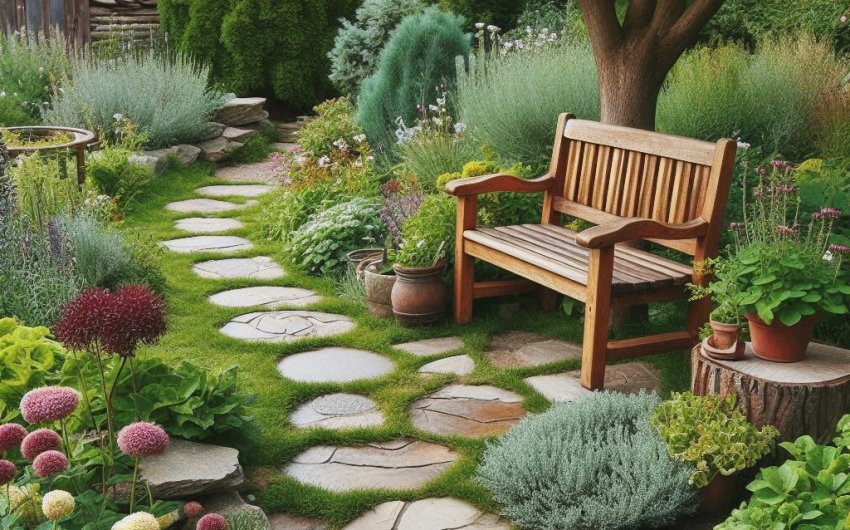
To design a rustic garden with natural materials, focus on incorporating elements like unrefined wood, natural stone, repurposed metal, and native plants. The key is to create an informal, organic feel that blends seamlessly with the surrounding landscape, emphasizing texture, weathered beauty, and a sense of timeless charm.
What Defines a Rustic Garden Style?
A rustic garden style evokes a sense of naturalness, simplicity, and a connection to the countryside. It's about celebrating the beauty of imperfection, weathered textures, and materials that look like they've always belonged there. Unlike formal gardens with manicured lines, rustic gardens embrace a more relaxed, unpretentious, and often wilder aesthetic.
Key Characteristics of Rustic Garden Design
- Natural Materials: The absolute cornerstone. Think wood in its rawest form, rough-hewn stone, aged metal, and abundant plant life.
- Informal Layouts: Paths that meander, planting beds with soft, flowing edges, and a sense of effortless growth rather than strict symmetry.
- Weathered Textures: A key element. Rust, moss, lichen, cracked paint, and faded wood all contribute to the authentic, aged look.
- Repurposed Elements: Old barrels, antique farm tools, discarded wooden crates, and salvaged metal can be given new life as planters or decor.
- Comfort and Coziness: Rustic gardens often feature inviting seating areas, perhaps with a fire pit or a simple wooden bench, encouraging relaxation and connection with nature.
- Emphasis on Native or Hardy Plants: Plants that look at home in the local landscape and require minimal intervention, often including wildflowers, herbs, and sturdy perennials.
- Earthy Color Palette: Tones of green, brown, gray, and muted blues, punctuated by natural pops of color from flowers.
Why Choose a Rustic Garden?
- Timeless Appeal: Rustic designs never go out of style because they connect us to nature.
- Low Maintenance (Potentially): By embracing natural growth and hardy plants, a rustic garden can be less demanding than formal styles.
- Sustainable: Utilizes repurposed materials and often focuses on local resources.
- Relaxing Atmosphere: The informal, natural feel creates a calm and inviting space.
- Unique and Personal: Rustic elements lend themselves well to DIY projects and unique, handcrafted touches.
What Natural Materials are Essential for Rustic Design?
The soul of a rustic garden lies in its authentic, unpretentious materials. These elements should look as if they've been gathered from the landscape itself, or have aged beautifully over time.
1. Wood: Unrefined and Weathered
Wood is arguably the most defining material in a rustic garden. It should showcase its natural grain, knots, and imperfections.
- Logs and Branches: Use whole logs as informal seating, retaining wall edges, or border accents. Large, interesting branches can become sculptural elements or supports for climbing plants.
- Rough-Hewn Lumber: Think untreated or minimally treated planks for raised beds, simple benches, or arbors. The wood should be coarse, not smooth or highly polished. Recycled timber is perfect.
- Twigs and Woven Elements: Create natural fencing from woven willow or hazel branches, or fashion simple trellises from intertwined twigs.
- Tree Stumps: Integrate old tree stumps as planters for succulents or moss, or as small tables.
- Driftwood: For coastal rustic themes, beautiful pieces of driftwood add character and a sense of natural artistry.
- Pallets/Crates: Repurposed wooden pallets or old wooden crates can be transformed into vertical planters, small tables, or unique shelving. Ensure they are untreated or heat-treated (HT stamped) to avoid chemicals.
2. Stone: Earthy and Untamed
Stone adds weight, permanence, and a rugged texture that complements natural wood.
- Fieldstone/Boulders: Use irregular, unmortared fieldstones for retaining walls, path edging, or as standalone focal points. Large boulders can anchor a planting bed or create a natural seating area.
- Flagstone/Stepping Stones: Irregularly shaped flagstones laid dry (without mortar) create charming, informal pathways. The gaps between stones can be filled with moss, groundcovers, or small gravel. Natural flagstone pavers offer a timeless look.
- Gravel/Crushed Stone: For pathways, driveways, or as a mulch alternative. Natural, earthy tones like pea gravel or decomposed granite work well.
- River Rocks/Pebbles: Smooth, rounded stones are great for dry river beds, decorative accents around water features, or as textural elements in borders.
3. Metal: Aged and Repurposed
Avoid shiny, new metal. The rustic aesthetic embraces metal with a beautiful patina of rust or age.
- Corrugated Metal: Salvaged corrugated metal sheets can be used for raised garden beds, privacy screens, or unique shed roofing.
- Wrought Iron (Aged): Old wrought iron gates, fences, or garden furniture with peeling paint or rust add a charming, antique feel.
- Galvanized Tubs/Buckets: Repurpose old galvanized tubs as planters for herbs, flowers, or even small trees.
- Old Farm Tools: Display antique shovels, rakes, or wagon wheels as decorative elements, especially when integrated into plantings.
4. Other Natural Elements
- Wicker/Rattan: For comfortable, informal outdoor furniture that blends seamlessly.
- Terra Cotta Pots: Unglazed clay pots, especially those with a weathered patina, are perfect for rustic container gardening.
- Natural Fabrics: Burlap, cotton, or linen for outdoor cushions, hammocks, or simple shades.
How to Plan the Layout of a Rustic Garden?
The layout of a rustic garden is characterized by its organic flow, gentle curves, and a sense of unfolding discovery, rather than rigid geometry.
1. Embrace Irregularity and Soft Lines
- Avoid Straight Lines: Unlike formal gardens, rustic designs thrive on gentle curves, meandering paths, and irregular shapes.
- Organic Flow: Let your pathways and planting beds follow the natural contours of your land. If your yard has slopes, incorporate them rather than leveling them completely.
- Asymmetry: Instead of perfect symmetry, aim for balance through varied elements and surprising focal points.
2. Create Zones and "Rooms"
Even in an informal setting, defining areas helps with functionality and visual interest.
- Entryway: A simple gate made from reclaimed wood, a stone path, or an old barrel planter can mark the entrance.
- Seating Area: Designate a cozy spot with a rustic bench, log stools, or comfortable adirondack chairs where you can relax.
- Working Zone: A discreet area for composting, potting, or storing tools, perhaps screened by a rustic trellis or hedge.
- Focal Points: Decide on key elements you want to highlight, such as an old water pump, a large specimen tree, or a natural stone fountain.
3. Pathways: Guiding the Eye and Feet
Rustic paths should feel inviting and lived-in.
- Materials: Use irregular flagstone, gravel, wood slices, or even just compacted earth bordered by rough-hewn logs.
- Meandering Design: Paths should invite exploration, perhaps curving gently to reveal new views or a hidden nook.
- Soft Edges: Allow plants to spill slightly over the path edges to soften the hard lines and integrate the path into the plantings.
- Informal Steps: If you have elevation changes, use large, irregular stepping stones or short, rough-cut logs as steps.
4. Walls and Fences: Natural Boundaries
Boundaries in a rustic garden should feel natural and permeable.
- Stone Walls: Dry-stacked fieldstone walls (without mortar) are quintessentially rustic.
- Woven Fences: Construct fences from woven willow, hazel, or repurposed branches for a charming, rustic enclosure.
- Rustic Trellises/Arbors: Use sturdy, untreated wood or natural branches to create arbors or trellises for climbing plants.
- Living Hedges: Consider native shrubs or flowering hedgerows to create natural, informal boundaries that provide habitat.
5. Vertical Elements and Structures
Introduce height and visual interest.
- Pergolas/Arbors: Simple, unpainted wooden structures, perhaps with climbing roses or grapevines.
- Arched Trellises: Natural branches bent into arches or a rustic wooden archway at a path entrance.
- Birdhouses/Feeders: Rustic birdhouses made from natural wood or gourds add charm and attract wildlife.
- Garden Stakes: Use tall, rough-hewn branches as plant stakes.
Which Plants are Best for a Rustic Garden?
Planting in a rustic garden focuses on naturalistic groupings, hardy species, and a blend of textures and forms that feel organic rather than overtly manicured.
1. Embrace Native and Locally Adapted Plants
- Low Maintenance: Native plants are naturally suited to your climate and soil, requiring less water, fertilizer, and pest control.
- Ecological Benefits: They support local wildlife, including pollinators and birds.
- Sense of Place: They contribute to the feeling that your garden is truly part of the wider landscape.
- Research your local native plant societies or nurseries for species suitable for your region.
2. Hardy Perennials and Shrubs
These form the backbone of a rustic garden, providing reliable structure and beauty year after year.
- Flowering Perennials:
- Coneflowers (Echinacea): Daisy-like blooms, tough and drought-tolerant.
- Black-Eyed Susans (Rudbeckia): Cheerful yellow flowers, very hardy.
- Daylilies: Wide range of colors, easy to grow.
- Hostas: For shady spots, with large, textured leaves.
- Sedum (Stonecrop): Drought-tolerant, interesting forms and fall color.
- Lavender: Fragrant, beautiful purple spikes, drought-tolerant.
- Grasses: Ornamental grasses add movement, texture, and a wild, meadow-like feel.
- Switchgrass (Panicum virgatum): Tall, airy.
- Little Bluestem (Schizachyrium scoparium): Blue-green foliage, great fall color.
- Feather Reed Grass (Calamagrostis x acutiflora): Upright, feathery plumes.
- Shrubs: Choose those with interesting bark, berries, or an informal growth habit.
- Hydrangeas (various types): Large, lovely blooms.
- Viburnums: Berries, flowers, and good structure.
- Elderberry: Fast-growing, berries for wildlife, informal.
- Roses (shrub or climbing types): Old-fashioned, less formal roses, often fragrant.
3. Climbing Plants
These are essential for softening structures and adding vertical interest.
- Vines:
- Virginia Creeper (Parthenocissus quinquefolia): Fast-growing, great fall color.
- Trumpet Vine (Campsis radicans): Showy flowers, attracts hummingbirds.
- Clematis: Various colors and bloom times, choose vigorous types.
- Climbing Roses: Romantic and fragrant.
- Wisteria: Beautiful blooms, but can be very vigorous.
4. Edibles and Herbs
Integrate herbs and vegetables directly into your ornamental beds for a cottage garden feel.
- Herbs: Rosemary, thyme, sage, mint, lavender, chives, parsley.
- Vegetables: Leafy greens, pole beans, tomatoes, squash trained on rustic trellises.
- Fruit: Berry bushes (raspberries, blueberries), apple trees (dwarf varieties in containers).
5. Wildflowers and Self-Seeders
Encourage a natural, slightly unkempt look by allowing some plants to self-seed.
- Wildflower mixes: Choose mixes appropriate for your climate zone.
- Cosmos, Bachelor's Buttons, Poppies: Can self-seed charmingly.
Planting Strategy for a Rustic Look
- Drifts and Groupings: Plant in generous drifts or irregular groups rather than single specimens.
- Layering: Combine tall plants at the back, medium ones in the middle, and low-growing groundcovers or trailers at the front.
- Natural Transitions: Allow plants to spill over paths and blend into each other.
- Moss and Lichen: Encourage their growth on stones, wood, and shaded surfaces for an aged, natural look.
- Embrace "Weeds" (Selectively): Learn to differentiate between truly invasive weeds and charming wildflowers that might pop up and add to the natural aesthetic.
How to Incorporate Rustic Elements into Hardscaping?
Hardscaping forms the backbone of your garden, and in a rustic design, it should feel organic, sturdy, and complement the natural environment.
1. Pathways
- Informal Flagstone: Lay irregular flagstone pieces with wide gaps. Fill the gaps with fine gravel, decomposed granite, moss, or low-growing groundcovers like creeping thyme. This creates a soft, natural walk. Irregular bluestone flagstones are excellent.
- Gravel Paths: Use natural crushed stone or pea gravel. Edges can be defined by rough-hewn timbers, larger fieldstones, or simply allowed to merge with surrounding plantings.
- Wood Slice Paths: For lighter traffic areas, cross-sections of logs can be set into a bed of sand or gravel.
- Stepping Stones: Use large, irregularly shaped natural stones or recycled wood rounds set into a lawn or mulch bed.
2. Walls and Retaining Walls
- Dry-Stacked Stone Walls: These are quintessential rustic. They are built without mortar, relying on the weight and interlocking shapes of the stones. They offer excellent drainage and habitat.
- Log Retaining Walls: Use railroad ties (ensure they are safe and untreated) or whole logs stacked and pinned together for a robust, earthy look.
- Gabion Walls (with natural stone): Wire cages filled with local stone can create a modern-rustic look, blending industrial strength with natural materials.
3. Patios and Seating Areas
- Natural Flagstone Patio: Large, irregularly shaped flagstones laid dry or with wide, mortared joints filled with sand, gravel, or groundcover.
- Gravel Patio: Define an area with compacted pea gravel or decomposed granite. Edges can be softened with planting or rustic timber borders.
- Wood Decking (Rustic Style): Use rough-sawn, untreated, or lightly stained wood for a deck that feels less refined than a modern one. Allow for natural weathering.
- Log or Stone Seating: Simple benches made from split logs, or large, flat-topped boulders arranged as natural seating.
4. Water Features
- Natural Ponds: Design ponds with irregular shapes and natural rock edges that blend into the landscape, rather than rigid liners. Incorporate aquatic plants.
- Boulder Fountains: A simple drilled boulder with water bubbling from the top, cascading over the stone.
- Dry River Beds: A winding path of river rocks and larger stones, mimicking a dried-up stream bed, can add visual interest and help with drainage.
5. Edging and Borders
- Rough-Hewn Logs/Timber: Use small logs or thick branches to delineate garden beds.
- Stacked Fieldstone: Low, informal borders made from small, irregular stones.
- Corrugated Metal Edging: A subtle nod to rustic farm style, especially when it develops a rust patina. Steel landscape edging can achieve this.
How to Decorate and Accessorize a Rustic Garden?
The right decorative elements can enhance the rustic charm, but the key is to keep it understated and authentic. Avoid anything overly polished or artificial.
1. Repurposed and Salvaged Items
This is where your creativity truly shines!
- Old Barrels and Casks: Half-barrels make excellent planters for herbs, vegetables, or flowers. Whole barrels can be water features or decorative accents.
- Galvanized Buckets and Tubs: Use them as planters for annuals, herbs, or small shrubs. The weathered metal adds great character.
- Wagon Wheels: Lean an old wagon wheel against a fence, or lay it flat as a decorative element in a gravel bed.
- Antique Farm Tools: Old shovels, rakes, or plows can be mounted on a shed wall or simply placed artfully in a perennial bed.
- Wooden Crates: Stacked crates can form rustic shelving for potted plants or garden tools.
- Tin Watering Cans: Even if they're no longer functional, rusty old watering cans add character.
2. Natural and Handcrafted Decor
- Log Seats/Stools: Simple, rustic seating options that blend seamlessly with the environment.
- Stone Carvings: Simple, unpolished stone sculptures or birdbaths.
- Twig Trellises and Arbors: Hand-woven from natural branches, providing support for climbing plants.
- Birdhouses and Feeders: Made from natural wood, gourds, or other organic materials. A rustic wooden birdhouse can be charming.
- Wind Chimes: Made from natural materials like bamboo, shells, or rough metal.
3. Lighting for Ambiance
Keep lighting subtle and warm.
- Lanterns: Use distressed metal lanterns with LED candles or real candles (with caution).
- String Lights: Warm-white bistro string lights strung across a patio or pergola.
- Solar Pathway Lights: Choose rustic-style solar lights that emit a soft glow along pathways.
- Fire Pit: A simple stone or metal fire pit creates a natural focal point and warmth.
4. Comfortable Furnishings
- Wooden Furniture: Adirondack chairs, picnic tables, or benches made from untreated or distressed wood.
- Wicker/Rattan: Natural wicker or rattan furniture with simple, earthy-toned cushions.
- Hammocks: A canvas or woven rope hammock strung between two trees or sturdy posts.
5. Water Elements
- Old Pump Fountain: A salvaged hand pump repurposed as a fountain.
- Barrel Pond: A half-barrel sunk into the ground or placed on a patio as a mini pond with aquatic plants.
Maintaining the Rustic Look: Embracing Imperfection
A truly rustic garden thrives on a relaxed approach to maintenance, focusing on enhancing its natural charm rather than striving for perfection.
1. Let Nature Take Its Course (Within Reason)
- Embrace Weathering: Allow wood to grey, metal to rust, and stone to develop moss and lichen. These elements contribute significantly to the rustic aesthetic.
- Naturalization: Let plants self-seed where appropriate, and allow groundcovers to spill over path edges.
- No Over-Pruning: Avoid overly formal pruning. Let shrubs and trees retain their natural shapes.
2. Focus on Health, Not Perfection
- Weed Management: While rustic gardens are informal, they're not neglected. Keep aggressive weeds in check to prevent them from choking out desired plants. Focus on hand-pulling or mulching.
- Pest and Disease Control (Organic): Address serious pest or disease issues to maintain plant health, but opt for organic or natural solutions.
- Soil Health: Continue to build healthy soil with compost and natural mulches.
3. Simple Mowing Practices
- Winding Paths: Mow winding paths through taller grass areas to create a meadow-like effect, allowing sections of your lawn to grow longer.
- Natural Edges: Avoid rigid, perfectly trimmed lawn edges. Allow them to soften and blur into planting beds.
4. Repair, Don't Replace
- Fix, Don't Overhaul: If a rustic fence post starts to lean, reinforce it or replace it with another rustic piece of wood, rather than replacing the entire fence with new, pristine materials.
- Repurpose Again: When an old barrel finally gives out, find another repurposed item to replace it.
5. Seasonal Changes
- Appreciate the Cycles: Embrace the natural cycles of your garden. Allow seed heads to remain through winter for birds and visual interest. Enjoy the varying textures and colors of each season.
Designing a rustic garden with natural materials is about creating a harmonious, inviting, and sustainable outdoor space that feels deeply connected to nature. By prioritizing unrefined wood, natural stone, aged metal, and hardy, often native plants, you can craft a garden that is full of timeless charm, unique character, and a welcoming, relaxed atmosphere that truly embodies the spirit of the countryside.