
What Is the Best Time of Day to Mow the Lawn?
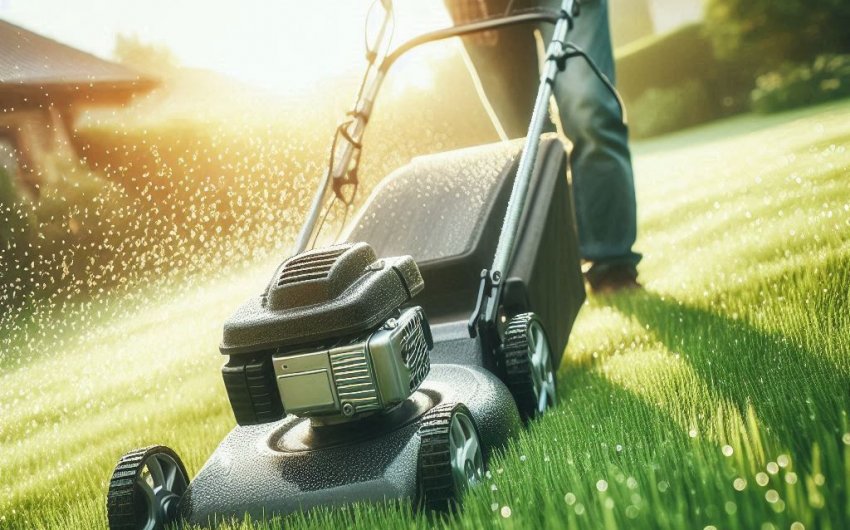
Understanding what is the best time of day to mow the lawn is a crucial aspect of maintaining a healthy, vibrant turf. While it might seem like a simple chore, the timing of your mowing can significantly impact your lawn's stress levels, disease resistance, and overall appearance. Optimizing your mowing schedule ensures you're promoting strong grass growth and achieving that desirable lush, green carpet, rather than inadvertently causing harm.
Why does the time of day matter for mowing?
Mowing your lawn isn't just about cutting grass; it's an activity that can either benefit or stress your turf. The timing of this task plays a significant role because it interacts directly with the grass's physiological processes, environmental conditions, and even the health of your mowing equipment. Understanding these interactions helps you choose the optimal window for a successful cut.
Grass Health and Stress
When you mow, you are essentially wounding the grass blades. Just like any living organism, grass needs time to recover from an injury. The best time to mow allows the grass to heal quickly and efficiently.
- Photosynthesis and Energy Storage: Grass plants convert sunlight into energy (photosynthesis) primarily during the day. This energy is used for growth, root development, and repairing damage. Mowing at the right time allows the grass to have sufficient energy reserves to cope with the stress of cutting and begin the healing process immediately. If you mow when energy reserves are low, the grass struggles more to recover.
- Water Content in Blades: Grass blades contain a certain amount of water. When they are turgid (full of water), they stand upright and are easier for the mower blade to cut cleanly. If they are limp or overly wet, the cut can be ragged, leading to more stress and a less attractive appearance.
- Recovery Time: Mowing creates open wounds on each blade. These wounds are vulnerable to dehydration and disease. Giving the grass enough time to dry and begin healing before extreme heat or moisture sets in is vital for preventing issues.
Environmental Factors
The time of day directly influences the temperature and humidity, which in turn affect the mowing experience and lawn health.
- Temperature: Extreme temperatures, both hot and cold, are stressful for grass. Mowing during these times adds more stress, potentially leading to wilting, browning, or even dormancy. Moderate temperatures are ideal for both the grass and the person doing the mowing.
- Moisture (Dew and Rain): The presence of moisture on the grass blades, whether from dew or recent rain, significantly impacts the quality of the cut and the health of your mower. Wet grass is harder to cut cleanly, can clog the mower, and may promote disease.
- Sunlight Intensity: The sun's intensity dictates the rate of moisture evaporation and can directly contribute to heat stress on freshly cut grass.
Mower Performance
Your mowing equipment also benefits from optimal timing.
- Clean Cut: Mowers perform best on dry grass, providing a crisp, even cut. Wet grass tends to bend under the blade rather than sever cleanly, leading to a torn, ragged appearance that stresses the grass.
- Reduced Clogging: Wet grass clippings are heavy and sticky. They can easily clog the mower deck, discharge chute, and mulching blades, leading to inefficient operation and requiring frequent cleaning.
- Less Wear and Tear: Mowing wet grass puts more strain on your mower's engine and blades, potentially reducing its lifespan and requiring more maintenance.
- Safety: Wet grass can be slippery, increasing the risk of slips and falls, especially on slopes.
Considering these interwoven factors of grass health, environmental conditions, and mower performance, it becomes clear why choosing the best time of day to mow the lawn is a critical decision for achieving a truly healthy and beautiful turf.
When is the ideal time to mow the lawn for optimal health?
Considering all the factors that influence grass health and mowing efficiency, there are specific windows of opportunity that stand out as the most beneficial for your lawn. These times generally offer the best combination of dry grass, moderate temperatures, and ample recovery time.
Early to Mid-Morning: The Prime Window
For most lawns, the period between 8:00 AM and 10:00 AM (or as soon as the morning dew has dried) is widely considered the best time of day to mow the lawn.
Pros:
- Dry Grass: By mid-morning, the morning dew has usually evaporated. Dry grass stands upright, allowing your mower blades to make a clean, sharp cut. This minimizes tearing and fraying, which reduces stress on the grass blades and helps them heal faster. A clean cut is vital for preventing disease entry.
- Moderate Temperatures: Temperatures are typically cool and comfortable for both you and your lawn. This prevents heat stress on freshly cut grass. Mowing in excessive heat can shock the grass, leading to browning or dormancy. It's also more pleasant for the person operating the mower.
- Ample Recovery Time: Mowing in the morning gives the grass the entire day to begin recovering from the stress of cutting before the cooler, moister evening hours set in. This helps the open wounds on the blades to "scab over" (heal) before potential fungal issues that thrive in cool, damp conditions can take hold.
- Energy Reserves: Grass has had all night to build up energy reserves through respiration. While photosynthesis is in full swing, it still has plenty of stored energy to cope with the cutting.
Considerations:
- Dew: The main caveat is to wait until the dew has completely dried. Mowing wet grass is always detrimental.
- Noise Ordinances: Be mindful of local noise ordinances. While mid-morning is generally acceptable, check if there are specific quiet hours in your neighborhood, especially if you have a noisy gas-powered mower. Electric mowers or reel mowers are quieter options if this is a concern.
Late Afternoon to Early Evening: A Good Alternative
If morning mowing isn't possible, the window between 4:00 PM and 6:00 PM (or before dusk) can be a suitable alternative.
Pros:
- Grass is Dry: The grass has had all day to dry out from morning dew or any light rain, ensuring a clean cut.
- Temperatures are Cooling: The intense heat of the midday sun has passed, and temperatures are starting to drop, making it more comfortable for both you and the grass.
- Energy for Recovery: The grass has spent the day photosynthesizing and building up energy reserves, which it can then use to recover overnight.
Cons:
- Limited Drying Time: While the grass has had time to dry, the fresh cuts have less time to "scab over" before the evening dew or humidity sets in. This can increase the risk of fungal diseases if your lawn is prone to them or if conditions are consistently humid.
- Potential for Dew: If you mow too late into the evening, the dew might start to return, leading to wet grass.
- Less Healing Before Dark: The grass will begin its healing process, but then it's dark and humid, which isn't ideal for new wounds.
What to Avoid: Times to Never Mow
- Early Morning (Before Dew Dries):
- Wet Grass: Leads to an uneven, torn cut; clogs the mower; promotes disease; and can be unsafe.
- Disease Spread: Mowing wet grass can spread existing fungal spores from diseased areas to healthy parts of the lawn.
- Midday (Hottest Part of the Day):
- Extreme Stress: Mowing during peak heat (usually 11:00 AM to 3:00 PM) puts immense stress on the grass. The open wounds quickly lose moisture, leading to wilting, browning, and potentially long-term damage.
- Dehydration: Freshly cut blades are highly susceptible to dehydration.
- Operator Discomfort: It's also very uncomfortable and potentially unsafe for you to mow in extreme heat.
- Late Evening/Night:
- Wet Grass: Dew will have settled, making the grass wet again.
- Lack of Recovery: The grass has no time to dry or begin healing before nightfall and high humidity. This significantly increases the risk of fungal diseases like brown patch or dollar spot taking hold in the fresh cuts.
- Safety: Reduced visibility can be dangerous.
- Noise: Likely to disturb neighbors.
By targeting the early to mid-morning slot, or a careful late afternoon alternative, you'll be actively promoting a healthier, more resilient lawn, clearly indicating what is the best time of day to mow the lawn for optimal care.
How do weather conditions influence mowing time?
While early to mid-morning is generally the ideal time, weather conditions can significantly impact whether that window is actually suitable. A smart gardener knows to adapt their mowing schedule based on current and forecasted weather, as rain, heat, and even humidity can turn an ideal time into a detrimental one.
Mowing After Rain
Avoid: Immediately after rain, the grass blades will be saturated with water, and the soil will be soft.
- Poor Cut Quality: Wet blades bend rather than cut cleanly, leading to a ragged, torn appearance.
- Clogging: Wet clippings are heavy and sticky, easily clogging your mower deck, bag, and discharge chute. This reduces efficiency and can even stall your mower.
- Compaction: Mowing on wet soil can compact the soil, especially with heavier mowers. Soil compaction reduces air and water flow to grass roots, hindering healthy growth.
- Ruts: On very wet ground, your mower wheels can create unsightly ruts in the lawn.
- Disease Spread: If your lawn has any existing fungal issues, mowing wet grass can spread disease spores to healthy areas.
- Safety Hazard: Wet grass is slippery, increasing the risk of slipping, especially on slopes.
Solution: Wait until the grass is completely dry. This might mean waiting a full day or two after heavy rainfall. Even if the surface looks dry, check if the blades are still damp to the touch or if the soil is squishy. A good indicator is when the grass blades stand upright and no longer look flattened by moisture.
Mowing During Hot Weather (Heatwaves)
Avoid: Mowing during the peak heat of the day (usually 11 AM to 4 PM) when temperatures are very high.
- Increased Stress: Cutting grass during intense heat adds tremendous stress to the plant, which is already working hard to survive the heat. The open wounds on the blades lose moisture quickly, leading to wilting, browning, or even death of grass in extreme cases.
- Scalping Risk: Stressed grass can lie flatter, increasing the risk of accidentally cutting too low (scalping), which can cause permanent damage during heat.
- Personal Health Risk: Mowing in extreme heat can lead to heat exhaustion or heatstroke for the operator.
Solution:
- Mow in the early morning (before 9 AM): If a heatwave is forecasted, try to mow as early as possible after the dew has dried, when temperatures are still relatively cool.
- Delay mowing: If the heat is truly extreme and prolonged, consider delaying mowing for a few days until temperatures drop. A slightly longer lawn during a heatwave can actually provide self-shading and help conserve moisture, making it more resilient.
- Raise Mowing Height: During hot weather, always raise your mower blade to the highest setting. Taller grass blades protect the soil from direct sun, keeping the roots cooler and reducing moisture evaporation.
Mowing During Drought Conditions
Avoid: Mowing a lawn that is severely stressed by drought (dormant and brown).
- Further Damage: Mowing a drought-stressed lawn can permanently damage the crown (the growth point) of the grass plant, preventing it from recovering when rain returns.
- Dust and Stress: Mowing very dry, brittle grass creates excessive dust and provides no benefit to the lawn.
Solution:
- Do not mow: If your lawn has turned brown and is dormant from drought, do not mow it. Let it rest.
- Raise Mowing Height: If the lawn is still green but showing signs of stress (wilting, dull color), raise your mowing height to the maximum.
- Lightly water: If you must mow, give the lawn a very light watering a day or two before to slightly rehydrate the blades, then mow when dry.
Mowing in High Humidity
- Considerations: High humidity, even without direct rain, can keep grass blades damp for longer or increase the risk of fungal issues on fresh cuts.
- Solution: Stick to the early to mid-morning window. Ensure your mower blades are extra sharp to make the cleanest cut possible, and if conditions remain very humid, consider bagging clippings temporarily to reduce moisture buildup on the lawn surface.
By understanding how various weather conditions interact with your mowing schedule, you can make informed decisions to protect your lawn and ensure its continued health, reinforcing the importance of knowing what is the best time of day to mow the lawn in varying circumstances.
What are the practical considerations for choosing mowing time?
While ideal times exist for optimal lawn health, real-world constraints often mean you have to adapt your mowing schedule. Balancing the perfect conditions with practical considerations like your personal schedule, neighbor relations, and equipment maintenance is essential for a sustainable and stress-free lawn care routine.
Your Personal Schedule
- Work-Life Balance: For many, the "ideal" morning mowing time (8:00 AM - 10:00 AM) clashes with work, school drop-offs, or other morning commitments. If you can't consistently hit this window, don't fret too much.
- Compromise: The late afternoon to early evening (4:00 PM - 6:00 PM) becomes a viable alternative for many. While not quite as ideal for immediate lawn healing as morning, it's far better than midday heat or early morning dew.
- Weekend Mornings: For those with busy weekdays, Saturday or Sunday mornings (after the dew has dried, and within neighborhood noise regulations) are often the go-to. The grass still gets the benefit of a full day to recover.
- Flexibility: Be flexible. If your usual mowing day is hot or rainy, shift it to another day that offers better conditions, even if it means waiting a day or two. Your lawn is surprisingly resilient.
Neighborhood Noise Ordinances and Courtesy
- Local Regulations: Most municipalities have noise ordinances that restrict the use of noisy equipment like lawn mowers during certain hours. These often prohibit mowing before 7:00 AM or 8:00 AM on weekdays and sometimes later on weekends (e.g., not before 9:00 AM or 10:00 AM). Check your local city or county website for specific rules.
- Neighbor Relations: Even if there isn't a strict ordinance, consider your neighbors. Mowing very early in the morning (especially with a loud gas mower) can disturb those still sleeping, shift workers, or young families.
- Quieter Alternatives: If early morning mowing is your only option or if you have sensitive neighbors, consider investing in a quieter alternative:
- Electric corded mower: Generally quieter than gas, but limited by cord.
- Battery-powered (cordless) mower: Quietest power options, excellent for convenience.
- Manual reel mower: Virtually silent, best for smaller, flatter lawns.
- Communication: If you have an unusual schedule, a quick chat with close neighbors might head off any issues.
Mower Maintenance and Blade Sharpness
- Sharp Blades: Regardless of when you mow, sharp mower blades are paramount. A dull blade tears and rips the grass, causing ragged cuts that stress the plant and make it vulnerable to disease. A sharp blade makes a clean cut, promoting faster healing.
- Maintenance Tip: Check your blades regularly (every 10-20 hours of mowing, or at least once per season). Sharpen them yourself with a mower blade sharpener or have them professionally sharpened.
- Clean Deck: A clean mower deck allows for better airflow and discharge of clippings, especially if you're bagging. Wet grass, in particular, tends to stick and build up.
- Overall Mower Health: A well-maintained mower (clean air filter, fresh oil, etc.) performs more efficiently, making the task quicker and less strenuous, allowing you to hit your preferred mowing window more reliably.
Observing Your Lawn's Specific Needs
- Grass Type: Different grass types (e.g., cool-season vs. warm-season) have slightly different peak growth times and heat tolerance.
- Cool-season grasses (fescue, rye, bluegrass): Grow most vigorously in spring and fall. Mowing early morning is great.
- Warm-season grasses (Bermuda, zoysia, St. Augustine): Grow most vigorously in summer. Still avoid midday heat, but they are more tolerant of heat overall.
- Yard Microclimates: Parts of your yard might dry out faster or stay shadier longer. Adjust your approach for these specific areas.
- Listen to Your Lawn: Pay attention to how your lawn responds after mowing at different times. If you notice browning, wilting, or increased disease, adjust your timing or other practices.
By thoughtfully balancing these practical considerations with the ideal environmental conditions, you can find the best time of day to mow the lawn that works for you, your neighbors, and ensures a healthy, attractive turf all season long.