
How Can You Achieve the Perfect Lawn Stripes?
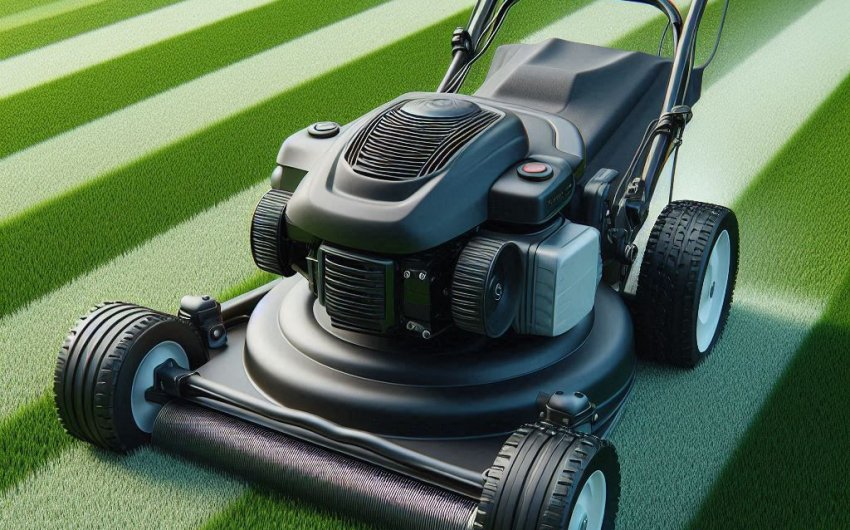
Learning how can you achieve the perfect lawn stripes is a classic aspiration for many homeowners, transforming an ordinary backyard into a visually stunning masterpiece reminiscent of a professional sports field. These distinctive patterns aren't just for show; they're created by simply bending grass blades in different directions, causing light to reflect differently and producing alternating light and dark bands. Achieving this pristine look involves understanding the mechanics of grass striping, selecting the right equipment, and applying precise mowing techniques to create that coveted, immaculate appearance.
What causes lawn stripes, and why do they look so good?
Lawn stripes are a hallmark of a well-maintained lawn, instantly elevating its aesthetic appeal. The good news is, they're not created by cutting the grass at different heights or using different grass colors. The magic behind these distinct patterns is much simpler and purely optical.
How are lawn stripes created?
The striped effect on a lawn is an optical illusion caused by the way light reflects off grass blades that have been bent in different directions.
- Bending Grass Blades: When you mow your lawn, the mower deck and often a roller behind the cutting blades push or bend the grass blades in the direction the mower is traveling.
- Light Reflection:
- Dark Stripes: In areas where the grass blades are bent away from you (towards the mower as you walk), the light hits the side of the blades, creating shadows. This makes these stripes appear darker.
- Light Stripes: In areas where the grass blades are bent towards you (away from the mower as you walk), the light reflects off the full surface of the blades. This makes these stripes appear lighter and shinier.
- Contrast: The alternating pattern of bent grass blades, reflecting light differently, creates the striking contrast that defines the "striped" look.
The more effectively the grass blades are bent and laid flat in a consistent direction, the more pronounced and crisp the stripes will appear.
Why do lawn stripes enhance aesthetics?
Lawn stripes offer several aesthetic benefits that elevate the overall look of your yard:
- Professional Appearance: Stripes are synonymous with meticulously maintained turf, often seen on sports fields (like baseball and football fields) and golf courses. This instantly gives your home lawn a polished, professional, and high-end look.
- Visual Interest and Dimension: Flat green lawns can sometimes appear one-dimensional. Stripes add depth, texture, and visual interest, making the lawn feel more dynamic and engaging. They create a sense of order and intentional design.
- Accentuate Landscape Features: Well-defined stripes can act as a natural border, drawing the eye towards other landscape features like flower beds, trees, or pathways. They can frame your garden and make it feel more expansive or inviting.
- Creates a Sense of Care: A striped lawn signals that the homeowner puts effort and pride into their property, contributing to overall curb appeal.
- Clean Lines: The crisp, straight lines of a well-striped lawn add a sense of neatness and precision, contributing to an overall clean and tidy yard.
Achieving these stripes is a rewarding process that leverages simple physics to transform your lawn into a visually impressive component of your outdoor living space. Understanding this fundamental concept is the first step in learning how you can achieve the perfect lawn stripes.
What kind of mower and accessories do I need for perfect stripes?
While almost any mower can create some degree of striping, to truly achieve the perfect lawn stripes, specific equipment and accessories can make a significant difference in the clarity and longevity of your patterns.
What type of mower is best for striping?
The type of mower you use plays a big role in how well your grass blades are bent and laid flat.
- Reel Mowers:
- Ideal for Striping: Reel mowers (both manual and powered) are often considered the gold standard for striping. They cut grass with a scissor-like action and inherently have a roller built into their design.
- How they work: The heavy roller on a reel mower presses the grass down very effectively, creating crisp, defined stripes. They also cut grass very cleanly, leading to healthier blades that reflect light better.
- Best for: Shorter grass heights (often 1-2.5 inches), common for golf course-like lawns.
- Walk-Behind Rotary Mowers:
- Most Common: These are the standard lawn mowers most homeowners use. While they don't have an integrated roller, many can achieve decent stripes, especially with the right accessories.
- How they work: The mower deck itself pushes grass blades, and the weight of the mower can flatten them somewhat.
- Best for: Most home lawns, at typical mowing heights (2.5-4 inches).
- Look for models with a larger, heavier rear wheel assembly, or consider adding an external roller.
- Riding Mowers/Zero-Turn Mowers:
- Efficient for Large Lawns: For bigger yards, riding mowers are a time-saver. Many can create excellent stripes, especially with an attached striping kit.
- How they work: The weight and design of these mowers, combined with a dedicated striping attachment, can effectively flatten grass.
- Best for: Large residential properties.
What accessories enhance striping?
Even if you don't have a reel mower, these accessories can significantly improve your striping game.
- Lawn Striper Kit (Roller Attachment):
- What it is: This is a roller assembly that attaches to the back of your walk-behind or riding mower. It's typically made of heavy-duty plastic or steel and filled with sand or water to add weight.
- How it works: As you mow, the roller presses the grass blades down firmly and consistently in the direction of travel, creating a much more pronounced and lasting stripe than the mower alone.
- Recommendation: This is arguably the single most important accessory for achieving truly perfect lawn stripes with a rotary mower. Many universal lawn striper kits are available.
- Sharp Mower Blades:
- What it is: A consistently sharp cutting blade on your mower.
- How it works: A sharp blade makes a clean, precise cut, which leaves the grass blades healthier and better able to reflect light uniformly. Dull blades tear the grass, leading to ragged ends that brown quickly and reduce stripe clarity.
- Recommendation: Sharpen your mower blade at least once per season, or every 25 hours of use. A mower blade sharpening kit can be useful for DIY sharpening.
- Grass Catcher (Bagger):
- What it is: A bag or container attached to your mower that collects grass clippings.
- How it works: While grasscycling (leaving clippings on the lawn) is generally good for lawn health, removing clippings for striping can help. Clippings, especially wet ones, can obscure stripes or leave clumps that interrupt the pattern.
- Recommendation: If your primary goal is pristine stripes, bagging clippings can enhance clarity.
By investing in the right mower (or a quality striping kit for your existing one) and ensuring your blade is always sharp, you'll have the tools you need to effectively bend those grass blades and achieve those coveted perfect lawn stripes.
What lawn conditions are best for striping?
Even with the right equipment, the quality of your lawn stripes greatly depends on the underlying health and characteristics of your grass. Optimizing these conditions will make your efforts much more rewarding.
What grass type is best for striping?
- Cool-Season Grasses: Generally, cool-season grasses are better for producing crisp, noticeable stripes.
- Examples: Kentucky Bluegrass, Tall Fescue, and Perennial Ryegrass.
- Why: These grasses tend to have finer, more flexible blades that bend easily and stay bent longer after being pressed by a roller. Kentucky Bluegrass, in particular, is known for its excellent striping potential.
- Warm-Season Grasses: While you can still get some striping on warm-season grasses, the effect is generally less pronounced.
- Examples: Bermudagrass, Zoysiagrass, St. Augustinegrass.
- Why: These grasses often have coarser, stiffer blades that are more resistant to bending or spring back up quickly. Bermudagrass, with its creeping habit, also doesn't stand as upright, reducing the visual contrast.
- Tip: If you have warm-season grass, you'll need a heavier roller and may need to cut a bit shorter (within its healthy range) to achieve a noticeable stripe.
How does grass height affect striping?
- Taller Grass, Better Stripes: The key to pronounced stripes is having enough length on the grass blades to bend effectively.
- Ideal Height: Aim for a mowing height of 3 to 4 inches for most cool-season grasses. The taller the grass, the more dramatic the contrast between light and dark stripes.
- Why: Shorter grass simply doesn't have enough surface area to bend and reflect light distinctly.
- Don't Scalp: Never remove more than one-third of the grass blade's height at a single mowing pass. Cutting too short (scalping) stresses the grass, can turn it brown, and severely diminishes striping ability.
What about other lawn conditions?
- Dense and Healthy Turf: A thick, healthy, and uniformly green lawn will show stripes much better than a thin or patchy one.
- Solution: Ensure proper fertilization, watering, and regular overseeding to maintain a dense turf. A soil test kit can help identify nutrient deficiencies.
- Proper Moisture: Mowing when the grass is dry is generally best. Wet grass can clump, stick to the mower, and result in less defined stripes.
- Tip: Mow in the late morning or early afternoon after dew has dried.
- Even Terrain: A level lawn without bumps or dips will result in more uniform and visually appealing stripes.
- Solution: Address any significant unevenness through top-dressing and leveling.
By cultivating a healthy, dense lawn with the right grass type and maintaining an appropriate mowing height, you create the perfect canvas for your striping efforts, ensuring you can achieve the perfect lawn stripes with impressive clarity.
What mowing techniques will give me the perfect stripes?
Achieving perfect lawn stripes is less about brute force and more about precision, consistency, and a methodical approach to your mowing pattern. The technique you employ is just as crucial as the equipment you use.
How do I choose and execute a striping pattern?
The most common and effective pattern for stripes is parallel lines.
- Choose Your Starting Point:
- Strategy: Pick a straight edge of your lawn (like a driveway, sidewalk, or fence line) to start your first pass. This initial straight line sets the foundation for all subsequent stripes.
- Why: If your first line is crooked, all following lines will likely be crooked, ruining the pattern.
- First Pass (Headland Pass - Optional but Recommended):
- Strategy: Mow a single perimeter pass around the entire boundary of your lawn. This creates a "headland" or turning area, making it easier to line up subsequent passes.
- Why: It provides a clean edge for your pattern and eliminates the need to mow directly over already striped areas when turning. For square or rectangular lawns, this is highly effective.
- Mow in Straight, Parallel Lines:
- Strategy: Mow in alternating directions. For your second pass, turn 180 degrees and mow parallel to your first stripe, overlapping slightly (usually by a wheel's width) to ensure no missed grass.
- Why: This creates the alternating bent grass blades that form the stripes. Consistency is key. Look behind you at the stripe you just made to guide your next pass.
- Maintain Straightness: Focus on a distant fixed object (like a tree, lamp post, or corner of your house) as a guide to keep your lines straight. Avoid looking directly down at the mower.
- Overlap Properly:
- Strategy: Ensure you overlap your previous pass correctly, typically by about 2-4 inches, or the width of one wheel.
- Why: Proper overlap prevents un-mowed "stripes" (holidays) and ensures smooth transitions between the light and dark bands.
- Finish the Pattern:
- Strategy: Continue mowing back and forth, turning at the headland or the end of each pass, until the entire lawn is striped.
- Optional Cross-Hatching (for very defined stripes): For an even more dramatic checkerboard or cross-hatch effect, after completing your parallel stripes, mow again across the entire lawn perpendicular to your original stripes. This will bend the grass blades in two directions. This is often done for special occasions or highly manicured lawns.
What maintenance tips enhance stripe definition?
- Roll After Mowing (for extreme definition): For the absolute crispest stripes, you can use a lawn roller (water or sand filled) after mowing. Roll directly over your freshly mowed stripes to further flatten the grass blades. This is typically done for sports fields but can be used for residential lawns where maximum definition is desired.
- Mow Consistently: Regular mowing helps maintain the defined pattern. The more often you mow (at the correct height), the more pronounced and lasting your stripes will be.
- Alternate Patterns: To prevent the grass from leaning permanently in one direction, vary your striping pattern with each mow. For example, if you mow north-south one week, mow east-west the next. Or try diagonal stripes. This also helps prevent rutting.
- Edge Your Lawn: Crisp, clean edges along sidewalks, driveways, and garden beds enhance the overall neatness and highlight your stripes. Use a lawn edger for sharp lines.
- Avoid Mowing Wet Grass: Wet grass doesn't stripe as cleanly. It tends to clump and sticks to the mower, ruining the smooth finish.
By meticulously following these mowing techniques and maintaining optimal lawn conditions, you can consistently achieve the perfect lawn stripes, transforming your outdoor space into a striking display of precision and beauty.
How do external factors impact lawn striping?
While your mower and mowing technique are primary, several external factors can significantly impact the visibility and longevity of your lawn stripes. Understanding these elements allows you to optimize your efforts for the best possible results.
How does sunlight influence stripe visibility?
Sunlight is perhaps the most critical external factor, as the striped effect is purely an optical illusion based on light reflection.
- Angle of the Sun:
- Ideal Time: Stripes are most visible when the sun is lower in the sky (early morning or late afternoon). At these times, the sun's rays hit the bent grass blades at a more acute angle, maximizing the contrast between the light (reflecting) and dark (shadowing) stripes.
- Mid-day: In the middle of the day when the sun is directly overhead, the contrast is minimized because the light hits all blades more uniformly, reducing the shadow effect.
- Overcast Days: On heavily overcast or rainy days, stripes will be much less noticeable because there's less direct sunlight to create the dramatic light and shadow play.
- Direction of View: The stripes are always most visible when viewed into the light or with the light, rather than from the side. Experiment with viewing angles from different parts of your yard or house.
How do grass health and moisture affect striping?
- Grass Health: A very healthy, dense lawn with vibrant green color will always show stripes better. Stressed, thin, or discolored grass simply doesn't have the uniform surface or chlorophyll content to create strong contrast.
- Solution: Follow a consistent lawn care regimen: proper fertilization, adequate watering, and regular overseeding. A soil test kit can help optimize nutrients.
- Moisture Content:
- Dry Grass: Mowing when the grass is dry is generally preferred for crisp stripes. Dry blades are less likely to clump and provide a cleaner cut, which enhances stripe definition.
- Wet Grass: Avoid mowing extremely wet grass. Wet clippings can stick to the mower deck, clump, and be deposited unevenly, ruining the uniformity of your stripes. They also obscure the stripe as you mow.
- Tip: Wait until any morning dew has evaporated before you start mowing.
What role does the lawn's slope or unevenness play?
- Slope: Mowing up or down a slope can slightly alter the way the grass blades are bent, potentially affecting the evenness and visibility of the stripes. When mowing on slopes, focus on maintaining consistent passes and a steady pace.
- Uneven Terrain: Bumps, dips, or uneven ground will inevitably disrupt the clean lines of your stripes.
- Solution: For truly perfect lawn stripes, the underlying terrain should be as level as possible. Minor unevenness can be corrected over time with top-dressing and leveling. For significant issues, professional grading might be necessary.
How does previous mowing direction matter?
- Alternating Patterns: To prevent the grass from leaning permanently in one direction and to maximize stripe visibility, always alternate your mowing pattern with each mow. If you mowed north-south one week, mow east-west the next. Or try diagonal stripes.
- Why: This helps the grass stand upright between mows and ensures you're always bending the grass in a new direction, which keeps the stripe effect fresh and distinct. It also helps prevent rutting in the lawn.
By being mindful of these external factors and adapting your mowing schedule accordingly, you can significantly enhance your ability to achieve the perfect lawn stripes, transforming your yard into a consistently stunning landscape feature.