
What Height Should You Mow Your Grass For a Healthy Lawn?
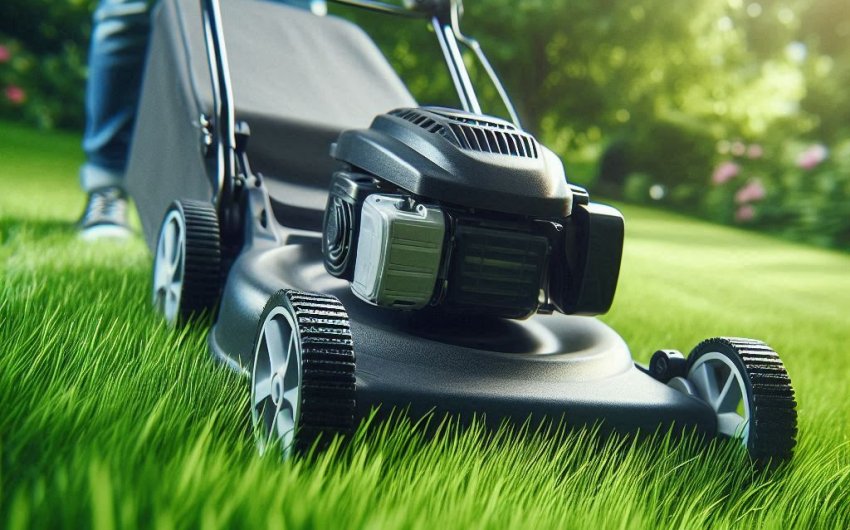
Are you wondering about the ideal cutting length for your lawn to ensure it stays robust and vibrant? Understanding what height should you mow your grass for a healthy lawn is a fundamental aspect of proper turf care, often overlooked in the quest for a perfectly manicured appearance. The correct mowing height directly impacts the vigor of your grass, its ability to withstand stress, and its overall resilience against weeds and diseases, ultimately creating a much more resilient and attractive outdoor space.
Why Does Mowing Height Matter for Lawn Health?
Mowing height matters immensely for lawn health because it directly affects the grass blades, which are essentially the plant's food factories. Cutting too short stresses the grass, reducing its ability to photosynthesize (make food) and develop strong roots. A taller grass blade, within the optimal range, encourages deeper roots, better water retention, and stronger defenses against weeds and drought.
What is Photosynthesis and Its Link to Grass Health?
Photosynthesis is the process by which grass plants (and all green plants) convert sunlight, water, and carbon dioxide into food (sugars) for growth. The grass blades are where this process primarily occurs. If you cut the grass too short, you reduce the leaf surface area available for photosynthesis, which starves the plant and weakens it, making it less healthy.
What is the "One-Third Rule" in Mowing?
The "One-Third Rule" is a critical principle in proper mowing: never remove more than one-third of the grass blade's total height in a single mowing. For example, if you want your grass to be 3 inches tall, don't let it grow taller than 4.5 inches before mowing. This rule minimizes stress on the grass, allowing it to recover quickly and maintain strong growth. A lawn mower with adjustable cutting height is essential for following this rule.
What are the Ideal Mowing Heights for Different Grass Types?
The ideal mowing height varies significantly depending on your grass type. Different grass species have different growth habits and optimal leaf surface areas for health. Understanding whether you have cool-season or warm-season grass is the first step to setting your mower correctly.
What Height for Cool-Season Grasses?
Cool-season grasses (like Kentucky Bluegrass, Tall Fescue, Perennial Ryegrass, and Fine Fescue) generally prefer to be mowed higher, typically between 2.5 to 3.5 inches. Mowing them taller encourages deeper root growth, helps them tolerate summer heat better, and allows them to outcompete weeds. A higher cut also insulates the soil. For a cool-season grass seed mix, aim for the higher end of the range.
What Height for Warm-Season Grasses?
Warm-season grasses (like Bermuda, Zoysia, St. Augustine, and Centipede) generally have a lower ideal mowing height compared to cool-season grasses, ranging from 1 to 3 inches. However, the specific ideal height within this range still varies by species. For example, Bermuda often prefers a lower cut, while St. Augustine thrives at a higher setting. For warm-season turf, a reel mower can sometimes achieve a cleaner, lower cut.
Ideal Height for Bermuda Grass?
Bermuda grass is a warm-season grass that thrives at a relatively low mowing height, often between 1 to 2 inches. Its creeping growth habit and dense blades allow it to tolerate a shorter cut, which also helps create its characteristic fine texture. Regular, frequent mowing at this height encourages a dense, healthy turf.
Ideal Height for Zoysia Grass?
Zoysia grass is another warm-season grass that prefers a lower cut, typically between 1 to 2.5 inches. Its dense, fine blades can handle this shorter height well. Mowing within this range helps maintain its characteristic thick, carpet-like appearance and encourages its spreading growth.
Ideal Height for St. Augustine Grass?
St. Augustine grass is a warm-season grass with broad blades that generally prefers a higher mowing height than Bermuda or Zoysia, typically between 2 to 3.5 inches. Mowing too short can stress St. Augustine, making it more susceptible to disease and thinning.
Ideal Height for Centipede Grass?
Centipede grass is a low-maintenance warm-season grass that prefers a mowing height between 1 to 2.5 inches. It has a coarser texture than some other warm-season grasses. Mowing within this range helps it maintain its density and low-growing habit.
How Does Mowing Height Impact Root Growth?
Mowing height directly impacts root growth through a concept called the "shoot-to-root ratio." Simply put, a longer grass blade (shoot) supports a deeper, more extensive root system. When you cut grass too short, the plant focuses energy on regrowing its blades, sacrificing root development. Deeper roots mean the grass can access more water and nutrients, making it more resilient.
Why Does Taller Grass Help Suppress Weeds?
Taller grass helps suppress weeds primarily by shading the soil surface. Most weed seeds need light to germinate. A dense, taller canopy of grass blades blocks sunlight from reaching the soil, preventing weed seeds from sprouting. This natural weed control reduces the need for herbicides and creates a healthier lawn ecosystem.
How Does Mowing Height Affect Drought Tolerance?
Mowing height affects drought tolerance because taller grass shades the soil, keeping it cooler and reducing water evaporation. More importantly, the deeper root system encouraged by a higher cut allows the grass to tap into more moisture deeper in the soil, making it much more resilient during dry spells and reducing the need for frequent watering.
Should Mowing Height Change with Seasons?
Yes, mowing height should change with seasons to adapt to the grass's needs and environmental conditions. Generally, you'll want to mow slightly higher during periods of stress, like hot summer months or during drought, and potentially slightly lower (within the recommended range) during peak growing seasons.
How to Adjust Mowing Height for Summer Heat?
To adjust mowing height for summer heat, raise your mower deck to the highest recommended setting for your grass type (e.g., 3-3.5 inches for cool-season, 2.5-3.5 inches for St. Augustine). This provides maximum blade length for photosynthesis, shades the soil, conserves moisture, and helps the grass withstand heat stress better.
What About Lowering Height in Spring?
In spring, as cool-season grasses emerge from dormancy or warm-season grasses begin active growth, you can start at a slightly lower height within your grass type's recommended range (e.g., 2.5 inches for Kentucky Bluegrass, 1.5 inches for Bermuda). This can help remove any dead winter growth and encourage new, vigorous tillers. However, always remember the one-third rule.
What is Scalping and Why is It Harmful?
Scalping is when you cut your grass too short, removing too much of the grass blade at once, often exposing the crowns (the base of the grass plant) and bare soil. It's harmful because it severely stresses the grass, reduces its ability to photosynthesize, depletes its energy reserves, and makes it highly vulnerable to weeds, diseases, and heat stress. It can also cause bare spots.
How Do Dull Mower Blades Affect Grass Health?
Dull mower blades don't cut grass cleanly; instead, they tear and shred the grass blades. This creates ragged, brown tips, which look unattractive and make the grass more susceptible to diseases. A clean cut allows the grass to heal quickly and grow efficiently. Sharpen your lawn mower blades regularly, ideally every 20-25 hours of use.
What is Grasscycling and How Does It Benefit the Lawn?
Grasscycling is the practice of leaving grass clippings on the lawn after mowing. These clippings rapidly decompose, returning valuable nutrients (especially nitrogen) and organic matter to the soil. This reduces the need for synthetic fertilizers, improves soil health, and minimizes waste. It's a key practice for a healthy lawn, provided you're following the one-third rule. A mulching mower blade helps chop clippings finely.
What About Mowing Frequency and Its Relation to Height?
Mowing frequency and height are directly related. To consistently follow the one-third rule, you'll often need to mow more frequently, especially during peak growth periods in spring and early summer. It's better to mow little and often than to let the grass get too tall and then cut it severely.
Should I Mow Wet Grass?
You should avoid mowing wet grass whenever possible. Mowing wet grass can lead to an uneven cut, clogged mower decks, and clumps of wet clippings that can smother the lawn. It also makes the grass more susceptible to fungal diseases as pathogens can easily spread from wet blades. Wait until the grass is dry for the best results.
How Do I Adjust My Mower Height?
Adjusting your mower height typically involves a lever or series of levers on each wheel or a single lever that adjusts all wheels simultaneously. Consult your mower's manual for specific instructions, as mechanisms vary between models. Always measure your cutting height from a flat, hard surface to the bottom edge of the blade, not the deck itself. Make sure your lawn mower manual is accessible.
How Can Different Mower Types Affect Mowing Height?
Different mower types can affect how easily you can maintain a specific mowing height and the quality of the cut. Rotary mowers (the most common type) are versatile for various heights. Reel mowers are excellent for very low cuts on warm-season grasses, providing a clean, scissor-like cut. Robotic mowers can maintain consistent short cuts over large areas.
Rotary Mowers and Height
Rotary mowers are the most common type for residential lawns. They have a single blade that spins horizontally, cutting the grass with a scythe-like action. They are versatile for various mowing heights, typically from about 1.5 inches to 4 inches, making them suitable for both cool-season and many warm-season grasses. Ensure your rotary lawn mower has easy height adjustment.
Reel Mowers and Height
Reel mowers have multiple blades that rotate vertically, trapping grass against a stationary blade and cutting it with a scissor-like action. They excel at very low cuts (down to 0.5 inches or less), producing an exceptionally clean cut often desired for fine warm-season grasses like Bermuda or Zoysia, or for creating a striped look. A manual reel mower is a great eco-friendly option for smaller lawns.
What are the Signs of a Healthy Lawn from Proper Mowing?
The signs of a healthy lawn from proper mowing are easily noticeable. You'll see uniformly green grass with no brown tips or shredded blades. The lawn will feel lush and springy underfoot, indicate good density, and have fewer weeds. Proper mowing is a cornerstone that supports all other aspects of lawn care, leading to a consistently vibrant and resilient turf.
By understanding and applying the principles of what height should you mow your grass for a healthy lawn, you empower your turf to thrive, creating a verdant and robust outdoor space that you can truly enjoy.