
Is It Better to Mow Your Lawn in Different Directions?
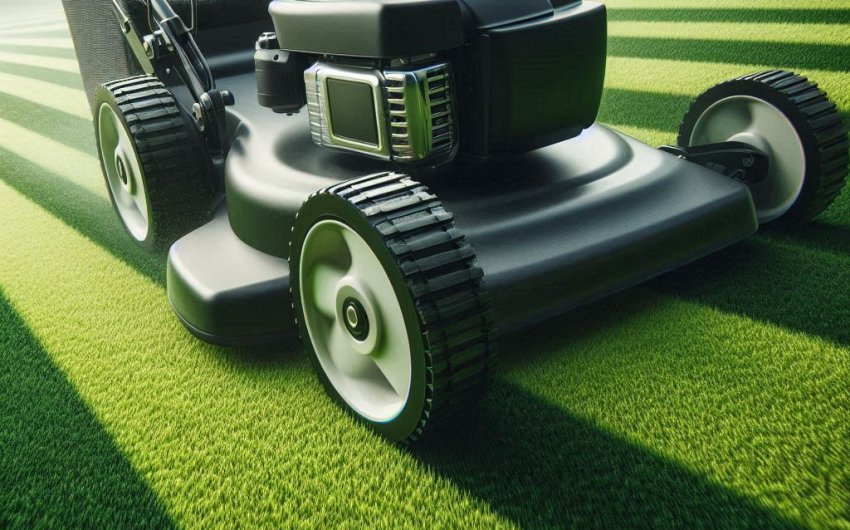
A common question among homeowners seeking to maintain a healthy and vibrant green space is whether it is better to mow your lawn in different directions. While a single, consistent pattern might seem efficient, rotating your mowing path offers a surprising array of benefits that contribute to turf health, appearance, and even mower longevity. Understanding the advantages of varying your approach can transform your routine yard work into a strategic act of lawn care, leading to a more robust and attractive expanse of grass.
Why Should You Mow Your Lawn in Different Directions?
Changing your mowing pattern isn't just about creating fancy stripes; it's a strategic move that addresses several key aspects of lawn health and aesthetics. There are compelling reasons to vary your direction with each cut.
Prevents Compaction and Rutting
Consistently mowing in the exact same pattern week after week means your lawn mower wheels repeatedly travel over the same strips of grass. Over time, this concentrated weight can lead to soil compaction in those specific pathways. Compacted soil is detrimental to lawn health because it:
- Reduces Airflow: Roots need oxygen, and compacted soil severely limits air circulation around them.
- Impairs Water Infiltration: Water struggles to penetrate compacted soil, leading to runoff and less moisture reaching the grass roots.
- Hinders Root Growth: Roots find it difficult to grow and spread in dense, compacted soil, resulting in a shallower, weaker root system.
Beyond compaction, repeated passes in the same direction can also cause rutting, especially on softer or moist ground. These shallow depressions not only look unsightly but can also collect water, leading to soggy spots or promoting fungal growth. By mowing in different directions, you distribute the mower's weight more evenly across the lawn, reducing the risk of localized compaction and rut formation.
Encourages Upright Growth of Grass Blades
When you mow in the same direction every time, the grass blades tend to get pushed or bent over in the direction of the mower's travel. This can lead to a phenomenon called "grain" in the lawn, where the grass lies flat.
- Incomplete Cut: Mowing over flattened grass blades often results in an incomplete or uneven cut, as some blades simply aren't lifted sufficiently by the mower's suction to be cleanly severed by the blade. This leaves behind a "shaggy" appearance or uncut strips.
- Weakened Growth: Continuously pushing grass blades in one direction can also weaken them over time, potentially leading to a less dense turf.
By mowing in different directions, you force the grass blades to stand more upright. Each subsequent pass from a different angle lifts previously pushed-over blades, allowing for a cleaner, more even cut across the entire lawn. This encourages stronger, more vertical growth, leading to a denser and healthier turf.
Reduces Wear and Tear on Your Mower
Repeatedly running your mower over the exact same pathways can also lead to uneven wear on the mower itself.
- Uneven Tire Wear: The tires of your mower might wear down unevenly, especially if always turning in the same spots or if certain parts of your lawn are always on one side of the mower.
- Component Strain: Consistent impacts or stresses from bumps or uneven ground in the same spots can put strain on specific mower components.
Varying your mowing pattern distributes this wear more evenly across the mower's components, potentially extending its lifespan and reducing the need for premature repairs or replacements. It ensures all parts of the mower are used more uniformly over time.
Improves Overall Lawn Appearance (Creates Striping)
Perhaps the most immediately noticeable benefit of mowing in different directions is the improved aesthetic quality of your lawn.
- Eliminates Wheel Tracks: Varying patterns minimizes the visible tracks left by mower wheels, giving a more uniform look.
- Creates Professional Stripes: For many, the desire to achieve those classic lawn stripes is the primary driver for mowing in different directions. Lawn stripes are not about cutting the grass at different heights; they are created by bending the grass blades in opposite directions, which reflects light differently. One direction reflects light away from you (appearing darker), while the opposite direction reflects light towards you (appearing lighter). By alternating passes, you create this striking striped effect, giving your lawn a professional, well-manicured appearance. A Striping Kit for Lawn Mower can enhance this effect, but it's largely achieved through directional mowing.
What are the Different Mowing Patterns You Can Use?
Once you've decided to vary your mowing direction, understanding the most common and effective patterns will help you achieve the best results for your lawn. Each pattern offers its own benefits and visual appeal.
1. Straight Lines (Back and Forth, Alternating Directions)
This is the most fundamental and widely used method for varying direction, creating the classic striped look.
- Week 1: Mow your entire lawn in straight lines, moving from one side to the other (e.g., North to South).
- Week 2: For your next mow, change direction and mow in straight lines perpendicular to your previous pass (e.g., East to West).
- Week 3: Revert to the original direction, or choose a diagonal.
Benefits:
- Easy to Learn: It's the simplest pattern to adopt for varying direction.
- Effective: It effectively lifts grass blades and helps prevent rutting and compaction.
- Classic Stripes: This is the primary method for creating distinct stripes on your lawn.
- Efficient: Still a relatively efficient way to mow a rectangular or square lawn.
Best For: Most standard rectangular or square lawns, beginners to varied mowing, and anyone wanting a clean, striped look.
2. Diagonal Patterns
Adding diagonal passes to your rotation introduces new angles, further distributing wear and tear and enhancing the lifting of grass blades.
- Week 1: Mow North to South.
- Week 2: Mow Northeast to Southwest (first diagonal).
- Week 3: Mow East to West.
- Week 4: Mow Northwest to Southeast (second diagonal).
Benefits:
- Optimal Grass Lift: Cutting from a new diagonal angle helps to lift grass blades that might have been bent over from previous straight passes, ensuring a very even cut.
- Enhanced Wear Distribution: Further spreads the stress on the lawn and mower components.
- Visually Interesting: Creates more complex and appealing stripe patterns, especially when combined with straight lines.
Best For: Lawns where maximum grass health and a professional striped look are desired, once you're comfortable with straight-line mowing.
3. Circles or Spirals
Mowing in a circular or spiral pattern is less common for entire lawns but can be useful for oddly shaped areas or as a variation.
- Process: Start from the outer edge of the lawn and work your way inwards in increasingly smaller circles, or start in the center and work outwards.
- Benefits:
- Good for Odd Shapes: Can be effective for irregularly shaped lawns or areas where straight lines are difficult to maintain.
- No Turns: Eliminates the need for multiple sharp turns, which can be taxing on the mower and the lawn.
- Cons:
- Less Even Stripes: Does not create crisp stripe patterns.
- Potential for Swirling: Can lead to a swirling pattern of grass grain.
- Uneven Clippings: Can pile up clippings in the center if bagging is not used.
Best For: Small, round, or unusually shaped lawns where precision and straight lines are challenging, or as an occasional variation.
4. Checkerboard Pattern
A checkerboard pattern is achieved by mowing in two perpendicular directions during the same mowing session.
- Process: Mow the entire lawn once in straight lines (e.g., North to South). Then, immediately mow the entire lawn again in straight lines perpendicular to the first pass (e.g., East to West).
- Benefits:
- Dramatic Striping: Creates a highly visible, intricate checkerboard effect.
- Excellent Grass Lift: Ensures every blade is lifted and cut from at least two angles.
- Intensive Aeration: The increased passes provide more soil disturbance, potentially aiding aeration (though also increasing compaction risk if not varied over time).
- Cons:
- Time-Consuming: Doubles the mowing time and effort.
- Increased Wear: Puts more stress on the mower and potentially on the lawn if done too frequently without variation.
Best For: Achieving a show-quality lawn appearance, used sparingly for special events, or when you want an exceptionally clean cut. Not recommended for every mow due to time and effort.
5. Random Pattern (Less Common, But Still Valid)
Simply mowing in a seemingly random pattern, without following strict lines, can also effectively vary direction.
- Process: Mow your lawn without adherence to straight lines, going in different directions and angles as you see fit.
- Benefits:
- No Repeated Paths: Effectively prevents compaction and rutting as no two passes are likely identical.
- Less Planning: Requires minimal thought or setup.
- Cons:
- Less Tidy Look: Does not create stripes or a particularly manicured appearance.
- Missed Spots: Can be easier to miss spots if not careful.
Best For: Utility lawns, very informal gardens, or as an occasional break from structured patterns.
What Are the Key Considerations for Effective Mowing?
Beyond direction, several other factors contribute to effective mowing practices that support a healthy lawn and maximize the benefits of varying your pattern.
1. Mowing Height: Tall is Often Best
The height at which you mow your lawn is one of the most crucial factors for its health.
- Recommended Height: For most cool-season grasses (like Fescue or Kentucky Bluegrass), aim for a cutting height of 2.5 to 3.5 inches. For warm-season grasses (like Bermuda or Zoysia), 1.5 to 3 inches is often appropriate, though some varieties benefit from a higher cut. Always check the specific recommendations for your grass type.
- Benefits of Taller Grass:
- Weed Suppression: Taller grass blades shade the soil surface, preventing weed seeds from germinating and competing with existing weeds.
- Deeper Roots: Taller grass develops deeper root systems, making the lawn more resilient to drought and stress.
- Reduced Evaporation: The increased shade helps keep the soil cooler and reduces water evaporation.
- Photosynthesis: More leaf surface area means more photosynthesis, leading to a stronger, healthier plant.
- Avoid Scalping: Never cut your grass too short (scalping), as this severely stresses the lawn, makes it susceptible to weeds and diseases, and can damage the crown of the grass plant.
2. The One-Third Rule: Don't Cut Too Much
The one-third rule is a fundamental principle of healthy mowing. It states that you should never remove more than one-third of the grass blade's total height in a single mowing session.
- Why it Matters: Removing too much of the grass blade at once puts immense stress on the plant, forcing it to expend a lot of energy recovering from the shock rather than growing healthily. This can weaken the lawn, making it more vulnerable to pests, diseases, and drought.
- Adjust Mowing Frequency: If your grass grows quickly, this rule means you might need to mow more frequently (e.g., twice a week during peak growing season) to avoid removing too much at once.
- Example: If you want your grass to be 3 inches tall, don't let it grow taller than 4.5 inches before mowing. If it's 4.5 inches, you cut off 1.5 inches, leaving 3 inches.
3. Sharp Mower Blades: Clean Cuts for Health
A sharp mower blade is absolutely essential for a clean and healthy cut.
- Clean Cut: A sharp blade slices through grass blades cleanly, minimizing stress on the plant.
- Torn Grass: A dull blade, on the other hand, tears or rips the grass blades, leaving jagged edges. These torn edges turn brown, making the lawn look unsightly, and more importantly, they are entry points for diseases, making the grass more vulnerable to infection and stress.
- Sharpen Regularly: Sharpen your mower blade at least once a year, and more frequently if you have a large lawn, mow tough grasses, or hit debris. You can sharpen it yourself with a Mower Blade Sharpener or have it professionally sharpened.
4. Leaving Grass Clippings (Mulching): Natural Fertilizer
For most healthy lawns, leaving grass clippings on the lawn (mulching) is highly beneficial.
- Nutrient Return: Grass clippings are rich in nitrogen, potassium, and phosphorus. As they decompose, they return these valuable nutrients to the soil, acting as a natural, slow-release fertilizer. This can significantly reduce or eliminate the need for synthetic fertilizers.
- Improved Soil Health: Decomposing clippings add organic matter to the soil, improving its structure, water retention, and aeration over time.
- No Thatch Buildup: Clippings do NOT cause thatch buildup if the one-third rule is followed and the clippings are small. Thatch is primarily caused by excessive lignin from woody stems or roots.
- When to Bag: Only bag clippings if they are excessively long and clumpy (e.g., if you haven't mowed in a while and broke the one-third rule), as thick layers of clippings can smother the grass beneath.
Many modern lawn mowers are designed for mulching, finely chopping the clippings so they decompose quickly. A Greenworks Cordless Lawn Mower with Mulching Capability is a great option.
5. Mowing Frequency: Adapt to Growth
Your mowing frequency should adapt to the rate of grass growth, not a strict calendar schedule.
- Peak Season: During peak growing season (spring and fall for cool-season grasses, summer for warm-season grasses), you might need to mow once or twice a week to adhere to the one-third rule.
- Slower Growth: During hot, dry periods or cooler dormant periods, growth slows down, and you might only need to mow every 2-3 weeks, or even less frequently.
- Listen to Your Lawn: Observe your lawn. If it looks shaggy, it's time to mow. Don't let it get excessively long, as this causes stress and makes it harder to cut cleanly.
By mastering not only the direction but also these other fundamental mowing principles, you can cultivate a lawn that is consistently healthy, resilient, and visually appealing. The subtle art of varying your mowing pattern, combined with proper care, contributes significantly to a vibrant and enduring green space.