
When is the best time to prune a guava tree?
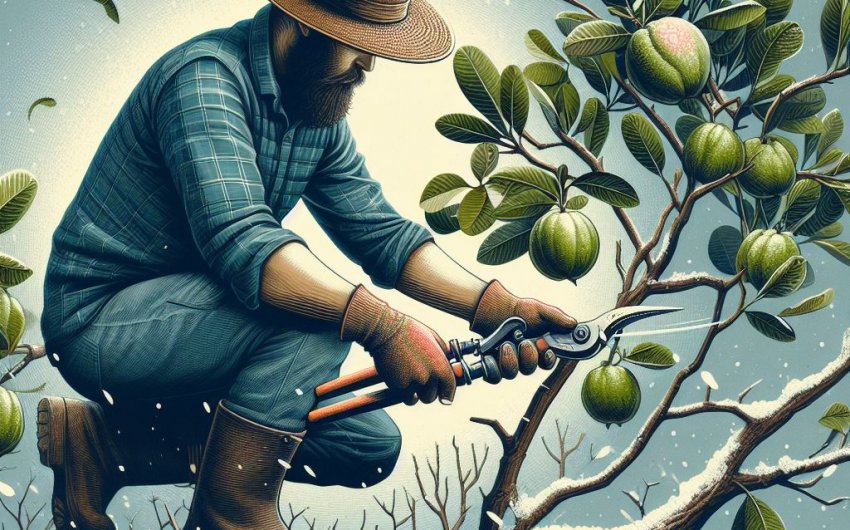
The best time to prune a guava tree largely depends on your climate and the specific type of pruning you intend to perform, but generally, major pruning should occur after the main fruiting season. Strategic pruning promotes new growth, enhances fruit production, and maintains the tree's health and manageable size.
Why is Pruning Important for a Guava Tree?
Pruning a guava tree is not just about keeping it tidy; it's a fundamental horticultural practice that significantly impacts the tree's health, vigor, shape, and, most importantly, its fruit production. Understanding the reasons behind pruning will help you decide the best time to prune a guava tree and what cuts to make.
1. Enhances Fruit Production
- Fruit on New Growth: Guava trees primarily bear fruit on new growth that emerged in the current season. Regular pruning stimulates the production of these new fruiting shoots. Without pruning, old branches become less productive over time.
- Larger, Higher Quality Fruit: By thinning out excessive branches, the remaining fruit receives more sunlight and air circulation, leading to larger, sweeter, and healthier guavas.
- Concentrates Energy: Pruning removes unproductive wood, directing the tree's energy into developing more robust flowering and fruiting branches.
2. Maintains a Manageable Size and Shape
- Easier Harvesting: A pruned guava tree remains compact, making it easier to reach and harvest fruit without ladders.
- Fits Your Space: Guavas can grow quite large if left unpruned. Regular pruning allows you to control the tree's height and spread, ensuring it fits your garden space, whether in the ground or in a container.
- Aesthetic Appeal: Pruning can shape the tree into an attractive form, such as a multi-stemmed shrub, a single-trunk small tree, or even a living hedge.
3. Improves Air Circulation
- Disease Prevention: Dense, overcrowded canopies trap humidity and reduce airflow, creating ideal conditions for fungal diseases (like anthracnose and algal leaf spot). Pruning opens up the canopy, allowing air to circulate and foliage to dry quickly, which is crucial for preventing infections.
- Reduced Pest Habitat: A more open canopy is also less appealing to certain pests that prefer dense, sheltered environments.
4. Removes Dead, Diseased, or Damaged Wood
- Tree Health: Removing dead or diseased branches prevents the spread of infections to healthy parts of the guava tree.
- Safety: Eliminating weak or damaged branches reduces the risk of them breaking off, especially during storms.
- Directs Growth: Pruning out crossing or rubbing branches prevents future wounds and directs the tree's energy into more productive, outward-growing limbs.
5. Rejuvenates Older Trees
- Stimulates Vigor: Older, less productive guava trees can be rejuvenated with more aggressive pruning, encouraging a flush of new, vigorous growth and renewed fruiting.
In essence, pruning is not merely an aesthetic choice but a critical tool for ensuring your guava tree remains healthy, productive, and a joy to cultivate in your garden. Knowing the best time to prune a guava tree for each of these purposes will maximize your success.
When is the Best Time for Major Structural Pruning?
The best time to prune a guava tree for major structural changes, such as shaping a young tree or rejuvenating an older one, is usually during a period when the tree is less actively growing. This minimizes stress to the plant and allows it to recover efficiently.
1. After the Main Fruiting Season (Primary Time)
- Timing: For most guava trees, especially those that have a distinct peak fruiting season, the ideal time for major structural pruning is immediately after the main harvest concludes.
- Why it's Best:
- Minimizes Fruit Loss: You've already harvested the bulk of the fruit, so you're not cutting off developing produce.
- Stimulates New Growth: Pruning at this time encourages a flush of new growth, which is where next season's fruit will develop. This gives the new wood plenty of time to mature before the next flowering cycle.
- Reduced Stress: The tree has just finished its fruiting cycle and has energy reserves to put into vegetative growth.
- Warm Climate Adaptability: In consistently warm, tropical climates where guavas may fruit year-round or have multiple smaller flushes, you can prune after the heaviest fruiting period.
2. Late Winter / Early Spring (For Cooler Climates)
- Timing: If you live in a subtropical or warm temperate climate where your guava tree experiences a noticeable dormant period or a significant slowdown in growth during winter, late winter or very early spring (before new growth fully emerges) can also be a suitable time for structural pruning.
- Why it's Good:
- Visibility: Deciduous varieties (or those that shed some leaves in cold) are bare or sparse, making it easy to see the tree's structure and identify branches for removal.
- Prevents Disease: Pruning wounds heal quickly as the tree exits dormancy and enters a period of vigorous growth, reducing the risk of disease entry.
- Shapes Before Growth: You can establish the tree's framework before the new season's growth.
- Caution: Avoid pruning too late in spring if you want an early crop, as you might be removing potential fruiting wood. Also, avoid pruning if a severe cold snap is expected, as new growth stimulated by pruning can be very tender and susceptible to frost damage.
3. Considerations for Young Guava Trees (Training Pruning)
- Initial Shaping: For young guava trees (1-3 years old), the first few pruning sessions are about establishing a strong framework. This can often happen progressively as the tree grows.
- Central Leader vs. Open Vase: Decide if you want a central leader (single main trunk) or an open vase shape (multiple main branches). Guavas generally do well with an open vase shape for better light penetration and easy harvesting.
- First Pruning: After planting, head back the main stem if it's spindly to encourage branching, and select 3-5 well-spaced scaffold branches.
4. Avoiding Pruning at the Wrong Times
- During Heavy Flowering/Fruiting: Avoid major pruning when the guava tree is heavily laden with flowers or developing fruit, as this will significantly reduce your current harvest.
- Mid-Winter (in Frost-Prone Areas): Pruning stimulates new, tender growth. If pruned in mid-winter in an area prone to hard freezes, this new growth will likely be damaged by frost.
By understanding these ideal timing windows for structural pruning, you can effectively guide the development of your guava tree towards a healthy, productive, and well-shaped specimen, making the most of your pruning efforts. You will need sharp, clean tools, like Bypass Pruning Shears for smaller branches and Lopper Pruners for Trees for larger ones.
When is the Best Time for Maintenance Pruning?
Beyond major structural work, routine maintenance pruning is a continuous process that keeps your guava tree healthy, productive, and aesthetically pleasing. Knowing the best time to prune a guava tree for these ongoing tasks helps prevent issues and promotes overall vigor.
1. Throughout the Year (Ongoing as Needed)
Maintenance pruning for specific issues can, and often should, be done whenever you spot the problem, regardless of the season.
- Removing Dead, Diseased, or Damaged Branches:
- Timing: Immediately upon detection, year-round. This is the most crucial type of pruning.
- Why it's Important: Dead wood can harbor pests and diseases. Diseased wood needs to be removed quickly to prevent the spread of infection to healthy parts of the tree. Damaged branches (from wind, storms, etc.) can be entry points for pathogens.
- Technique: Cut back to healthy wood, ensuring you make cuts into living tissue if removing diseased portions. Disinfect your pruning tools between cuts if dealing with disease.
- Removing Crossing or Rubbing Branches:
- Timing: Can be done year-round, but ideally addressed before they cause significant damage.
- Why it's Important: Branches that cross and rub against each other create open wounds, which are prime entry points for pests and diseases. They also impede airflow.
- Technique: Choose the stronger or better-placed branch to keep, and remove the other.
- Removing Suckers and Water Sprouts:
- Suckers: Growth emerging from the rootstock below the graft union or from the ground near the base of the tree.
- Water Sprouts: Fast-growing, vertical shoots that emerge from the main branches or trunk, often unproductive.
- Timing: As soon as you notice them, year-round. They compete for nutrients and energy.
- Technique: Cut them off cleanly at their point of origin.
2. After Each Flush of Fruit (for Multiple Cropping Guavas)
- Timing: For guava trees that produce multiple crops or fruit in flushes throughout the year (common in very warm climates), a light "renewal" pruning can be done after each significant harvest.
- Purpose: Since guavas fruit on new growth, a light pruning after a flush of fruit encourages the next wave of new shoots and subsequent flowering and fruiting.
- Technique: Lightly tip back the branches that just finished fruiting by about 1/4 to 1/3 of their length. This stimulates branching and new fruiting wood.
3. Light Thinning for Air Circulation (During Growing Season)
- Timing: During the peak growing season, if you notice your guava tree's canopy becoming too dense and air circulation is poor, you can perform light thinning cuts.
- Purpose: To improve airflow and light penetration, reducing the risk of fungal diseases and improving fruit quality.
- Technique: Remove a few strategically chosen branches from the interior of the tree. Avoid removing too much foliage at once, especially during hot weather.
4. Pruning for Height Control (As Needed)
- Timing: Can be done as part of your major structural pruning after fruiting, or lightly as needed during the growing season if a branch is getting too tall.
- Purpose: To keep the guava tree at a manageable height for easy harvesting and to fit your garden space.
- Technique: Head back (cut to an outward-facing bud or side branch) any branches that exceed your desired height. Remember, fruit grows on new wood, so this pruning encourages more fruiting shoots at a lower height.
By regularly performing these maintenance pruning tasks, you ensure your guava tree remains productive, healthy, and a vibrant part of your garden throughout the year, truly optimizing the best time to prune a guava tree for ongoing success.
What are the Different Pruning Cuts for Guava Trees?
Understanding the types of cuts you make is just as important as knowing the best time to prune a guava tree. Different cuts achieve different results, impacting growth, shape, and fruit production. Using the right technique ensures healthy healing for your guava tree. You'll need sharp, clean pruning tools like bypass pruners, loppers, and perhaps a pruning saw.
1. Heading Cut (or Topping Cut)
- What it is: Removing the tip of a branch or leader back to an outward-facing bud or a side branch.
- Purpose:
- Encourages Bushiness/Branching: Stimulates new growth from buds below the cut, making the branch or plant bushier.
- Reduces Height/Length: Shortens a branch or central leader.
- Stimulates Fruit Production: Since guavas fruit on new growth, heading back branches encourages the formation of new fruiting wood.
- Technique: Make the cut at a 45-degree angle, about 1/4 inch (0.6 cm) above an outward-facing bud or a strong side branch. Ensure the bud/branch is facing the direction you want new growth to go.
- Caution: Excessive topping can lead to weak, watersprout-like growth directly below the cut, or remove too much fruiting wood. Avoid topping large branches indiscriminately.
2. Thinning Cut (or Removal Cut)
- What it is: Removing an entire branch back to its point of origin (main trunk, a larger scaffold branch, or the ground).
- Purpose:
- Improves Air Circulation and Light Penetration: Opens up the canopy, reducing humidity and improving sun exposure to interior branches and fruit. This is crucial for preventing fungal diseases.
- Reduces Congestion: Eliminates crossing branches, weak growth, or branches that are too close together.
- Directs Energy: Removes unproductive wood, directing the tree's energy into stronger, remaining branches.
- Maintains Open Form: Essential for creating an open-vase shape.
- Technique: Make the cut cleanly just outside the branch collar (the swollen area where the branch meets the trunk or a larger branch). Do not cut into the branch collar, as this area contains cells important for wound healing. Do not leave a stub, as this can invite disease.
3. Removal of Dead, Diseased, or Damaged Wood
- What it is: A specific type of thinning cut focused on unhealthy wood.
- Purpose: To maintain tree health, prevent disease spread, and improve safety.
- Technique: Cut back to healthy wood. If removing diseased wood, cut well into the healthy part to ensure all infected tissue is gone. Disinfect your pruning tools after each cut when dealing with diseased wood (using 70% isopropyl alcohol or a 10% bleach solution).
4. Pinching (for Young Plants or Bushiness)
- What it is: Using your fingers to remove the very tip of a young, tender shoot.
- Purpose: To encourage lateral branching and bushiness in young plants or to manage growth on very vigorous shoots.
- Technique: Pinch out the growing tip just above a set of leaves.
5. Proper Pruning Tools
Using sharp, clean tools is vital for making clean cuts that heal quickly, preventing disease entry.
- Bypass Pruning Shears: For branches up to 3/4 inch (2 cm) in diameter. These make clean, precise cuts. A good pair of Professional Bypass Pruners is invaluable.
- Loppers: For branches up to 1.5-2 inches (4-5 cm) in diameter. Provide more leverage.
- Pruning Saw: For larger branches (over 2 inches / 5 cm).
- Disinfectant: 70% isopropyl alcohol or a 10% bleach solution for tool sanitation.
By mastering these different types of pruning cuts and using the right tools, you can effectively manage your guava tree's growth, promote abundant fruit, and ensure its long-term health, all contributing to selecting the best time to prune a guava tree for optimal results.
What Are Common Pruning Mistakes to Avoid for Guava Trees?
Even with good intentions, common pruning mistakes can inadvertently harm your guava tree, reduce fruit production, or make it more susceptible to pests and diseases. Knowing the best time to prune a guava tree is just one part; understanding what not to do is equally vital for its long-term health and productivity.
1. Topping or Stubbing Branches Indiscriminately
- Mistake: Cutting branches back to a stub or severely topping the main trunk without regard for a side branch or bud.
- Why it's Bad: This creates weak, dense flushes of upright growth (water sprouts) directly below the cut, which are often unproductive, prone to breakage, and create a dense canopy that reduces light and air circulation. It also leaves large wounds that are slow to heal and invite pests and diseases.
- Solution: When reducing height or length, always cut back to a strong side branch or an outward-facing bud (heading cut). When removing a branch entirely, make a clean thinning cut back to the branch collar.
2. Pruning Too Much at Once
- Mistake: Removing a large percentage of the tree's canopy (more than 25-30%) in a single pruning session.
- Why it's Bad: Causes severe stress to the guava tree, potentially leading to sunscald on newly exposed bark, reduced fruit production (as the tree prioritizes leaf regeneration), or even death in extreme cases.
- Solution: Spread major pruning tasks over several sessions or years if the tree requires extensive work. Prioritize removing dead, diseased, or crossing branches first.
3. Pruning at the Wrong Time
- Mistake: Performing heavy pruning in mid-winter in frost-prone areas, or during peak flowering/fruiting.
- Why it's Bad:
- Winter Pruning: Can stimulate new, tender growth that is highly susceptible to frost damage, potentially leading to dieback.
- Flowering/Fruiting Pruning: Will significantly reduce your current harvest, as guavas fruit on new wood.
- Solution: Stick to the recommended timing: primarily after the main fruiting season, or in late winter/early spring just before new growth (in milder climates).
4. Not Disinfecting Pruning Tools
- Mistake: Using dirty pruners, especially when moving between different plants or when pruning diseased branches.
- Why it's Bad: Fungal spores and bacterial pathogens can easily transfer from one plant to another, or from a diseased part of a guava tree to a healthy one, spreading infections throughout your garden.
- Solution: Always clean and disinfect your pruning tools with rubbing alcohol or a 10% bleach solution between cuts, especially when dealing with any visible signs of disease.
5. Making Improper Cuts
- Mistake: Leaving stubs, cutting into the branch collar, or tearing bark.
- Why it's Bad:
- Stubs: Don't heal properly and become entry points for rot and disease.
- Cutting into Branch Collar: Damages the specialized tissue responsible for wound healing, leading to slower closure and potential decay.
- Tearing Bark: Creates large, jagged wounds that are difficult for the tree to heal.
- Solution: Make clean, precise cuts with sharp tools. Always cut just outside the branch collar when removing a branch entirely. For heading cuts, cut at a 45-degree angle about 1/4 inch (0.6 cm) above an outward-facing bud or side branch.
6. Ignoring the Guava Tree's Natural Growth Habit
- Mistake: Trying to force a guava tree into a shape that goes against its natural growth habit (e.g., trying to maintain a weeping form if it naturally grows upright).
- Why it's Bad: Requires constant, heavy pruning, stresses the tree, and often results in an unnatural-looking plant.
- Solution: Understand your chosen guava tree cultivar's natural mature size and shape. Prune to enhance its natural form while achieving your goals for fruit production and manageable size.
By being mindful of these common pruning mistakes, you can ensure your guava tree remains healthy, productive, and a thriving source of delicious fruit in your garden, a testament to knowing the best time to prune a guava tree and how to do it correctly.
What is Rejuvenation Pruning for Guava Trees?
Rejuvenation pruning is a more drastic form of pruning used to revitalize older, overgrown, unproductive, or declining guava trees. It's a strategic process aimed at stimulating a flush of strong new growth, renewing the tree's vigor, and ultimately bringing it back into productive fruiting. Knowing the best time to prune a guava tree for this purpose is crucial, as the timing needs to align with the tree's ability to recover.
When is Rejuvenation Pruning Appropriate?
Rejuvenation pruning is typically considered for a guava tree that is:
- Old and Unproductive: Bearing very little or small fruit, or fruit only at the very tips of long, woody branches.
- Overgrown: Has become too large for its space, dense, and difficult to manage or harvest.
- Declining Health: Showing signs of general decline, weakness, or dieback, but still has a healthy root system.
- Damaged: Has suffered significant damage (e.g., from a storm) but the main trunk and roots are still viable.
When is the Best Time for Rejuvenation Pruning?
The best time to prune a guava tree for rejuvenation is typically during its dormant period or right at the very end of winter / early spring before active new growth begins.
- Tropical Climates: In consistently warm, tropical climates where guavas may not have a true dormancy, choose the period immediately following their main fruiting season, when growth naturally slows down. This gives the tree time to recover during a slightly less intense period.
- Subtropical/Warm Temperate Climates: This is the ideal scenario for most home growers. Pruning just before spring growth allows the tree to immediately put energy into new shoots as temperatures rise, ensuring quick recovery and minimizing stress.
How to Perform Rejuvenation Pruning (Steps and Considerations):
Rejuvenation pruning can be severe, so it's often done over 1-3 years to minimize shock.
Year 1 (or Initial Severe Cut if Done All at Once):
- Remove Dead, Diseased, Damaged: Start by removing all clearly dead, diseased, or broken branches.
- Thin Out Overcrowded Canopies: Remove 1/3 to 1/2 of the oldest, largest, or least productive main branches, cutting them back to the trunk or to a strong, low-growing scaffold branch. Aim to open up the center of the tree.
- Reduce Height (Optional): If the tree is too tall, you can head back the main leader or tallest branches to a strong outward-facing side branch. Don't top the tree to a bare stump.
- "Hard Cut" (Less Common for Guava): For extremely overgrown or unproductive guavas, some growers might "stump" the tree, cutting all main branches back to 1-3 feet (0.3-0.9 m) from the ground. This is very high risk and often only done on healthy, vigorous root systems. Consult with local experts before attempting this.
Subsequent Years (if done progressively):
- Continue to remove another 1/3 of the remaining oldest branches each year until the framework is renewed (e.g., over 3 years).
- Thin new growth to select for strong, well-spaced, outward-growing shoots that will form the new productive scaffold branches.
Post-Rejuvenation Care:
- Watering: Provide consistent and ample water to support the flush of new growth.
- Fertilization: Apply a balanced organic fertilizer in spring to encourage vigorous new development.
- Sun Protection: If large areas of bark are suddenly exposed to intense sun, you might consider painting the trunk/branches with a diluted white latex paint to prevent sunscald.
- Monitor for Pests/Diseases: Stressed trees can be more susceptible.
Rejuvenation pruning is a powerful technique for breathing new life into an old guava tree, ensuring it continues to be a productive and attractive feature in your garden for many more years. It's a testament to the tree's resilience and the impact of strategic care.