
How to fertilize guava trees for optimal growth?
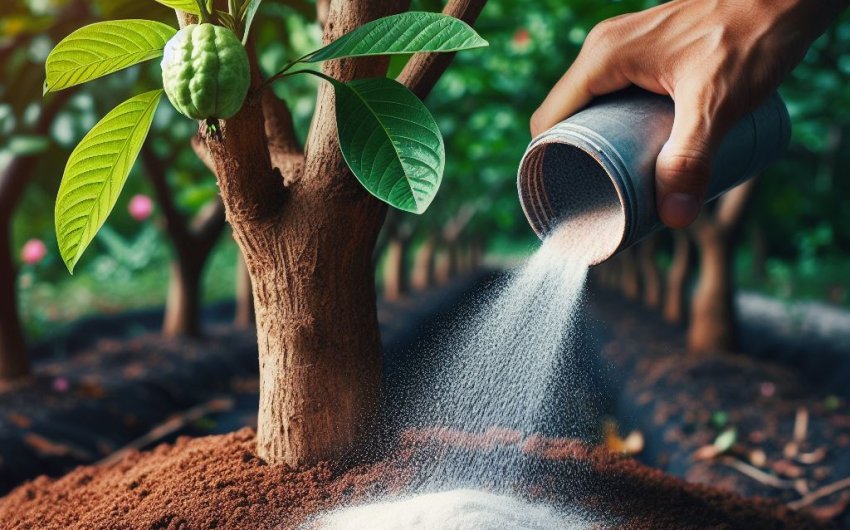
Guava trees are truly special, offering delicious, fragrant fruit and a touch of the tropics to any garden. Whether you're growing a single tree in a pot or a small grove in your backyard, providing the right nutrients is key to its success. These hardy plants can be quite forgiving, but to get the best growth, the most fruit, and the healthiest leaves, you need a smart feeding plan. Think of it like giving your tree the perfect balanced meal.
Just like us, plants need different kinds of food to thrive. For guava trees, getting the right mix of nutrients, at the right time, makes all the difference. This guide will walk you through everything you need to know about how to fertilize guava trees for optimal growth. From understanding soil needs to choosing the best fertilizers, we'll help you nurture your guava tree to its fullest potential, ensuring abundant harvests of sweet, juicy fruit.
Why Is Fertilizing Guava Trees So Important?
Fertilizing isn't just about making a plant grow bigger. For a guava tree, it's about supporting every part of its life cycle, from strong roots to tasty fruit.
How Does Fertilizer Help Guava Trees Grow Strong?
Fertilizer provides essential nutrients that guava trees need for all their basic functions. Think of nutrients as the building blocks for the plant.
- Leaf Growth: Nutrients help the tree produce lush, green leaves. Leaves are like the tree's solar panels, capturing sunlight to make food (photosynthesis). Healthy leaves mean a healthy tree.
- Root Development: Strong, widespread roots anchor the tree and are crucial for taking up water and nutrients from the soil.
- Flowering and Fruiting: Specific nutrients are vital for the tree to produce beautiful flowers, which then turn into delicious fruit. Without enough of these, flowering might be sparse, and fruit production could be poor.
- Disease Resistance: A well-fed tree is a strong tree. It can better resist pests and diseases because its natural defenses are robust.
- Overall Vigor: Fertilizing supports the tree's overall health and energy, allowing it to grow vigorously and live longer.
Without proper fertilization, guava trees might show signs of weakness: small, pale leaves, slow growth, few flowers, and limited fruit. They might also be more prone to stress from environmental factors.
What Are Macronutrients and Micronutrients for Guava?
Plants need different nutrients in different amounts. These are generally split into two groups:
Macronutrients
These are needed in larger amounts. The most important ones are often listed on fertilizer labels with three numbers, known as the N-P-K ratio:
- Nitrogen (N): Promotes strong leafy growth and a vibrant green color. It's especially important for young trees and during periods of active growth.
- Phosphorus (P): Essential for root development, flowering, and fruiting. It helps the tree convert sunlight into energy.
- Potassium (K): Supports overall plant health, fruit quality (flavor, size), disease resistance, and water regulation.
Micronutrients (Trace Elements)
These are needed in smaller amounts, but are just as vital.
- Iron (Fe): Important for chlorophyll production (green color). Deficiency causes yellowing between leaf veins.
- Manganese (Mn): Helps with photosynthesis and nutrient uptake.
- Zinc (Zn): Aids in plant growth regulation and enzyme activity.
- Boron (B): Important for flowering, fruiting, and cell wall formation.
- Copper (Cu): Essential for enzyme activity and photosynthesis.
- Molybdenum (Mo): Needed for nitrogen metabolism.
- Chlorine (Cl): Plays a role in water movement.
Many general-purpose fruit tree fertilizers will include a range of micronutrients. If your soil has a specific deficiency, you might need to add these separately.
When Is the Best Time to Fertilize Guava Trees?
Timing is crucial. Giving the right nutrients at the wrong time can be wasteful or even harmful.
How Often Should I Fertilize Young Guava Trees?
Young guava trees (those less than 2-3 years old, or newly planted) need regular, gentle feeding to establish strong roots and vigorous growth.
- First Year: Start fertilizing 3-4 weeks after planting. Fertilize every 4-6 weeks during the growing season (spring through summer). Use a balanced fertilizer with a slightly higher nitrogen content (e.g., 8-8-8 or 10-10-10) applied at a low dose.
- Second and Third Year: Continue fertilizing every 6-8 weeks during the growing season. You can gradually increase the dose as the tree grows.
The goal for young trees is to build a strong framework before heavy fruiting begins.
How Often Should I Fertilize Mature Guava Trees?
Mature guava trees (3 years or older, or those actively fruiting) have different needs. They require feeding to support both vegetative growth and fruit production.
- Frequency: Fertilize 3-4 times a year during the active growing and fruiting season.
- Early Spring (March/April): As new growth begins, a balanced fertilizer or one slightly higher in nitrogen to kickstart growth.
- Late Spring/Early Summer (May/June): As flowering begins, switch to a fertilizer higher in phosphorus and potassium to support blooming and fruit set.
- Mid-Summer (July/August): A final application, again leaning towards phosphorus and potassium, to support fruit development and ripening.
- Late Fall/Winter: Stop fertilizing. Guava trees typically slow down or go dormant in cooler months (unless in a very tropical, year-round warm climate). Fertilizing late in the season can encourage tender new growth that is vulnerable to cold.
Always adjust timing based on your specific climate. In very warm, tropical areas where guava trees produce fruit year-round, you might need to adjust your fertilizing schedule to be more continuous, but still observe the plant's growth cycles.
Should I Fertilize Guava Trees in Pots Differently?
Yes! Guava trees grown in pots have limited soil volume, so their nutrient needs and watering habits are different.
- Leaching: Nutrients leach out of pots more quickly with watering.
- Frequency: Potted guavas need more frequent but lighter applications of fertilizer. Fertilize every 2-4 weeks during the growing season.
- Dose: Use a diluted liquid fertilizer at half the strength recommended for in-ground trees.
- Avoid Build-up: Flush the pot with pure water every few months to prevent salt build-up from fertilizers, which can harm roots.
A slow-release granular fertilizer can also work for potted guavas, applied every few months, but monitor carefully to avoid over-fertilizing.
What Kind of Fertilizer Is Best for Guava Trees?
Choosing the right type of fertilizer and the correct nutrient balance is key to optimal growth.
What NPK Ratio Should I Use for Guava Trees?
The N-P-K ratio tells you the percentage of Nitrogen, Phosphorus, and Potassium in the fertilizer.
- Young Guava Trees (1-3 years): A balanced fertilizer with equal or slightly higher nitrogen is ideal. Look for ratios like 8-8-8, 10-10-10, or 10-5-5. This supports robust leafy growth and root development.
- Mature/Fruiting Guava Trees (3+ years): Once trees start flowering and fruiting heavily, they benefit from less nitrogen and more phosphorus and potassium. Look for ratios like 5-10-10, 6-8-10, or 7-9-5. This promotes bloom production and enhances fruit quality.
A general fruit tree fertilizer or a citrus tree fertilizer (many of which are suitable for guava) can be a good starting point.
Should I Use Organic or Synthetic Fertilizers?
Both organic and synthetic fertilizers can be used, each with pros and cons.
Synthetic Fertilizers
- Pros: Provide nutrients quickly, precise NPK ratios, generally cheaper.
- Cons: Can burn roots if over-applied, don't improve soil health long-term, made from chemicals.
- Examples: Granular or liquid fertilizers with specific NPK ratios like granular fruit tree fertilizer.
Organic Fertilizers
- Pros: Improve soil structure, release nutrients slowly, less risk of burning, support beneficial soil microbes, environmentally friendly.
- Cons: Nutrients release slower, NPK ratios can be less precise, often more expensive, might attract pests if not properly incorporated.
- Examples:
- Compost: Well-rotted compost is an excellent all-around soil amendment and slow-release fertilizer.
- Aged Manure: Chicken, cow, or horse manure (make sure it's composted/aged to avoid burning plants).
- Bone Meal: Good source of phosphorus for flowering and fruiting. A bag of bone meal fertilizer can be very useful.
- Blood Meal: Good source of nitrogen for leafy growth.
- Kelp Meal/Seaweed Extract: Provides a wide range of trace minerals and plant growth hormones. A liquid seaweed fertilizer can be used as a foliar spray or soil drench.
- Worm Castings: Extremely rich in nutrients and beneficial microbes. A bag of worm castings provides a gentle boost.
A great approach is to use a combination: rely on organic amendments like compost for overall soil health, and supplement with granular or liquid fertilizers during peak growth and fruiting periods as needed.
What About Micronutrients for Guava?
Guava trees can suffer from micronutrient deficiencies, especially in alkaline soils.
- Iron Deficiency: Most common, causing yellowing between leaf veins while the veins remain green. Can be treated with a chelated iron supplement or by acidifying the soil.
- Zinc and Manganese: Deficiencies can also cause yellowing patterns.
- How to Supplement: Many complete fruit tree fertilizers include micronutrients. If specific deficiencies are identified (e.g., via a soil test), you can apply a micronutrient supplement for fruit trees as a foliar spray or soil drench. Adjusting soil pH can also help plants absorb existing micronutrients more effectively.
How Do I Apply Fertilizer to My Guava Tree?
Proper application methods ensure the nutrients reach the roots efficiently and prevent waste or damage.
How to Apply Granular Fertilizers
- Broadcast Method: Spread the granular fertilizer evenly over the soil surface around the tree.
- Drip Line Application: Focus the application within the drip line of the tree. The drip line is the imaginary circle on the ground directly beneath the outermost branches. This is where the majority of the tree's feeder roots are located.
- Avoid the Trunk: Do not let fertilizer touch the trunk of the tree, as it can cause chemical burn. Keep it at least 6-12 inches away.
- Incorporate and Water In: Gently rake the fertilizer into the top inch or two of soil. Then, water thoroughly. This dissolves the fertilizer and carries the nutrients down to the roots, preventing surface runoff and potential burning.
- Dosage: Always follow the product label for the recommended dosage based on tree size or age. Over-fertilizing can be worse than under-fertilizing.
How to Apply Liquid Fertilizers
- Dilution: Liquid fertilizers (like fish emulsion or seaweed extract) must be diluted with water according to the product instructions.
- Soil Drench: Apply the diluted liquid directly to the soil around the tree's drip line. Ensure even coverage.
- Foliar Spray: Some micronutrient supplements or liquid organic fertilizers can be applied as a foliar spray directly to the leaves. The leaves absorb nutrients quickly. Apply in the early morning or late afternoon to avoid scorching leaves in direct sun and allow them to dry before night. A garden sprayer is useful for even application.
- Potted Trees: Liquid fertilizers are excellent for potted guava trees due to easier control over dosage and rapid nutrient delivery.
What About Slow-Release Fertilizers?
Slow-release fertilizers are granular products that release nutrients gradually over an extended period (months).
- Application: Follow package directions for dose and frequency. They are often applied less frequently, perhaps every 3-6 months.
- Benefits: Provide a steady supply of nutrients, reduce the risk of burning, and minimize the need for frequent applications. This is especially convenient for potted trees or busy gardeners. Look for a slow-release fruit tree fertilizer.
What Other Factors Influence Guava Tree Health and Fertilization?
Fertilization is just one piece of the puzzle. Other environmental factors and cultural practices significantly impact how well your guava tree uses nutrients.
How Does Soil pH Affect Guava Tree Fertilization?
Soil pH (a measure of how acidic or alkaline your soil is) is extremely important. It affects how well your tree can take up nutrients from the soil.
- Ideal pH: Guava trees prefer slightly acidic to neutral soil, with a pH range of 5.0 to 7.0, ideally around 6.0-6.5.
- Nutrient Availability:
- If the pH is too high (alkaline), some micronutrients like iron, zinc, and manganese become "locked up" and unavailable to the plant, even if they are present in the soil. This leads to deficiencies like interveinal chlorosis (yellowing between leaf veins).
- If the pH is too low (very acidic), other nutrients might become less available.
- How to Adjust pH:
- To lower pH (make more acidic): Add elemental sulfur or organic matter like peat moss. This is a gradual process.
- To raise pH (make more alkaline): Add agricultural lime.
- Soil Test: Always do a soil test kit before adjusting pH to know your starting point.
How Do Water and Sunlight Interact with Fertilizer?
- Water: Water is the carrier of nutrients. For fertilizers to work, they need to be dissolved in water and absorbed by the roots. Consistently moist, but not waterlogged, soil is essential. Both underwatering and overwatering can hinder nutrient uptake.
- Sunlight: Guava trees need full sun (at least 6-8 hours of direct sunlight daily) to perform photosynthesis efficiently. Without enough sunlight, even perfectly fertilized trees will struggle to convert nutrients into energy for growth and fruit production.
Optimal water and sunlight allow the tree to maximize the benefits of fertilization.
Should I Consider Composting for Guava Trees?
Yes! Composting is one of the best things you can do for any fruit tree, including guava.
- Benefits: Compost adds a slow, steady supply of all essential nutrients, improves soil structure (making heavy clay drain better and sandy soil hold water), encourages beneficial soil microbes, and buffers soil pH.
- Application: Apply a 1-3 inch layer of well-rotted compost around the drip line of your guava tree once or twice a year (in spring and/or fall). Gently work it into the top few inches of soil or let it sit as a top-dressing.
- Homemade Compost: Making your own compost bin from kitchen scraps and yard waste is a sustainable way to provide continuous nourishment.
Compost acts as a long-term soil conditioner that makes your soil healthier and your fertilizers more effective.
How Does Pruning Affect Fertilization Needs?
Pruning is important for guava tree health and fruit production, and it indirectly relates to fertilization.
- Open Canopy: Pruning to create an open canopy improves air circulation and sunlight penetration, which helps the tree photosynthesize better and reduces disease risk.
- New Growth: Pruning often encourages new growth. This flush of new growth will require nutrients, so it's a good time to fertilize after a major pruning (during the growing season).
- Removing Dead/Diseased Wood: Removing unhealthy parts of the tree allows the plant to focus its energy and nutrients on healthy growth.
- Fruit Production: Guavas often fruit on new growth, so strategic pruning (light pruning after harvest) can encourage more fruiting branches for the next season, which will then need adequate fertilization to support the fruit.
Use sharp, clean pruning shears for clean cuts.
What Are Signs of Nutrient Deficiencies in Guava Trees?
Learning to "read" your tree is vital.
- General Yellowing/Pale Green Leaves, Slow Growth: Often points to Nitrogen deficiency.
- Yellowing between Leaf Veins (Veins Stay Green): Classic sign of Iron deficiency, sometimes also Manganese or Zinc.
- Purplish Tint to Leaves, Poor Flowering/Fruiting: Can indicate Phosphorus deficiency.
- Yellowing Leaf Margins/Tips, Poor Fruit Quality: Suggests Potassium deficiency.
- Stunted Growth, Small Leaves: General nutrient deficiency or incorrect pH.
If you observe these signs, first check your watering and sunlight. Then, consider a soil test to confirm nutrient imbalances before applying specific fertilizers.
By carefully planning your fertilization schedule, choosing the right products, and integrating these practices with proper watering, sunlight, and soil care, you can ensure your guava tree thrives and provides you with abundant, delicious fruit for years to come.