
What are the water requirements for guava trees?
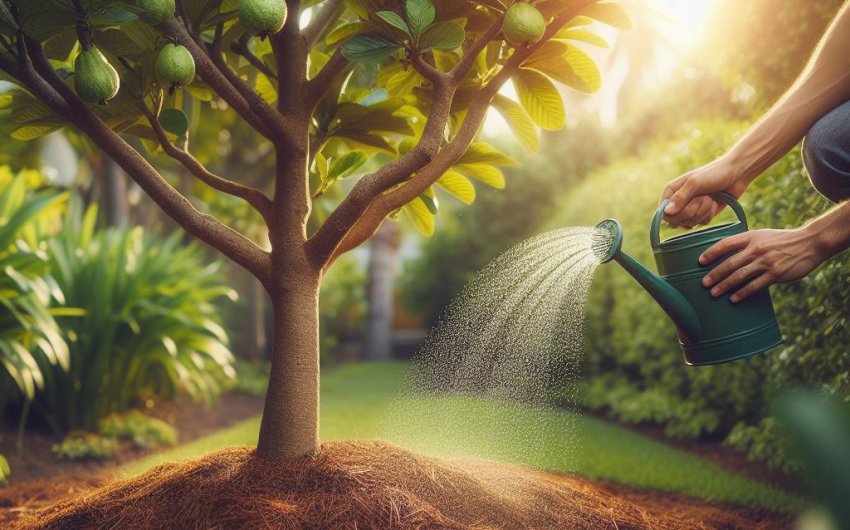
The guava tree (Psidium guajava) is a delightful addition to many home gardens, celebrated for its unique, aromatic fruits bursting with tropical flavor. From the sweet flesh of a ripe fruit to its surprisingly hardy nature, the guava offers a taste of the exotic that even temperate climate gardeners can sometimes cultivate in containers. However, like all fruit-bearing plants, successful growth and abundant yields hinge on meeting specific needs, and among the most critical is water. While often lauded for their drought tolerance once established, young guava trees and those actively producing fruit have particular water requirements that, if neglected, can lead to stunted growth, blossom drop, or subpar harvests. Understanding the nuances of their hydration needs—from seasonal changes to soil type—is key to nurturing a thriving guava tree that generously rewards your efforts with juicy, fragrant fruits. Let's explore the essential watering strategies to ensure your guava tree flourishes.
Why is Proper Watering Crucial for Guava Trees?
Water is the lifeblood of any plant, but for fruit-bearing trees like the guava, its consistent and appropriate supply directly impacts not just survival, but also growth, flowering, and the ultimate quality and quantity of the fruit. Understanding why proper watering is so critical for guava trees highlights the importance of getting it right.
What are the main impacts of incorrect watering on guava trees?
Both underwatering and overwatering can lead to significant problems for guava trees, affecting their health, productivity, and the quality of their fruit.
Impacts of Underwatering (Not Enough Water):
- Stunted Growth: Especially in young guava trees, insufficient water will severely limit their ability to grow new leaves, stems, and roots, leading to slow or arrested development.
- Wilting and Leaf Drop: As the tree becomes dehydrated, its leaves will wilt, curl, and eventually turn yellow or brown before dropping prematurely. This reduces the tree's ability to perform photosynthesis (make food).
- Reduced Flowering and Fruit Set: Guava trees are sensitive to drought stress during flowering. If the tree is stressed by lack of water when it's supposed to flower, it may produce fewer blossoms or drop them entirely (known as blossom drop), leading to a significantly reduced fruit yield.
- Small or Poor Quality Fruit: If guava fruits do develop during periods of insufficient water, they are likely to be smaller, less juicy, less flavorful, and potentially more fibrous. The tree simply doesn't have enough resources to properly fill out the fruit.
- Increased Pest Susceptibility: Drought-stressed trees are weaker and more vulnerable to pest infestations and diseases. They lack the vigor to fend off common issues.
- Death: Prolonged and severe underwatering, especially for young or newly planted guava trees, can ultimately lead to the tree's demise.
Impacts of Overwatering (Too Much Water):
- Root Rot: This is the most serious consequence of overwatering. Constantly soggy soil deprives tree roots of oxygen. Without oxygen, roots cannot "breathe" and begin to decay, leading to root rot. Affected roots turn black and mushy, hindering the tree's ability to absorb water and nutrients.
- Paradoxical Wilting: A guava tree with root rot will often show signs of wilting, even though the soil is wet. This is because the damaged roots can't take up water, leading to dehydration despite abundant moisture.
- Nutrient Leaching: Excessive watering can wash essential nutrients out of the soil's root zone, making them unavailable to the guava tree. This can lead to nutrient deficiencies, manifesting as yellowing leaves or stunted growth, even if you are fertilizing.
- Weakened Immune System: Just like underwatering, overwatering stresses the tree, making it more prone to diseases and pest attacks.
- Reduced Oxygen in Soil: Waterlogged soil becomes anaerobic (lacking oxygen), which can also promote the growth of harmful anaerobic bacteria and inhibit beneficial soil microorganisms.
- Stunted Growth and Poor Yields: A tree suffering from root rot or nutrient deficiency due to overwatering will struggle to grow and produce fruit.
How does proper watering benefit guava trees?
- Optimal Growth and Vigor: Consistent and appropriate watering promotes healthy root development, robust stem and leaf growth, and overall tree vigor.
- Abundant Flowering and Fruit Set: A well-hydrated guava tree is better equipped to produce a profusion of healthy flowers and convert them into fruit, leading to higher yields.
- Large, Juicy, and Flavorful Fruits: Consistent soil moisture ensures that fruits can swell properly and develop their full size, juiciness, and characteristic guava flavor. It helps prevent issues like fruit splitting.
- Increased Disease and Pest Resistance: A strong, healthy tree is naturally more resilient and better able to withstand environmental stresses and fight off potential pest infestations or disease outbreaks.
- Efficient Nutrient Uptake: When soil moisture is balanced, nutrients are readily dissolved and absorbed by the roots, leading to efficient fertilizer use.
In summary, proper watering is the foundation of successful guava tree cultivation. It ensures the tree receives the right amount of hydration at the right time, leading to healthy growth, prolific flowering, and a rewarding harvest of delicious fruits.
What Factors Influence Guava Tree Water Requirements?
The amount and frequency of watering your guava tree needs are not fixed. Several factors dynamically influence its water requirements. Understanding these elements allows you to adjust your watering strategy to match your tree's specific needs and environmental conditions.
1. Age and Size of the Guava Tree
The most significant factor influencing water needs is the tree's maturity.
- Newly Planted Guava Trees (First Year): These are the most vulnerable and have the highest watering requirements. Their root systems are not yet established in the surrounding soil, making them unable to seek out deep soil moisture.
- Need: Frequent, consistent watering to keep the soil moist (but not soggy) to encourage root establishment.
- Young, Developing Guava Trees (2-4 Years): Still establishing and growing rapidly, these trees continue to have moderate to high water needs. Their developing root systems are exploring the soil, but they are not yet fully self-sufficient.
- Mature, Established Guava Trees (5+ Years): Once established (typically after 3-5 years), guava trees develop deep, extensive root systems that make them remarkably drought-tolerant. They can tap into deeper soil moisture reserves and require significantly less supplemental watering compared to young trees.
- Need: Can withstand dry spells but will still benefit from deep watering during prolonged droughts or during critical periods of flowering and fruiting for optimal yield.
2. Climate and Weather Conditions
The weather plays a huge role in how quickly your guava tree uses and loses water.
- Temperature:
- Hot Weather: Higher temperatures increase evaporation from the soil surface and transpiration (water loss from leaves) from the tree, leading to higher water requirements. You will need to water more frequently.
- Cool Weather: Lower temperatures reduce evaporation and transpiration, so water requirements decrease. You will need to water less frequently.
- Humidity:
- Low Humidity: Dry air increases transpiration, meaning the tree loses water faster. This increases water needs.
- High Humidity: Humid air reduces transpiration, decreasing water needs.
- Rainfall: Always factor in natural rainfall. If you receive sufficient rain (e.g., 1 inch or more), you might not need to provide supplemental watering. Use a rain gauge to measure accurately.
- Wind: Windy conditions can significantly increase both evaporation from the soil and transpiration from the leaves, leading to higher water requirements.
3. Soil Type
The soil type determines how well your soil drains and retains water.
- Sandy Soil: Drains very quickly and retains less water.
- Need: Will require more frequent (but still deep) watering sessions to ensure the guava tree gets enough moisture, as water passes through rapidly.
- Clay Soil: Drains slowly and retains a lot of water. Can become easily waterlogged.
- Need: Requires less frequent watering to avoid soggy soil and root rot. When watering, use a "cycle and soak" method (apply water until runoff, then pause to let it soak, then repeat) to allow for proper penetration without runoff. Aeration can significantly improve drainage in heavy clay.
- Loamy Soil: The ideal balance of drainage and water retention.
- Need: This soil type generally holds water well without becoming waterlogged, allowing for optimal watering schedules.
4. Container vs. In-Ground Planting
- Container-Grown Guava Trees: Plants grown in pots have limited soil volume, which heats up faster and dries out much more quickly than in-ground soil.
- Need: Will require significantly more frequent watering than in-ground trees, often daily or every other day during hot weather. Ensure the pot has drainage holes. Consider self-watering containers for consistency.
- In-Ground Guava Trees: Have access to a larger soil volume and often deeper water reserves.
- Need: Once established, much less frequent watering is required.
5. Growth Stage and Fruiting Cycle
A guava tree's water needs fluctuate throughout its annual cycle.
- Flowering and Fruit Set: This is a critical period where consistent moisture is paramount. Insufficient water during flowering can lead to blossom drop and reduced fruit yield.
- Fruit Development: During the stage when guava fruits are swelling and ripening, adequate water is essential for producing large, juicy fruits and preventing issues like fruit splitting or blossom end rot.
- Dormancy/Slower Growth: During cooler months or periods of reduced growth, water requirements significantly decrease. Overwatering at this time can be detrimental.
By constantly observing your guava tree and considering these factors, you can effectively tailor your watering strategy to its dynamic needs, leading to a healthier, more productive plant.
How Do I Water My Guava Tree Correctly? (Techniques and Tips)
Mastering the watering techniques for your guava tree is just as important as knowing how much and when. The goal is to deliver water deeply and efficiently to the entire root zone without causing soggy soil or waste.
1. Water Deeply and Thoroughly
- Why it's crucial: Deep watering encourages the guava tree's root system to grow downwards, seeking moisture in the deeper soil layers. This makes the tree more drought-tolerant and stable. Shallow, frequent watering promotes shallow roots, making the tree dependent on surface moisture and highly vulnerable to short dry spells.
- How deep: Aim to moisten the soil to a depth of at least 12-18 inches (30-45 cm) for young trees, and even deeper for mature trees.
- Method: Apply water slowly over an extended period. This allows the water to penetrate the soil rather than running off the surface.
- Soaker Hoses: Excellent for delivering water slowly and directly to the root zone, minimizing evaporation and keeping foliage dry. Place a soaker hose in a circle around the tree, a few feet from the trunk, and let it run for several hours. You can find a Gilmour Flat Soaker Hose.
- Drip Irrigation: Similar to soaker hoses, drip irrigation systems deliver water slowly and precisely to individual plants, maximizing efficiency.
- Slow Trickle with a Hose: Place the end of a regular garden hose on the ground near the tree's drip line (the outer edge of its canopy) and let it trickle slowly for an hour or more, moving it to different spots around the drip line.
- Tree Watering Bags: For newly planted trees, a tree watering bag (like a Treegator Original Slow Release Watering Bag) can provide a slow, consistent drip over several hours or days, ensuring deep penetration.
2. Water Infrequently (Once Established)
- Why it's crucial: Allowing the top few inches of soil to dry out between watering sessions forces the roots to grow deeper in search of moisture. This also ensures roots get adequate oxygen and prevents root rot.
- Frequency Check:
- Finger Test: The best way to know if your guava tree needs water is to stick your finger (or a moisture meter) 2-4 inches (5-10 cm) into the soil near the drip line. If it feels dry at that depth, it's time to water. If it's still moist, wait.
- For newly planted trees: Check daily or every other day, keeping the soil consistently moist but not soggy.
- For young trees: Check every 2-4 days, or twice a week depending on weather.
- For mature, established trees: May only need watering every 1-3 weeks during dry periods, or less if there's sufficient rainfall.
3. Water at the Right Time of Day
- Early Morning is Best: The ideal time to water is in the early morning (before 10 AM). This minimizes evaporation and allows any moisture on the leaves to dry quickly, reducing the risk of fungal diseases.
- Avoid Evening/Night Watering: This leaves foliage wet for prolonged periods, creating ideal conditions for fungal pathogens.
4. Water at the Drip Line
- What is the Drip Line? This is the area directly beneath the outer edge of the tree's canopy. The most active feeder roots are typically located here, extending outwards from the trunk.
- Why water there? Watering directly at the trunk can encourage root rot at the tree's base and doesn't efficiently reach the active feeding roots.
- Expand Watering Area as Tree Grows: As your guava tree grows larger, its drip line will expand, and your watering area should expand with it.
5. Consider the Use of Mulch
- Benefits: A 2-4 inch (5-10 cm) layer of organic mulch (e.g., wood chips, shredded bark, straw) around the base of your guava tree is incredibly beneficial.
- Moisture Retention: Mulch significantly reduces evaporation from the soil surface, helping to maintain consistent soil moisture and reduce watering frequency.
- Weed Suppression: It suppresses weeds that compete for water and nutrients.
- Temperature Regulation: Keeps soil temperature more stable (cooler in summer, warmer in winter).
- Soil Improvement: As organic mulch decomposes, it adds organic matter to the soil, improving its structure and fertility.
- Application: Apply mulch in a donut shape around the tree, keeping it a few inches away from the trunk to prevent moisture buildup and potential rot or pest issues at the base. A large bag of Pine Bark Mulch can work wonders.
6. Adjust for Container-Grown Guavas
- Check Daily: Container-grown guava trees will dry out much faster than in-ground trees. Check their soil moisture daily, especially in hot, windy weather.
- Drainage Holes: Always ensure the pot has adequate drainage holes.
- Bottom Watering (Optional): For smaller pots, you can occasionally bottom water by placing the pot in a tray of water for 30 minutes to an hour to allow the soil to soak up water from below.
- Self-Watering Containers: Consider a large self-watering container to help maintain consistent moisture.
By implementing these watering techniques and adhering to a "deep and infrequent" philosophy, you'll provide your guava tree with the optimal hydration it needs to thrive, ensuring healthy growth and abundant, juicy fruits.
How Do I Diagnose and Fix Guava Tree Watering Problems?
Even with the best intentions, guava trees can sometimes show signs of watering stress. Knowing how to diagnose whether your tree is receiving too much or too little water, and then how to correct the issue, is crucial for its survival and productivity.
Diagnosing Underwatering (Not Enough Water)
Signs of underwatering are often more obvious and dramatic.
- Wilting Leaves: The most common sign. Leaves will look limp, droopy, and lack their usual turgor (firmness).
- Curling/Crispy Leaves: Leaves may curl inward (to reduce water loss) and eventually turn yellow or brown, becoming dry and crispy, often starting from the tips or margins.
- Slowed or Stunted Growth: The tree won't be putting out new flushes of growth, or new leaves will be very small.
- Leaf Drop: Severely dehydrated leaves will drop prematurely.
- Dry Soil: The soil will feel bone dry several inches down. It might pull away from the edges of the pot or planting hole.
- Blossom Drop / Fruit Drop: Flowers or young fruits may abort and fall off if the tree is under drought stress during critical reproductive phases.
How to Fix Underwatering:
- Immediate Deep Watering: If the tree is wilting, water it immediately and deeply. Provide a slow, consistent trickle of water at the drip line for several hours, or use a soaker hose to ensure thorough penetration. For container plants, water until water drains from the bottom.
- Monitor Soil Moisture: After the initial watering, implement a consistent watering schedule based on the "deep and infrequent" principle, monitoring the soil moisture regularly (e.g., daily for new trees, every few days for young, weekly for established, depending on weather).
- Apply Mulch: If you haven't already, apply a 2-4 inch layer of organic mulch around the guava tree (keeping it away from the trunk) to help conserve soil moisture.
- Check Drainage: While underwatering is the current problem, if the soil is compacted or hard, it might not be absorbing water properly. Consider gentle aeration or compost amendments later to improve long-term absorption.
Diagnosing Overwatering (Too Much Water)
Signs of overwatering can sometimes mimic underwatering (e.g., wilting), making diagnosis tricky, but the key differentiator is always the soil moisture level.
- Yellowing Leaves: Often starting with lower leaves, they turn yellow and may drop off. This is due to nutrient deficiency from leaching or root rot.
- Wilting Leaves (Paradoxical): The leaves may wilt even though the soil is constantly wet. This indicates root rot, as the damaged roots cannot take up water or nutrients.
- Stunted Growth with Soggy Soil: The tree is not thriving, but the soil feels consistently wet, squishy, or smells foul.
- Leaf Edges Browning (Not Crispy): The edges of leaves might turn brown, but they feel soft or mushy, unlike the crispy brown of underwatering.
- Root Rot (Foul Smell, Mushy Roots): If you carefully dig around the base or lift a container plant, you may see dark, mushy, smelly roots.
- Algae or Moss on Soil Surface: Indicates persistently wet conditions.
How to Fix Overwatering:
- Stop Watering Immediately: Do not water the guava tree until the soil has had a chance to dry out significantly.
- Improve Drainage:
- For Container Plants: Ensure the pot has drainage holes. If the pot is sitting in a saucer of water, empty it immediately. You can lift the pot onto "pot feet" to improve air circulation underneath. If the pot material itself is non-porous (plastic, glazed ceramic), consider moving to a porous terracotta pot next time.
- For In-Ground Trees: If the soil has poor drainage (heavy clay, compacted), this is a long-term problem. You may need to incorporate large amounts of organic matter (like compost) to improve soil structure, or consider creating a raised bed if the problem is severe. Gentle aeration (avoiding roots) can help.
- Prune Damaged Roots (if root rot is severe for container plants): For container-grown guava trees, if you suspect severe root rot, gently remove the tree from its pot. With clean, sharp pruning shears, carefully trim away any dark, mushy, foul-smelling roots. Repot into fresh, well-draining potting mix (not the old soggy mix).
- Adjust Watering Schedule: After the soil has dried out sufficiently, re-evaluate and adjust your watering schedule to be much less frequent, basing it entirely on the soil moisture test (finger test). Remember the "deep and infrequent" rule.
- Remove Mulch (Temporarily): If you have a very thick layer of mulch, temporarily pull it back slightly from the base of the tree to allow the soil to dry out faster, especially if overwatering is a persistent problem. Reapply once conditions improve.
By observing your guava tree carefully and understanding the distinct signs of underwatering versus overwatering, you can effectively diagnose problems and implement the right corrective measures, ensuring your tree receives the perfect amount of hydration for healthy growth and abundant, juicy fruits.