
How to control fruiting on guava trees?
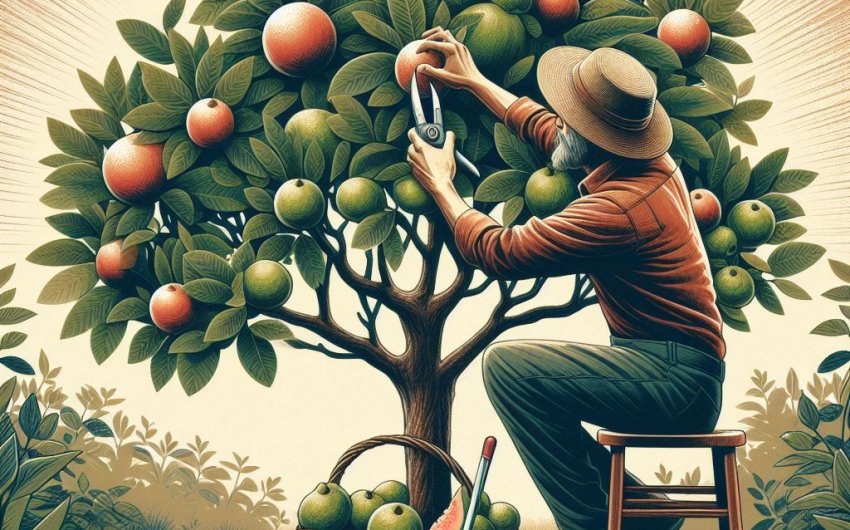
Guava trees (Psidium guajava) are renowned for their delicious, aromatic fruit and their ability to produce an abundant harvest. In many tropical and subtropical climates, these resilient trees can bear fruit almost year-round, leading to a prolific output that can sometimes be overwhelming. While a bountiful harvest is generally desirable, an uncontrolled amount of fruiting can actually stress the tree, leading to smaller, lower-quality fruit, weakened branches, and a reduced lifespan for the plant. Knowing how to manage and control fruiting is key to ensuring your guava tree remains healthy, productive, and provides you with the best possible fruit.
This guide will unveil the hidden potential in managing your guava tree's production, moving beyond just letting nature take its course. From strategic pruning techniques to mindful nutrition and watering, we'll explore various methods to influence when, how much, and how well your guava tree fruits. Learning to orchestrate the fruiting cycle allows you to enjoy a more consistent supply of high-quality guavas without exhausting your tree, transforming a potentially overwhelming yield into a perfectly managed harvest.
Why Is Controlling Fruiting Important for Guava Trees?
How Does Over-Fruiting Affect Fruit Quality?
Over-fruiting can severely diminish the quality of your guava fruit. When a guava tree produces too many fruits, its limited resources (water, nutrients, and energy produced by photosynthesis) are spread thin among a large number of developing guavas.
- Smaller size: Each individual fruit receives fewer resources, resulting in a significantly smaller fruit size. Instead of large, plump guavas, you might end up with many tiny ones.
- Reduced flavor and sweetness: The sugars and aromatic compounds that give guavas their distinct delicious flavor require energy from the tree. With too many fruits competing for these sugars, the flavor can become diluted, and the fruits may be less sweet and less aromatic.
- Poor texture: Over-fruiting can also affect the texture, leading to fruits that are less firm, more watery, or have a less desirable consistency.
- Increased seediness: Some growers report that over-fruiting can lead to a higher proportion of seeds relative to the pulp, making the fruit less enjoyable to eat.
Ultimately, while you might have more individual fruits, their overall appeal and eating experience will be much lower if the tree is allowed to over-fruit.
What Impact Does Excessive Fruiting Have on Tree Health?
Excessive fruiting puts a tremendous strain on the guava tree, negatively impacting its overall health and long-term vitality.
- Nutrient depletion: Producing fruit is an incredibly energy-intensive process. A tree that is constantly over-fruiting drains its nutrient reserves in the soil and within its own tissues. This can lead to general nutrient deficiencies, even if you are fertilizing regularly, as the demand outstrips supply.
- Stunted vegetative growth: When a tree's energy is solely directed towards fruit production, it has less energy for new vegetative growth (leaves, stems, roots). This can result in a smaller, weaker tree that doesn't develop a robust canopy or strong structure.
- Weakened branches: The sheer weight of many developing guavas can cause branches to bend, crack, or even break, especially during windy conditions or heavy rains. This not only damages the tree but can also lead to open wounds that are susceptible to pests and diseases.
- Reduced lifespan: A guava tree that is perpetually stressed by over-fruiting will have a shorter productive lifespan. It will decline faster and eventually cease to be a strong producer.
- Alternate bearing: In some cases, a tree that over-fruits one year may produce very little fruit the following year, a phenomenon known as alternate bearing. This is the tree's way of recovering from the previous season's stress.
Managing fruiting protects your tree's health, ensuring it remains vigorous and productive for many years.
How Does Controlling Fruiting Help Pest and Disease Management?
Controlling fruiting can significantly improve your pest and disease management efforts in your guava tree.
- Improved air circulation: A tree with a more open canopy (due to controlled growth and less dense fruit clusters) has better air circulation. This reduces humidity around the leaves and fruit, making it less hospitable for fungal diseases like powdery mildew or various leaf spots.
- Easier inspection: Fewer fruits and a less dense canopy make it much easier to visually inspect your tree for early signs of pests (like fruit flies, scales, or mealybugs) or diseases. Early detection means you can address problems before they become widespread.
- Better spray coverage: If you need to apply any treatments (organic or otherwise) for pests or diseases, a more open tree allows for better spray penetration and coverage, making your treatments more effective.
- Reduced pest breeding sites: Overripe or rotting fruit that drops to the ground becomes a breeding ground for fruit flies and other pests. By managing the quantity of fruit, you reduce the potential for these secondary infestations.
- Stronger, healthier trees: As discussed, controlling fruiting leads to a healthier, more vigorous tree. Healthy trees are naturally more resilient and better able to withstand and recover from pest and disease attacks, requiring fewer interventions.
A well-managed guava tree is less of a target for unwelcome visitors.
What Pruning Techniques Control Fruiting on Guava Trees?
How Does Tip Pruning or Heading Back Promote New Growth?
Guava trees primarily produce flowers and fruit on new growth. This means that strategic pruning techniques can directly influence where and when your tree produces fruit.
- Tip pruning: This involves removing just the very tip of a branch (about 1-2 inches). This stimulates the buds just below the cut to break dormancy and produce new shoots.
- Heading back: This is a more aggressive cut where you remove a larger portion of a branch (e.g., cutting a branch back to an outward-facing bud or a lateral branch). This also encourages new growth from the remaining part of the branch.
By performing these cuts, especially after a harvest or during the dormant season (depending on your climate), you encourage a flush of new growth. Since guavas fruit on new growth, this helps generate future fruiting sites. It also allows you to control the shape and size of the tree, preventing it from becoming too large and unmanageable. Always use sharp, clean Pruning Shears for Garden to make clean cuts.
When Is the Best Time to Prune for Guava Fruit Control?
The best time to prune your guava tree for fruit control depends on your climate and whether your tree fruits once or multiple times a year.
- For trees with one main crop (common in cooler subtropical areas):
- After the main harvest: The ideal time is immediately after the tree finishes its primary fruiting cycle. This gives the tree time to recover and produce a flush of new growth before the next fruiting season.
- For trees that fruit year-round or multiple times (common in tropical areas):
- Strategic timing: You can prune in cycles. For example, prune a portion of the tree after it fruits, allowing that section to regrow and fruit later. This can help you stagger harvests.
- Avoid heavy pruning during peak fruiting: While you can light prune at any time for dead or diseased branches, avoid heavy pruning when the tree is laden with developing fruit, as this adds stress.
- General rules:
- Avoid late fall/winter for heavy pruning in cooler climates: New growth stimulated by late pruning can be vulnerable to frost damage.
- Consider desired harvest time: If you want fruit at a specific time, remember that it takes about 3-5 months from flower to ripe fruit. Prune to encourage new growth 3-5 months before your desired harvest window.
Consistent, moderate pruning is generally better than infrequent, heavy pruning.
How Does Thinning Fruit Improve Quality?
Thinning fruit (also called fruit thinning or crop thinning) is a direct and highly effective way to improve the quality of your guava fruit and protect tree health. This involves selectively removing a portion of the young, developing fruits from the tree.
- When to thin: The best time to thin is when the fruits are very small, about the size of a marble or a small pea. At this stage, the tree has not yet invested too much energy into their development.
- How to thin:
- Remove damaged or misshapen fruit: Always start by removing any fruit that looks damaged by pests, disease, or physical injury. Also remove any fruit that is poorly formed.
- Remove crowded clusters: Guavas often grow in clusters. Reduce these clusters to 1 or 2 healthy fruits. Aim for spacing of about 4-6 inches between individual fruits on a branch.
- Prioritize strong fruit: Choose the largest, healthiest-looking fruits in a cluster to keep, and remove the smaller or weaker ones.
- Benefits: By reducing the number of fruits, the tree can direct all its energy and nutrients to the remaining fruits, resulting in:
- Significantly larger fruit size.
- Improved flavor and sweetness.
- Better texture and overall quality.
- Less strain on the tree's branches and resources.
Fruit thinning might feel counter-intuitive, but it's a proven method for superior fruit quality.
What Is De-blossoming and When Is It Used?
De-blossoming is an even more aggressive form of fruit control than fruit thinning. It involves removing the flowers before they even have a chance to form fruit.
- When it's used:
- Young trees: It's primarily used on young guava trees (e.g., in their first 1-2 years after planting). Allowing a very young tree to fruit heavily can stunt its overall growth and development, as its energy is diverted from establishing a strong root system and structural branches. De-blossoming helps the young tree focus on vegetative growth, building a strong foundation for future, heavier fruiting.
- Stress recovery: If an established tree has been severely stressed (e.g., by drought, heavy pest infestation, or disease), de-blossoming for one season can help it recover its vigor.
- Reshaping/Rejuvenation: If you've just done a heavy rejuvenation prune on an older tree, removing initial flowers can help the tree direct energy into regrowing its canopy.
- How to de-blossom: Simply pinch or snip off the flower buds or open flowers by hand.
While it means sacrificing fruit for a season, de-blossoming is an important tool for establishing a strong, healthy guava tree that will be more productive in the long run.
How Do Nutrition and Watering Influence Fruiting?
How Does Balanced Fertilization Affect Fruit Production?
Balanced fertilization is critical for both the health of your guava tree and its ability to produce good quality fruit. Providing the right nutrients at the right time ensures the tree has the building blocks for growth, flowering, and fruiting without encouraging over-fruiting of poor quality fruit.
- Nitrogen (N): Promotes leafy, vegetative growth. While some nitrogen is needed, too much can lead to excessive foliage at the expense of flowering and fruiting.
- Phosphorus (P): Crucial for flower and fruit development, as well as strong root growth.
- Potassium (K): Essential for overall plant vigor, disease resistance, and fruit quality (size, flavor, and sugar content).
- Micronutrients: Guavas also need micronutrients like iron, manganese, zinc, and boron.
- Timing: Fertilize guava trees during their active growing season, typically in early spring as new growth begins, and again in late spring or early summer. Avoid fertilizing heavily in late fall or winter, especially in cooler climates, as it can stimulate tender new growth vulnerable to frost.
A soil test is the best way to determine your specific soil deficiencies. Based on the results, use a balanced fruit tree fertilizer or one with a higher phosphorus and potassium content, such as a 5-1-3 or 6-2-4 NPK ratio. A balanced granular fertilizer like Espoma Organic Fruit Tree Food can be beneficial.
Why Is Calcium Important for Guava Fruit?
Calcium is a vital micronutrient often overlooked in fruit production, but it plays a crucial role in guava fruit quality. It contributes to the structural integrity of cell walls within the fruit.
- Prevents blossom end rot: While more common in tomatoes, calcium deficiency can sometimes manifest in guavas as poorly formed fruit or issues at the blossom end.
- Improves firmness and storage life: Adequate calcium helps produce firmer fruit with better texture, making them less prone to bruising and extending their shelf life after harvest.
- Enhances disease resistance: Stronger cell walls also mean the fruit is more resistant to certain fungal infections.
If your soil test indicates calcium deficiency or if you notice soft, poor-quality fruit despite other good practices, consider supplementing. You can add gypsum or calcium nitrate to the soil, or use a foliar spray of calcium chloride during fruit development. Ensure good watering practices, as irregular watering can also impede calcium uptake.
How Does Consistent Watering Impact Fruiting?
Consistent watering is absolutely essential for healthy guava tree growth and optimal fruiting. Guavas thrive with regular moisture, particularly when they are flowering and when fruits are developing.
- Flower production: Adequate water supports the tree's energy for robust flower production, which is the precursor to fruit.
- Fruit development and sizing: Once fruits have set, consistent moisture allows them to swell and develop to their full size. Irregular watering during this stage can lead to stunted fruit, cracking, or premature fruit drop.
- Nutrient uptake: Water is the vehicle that transports nutrients from the soil to the tree's roots and then throughout the plant. Without sufficient water, even abundant nutrients in the soil cannot be absorbed.
- Avoid water stress: Both underwatering (leading to drought stress) and overwatering (leading to soggy, anaerobic soil and root rot) can negatively impact fruiting. Stressed trees may drop flowers or developing fruits as a survival mechanism.
Aim for deep, thorough watering, especially during dry periods, ensuring the soil remains consistently moist but not waterlogged. The goal is to provide about 1 inch of water per week through rain or irrigation. A Soaker Hose or a drip irrigation system is ideal for providing slow, deep watering.
Can Environmental Factors Influence Guava Fruiting?
How Does Sunlight Affect Guava Production?
Sunlight is a fundamental environmental factor that profoundly affects guava production. Guava trees are tropical plants that love the sun.
- Photosynthesis: Sunlight provides the energy for photosynthesis, the process by which the tree produces sugars and energy for all its life functions, including growth, flowering, and fruiting.
- Flower initiation: Ample sunlight directly promotes the initiation of flower buds. Trees in full sun will generally produce more flowers than those in shade.
- Fruit quality: Fruits that receive enough sunlight tend to develop better color, flavor, and sweetness compared to those hidden in dense shade.
- Optimal location: For best results, plant your guava tree in a location that receives at least 6-8 hours of direct sunlight per day. More sun generally means more and better fruit, as long as other factors like water and nutrients are also met.
If your guava tree is in a partially shaded location, it may still fruit, but the yield will likely be reduced, and the fruit quality may not be as high. Proper pruning also helps ensure that enough sunlight penetrates the canopy to reach all parts of the tree.
What Role Does Temperature Play in Fruiting?
Temperature is another critical environmental factor for guava fruiting. Guava trees are sensitive to cold and thrive in warm conditions.
- Optimal temperature range: Guavas prefer average temperatures between (70^\circ\text{F}) and (85^\circ\text{F}) ((21^\circ\text{C}) and (29^\circ\text{C})) for optimal growth and fruiting.
- Cold sensitivity: Guava trees are very sensitive to frost and freezing temperatures. Prolonged exposure to temperatures below (30^\circ\text{F}) ((-1^\circ\text{C})) can severely damage or kill the tree. Even milder cold snaps can damage flowers or young fruit, leading to fruit drop or reduced yield.
- Flowering initiation: Consistent warm temperatures are necessary to trigger and sustain flowering cycles. In cooler subtropical zones, fruiting may be limited to specific warm seasons, while in true tropical zones, they can fruit almost continuously.
- Impact on fruit development: Warm temperatures are essential for the sugar development and ripening of the fruit. Cold temperatures can slow down this process, leading to less sweet or unripened fruit.
In areas with cooler winters, protecting your guava tree from cold (e.g., with frost cloths or moving potted trees indoors) is vital for ensuring continued fruiting potential. A Plant Frost Blanket can offer protection.
How Does Soil Drainage Influence Fruit Set?
Soil drainage is paramount for guava trees, directly influencing their health and ability to set fruit. While guavas need consistent moisture, they absolutely cannot tolerate soggy soil or poor drainage.
- Root health: In waterlogged conditions, roots are deprived of oxygen, which quickly leads to root rot. Rotted roots cannot absorb water or nutrients, stressing the tree and severely inhibiting its ability to flower or set fruit.
- Nutrient uptake: Even if root rot doesn't set in, poor drainage can leach away essential nutrients from the root zone or make them unavailable to the plant.
- Oxygen for pegs: As guava fruits develop from pegs that grow into the soil, the soil needs to be well-aerated to allow these pegs to penetrate and for the nuts to develop properly. Compacted, poorly drained soil makes this difficult.
- Stress response: A guava tree enduring drainage problems will be perpetually stressed. Stressed trees tend to abort flowers or young fruits as a survival mechanism, significantly reducing yield.
Ensure your guava tree is planted in well-draining soil, ideally a sandy loam. If your soil is heavy clay, amend it heavily with organic matter or consider planting in a raised bed to improve drainage. Proper drainage is a foundation for successful fruiting.
Are There Other Ways to Manage Guava Fruiting?
Can Grafting or Buying Specific Varieties Help?
Yes, grafting and selecting specific varieties can be very effective long-term strategies for managing guava fruiting.
- Grafting: This horticultural technique involves joining a desirable part of one plant (the scion) onto the root system of another (the rootstock).
- Dwarfing rootstocks: If available, grafting a guava scion onto a dwarfing rootstock can limit the overall size of the tree, making it more manageable for smaller gardens and potentially encouraging earlier fruiting on a compact tree. While true dwarfing guava rootstocks are less common than for other fruit trees, some nurseries may use less vigorous rootstocks to control size.
- Accelerated fruiting: Grafted trees often start producing fruit much earlier than trees grown from seed.
- Specific varieties:
- Compact/Dwarf varieties: Some guava varieties are naturally more compact or dwarf, such as 'Mexican Cream' or 'Nana'. These smaller trees are easier to manage in terms of size and, by extension, fruiting capacity. They are excellent choices for containers.
- Known productivity: Research varieties known for consistent, good-quality yields rather than sheer abundance. Some varieties are inherently more prone to over-fruiting than others.
When purchasing a guava tree, inquire about its rootstock and choose a variety that aligns with your garden space and fruiting goals. A reputable Fruit Tree Nursery will provide good information.
What About Container Growing for Guava Trees?
Container growing is an excellent method for controlling fruiting and managing the overall size of guava trees, especially in areas with limited space or colder winters.
- Restricted root growth: When a guava tree is grown in a container, its root growth is naturally restricted. This inherent stress (a mild, manageable stress) can actually encourage earlier and more prolific fruiting relative to the tree's size, as the tree senses it needs to reproduce.
- Size control: The size of the container directly limits the ultimate size of the tree. This makes pruning and fruit thinning much easier to manage. You can keep the tree to a manageable size, making harvesting accessible.
- Temperature control: In climates with cold winters, container-grown guava trees can be easily moved indoors or into a protected greenhouse during freezing temperatures, protecting them from damage and allowing for earlier or more consistent fruiting.
- Soil control: You have complete control over the potting mix, ensuring optimal drainage and nutrient content.
Start with a well-draining potting mix and a good-sized container (e.g., 15-gallon or larger for a mature tree). You will need to repot every few years into a slightly larger pot, or root prune to keep it in the same size. A sturdy Large Planter Pot Outdoor is essential.
How Does Pest and Disease Control Affect Fruiting?
Effective pest and disease control is not just about protecting your guava tree; it directly impacts its ability to produce and sustain a healthy crop of fruit.
- Fruit damage: Many pests (like fruit flies, mealybugs, scale insects) directly damage the fruit itself, making it unmarketable or inedible. Others (like aphids, whiteflies) weaken the tree by sucking sap, reducing its energy for fruiting.
- Flower and fruit drop: A tree under severe pest or disease stress will often drop its flowers or young fruits as a survival mechanism, prioritizing its own survival over reproduction.
- Tree health: Chronic pest or disease pressure weakens the entire tree, leading to reduced vigor, stunted growth, and ultimately, a decline in fruiting potential over time.
- Increased susceptibility: Weakened trees are also more susceptible to future pest and disease attacks, creating a vicious cycle.
Implement an Integrated Pest Management (IPM) approach, focusing on prevention (healthy trees, good air circulation), monitoring, and using the least toxic methods first (e.g., neem oil for common pests, or specific organic fungicides). Regular inspection of your guava tree helps catch problems early, ensuring your efforts to control fruiting translate into a healthy, high-quality harvest. An effective Organic Neem Oil Spray can address many common garden pests.