
Can guava trees be grown in pots or containers?
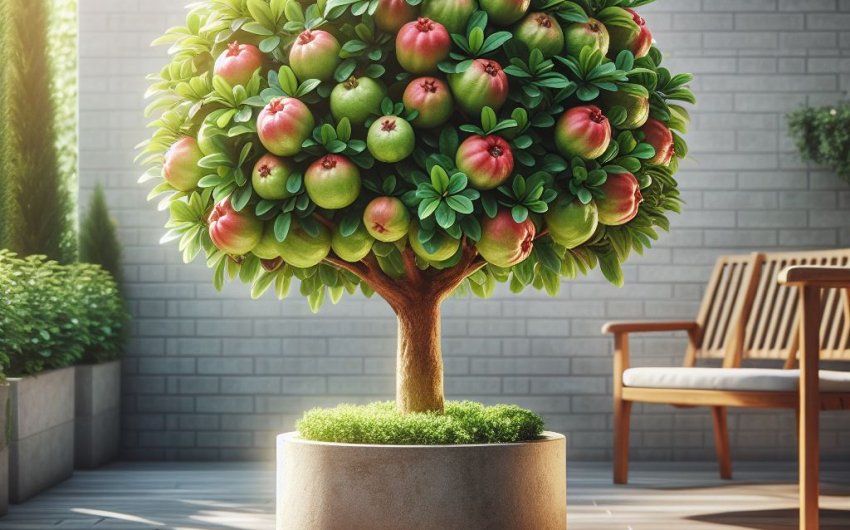
The sweet, musky aroma of ripe guava fruit is an unmistakable tropical delight, evoking images of warm climates and exotic flavors. With its soft, juicy flesh and distinctive taste, guava is a cherished fruit in many parts of the world, enjoyed fresh, in juices, jams, and desserts. For those living outside tropical or subtropical zones, cultivating this beloved fruit might seem like an impossible dream, especially if you lack the ideal climate or extensive garden space. However, the good news is that the desire for homegrown guava is not limited to warm regions or sprawling orchards.
Indeed, guava trees can be grown in pots or containers, making it entirely possible to enjoy your own fresh fruit, even if you live in a cooler climate or have only a sunny patio or balcony. This approach allows gardeners to control the tree's environment, moving it indoors during colder months and nurturing it through all seasons. While it requires a bit more hands-on care than an in-ground tree, the ability to harvest your own fragrant, sun-ripened guava from a container is an incredibly rewarding experience. Dive into the world of container-grown guava, and discover how to transform your patio or sunroom into a productive, tropical oasis.
Why Grow Guava Trees in Pots or Containers?
Growing guava trees in pots offers several compelling advantages, making this tropical fruit accessible to a wider range of gardeners.
How Does it Allow Growing Guava in Colder Climates?
This is the primary reason for containerizing a guava tree.
- Temperature Control: Guava trees (Psidium guajava) are tropical to subtropical plants, generally hardy in USDA Zones 9-11. They are sensitive to frost and cannot survive freezing temperatures.
- Portability: Growing them in pots allows you to move the tree indoors to a protected location (like a sunny window, greenhouse, or sunroom) when outdoor temperatures drop below 40-50°F (4-10°C) or before the first frost hits. This enables gardeners in colder climates (down to Zone 4-8) to successfully cultivate guava. A plant caddy with wheels is essential for moving heavier pots.
- Year-Round Enjoyment: By protecting it from cold, you can maintain your guava tree year-round, potentially enjoying blooms and fruit in multiple seasons.
How Does it Help Manage Tree Size?
- Root Restriction: Growing any plant in a container naturally restricts its root growth. This, in turn, limits the overall size of the plant, making it much more manageable than an in-ground tree.
- Pruning for Compactness: Combined with regular pruning, containerization allows you to keep a guava tree as a compact shrub or small tree, ideal for a patio, balcony, or indoor space. This means you don't need a large yard to grow a guava. A dwarf guava tree is a great starting point for container growing.
What are the Benefits for Soil and Drainage?
- Custom Soil Mix: You have complete control over the potting mix. This allows you to create the ideal well-draining, nutrient-rich soil that guava trees prefer, regardless of your native soil conditions. This is particularly beneficial if your garden soil is heavy clay or very sandy.
- Excellent Drainage: Pots inherently provide superior drainage compared to many in-ground situations. This is crucial for guava trees, as they do not tolerate soggy "wet feet" and are prone to root rot in poorly draining soil.
Does it Help with Pest and Disease Control?
- Easier Monitoring: Pests and diseases are often easier to spot and manage on a containerized tree that you can observe up close.
- Isolation: If an issue arises, you can easily isolate the affected tree to prevent spread to other plants.
- Targeted Treatment: Applying treatments (organic sprays, manual removal) is more precise on a smaller, contained tree.
What Kinds of Guava Trees are Best for Containers?
While many guava varieties can be containerized, some are naturally better suited due to their mature size and growth habits.
What are Dwarf and Compact Guava Varieties?
- Smaller Stature: These varieties are specifically bred or naturally grow to a more manageable size, making them ideal for pots. They are perfect for small spaces like patios, balconies, or indoor growing.
- Examples: Look for varieties specifically labeled as "dwarf" or "compact." Some popular choices include:
- 'Nana' (Dwarf Guava): A very compact variety of common guava.
- 'Lemon Guava' (Psidium littorale): While technically a different species, these are often smaller trees and their fruit (often yellow-skinned, smaller) is quite delicious. Some call it "Strawberry Guava."
- 'Strawberry Guava' (Psidium cattleyanum): Another species entirely, often grown for its smaller size and red-skinned, strawberry-flavored fruit. It can be more cold-tolerant than common guava.
- 'Asian Guava' or 'Tropical Guava' (Psidium guajava cultivars): Many cultivars exist with varying sizes. Do your research to find one known for compact growth if possible.
- Benefits: Easier to prune, manage, and move indoors. A dwarf guava tree for container can become very productive.
Do I Need Specific Fruit Characteristics?
- Fruiting Time: Consider varieties that have a longer fruiting season or produce fruit over an extended period. Some guavas can fruit year-round in ideal conditions.
- Taste Preference: Guava flavors vary from very sweet to tart. Choose a variety that suits your palate.
- Self-Pollinating: Most common guava (Psidium guajava) varieties are self-pollinating, meaning you only need one tree to get fruit. Some other guava species might require cross-pollination. Always check the specific variety's needs.
What About the Rootstock?
- Grafted vs. Own Root: Some fruit trees are grafted onto special rootstock to control their size. While common for citrus, guava is often grown on its own roots (non-grafted). If you find a grafted dwarf guava, it would be an excellent choice.
What Are the Best Container Solutions for Guava Trees?
Choosing the right pot is fundamental for a healthy and productive container-grown guava tree.
What Type of Pot Material is Best?
- Terracotta or Clay Pots:
- Pros: Classic look, excellent breathability (allows air to roots and moisture to evaporate), which is great for guava as they dislike wet feet.
- Cons: Dry out faster (require more frequent watering), heavier, can crack in freezing temperatures (if left outdoors in winter).
- Plastic or Resin Pots:
- Pros: Lightweight (easy to move), durable, retain moisture well (less frequent watering), affordable, come in many colors and styles.
- Cons: Can look less aesthetic than other materials.
- Fabric Grow Bags:
- Pros: Excellent aeration (prevents root circling), lightweight, relatively inexpensive, promote healthy fibrous root growth. A heavy-duty fabric grow bag is an excellent choice for fruit trees.
- Cons: Can dry out very quickly in hot, sunny conditions.
- Avoid: Metal pots can heat up too much in direct sun, potentially cooking roots.
How Important is Pot Size?
- Start Small, Pot Up: Begin with a smaller pot (e.g., 5-gallon / 10-inch diameter) for a young tree. As the tree grows, gradually pot up to larger sizes.
- Mature Size: For a mature dwarf guava tree, you'll likely need a pot in the 15-25 gallon range (approx. 20-24 inches in diameter). Larger pots hold more soil, which translates to more moisture and nutrients, reducing watering frequency and promoting better growth.
- Root Space: Ample root space is crucial for healthy root development and productive fruiting.
Do I Need Good Drainage?
Yes, excellent drainage is non-negotiable for guava trees in containers.
- Drainage Holes: Every pot MUST have ample drainage holes at the bottom. Without them, water accumulates, suffocating roots and leading to root rot.
- Potting Mix: Use a high-quality, well-draining potting mix specifically formulated for containers or fruit trees. A good mix often includes a blend of aged bark fines, peat moss or coco coir, perlite, and perhaps some coarse sand. Never use heavy garden soil in pots. A bag of citrus and fruit tree potting mix is usually suitable.
- Elevate Pots: Use pot feet to lift pots slightly off the ground, ensuring drainage holes don't get blocked and allowing for better air circulation underneath.
What Are Essential Care Practices for Container-Grown Guava?
Consistent and attentive care is vital for a thriving and productive guava tree in a pot.
How Much Sunlight Does a Guava Tree Need?
- Full Sun is Ideal: Guava trees are sun-loving tropical plants. They need full sun (at least 6-8 hours of direct sunlight per day) to produce abundant flowers and sweet, juicy fruit.
- Placement: Place your potted guava in the sunniest spot on your patio, balcony, or indoors (south-facing window).
- Supplemental Lighting (Indoors): If growing indoors during winter, supplemental grow lights for fruit trees are often necessary to provide sufficient light intensity and duration.
How Often Should I Water My Container Guava Tree?
Container plants generally dry out faster than in-ground trees.
- Consistent Moisture, Not Soggy: Guava trees prefer consistently moist soil, especially when flowering and fruiting. However, they hate soggy conditions.
- Finger Test: Stick your finger 2-3 inches deep into the soil. If it feels dry, it's time to water.
- Water Thoroughly: When you water, drench the pot until water drains freely from the bottom. Empty any excess water from the saucer immediately.
- Mulch: Apply a 1-2 inch layer of organic mulch (e.g., shredded bark, straw) on the soil surface to reduce water evaporation, moderate soil temperature, and suppress weeds.
- Increased Frequency in Heat/Wind: In hot, sunny, or windy conditions, you may need to water daily or even twice a day. A long-spout watering can is useful.
- Reduced in Winter (if Dormant): If your tree goes dormant or slows growth significantly indoors during winter, reduce watering frequency, allowing the soil to dry out more between waterings.
What Kind of Fertilization Do They Need?
Guava trees are generally considered heavy feeders, especially in containers where nutrients leach out quickly.
- Growing Season: Fertilize regularly during the spring and summer growing season (when actively growing and fruiting).
- Balanced Formula: Use a balanced liquid or granular fruit tree fertilizer (e.g., a 8-3-9 or 6-2-4 NPK ratio, or a specialized citrus/fruit tree blend).
- Micronutrients: Ensure the fertilizer contains micronutrients like iron, zinc, and manganese, as guava trees can be susceptible to deficiencies.
- Fruiting Boost: Some growers switch to a fertilizer with a slightly higher phosphorus (P) and potassium (K) content once flowering begins to encourage fruit production.
- Follow Directions: Always dilute liquid fertilizers according to package directions to avoid burning roots.
- Avoid in Dormancy: Reduce or stop fertilizing in fall and winter when growth slows.
How Do I Prune My Container Guava Tree?
Pruning is essential for managing size, promoting branching, and encouraging fruit production on container-grown guava trees.
- Shape and Size: Prune to maintain a compact, bushy shape that fits your space. Aim for an open, vase-like form to allow light penetration.
- Remove Dead/Diseased Wood: Always remove any dead, diseased, or crossing branches.
- Encourage Branching: Pinch back or cut stems to encourage bushier growth and more fruiting wood.
- Fruiting Habits: Guava typically fruits on new growth. Pruning encourages this new growth.
- Timing: Prune lightly and frequently to maintain shape. Heavier pruning is best done in late winter or early spring before new growth begins. A sharp pair of hand pruners is essential.
What Are Common Problems and Solutions for Container Guava?
Even with proper care, guava trees in pots can face challenges.
What if My Guava Leaves are Turning Yellow?
Yellowing leaves are a common sign of stress.
- Overwatering/Root Rot:
- Signs: Leaves turn yellow, often with a mushy feel, and may drop. Soil is constantly wet.
- Solution: Allow soil to dry out between waterings. Ensure excellent drainage. Repot if roots are mushy.
- Nutrient Deficiency:
- Signs: General yellowing of older leaves (Nitrogen). Interveinal yellowing on new leaves (Iron, Zinc, Manganese).
- Solution: Fertilize with a balanced guava fertilizer that includes micronutrients. Ensure proper soil pH.
- Lack of Light:
- Signs: Leaves turn pale green, then uniformly yellow. Plant may become leggy.
- Solution: Move to a brighter spot or provide supplemental grow lights.
Why Are My Guava Fruits Not Setting or Ripening?
- Insufficient Light: The #1 reason for poor fruiting. Guava trees need abundant sunlight to produce flowers and ripen fruit.
- Solution: Maximize light.
- Lack of Pollination: Although most guavas are self-pollinating, indoor trees need help.
- Solution: Manually pollinate flowers with a small brush.
- Nutrient Imbalance: Insufficient phosphorus or potassium can hinder flowering and fruiting.
- Solution: Use a fertilizer higher in P & K.
- Immaturity: Young trees may not produce much fruit for a few years.
- Temperature Stress: Extreme hot or cold can affect flowering or fruit set.
- Overwatering: Can cause flower drop.
How Do I Control Pests on Container Guava?
Common pests include aphids, mealybugs, scale insects, and whiteflies.
- Early Detection: Inspect plants regularly.
- Organic Solutions:
- Strong Water Spray: Dislodge aphids, whiteflies.
- Insecticidal Soap: Effective for soft-bodied pests.
- Neem Oil: Natural insecticide/repellent.
- Rubbing Alcohol: Dab directly on mealybugs/scale.
- Pruning: Remove heavily infested leaves.
- Solutions: Identify pest. Apply targeted organic pest control measures. Ensure good air circulation and avoid over-fertilizing with nitrogen (which encourages soft new growth that pests love). A houseplant pest control kit can address many issues.
What About Diseases?
Common diseases include anthracnose (fungal spots on leaves/fruit) and root rot (due to overwatering).
- Prevention: Proper watering, good drainage, and ample air circulation are the best defenses.
- Treatment: Remove infected plant parts. Apply appropriate organic fungicides (e.g., copper-based, neem oil) if severe, following label instructions carefully.
How Do I Provide Winter Protection for My Container Guava?
- Move Indoors: Before temperatures drop below 40-50°F (4-10°C) or before the first frost, move your potted guava indoors.
- Sunny Spot Indoors: Place in the brightest possible location (south-facing window is ideal).
- Reduce Water/Fertilizer: During winter, reduce watering frequency significantly, allowing the soil to dry out more between waterings. Stop fertilizing.
- Monitor for Pests: Indoor environments can sometimes lead to pest flare-ups (spider mites, mealybugs). Inspect regularly. A plant caddy with wheels makes moving large pots easy.
By understanding the specific needs of guava trees in pots and providing consistent, attentive care, you can successfully cultivate this exotic fruit, enjoying fresh, delicious harvests from your own backyard, patio, or sunroom, regardless of your climate.