
Why are the leaves on my guava tree turning yellow?
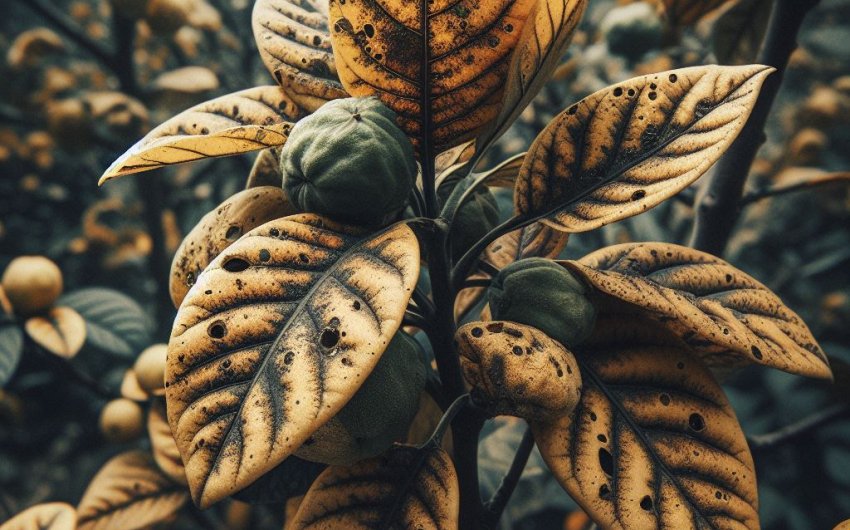
Seeing the vibrant green leaves of your beloved guava tree begin to fade, turning into shades of yellow, can be a disheartening experience for any gardener. It's a clear signal that something isn't quite right, a plant's way of telling you it's under stress or lacking something vital. While a few yellow leaves might be a normal part of the plant's life cycle, widespread or sudden discoloration points to an underlying issue that needs your attention. Ignoring these yellowing leaves can lead to more serious problems, affecting the tree's growth, fruit production, and overall health.
Diagnosing the cause of yellowing guava leaves can feel like detective work, as many different factors can lead to similar symptoms. From common environmental stressors like improper watering to more subtle nutrient deficiencies or even the unwelcome presence of pests and diseases, the culprits are varied. The key is to observe closely, consider your recent care practices, and systematically eliminate potential causes. By understanding the common reasons behind this discoloration, you can quickly identify the problem and take corrective action, helping your guava tree regain its lush, healthy foliage and continue to produce those delicious, aromatic fruits.
What Are the Most Common Reasons for Guava Leaves Turning Yellow?
Yellowing leaves on a guava tree are often the first sign that something is amiss. Most of the time, the problem can be traced back to environmental factors or issues with the tree's basic care.
1. Improper Watering: The Number One Culprit
Both too much and too little water can cause guava leaves to turn yellow. This is by far the most common reason.
- Overwatering (More Common):
- How it looks: Leaves might turn yellow, sometimes appearing swollen or limp. They might also drop quickly. The soil will likely feel soggy or constantly wet.
- Why it happens: Too much water means the soil stays waterlogged. This suffocates the roots, preventing them from taking up oxygen and essential nutrients. The roots effectively "drown" and can't function properly. This often leads to root rot, which is a fungal disease that further damages the roots.
- Solution: Allow the soil to dry out significantly between waterings. For potted guavas, ensure the pot has excellent drainage holes. If planted in the ground, check if your soil is heavy clay and consider improving drainage. Use a moisture meter, like a XLUX Soil Moisture Meter, to gauge soil dampness accurately.
- Underwatering:
- How it looks: Leaves typically yellow, then often turn brown and crispy at the edges before dropping. The soil will feel bone dry.
- Why it happens: Not enough water means the tree can't get the moisture it needs to transport nutrients and maintain its cells. It starts to sacrifice older leaves to conserve water for newer growth.
- Solution: Water deeply and regularly, especially during warm, dry periods. Ensure the water reaches the entire root zone.
2. Nutrient Deficiencies
Guava trees are heavy feeders, and a lack of essential nutrients can cause leaves to yellow in specific patterns. This is often called chlorosis.
- Nitrogen Deficiency:
- How it looks: Older, lower leaves turn uniformly pale green or yellow first. New growth might remain green for a while.
- Why it happens: Nitrogen is a mobile nutrient, meaning the plant moves it from older leaves to new growth when it's scarce.
- Solution: Apply a balanced fertilizer or one high in nitrogen. Incorporating compost or well-rotted manure also helps. A product like Jobe's Organics Fruit & Citrus Fertilizer can address this.
- Iron Deficiency:
- How it looks: Younger leaves (new growth) show interveinal chlorosis, meaning the tissue between the veins turns yellow, but the veins themselves remain green. In severe cases, the entire leaf can yellow or even turn white.
- Why it happens: Often due to high soil pH (alkaline soil) which makes iron unavailable, even if it's present in the soil. It can also happen in compacted or waterlogged soil.
- Solution: Lower soil pH with elemental sulfur or acidic organic matter like peat moss. Apply a chelated iron supplement or a foliar spray of iron.
- Magnesium Deficiency:
- How it looks: Older leaves show interveinal chlorosis, but often with reddish-brown spots or purple tints. The yellowing starts at the leaf margins and moves inward.
- Why it happens: Magnesium is also mobile and moves from old to new leaves. Can be common in sandy or acidic soils.
- Solution: Apply Epsom salts (magnesium sulfate) or a fertilizer containing magnesium.
- Zinc Deficiency:
- How it looks: Younger leaves are often small, narrow, and clustered, with yellowing between the veins.
- Why it happens: Often in high pH soils or those with low organic matter.
- Solution: Apply a zinc supplement or foliar spray.
Performing a soil test is the best way to determine specific nutrient deficiencies and soil pH.
3. Inadequate Sunlight
- How it looks: Leaves may turn pale yellow or light green overall, and growth will be leggy and weak.
- Why it happens: Guava trees are tropical plants that need full sun (at least 6-8 hours of direct sunlight per day) to perform photosynthesis efficiently. Without enough light, they can't produce enough chlorophyll (the green pigment) and energy.
- Solution: Move potted guavas to a sunnier location. For in-ground trees, ensure they are not overshadowed by larger structures or trees as they grow.
4. Temperature Stress
- Cold Stress:
- How it looks: Leaves might yellow, turn brown or black, look wilted, and then drop rapidly, especially after a cold snap.
- Why it happens: Guavas are sensitive to cold and frost. Temperatures below 32°F (0°C) will damage their leaves and possibly the tree itself.
- Solution: Provide winter protection for in-ground trees in cooler zones (mulching, covering). Bring potted guavas indoors or to a sheltered, warm location before cold weather hits.
- Heat Stress:
- How it looks: Less common, but extreme heat combined with underwatering can cause leaves to scorch, yellow, and drop.
- Why it happens: The plant is unable to transpire enough water to cool itself down.
- Solution: Ensure adequate watering during heatwaves and provide temporary shade if necessary for very young trees.
By systematically checking these common factors, you can often pinpoint why your guava leaves are turning yellow and take corrective measures.
How Do Diseases and Pests Cause Yellow Guava Leaves?
While environmental issues and nutrient deficiencies are the most frequent culprits for yellowing guava leaves, sometimes the problem is biological. Pests and diseases can also stress a guava tree and lead to discolored foliage.
1. Pest Infestations
Pests damage leaves by sucking out plant sap or by feeding on the leaf tissue, which interferes with the plant's ability to photosynthesize and remain green.
- Aphids:
- How they look: Small, soft-bodied insects often clustered on new growth or the undersides of leaves. They can be green, black, yellow, or pink. They also excrete sticky "honeydew."
- Damage: Heavy infestations can cause leaves to yellow, curl, and distort, and growth to be stunted.
- Solution: Blast them off with a strong stream of water, apply insecticidal soap, or use neem oil. Encourage natural predators like ladybugs.
- Spider Mites:
- How they look: Tiny arachnids, almost invisible to the naked eye. Look for fine webbing on the undersides of leaves, and tiny yellow or brown speckles on the leaves.
- Damage: Leaves turn yellow, bronze, or stippled, eventually drying up and dropping.
- Solution: Increase humidity (for indoor plants), spray leaves thoroughly with water, use insecticidal soap or neem oil.
- Mealybugs:
- How they look: White, cottony, fuzzy insects often found in leaf axils or along stems and leaf veins. Like aphids, they produce honeydew.
- Damage: Cause yellowing, distorted growth, and overall weakening of the plant.
- Solution: Dab small infestations with rubbing alcohol on a cotton swab. For larger infestations, use insecticidal soap or neem oil.
- Scale Insects:
- How they look: Small, immobile bumps on stems and leaves, often brown, black, or white. They can look like tiny shells.
- Damage: Suck sap, leading to yellowing leaves, stunted growth, and sticky honeydew.
- Solution: Scrape off small infestations. For larger problems, use horticultural oil or neem oil.
Regularly inspecting your guava tree (especially the undersides of leaves) is crucial for early detection of pests. A Garden Safe Neem Oil Extract can be a versatile treatment for many of these pests.
2. Fungal Diseases
Fungal diseases often cause specific patterns of discoloration, sometimes including yellowing.
- Root Rot:
- How it looks: Yellowing leaves (often older ones first), wilting, stunted growth, and eventually plant death. The base of the stem might be mushy, and roots will be dark and soft.
- Why it happens: Almost always caused by overwatering and poor drainage. The fungus thrives in anaerobic (low oxygen) conditions and attacks the roots.
- Solution: This is very serious and often fatal. Prevention is key: ensure excellent drainage and do not overwater. If caught early, repotting with fresh, well-draining soil and trimming off rotting roots might help for potted plants.
- Leaf Spot Diseases:
- How they look: Various fungi can cause spots on leaves, which may start yellow, then turn brown or black. The surrounding leaf tissue might also yellow.
- Damage: Reduces the leaf's ability to photosynthesize, leading to yellowing and premature leaf drop.
- Solution: Ensure good air circulation, avoid overhead watering (or water in the morning so leaves dry quickly), and remove infected leaves. In severe cases, a fungicide might be necessary, but usually, proper cultural practices are enough.
- Rust Diseases:
- How they look: Small, powdery, orange or rust-colored pustules (like tiny bumps) on the undersides of leaves. The top of the leaf will show yellow spots.
- Damage: Can cause leaves to yellow and drop prematurely.
- Solution: Remove infected leaves, improve air circulation, and avoid overhead watering. Horticultural oils or specific fungicides can be used for severe cases.
3. Viral Infections
- How they look: Yellowing leaves that often show mosaic patterns, streaks, rings, or severe distortion, stunting, and curling.
- Why they happen: Viruses are microscopic invaders spread by insects (especially aphids or whiteflies) or contaminated tools. There is no cure once a plant is infected.
- Solution: Immediately remove and destroy (do not compost) any suspected virally infected plants to prevent spread to other trees. Disinfect tools thoroughly. Choose disease-resistant varieties when purchasing new plants.
Careful observation, coupled with an understanding of these common pests and diseases, will help you identify the specific reason behind your yellowing guava leaves and take appropriate action.
When is Yellowing Guava Leaves Normal?
While yellowing guava leaves are often a sign of stress, there are a few situations where it's perfectly normal and no cause for alarm. Understanding these natural processes can save you from unnecessary worry and intervention.
1. Older Leaf Senescence (Aging)
- The Process: Like all perennial plants, guava trees shed their oldest leaves as new growth emerges. This process is called senescence, and it's a natural part of the plant's life cycle. The plant reabsorbs nutrients from the old leaves before they drop, which is why they turn yellow.
- How it looks: Typically, a few individual leaves on the inner parts of the branches or at the very base of the plant will turn a uniform yellow, sometimes with a little browning, and then fall off. This usually happens slowly over time, not suddenly or widespread.
- Distinguishing from Problems: If only a small percentage of older leaves are yellowing and dropping, and the rest of the tree looks vibrant and healthy with plenty of new, green growth, then it's likely just normal aging. If many leaves are yellowing rapidly, or if new growth is also affected, then it points to a problem.
2. Seasonal Changes (Dormancy or Semi-Dormancy)
- In Cooler Climates: If you live in a region with distinct seasons and your guava tree is exposed to cooler temperatures (especially below 50°F/10°C, but above freezing), it might enter a period of semi-dormancy.
- How it looks: During this time, the tree might slow its growth considerably, and some or many of its leaves might turn yellow and drop. This is the tree's way of conserving energy and preparing for winter. It's similar to how deciduous trees lose their leaves in autumn, though guavas aren't fully deciduous in the same way.
- Distinguishing from Problems: If the yellowing coincides with a significant drop in temperature or shorter daylight hours, and the tree is otherwise healthy, it's likely a seasonal response. The tree should produce new green leaves again when temperatures warm up in spring.
- Indoor Overwintering: If you bring a potted guava tree indoors for winter, it will experience a change in light and humidity. It's normal for it to drop some leaves (often yellowing first) as it adjusts to the indoor environment. This doesn't necessarily mean it's dying; it's simply adapting.
3. Transplant Shock
- The Process: When a guava tree is recently transplanted (either from a nursery pot to the ground, or from one pot to a larger one), it experiences transplant shock. The roots are disturbed, and the plant needs time to re-establish its root system in the new environment.
- How it looks: Leaves may yellow, wilt, or even drop shortly after transplanting.
- Distinguishing from Problems: This is a temporary stress. Provide good care (consistent but not excessive watering, avoid fertilizing immediately), and the plant should recover and start putting out new green growth once its roots are established. This can take a few weeks.
4. Adjusting to a New Environment (Potted Guavas)
- The Process: If you recently moved your potted guava tree from one spot to another (e.g., from outdoors to indoors, or from a bright spot to a dimmer one), it might yellow leaves as it adapts to the new conditions.
- How it looks: Similar to transplant shock, some leaves might yellow and drop as the tree adjusts to different light levels, humidity, or temperature.
- Distinguishing from Problems: Give the tree time to adjust. Ensure its new location meets its basic needs for light and warmth. The yellowing should subside once it settles in.
By observing the pattern, timing, and overall health of your guava tree, you can determine whether the yellowing leaves are a natural process or a signal that your plant needs some help.
How Can I Bring My Guava Tree Back to Health?
Once you've identified the likely cause of your guava tree's yellowing leaves, taking prompt and appropriate action is key to its recovery. Patience is also a virtue, as plants take time to respond to changes in their care.
1. Correct Watering Practices
- Assess Soil Moisture: Before watering, always check the soil. Stick your finger 2-3 inches deep into the soil. If it feels moist, wait. If it feels dry, then water. For potted plants, lift the pot; a light pot indicates dry soil.
- Deep and Infrequent (Outdoors): When you do water, water deeply. This encourages roots to grow down, making the tree more drought-tolerant.
- Ensure Drainage (Potted): Make sure your pots have ample drainage holes. If a saucer is used, empty it regularly to prevent the pot from sitting in standing water. If your pot doesn't drain well, consider repotting into a better draining container.
- Improve Soil Drainage (In-Ground): If your garden soil is heavy clay and drains poorly, amend it with plenty of organic matter like compost to improve its structure. You might also consider creating a raised bed for better drainage.
2. Address Nutrient Deficiencies
- Soil Test First: The best way to know what nutrients are missing or what your soil pH is (which affects nutrient availability) is to get a soil test. Your local agricultural extension office can usually provide this service.
- Appropriate Fertilizer: Based on your soil test results (or common deficiency patterns), apply the correct fertilizer.
- For general yellowing of older leaves (nitrogen): Use a balanced fertilizer or one higher in nitrogen.
- For yellowing between veins on new leaves (iron, zinc): Adjust soil pH if too high (make it more acidic) and/or apply a chelated micronutrient supplement.
- For yellowing of older leaves with green veins (magnesium): Apply Epsom salts.
- Follow Directions: Always follow the fertilizer package directions. More is not better, and over-fertilizing can harm your plant.
- Compost: Regularly adding compost to your soil improves overall fertility and nutrient availability naturally.
3. Optimize Sunlight
- Move Potted Plants: If your potted guava tree is in a location with insufficient light, move it to a spot that receives at least 6-8 hours of direct sunlight per day.
- Prune Obstructions (In-Ground): For in-ground trees, if nearby larger trees or structures are casting too much shade, consider pruning them back (if they are on your property) or relocating the guava if it's still small enough.
4. Manage Temperature
- Winter Protection (Cool Zones): In areas where temperatures drop below 32°F (0°C):
- Potted Guavas: Bring them indoors to a bright, frost-free location. Reduce watering significantly.
- In-Ground Guavas: Mulch heavily around the base and cover the tree with frost cloth or blankets during cold snaps. A Frost Protection Blanket can protect tender foliage.
- Summer Heat: Ensure adequate watering during heatwaves. Young trees may benefit from some temporary afternoon shade.
5. Control Pests
- Regular Inspection: Routinely check your tree, especially the undersides of leaves, for signs of pests.
- Targeted Treatment:
- Mechanical: Blast aphids or mites with a strong stream of water.
- Organic Sprays: Use insecticidal soap or neem oil for most soft-bodied insects. Follow label instructions carefully.
- Beneficial Insects: Encourage natural predators in your garden.
- Isolate: If a potted plant is infested, isolate it from other plants to prevent spread.
6. Address Diseases
- Prune Infected Parts: For leaf spots or minor fungal issues, promptly remove and dispose of infected leaves or branches. Sanitize your pruning tools afterwards.
- Improve Air Circulation: Prune your guava tree to ensure good airflow through the canopy, which helps prevent fungal diseases.
- Avoid Overhead Watering: Water at the base of the plant to keep foliage dry.
- Root Rot: If caught early in a pot, repot into fresh, well-draining soil after carefully trimming any mushy, dark roots. This is often difficult to recover from. Prevention is paramount.
- Viral Infections: Remove and destroy infected plants immediately. There is no cure.
Remember that yellowed leaves will not turn green again. Focus your efforts on new growth appearing healthy and green, which signals that your guava tree is on the path to recovery. Consistent, thoughtful care is the best way to maintain a healthy, productive guava tree.