
Best Tools for Gardening on a Budget
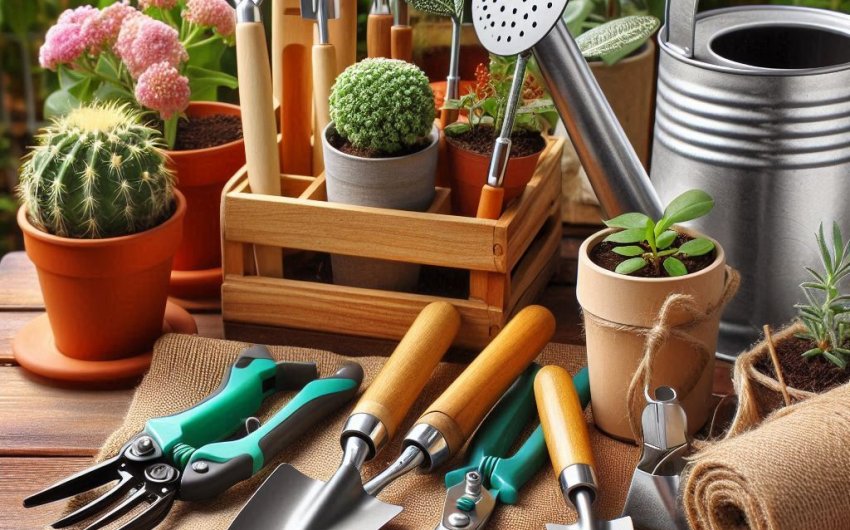
Finding the most effective tools for cultivating a garden without breaking the bank is a common aspiration for many green thumbs. Whether you're just starting your gardening journey or looking to expand your existing plot, choosing economical yet durable equipment is key to nurturing a thriving outdoor space. This guide explores a variety of budget-friendly implements that will help you achieve your gardening goals without overspending.
What Essential Hand Tools Do You Need for Cost-Effective Gardening?
When it comes to tending your garden efficiently and affordably, a few basic hand tools form the cornerstone of your kit. These items are typically inexpensive, easy to use, and incredibly versatile for various tasks, from planting delicate seedlings to weeding stubborn patches. Investing in quality versions of these fundamental tools will save you money in the long run by avoiding frequent replacements.
Trowels: Your Go-To for Planting and Potting
A trowel is arguably the most indispensable hand tool for any gardener. It's perfect for digging small holes for planting bulbs or young plants, scooping soil into pots, and even prying out small weeds. Look for a trowel with a sturdy handle and a durable blade, preferably made of stainless steel, which resists rust. A good example is a Fiskars Ergo Trowel, known for its comfortable grip and strong construction. When selecting a trowel, consider the size of your hands to ensure a comfortable fit, reducing strain during prolonged use. There are also narrow trowels, sometimes called transplanting trowels, which are excellent for precise work in crowded beds or when relocating plants.
Hand Forks: Aerating and Weeding Made Easy
A hand fork, also known as a cultivator, is another essential item for working with soil. Its prongs are ideal for breaking up compacted soil, aerating beds, and loosening weeds with deep roots. This tool is especially helpful in raised garden beds or containers where space is limited. Similar to the trowel, opt for a hand fork with a strong handle and resilient prongs. The Wilcox All-Pro 101SS Hand Cultivator is a well-regarded option, prized for its durability and effectiveness. Regular use of a hand fork can significantly improve soil drainage and nutrient distribution, benefiting your plants without requiring expensive soil amendments.
Weeding Tools: Keeping Unwanted Growth at Bay
Weeds are an inevitable part of gardening, and having the right tools to remove them effectively is crucial for the health of your plants. While a hand fork can help with some weeds, dedicated weeding tools can make the job much easier and less back-breaking.
One popular and effective weeding tool is a dandelion weeder. This tool typically has a long, narrow V-shaped head designed to penetrate deep into the soil and grasp the taproot of weeds like dandelions, allowing you to pull them out entirely. A Garden Guru Dandelion Weeder is a good choice for tackling these persistent plants. Another useful weeding tool is a hori hori knife, a versatile Japanese gardening knife. It has a sharp, serrated edge on one side and a plain edge on the other, making it perfect for weeding, planting, digging, and even cutting through small roots. The Nisaku Hori Hori Gardening Digging Knife is a favorite among gardeners for its multi-purpose functionality. For surface weeds, a hand hoe or stirrup hoe can be incredibly efficient. These tools allow you to slice weeds just below the soil surface, preventing them from regrowing.
Pruners and Snips: For Healthy Plant Maintenance
Maintaining the shape and health of your plants requires precise cuts. Hand pruners, also known as secateurs, are essential for trimming branches, deadheading flowers, and shaping shrubs. There are two main types: bypass pruners and anvil pruners. Bypass pruners are like scissors, with two blades that bypass each other, making clean cuts for live stems. Anvil pruners have one sharp blade that closes against a flat anvil, best for cutting dead wood. For general gardening, a good pair of Fiskars Bypass Pruners will serve you well. For more delicate tasks, like harvesting herbs or deadheading small flowers, a pair of gardening snips or herb snips are ideal. These are smaller and more precise than pruners, allowing for intricate work without damaging the surrounding plant. Consider the Vivosun Pruning Snips for their sharp blades and comfortable grip.
What Affordable Watering Solutions Are Available?
Efficient watering is critical for plant health, and you don't need a complex irrigation system to achieve it. Several budget-friendly watering tools can help you deliver water effectively to your plants, minimizing waste and ensuring they receive the hydration they need.
Watering Cans: Simple and Effective Hydration
For small gardens, container plants, or seedlings, a good old-fashioned watering can is a perfect and inexpensive solution. They allow for precise watering, directing water exactly where it's needed without drenching the entire area. Look for a watering can with a comfortable handle and a removable rose (the sprinkler head) for different watering patterns – a gentle shower for delicate plants and a more direct stream for established ones. Plastic watering cans are typically more affordable and lighter than metal ones, though metal cans can be more durable. A Bloem Easy Pour Watering Can is a popular choice for its practical design.
Garden Hoses and Nozzles: Versatile Water Delivery
For larger garden areas, a garden hose is a necessary investment. While some hoses can be expensive, many affordable options offer good durability. Look for hoses that are kink-resistant and have sturdy fittings to prevent leaks. A Flexzilla Garden Hose is known for its flexibility and ease of use, making it a good value. Complement your hose with a multi-pattern spray nozzle. These nozzles offer various spray settings, from a gentle mist for young plants to a powerful jet for cleaning tools or hard surfaces. A Gilmour Full-Size Zinc Pistol Grip Nozzle provides robust performance and different spray options at a reasonable price.
Rain Barrels: Harvesting Free Water
For ultimate water savings, consider investing in a rain barrel. These containers collect rainwater runoff from your roof, providing a free and sustainable source of water for your garden. This not only reduces your water bill but also helps conserve municipal water resources. Rainwater is also free of chlorine and other chemicals often found in tap water, which can be beneficial for sensitive plants. While the initial cost of a rain barrel might be a bit higher than other watering tools, the long-term savings are significant. A Good Ideas Rain Wizard Rain Barrel is a widely used option, easy to set up and maintain. Many local municipalities also offer rebates or incentives for installing rain barrels, so check with your local government for potential savings.
What Digging and Cultivating Tools Offer Good Value?
Beyond hand tools, larger digging and cultivating implements are essential for preparing garden beds, turning soil, and planting bigger shrubs or trees. Choosing durable yet affordable options for these tools will ensure your garden projects are manageable without excessive cost.
Shovels: Your Primary Digging Partner
A shovel is a fundamental tool for any gardener. It's used for digging holes, moving soil, sand, or compost, and edging garden beds. There are different types of shovels, but a round-point shovel is the most versatile for general gardening tasks. Look for one with a strong, often fiberglass or hardwood, handle and a sturdy steel blade. The AMES True Temper Round Point Shovel is a reliable and affordable choice that will withstand years of use. For tasks requiring a straighter edge, such as cutting sod or edging, a square-point shovel can be useful, but for budget gardening, a good round-point shovel is sufficient.
Spades: Ideal for Edging and Transplanting
While similar to a shovel, a garden spade has a flatter, often sharper, blade, making it ideal for cutting through roots, edging lawns, and transplanting plants with a good root ball. It's particularly useful for creating crisp lines around garden beds. A Spear & Jackson Stainless Steel Border Spade offers a good balance of quality and affordability. When choosing a spade, ensure the handle is comfortable and the blade is made from durable, rust-resistant material.
Rakes: Leveling, Clearing, and Preparing
Rakes are indispensable for various tasks, from leveling soil to clearing debris. A bow rake (also called a garden rake) has strong, rigid tines and is perfect for breaking up clods of soil, spreading compost, and leveling out garden beds. For a versatile and sturdy option, consider an Anvil 16-Tine Bow Rake. For collecting leaves and light garden debris, a leaf rake with flexible tines is more appropriate. While you might not need both immediately, a good bow rake is a priority for soil preparation.
Hoes: Efficient Weeding and Soil Work
Beyond hand hoes, full-sized garden hoes are invaluable for weeding larger areas and preparing seedbeds. A draw hoe has a blade that is pulled towards the user, ideal for breaking up soil and creating furrows. A Truper Tru Pro Forged Draw Hoe is a durable option. A hula hoe (also known as a stirrup hoe or oscillating hoe) has a hinged blade that rocks back and forth, cutting weeds just below the soil surface with minimal effort. This type of hoe is particularly effective for large-scale weeding and can save a lot of time and back strain. The CobraHead Weeder and Cultivator is a highly-rated, versatile tool that functions as both a hoe and a cultivator, offering excellent value.
How Can You Get Started with Seeds and Seedlings on a Budget?
Starting plants from seeds is often the most cost-effective way to fill your garden. With a few simple and inexpensive tools, you can successfully germinate seeds and nurture seedlings, avoiding the higher cost of buying mature plants.
Seed Starting Trays: Nurturing Young Plants
Seed starting trays or flats provide an organized and controlled environment for germinating seeds. Many come with drainage holes and clear plastic domes to create a mini-greenhouse effect, retaining moisture and warmth. You can often find multi-cell trays that allow you to grow many seedlings in a small space. While fancy seed starting kits exist, basic plastic trays are very affordable and reusable. The Jiffy Professional Seed Starting Greenhouse Kit offers a complete, budget-friendly solution for beginners. Alternatively, you can use recycled materials like egg cartons or yogurt cups with drainage holes poked in the bottom.
Grow Lights: Extending Your Growing Season Affordably
If you're starting seeds indoors, especially in areas with limited natural light or short growing seasons, grow lights are crucial for healthy seedling development. While high-end grow lights can be expensive, many affordable LED grow lights are available that provide the necessary light spectrum for young plants without consuming much electricity. Look for full-spectrum LED grow lights that are easy to suspend above your trays. A Monios-L T8 LED Grow Light is a popular and energy-efficient option for home seed starting. Placing seedlings near a bright window can also help, but supplemental light is often needed to prevent leggy (tall and weak) growth.
Potting Mix and Seed Starting Mix: The Right Foundation
Using the correct potting mix or seed starting mix is vital for successful germination and seedling growth. Seed starting mixes are typically finer in texture and have lower nutrient content than potting mixes, providing a sterile and airy environment that prevents damping-off disease (a fungal disease that kills young seedlings). While you might be tempted to use garden soil, it can be too heavy and contain pathogens. Buying a large bag of Black Gold Seed Starting Mix is an economical choice that will last for many planting cycles. For transplanting seedlings into larger pots or containers, a general-purpose potting mix, like Miracle-Gro Potting Mix, is suitable. Buying in bulk can often lead to savings.
Plant Markers: Keeping Track of Your Crops
As your garden grows, keeping track of what you've planted where becomes important. Plant markers or labels are simple and inexpensive tools to identify your seeds and seedlings. You can buy plastic or wooden plant markers, or even get creative by making your own from recycled materials like popsicle sticks or plastic cut from milk jugs. A set of Bargain Paradise Bamboo Plant Labels is an environmentally friendly and cost-effective option. Make sure to use a permanent marker so the labels don't fade in the sun or rain.
What Low-Cost Garden Accessories Enhance Efficiency?
Beyond the core tools, several affordable accessories can significantly improve your gardening experience, making tasks easier and your garden more productive without adding substantial cost. These items often provide convenience or protection, extending the life of your tools or yourself.
Gardening Gloves: Protecting Your Hands
Gardening gloves are not just a luxury; they are essential for protecting your hands from thorns, blisters, dirt, and chemicals. Look for gloves that fit well and offer good dexterity. Different materials suit different tasks: cotton gloves for light work, nitrile or latex-coated gloves for wet conditions, and leather gloves for thorny plants. A multi-pack of Wells Lamont Work Gloves can provide good value and versatility for various garden chores. Investing in a durable pair will prevent injuries and keep your hands comfortable.
Kneeling Pads or Garden Seats: Comfort While Working
Spending hours kneeling or bending can take a toll on your body. A simple gardening kneeling pad or a garden seat/kneeler combo can make a huge difference in comfort and reduce strain on your knees and back. These are relatively inexpensive items that provide immediate relief. A GardenHOME Garden Kneeler and Seat offers a dual-purpose solution, allowing you to kneel comfortably or flip it over for a seat. Even a thick piece of foam or an old cushion can serve as a makeshift kneeling pad.
Tool Sharpeners: Maintaining Your Investment
Keeping your cutting tools sharp is crucial for their effectiveness and longevity. Dull pruners or shovels require more effort to use and can damage plants. A simple tool sharpener or a sharpening stone is a low-cost item that will help you maintain your pruners, loppers, and even shovels. A Fiskars Blade & Scissor Sharpener is easy to use and effective for keeping your cutting edges keen. Regularly sharpening your tools also makes them safer to use as you won't have to force cuts.
Garden Caddy or Bucket: Organizing Your Essentials
For carrying your smaller tools, gloves, and other essentials around the garden, a garden caddy or a sturdy 5-gallon bucket can be incredibly useful. Some caddies come with multiple pockets for organization, while a simple bucket can be used to transport tools, collect weeds, or mix small batches of soil. A Buckets of Fun Garden Tote with Tools can sometimes be found as a combo deal, offering both storage and some basic tools. Even repurposing an old tool bag or basket can serve this purpose without any additional cost.
Sprayers: Applying Solutions Accurately
For applying water to delicate seedlings, foliar feeds, or organic pest control solutions, a handheld spray bottle or a pump sprayer is a helpful accessory. For small jobs, a basic spray bottle from a dollar store works fine. For larger areas or consistent application, a pump sprayer offers more capacity and pressure. A Chapin 20V Garden Sprayer is a more robust option for bigger tasks, but a manual pump sprayer is typically more budget-friendly. Always rinse your sprayer thoroughly after each use, especially if using different solutions, to prevent contamination and blockages.
Can You Find Cost-Effective Solutions for Garden Structures and Supports?
Supporting climbing plants and protecting delicate crops can be achieved with budget-friendly structures and materials. You don't need expensive trellises or elaborate cages to provide the necessary support for your plants to thrive.
Plant Stakes and Trellises: Supporting Growth
For tomatoes, peas, beans, and other climbing plants, plant stakes and trellises are essential for vertical growth, preventing plants from sprawling on the ground and improving air circulation. Simple bamboo stakes are very inexpensive and can be found at garden centers or online, like Bamboo Stakes for Plants. You can create a simple teepee or cage structure with a few stakes and twine. For trellises, consider using chicken wire, fencing material, or even repurpose old ladders or pallets. A roll of Garden Wire Mesh can be cut and shaped into various supports. When choosing stakes or trellises, consider the mature size and weight of the plants they will support.
Row Covers and Netting: Protecting Your Crops Affordably
To protect young plants from pests, harsh weather, or hungry animals, row covers and netting are incredibly effective and budget-friendly. Floating row covers are lightweight fabrics that allow light and water to pass through while keeping insects out and providing a few degrees of frost protection. A roll of Agfabric Garden Row Cover can be draped directly over plants or supported by hoops made from PVC pipe or bent metal hangers. Garden netting is useful for deterring birds or larger animals from feasting on your fruits and vegetables. Look for fine mesh netting that won't trap small birds but will effectively block pests. Bird Netting for Gardens is available in various sizes and can be reused season after season.
Raised Beds: Building with Recycled Materials
While pre-made raised garden beds can be costly, building your own from recycled or repurposed materials is a highly budget-conscious approach. Consider using untreated lumber scraps, old railway sleepers (check for chemical treatment before use), or even concrete blocks. Cinder blocks can create instant raised beds and offer a unique aesthetic. Just ensure good drainage and avoid materials that might leach harmful chemicals into your soil. Online tutorials can provide guidance on building simple and effective raised beds with minimal expense.
What Are Some Smart Ways to Source Tools and Materials?
Beyond buying new, there are several smart strategies to acquire gardening tools and materials at a reduced cost or even for free. These methods often require a bit of patience and ingenuity but can lead to significant savings.
Secondhand Stores and Yard Sales: Hidden Gems
Thrift stores, secondhand shops, and yard sales are treasure troves for inexpensive gardening tools. You can often find perfectly functional shovels, rakes, hoes, and even small hand tools for a fraction of their retail price. Look for sturdy construction and assess the condition of the tool. A bit of rust can often be removed, and a dull blade can be sharpened. This is also a great place to find old buckets, large containers for planting, and sometimes even garden decor. Don't be afraid to haggle respectfully at yard sales.
Online Marketplaces and Freecycle Groups: Community Sharing
Websites like Facebook Marketplace, Craigslist, and Freecycle groups are excellent resources for finding free or very cheap gardening items. People often give away tools they no longer need, extra pots, bags of leaves (great for compost!), or even soil. Set up alerts for "gardening tools," "pots," or "compost" in your local area. This is also a fantastic way to connect with other gardeners in your community who might have excess seeds or plants to share.
Borrowing or Renting: When You Only Need It Once
For large, expensive tools that you'll only use occasionally, like a rototiller or a chipper, consider borrowing from a neighbor or friend or renting from a local hardware store or tool rental center. This eliminates the need for a major purchase and saves on storage space and maintenance. Always return borrowed tools promptly and in clean condition.
DIY and Repurposing: Getting Creative
Many gardening "tools" can be made or repurposed from items you already have. As mentioned, egg cartons make great seed starters. Old plastic milk jugs can be cut to create scoops or miniature greenhouses. Broken pieces of crockery can serve as drainage in pots. Old newspapers can be used for mulching or making seed-starting pots. Be creative and look around your home for items that can be given a second life in the garden. This approach not only saves money but also promotes sustainability.
Community Gardens and Exchanges: Shared Resources
Joining a community garden often comes with access to shared tools, which can significantly reduce your personal investment. Many community gardens have a tool shed where members can borrow equipment. Participating in seed exchanges or plant swaps with other gardeners is another excellent way to get new varieties for free or very little cost. This fosters community and expands your gardening repertoire without financial strain.
Successfully gardening on a budget hinges on selecting practical, durable tools and embracing resourceful sourcing methods. From fundamental hand implements to efficient watering solutions and clever propagation techniques, every step contributes to a cost-effective yet bountiful outdoor space.