
Why Are My Indoor Orchids Dropping Flowers Prematurely?
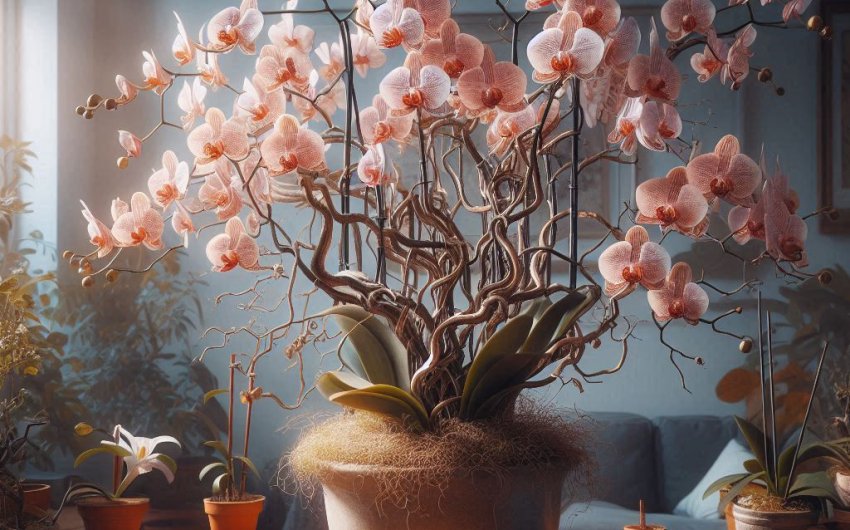
Orchids, especially the popular Phalaenopsis or "Moth" orchids, are renowned for their exquisite and long-lasting blooms, often gracing our homes for weeks or even months. So, when their beautiful flowers suddenly wilt, shrivel, and drop long before their time, it can be incredibly disheartening. If you're experiencing this frustration and asking, "Why are my indoor orchids dropping flowers prematurely?", you're encountering one of the most common signs of environmental stress for these delicate plants. Understanding the specific triggers, from subtle shifts in temperature to changes in air quality, is crucial for preserving their spectacular floral display.
What is Premature Flower Drop in Orchids?
Premature flower drop, or "bud blast," refers to the phenomenon where orchid flowers, or even buds, shrivel, turn yellow or brown, and fall off the plant well before their typical blooming period ends. A healthy orchid bloom can last anywhere from 4 to 12 weeks, depending on the species and environmental conditions. When they drop sooner, it's a clear signal that something in the orchid's environment is not quite right.
Symptoms of Premature Flower Drop:
- Bud Blast: Buds turn yellow, brown, or black and drop before opening.
- Wilting Flowers: Petals lose their turgidity (firmness) and look soft or droopy.
- Discoloration: Flowers turn yellow or brown, often starting from the tips of the petals.
- Sudden Drop: Flowers fall off the stem, often leaving the stem otherwise green.
Understanding the typical lifespan of your orchid's blooms is important. For instance, a Phalaenopsis bloom can last for months, while some miniature orchids might only last a few weeks. The key is if they drop sooner than expected for that specific type.
Is My Environment Too Hot or Cold, Or Does It Fluctuate?
Orchids are sensitive to temperature and prefer stable conditions. Extreme heat, cold, or sudden temperature swings are prime reasons for premature flower drop.
1. Too Hot:
- Symptoms: Flowers may wilt quickly, look faded, and drop. Buds may blast.
- Why it Happens: Most indoor orchids (especially Phalaenopsis) prefer moderate temperatures. Excessive heat (above 85°F or 29°C), especially when combined with low humidity, speeds up the plant's metabolism and dehydrates the delicate flowers.
- Solutions:
- Ideal Temperature: Aim for daytime temperatures between 65-80°F (18-27°C) and nighttime temperatures 10-15°F (6-8°C) cooler.
- Move Plant: Relocate your orchid away from heat sources like heating vents, radiators, direct sun through glass (which magnifies heat), or hot appliances.
2. Too Cold / Cold Drafts:
- Symptoms: Flowers and buds may shrivel, turn clear or black, and drop suddenly. Leaves may also show signs of cold damage (mushy, black spots).
- Why it Happens: Most orchids are tropical and cannot tolerate cold temperatures (below 50-55°F or 10-13°C) or sudden cold drafts.
- Solutions:
- Relocate: Move the orchid away from cold windows, leaky doors, or any area experiencing cold drafts.
- Insulation: If near a window in winter, place a piece of cardboard or foam between the pot and the windowpane to insulate it.
3. Temperature Fluctuations:
- Symptoms: Flowers or buds drop without clear wilting or discoloration beforehand.
- Why it Happens: Orchids prefer stable environments. Sudden drops or spikes in temperature (e.g., from an open window during a cold spell, or being moved from a cool room to a very hot one) can shock the plant and cause it to shed flowers as a stress response.
- Solutions: Maintain consistent temperatures. Avoid placing orchids near entryways, air conditioning units, or heaters that cycle on and off frequently.
Am I Watering My Orchid Correctly, Or is My Water Quality an Issue?
Both overwatering and underwatering, as well as the quality of your water, can cause stress leading to flower drop.
1. Underwatering:
- Symptoms: Flowers wilt, shrivel, and then drop. The potting medium will be bone dry, and roots may appear shriveled or silvery. Leaves might become limp or wrinkled.
- Why it Happens: Insufficient water means the plant cannot maintain the turgidity (firmness) of its delicate flower petals.
- Solutions:
- Check Media Moisture: Feel the potting mix. If it's dry, it's time to water. For bark mixes, you might lift the pot – a light pot indicates dryness.
- Watering Technique: Water thoroughly until water flows from the bottom drainage holes. Let it drain completely. For bark mixes, you can soak the pot in water for 15-20 minutes.
- Frequency: Adjust frequency based on media (bark dries faster than sphagnum moss), light, and temperature. Typically every 7-10 days.
2. Overwatering:
- Symptoms: Flowers may wilt or drop, but the primary symptom is often soggy, discolored roots (brown, black, mushy) and often yellowing, limp leaves.
- Why it Happens: Excess water suffocates roots, leading to root rot. Rotten roots cannot absorb water or nutrients, stressing the entire plant, including the flowers.
- Solutions:
- Ensure Drainage: Orchids absolutely require pots with excellent drainage holes and very airy potting media (bark, sphagnum moss, perlite). Never let the pot sit in standing water.
- Repot (if severe root rot): Remove the plant, trim all mushy/black roots, and repot in fresh, dry orchid-specific media in a clean pot.
- Adjust Frequency: Allow the media to dry out almost completely before watering again.
3. Water Quality:
- Symptoms: Flowers may drop, or leaves may develop brown tips over time. Can contribute to general decline.
- Why it Happens: Tap water can contain high levels of salts, chlorine, or fluoride that can accumulate in the potting media and harm orchid roots, leading to stress.
- Solutions:
- Filtered Water: Use distilled, reverse osmosis, or rainwater.
- Let Tap Water Sit: If using tap water, let it sit uncovered for 24 hours to allow chlorine to dissipate. This won't remove fluoride or mineral salts.
Is Humidity or Air Quality a Factor?
Orchids thrive in consistently humid environments. Dry air or poor air quality can directly stress blooms.
1. Low Humidity:
- Symptoms: Flowers may appear dull, dry quickly, and shrivel, often starting from the tips of the petals. Buds may blast.
- Why it Happens: Our homes, especially in winter with heating, often have very low humidity. Orchids lose moisture through their flowers and leaves. In dry air, this loss is too rapid.
- Solutions:
- Humidifier: The most effective solution is a room humidifier placed near your orchids. Aim for 50-70% humidity.
- Pebble Tray: Place the orchid pot on a saucer or tray filled with pebbles and water (ensure the pot is not sitting in the water). As the water evaporates, it creates localized humidity.
- Grouping Plants: Cluster plants together to create a microclimate of higher humidity.
- Avoid Misting Flowers Directly: While misting leaves can help humidity, avoid misting flowers directly, as water spots can encourage fungal/bacterial rot on delicate petals.
2. Poor Air Quality / Ethylene Gas:
- Symptoms: Very rapid wilting and dropping of flowers, often appearing healthy just before the drop.
- Why it Happens: Orchids are extremely sensitive to ethylene gas. This odorless gas is a natural plant hormone produced by ripening fruit, decaying plant material, and combustion sources.
- Sources of Ethylene:
- Ripening Fruit: Do not place flowering orchids near a fruit bowl, especially with apples, bananas, or tomatoes.
- Tobacco Smoke: Avoid smoking near orchids.
- Exhaust Fumes: From cars or gas appliances.
- Fresh Paint or Varnishes: Can release gases harmful to orchids.
- Decaying Flowers/Plants: Remove any spent flowers or dead leaves promptly.
- Solutions: Keep flowering orchids away from all sources of ethylene gas. Ensure good air circulation (without cold drafts) in the room.
Could My Light Conditions or Fertilization Be the Cause?
While light is more often related to lack of blooming, extreme changes can cause flower drop. Improper fertilization can also stress the plant.
1. Sudden Light Changes:
- Symptoms: Flowers may drop after being moved from one light environment to a drastically different one (e.g., from a bright store to a dim home).
- Why it Happens: A sudden shock to the plant's system.
- Solutions: Try to place the orchid in a stable light environment once it's in bloom. If moving, do so gradually or try to match the previous conditions as closely as possible.
2. Over-Fertilization:
- Symptoms: Flowers drop, accompanied by brown tips on roots or leaves, and a crust of white salts on the potting media.
- Why it Happens: Too much fertilizer can burn the delicate orchid roots, leading to stress and flower loss.
- Solutions:
- Flush Media: Thoroughly flush the potting media with plain, distilled, or rainwater to leach out excess salts.
- Reduce Fertilization: Fertilize sparingly, especially when the plant is in bloom. Many growers recommend fertilizing at ¼ strength of the recommended dose. Never fertilize dry roots.
- Fertilize During Growth: Fertilize primarily when the plant is actively growing new leaves or roots, not when it's just flowering.
Are Pests or Diseases Attacking My Orchid?
While less common to directly cause sudden flower drop, a severe pest infestation or disease can weaken the orchid to the point where it can no longer sustain its blooms.
Pests:
- Mealybugs: White, cottony masses usually found in leaf axils or on flower spikes. They suck sap, weakening the plant.
- Scale: Small, immobile, brown, or black bumps on leaves or stems.
- Spider Mites: Tiny pests that cause stippling on leaves and fine webbing. They thrive in dry conditions.
- Symptoms: Look for the pests themselves, sticky honeydew, or a general decline in plant vigor alongside flower drop.
- Solutions:
- Isolate: Immediately isolate any infested orchid.
- Physical Removal: Wipe off pests with a cotton swab dipped in rubbing alcohol.
- Organic Sprays: Use organic insecticidal soap for orchids or neem oil spray for orchids. Spray thoroughly, especially on leaf undersides. Repeat applications. Avoid spraying directly on open flowers if possible, as it can damage petals.
Diseases:
- Fungal/Bacterial Rot (Especially Crown Rot): Usually caused by consistent overwatering or water sitting in the crown of the plant.
- Symptoms: Flowers drop, but primary signs are mushy base of the plant, soft yellowing leaves, and often a foul smell.
- Solutions: Act quickly. Stop watering, remove from pot, cut away all rotten roots and crown tissue. Repot in fresh, dry media. Ensure water does not sit in the crown after watering.
What is Normal Flower Drop vs. Premature Flower Drop?
It's important to distinguish between premature dropping and the natural end of an orchid's bloom cycle.
- Natural End: Flowers will slowly fade, shrivel, and gradually drop, usually one by one, after weeks or months. The plant will look healthy otherwise, and the flower spike might remain green, ready for reblooming (especially for Phalaenopsis).
- Premature Drop: Flowers drop rapidly, often many at once, while they still appear vibrant, or after only a few days/weeks. This is the "warning sign."
Steps to Take When Flowers Are Dropping Prematurely:
- Don't Panic: Assess the situation calmly.
- Review the Environment: Go through the checklist:
- Temperature extremes or fluctuations?
- Air drafts?
- Humidity levels?
- Proximity to ripening fruit or smoke?
- Light changes?
- Check Watering: Feel the potting media. Is it too wet or too dry? Adjust immediately.
- Inspect for Pests: Look closely, especially on the undersides of leaves and flower spikes.
- Remove Dropping Flowers: Once a flower drops, remove it from the plant. This helps the plant focus energy elsewhere.
- Patience: Once you've identified and corrected the issue, give the plant time to recover. It won't immediately stop dropping if the stress was severe, but new growth will eventually appear.
Seeing your indoor orchids dropping flowers prematurely can be frustrating, especially when you've lovingly cared for them. However, it's a clear signal from your plant that its environment is out of balance. By methodically checking for issues related to temperature, watering, humidity, air quality, light, and pests, you can pinpoint the stressor and provide the necessary adjustments. With a little detective work and consistent care, your orchid will recover, and you can look forward to spectacular, long-lasting blooms in the future.