
How Can I Get Rid of Whiteflies on My Indoor Mint Plant?
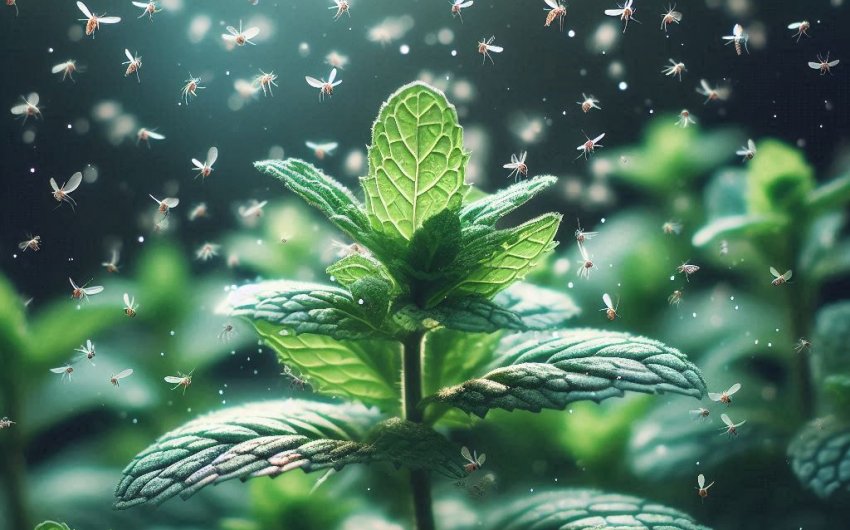
Spotting a cloud of tiny, white, moth-like insects fluttering around your beloved indoor mint plant can be alarming. These are likely whiteflies, persistent sap-sucking pests that can quickly weaken your herbs. If you're wondering how can I get rid of whiteflies on my indoor mint plant?, you're in the right place. Natural, safe, and effective methods are key, especially for an edible plant like mint. This guide will walk you through identification, prevention, and a step-by-step approach to eradicating whiteflies, ensuring your mint stays healthy and ready for your favorite recipes.
What Are Whiteflies and Why Are They a Problem for Mint?
Whiteflies are tiny, winged insects, typically 1/12 to 1/16 inch long, that resemble tiny white moths. They are often mistaken for tiny gnats at first glance. They cluster on the undersides of leaves, and when disturbed, a cloud of them will fly up momentarily before settling back down.
Whitefly Life Cycle:
Whiteflies have a complex life cycle that makes them challenging to control. They go through several stages:
- Eggs: Tiny, elongated, usually pale yellow or white eggs laid on the undersides of leaves.
- Nymphs (Crawlers): First instar nymphs are mobile ("crawlers") and move a short distance before settling down.
- Pupae ("Pupal Cases" or "Nymphal Instars"): Once settled, nymphs transform into scale-like, oval, often opaque "pupal cases" that remain stationary. This stage is particularly difficult to kill with contact sprays.
- Adults: Emerge from the pupal cases, are winged, and ready to reproduce.
The entire life cycle can be completed in as little as 16-30 days, depending on temperature, allowing populations to explode rapidly. Adults and nymphs are the damaging stages.
Why Whiteflies Are a Problem for Mint:
- Sap-Sucking: Whiteflies, like aphids, feed by sucking the sap from plant leaves. This weakens the plant, leading to yellowing, wilting, and stunted growth. Severe infestations can kill young plants.
- Honeydew Production: As they feed, whiteflies excrete a sticky, sugary substance called honeydew.
- Honeydew coats the leaves, making them shiny and sticky.
- It attracts ants, which may protect the whiteflies.
- Honeydew is a perfect medium for sooty mold to grow. Sooty mold is a black fungus that covers leaves, blocking sunlight and reducing the plant's ability to photosynthesize.
- Rapid Reproduction: Their quick life cycle means an infestation can go from a few individuals to a full-blown crisis in a matter of weeks.
- Edible Plant Concern: Since mint is consumed, using harsh chemical pesticides is not an option. Natural and organic methods are essential.
How Can I Identify Whiteflies on My Indoor Mint Plant?
Early detection is key to preventing a widespread infestation. Whiteflies are small, but their habits make them relatively easy to spot if you know what to look for.
- Fluttering Cloud: Gently shake or tap your mint plant. If tiny, white, moth-like insects fly up in a cloud, settle, and then quickly resettle on the undersides of the leaves, you have whiteflies.
- Undersides of Leaves: Whiteflies (adults, eggs, and nymphs) overwhelmingly prefer the undersides of leaves, especially new, tender growth. Regularly inspect these areas.
- Sticky Residue (Honeydew): Feel the leaves. If they feel sticky, or if you see shiny spots, that's honeydew. Look underneath for the source.
- Sooty Mold: If you see black, velvety growth on the leaves, this is sooty mold, indicating a severe and prolonged infestation producing lots of honeydew.
- Yellowing Leaves: As the plant is weakened from sap loss, leaves may start to yellow, particularly on older foliage.
- Stunted or Distorted Growth: New growth may appear twisted or stunted.
- Tiny White "Grains": On the undersides of leaves, you might see tiny white or pale yellow oval dots (eggs) or flat, scale-like, semi-transparent oval shapes (nymphs/pupal cases).
What Are the Immediate First Steps to Take?
Once you've confirmed whiteflies on your mint plant, act quickly. Start with these simple, physical removal methods.
- Isolate the Plant: Immediately move your infested mint plant away from other plants in your home. This prevents the whiteflies from spreading.
- Vacuum Adults: Using a handheld vacuum cleaner with a brush attachment, gently vacuum the adult whiteflies from the leaves (especially the undersides). Do this very carefully to avoid damaging the plant. Empty the vacuum bag or canister immediately outside to prevent escape.
- Blast with Water: Take your mint plant to a sink or outdoors. Use a strong stream of water from a spray nozzle (but not so strong it damages the plant) to forcefully wash off the whiteflies, eggs, and nymphs from all leaf surfaces, especially the undersides.
- Frequency: Repeat this daily for several days. This is a very effective physical removal method.
- Wipe Down Leaves: For individual leaves or mild infestations, gently wipe the undersides of leaves with a damp cloth or paper towel to physically remove eggs, nymphs, and adults. Pay close attention to the sticky honeydew.
- Prune Infested Leaves (if severe and localized): If only a few leaves are heavily infested and the plant is large enough, consider carefully pruning off the worst-affected leaves. Dispose of them in a sealed bag in the trash, not compost.
- Clean the Area: Wipe down surfaces around where the plant was sitting, as eggs or adults might have landed there.
What Natural Sprays Can I Use for Whiteflies on Mint?
Since mint is an edible herb, using safe, non-toxic sprays is crucial. These options work by suffocating whiteflies or deterring them.
1. Insecticidal Soap Spray:
This is one of the most effective and safest options for edible plants. The soap breaks down the waxy coating on the whitefly's body, causing them to dehydrate and die.
- How to Make (DIY):
- Mix 1-2 tablespoons of mild liquid dish soap (ensure it's soap, not detergent, and avoid antibacterial types) with 1 gallon of water. Dr. Bronner's pure castile soap or simple liquid dish soap like Dawn (original) are often recommended.
- Pour the solution into a clean spray bottle.
- Application:
- Test First: Always test on a small, inconspicuous part of the plant and wait 24 hours to ensure there's no adverse reaction (though mint is generally tolerant).
- Spray Thoroughly: Cover all plant surfaces, especially the undersides of leaves where whiteflies hide. Direct contact with the pest is necessary for the soap to work.
- Timing: Apply in the early morning or late evening. Avoid spraying in direct sunlight, which can cause leaf burn.
- Repeat: Insecticidal soap only works on contact and has no residual effect. You'll need to reapply every 3-5 days for at least 2-3 weeks to target newly hatched nymphs as they emerge from pupal cases that are resistant to the spray.
- Commercial Options: You can also buy ready-to-use organic insecticidal soap specifically designed for plants. Always follow product instructions.
2. Neem Oil Spray:
Neem oil is a natural, biodegradable product derived from the neem tree. It works as an insect growth regulator, antifeedant, and repellent.
- How it Works: It disrupts the whitefly's life cycle, making it difficult for nymphs to mature into adults and reducing feeding.
- How to Make:
- Mix 1-2 tablespoons of 100% pure, cold-pressed neem oil concentrate with 1 teaspoon of mild liquid dish soap (as an emulsifier) per gallon of water.
- Shake well before each use, as oil and water separate.
- Application:
- Test First: Always test on a small area.
- Spray Thoroughly: Coat all plant surfaces, especially the undersides of leaves.
- Timing: Apply in the evening or on an overcast day. Neem oil can cause phytotoxicity (plant damage) if applied in direct sun.
- Repeat: Apply every 5-7 days for several weeks (at least 2-3 cycles) to break the whitefly's life cycle.
- Harvesting After Neem: Wait a few days after the final application before harvesting mint to allow any residue to break down. Always wash harvested mint thoroughly.
3. Garlic Spray:
The strong scent and compounds in garlic can act as a repellent and mild insecticide.
- How to Make:
- Mince 5-6 cloves of garlic.
- Soak them in 2 cups of hot water for several hours or overnight.
- Strain the garlic pieces out.
- Add a few drops of mild liquid dish soap.
- Dilute with another 2-3 cups of water before spraying.
- Application: Spray directly onto affected areas, focusing on undersides of leaves. Reapply as needed.
What Physical & Mechanical Control Methods are Effective?
Beyond sprays, simple physical tools and traps can greatly assist in whitefly control.
- Yellow Sticky Traps:
- How it Works: Whiteflies are strongly attracted to the color yellow. These sticky cards capture adult whiteflies, reducing the breeding population.
- Placement: Place yellow sticky traps near or slightly above your mint plant.
- Benefits: Non-toxic, provides a visual indicator of pest presence.
- Limitations: Only catches adults, not eggs or nymphs. You still need other methods to address the life cycle stages on the plant.
- Vacuuming:
- As mentioned in immediate steps, a handheld vacuum can effectively remove adult whiteflies from leaves. This is especially good for catching the adults that are resistant to some sprays.
- Manual Removal:
- Continue to wipe down leaves with a damp cloth or cotton swab to remove eggs and nymphs. This is particularly effective for small plants.
How Can I Prevent Future Whitefly Infestations?
Prevention is crucial to keeping your mint plant healthy and whitefly-free in the long run.
- Inspect New Plants: Before bringing any new plant into your home, thoroughly inspect it for pests, including whiteflies. Isolate new plants for a week or two to ensure they are pest-free.
- Good Air Circulation: Ensure your mint plant has good air circulation. Stagnant air can make plants more susceptible to pests. Don't crowd plants together. A small fan can help indoors.
- Avoid Over-Fertilizing: Excessive nitrogen fertilizer can promote lush, soft new growth that whiteflies (and aphids) find particularly attractive. Use a balanced, slow-release fertilizer or fertilize less frequently.
- Proper Watering: Overwatering can stress plants and create humid conditions that some pests enjoy. Ensure your mint is watered correctly. Allow the top inch of soil to dry out between waterings.
- Cleanliness: Remove any dead or yellowing leaves regularly. These can harbor pests. Keep the area around your plant clean.
- Quarantine Existing Infestations: If you have other indoor plants, keep the infested mint plant completely separate until the whiteflies are gone.
- Consider Beneficial Insects (for severe, persistent issues or greenhouses): For indoor settings, releasing beneficial insects is often not practical, but in a closed system like a greenhouse, certain parasitic wasps (Encarsia formosa) are highly effective whitefly predators. This is usually a professional solution.
- Sticky Traps (Ongoing Monitoring): Continue to use yellow sticky traps even after an infestation seems gone. They act as an early warning system for new arrivals.
- Deter Ants: Ants often "farm" whiteflies (and aphids) for their honeydew. If you have ants on your plants, control them to help control the whiteflies. Use ant bait stations or sprinkle diatomaceous earth on surfaces (avoiding the plant itself).
What if My Mint Plant is Severely Infested?
For very severe whitefly infestations where the plant is clearly suffering and covered in pests, you might need to take more drastic, but still natural, measures.
- Aggressive Pruning: Cut back your mint plant significantly. Mint is very resilient and will regrow from its root system. This removes a large portion of the whitefly population. Dispose of all pruned material in a sealed bag.
- Repotting: If the infestation is in the soil (less common for whiteflies, but could indicate other issues), or if you want to give the plant a fresh start, carefully remove the plant from its pot, gently brush off old soil from the roots, and repot into fresh, sterile potting mix. Clean the old pot thoroughly first.
- Dunking the Plant: For small to medium-sized mint plants, you can try submerging the entire foliage (but not the soil) in a bucket of insecticidal soap solution for 15-30 minutes. This ensures full coverage and suffocates a high percentage of pests. Follow with a thorough rinse.
- Consider Starting Over: If the plant is truly overwhelmed and showing signs of irreversible damage, sometimes it's more practical to discard the plant (sealed in a bag) and start fresh with a new, healthy mint cutting or plant. Mint is very easy to propagate from cuttings.
Important Considerations for Treating Edible Plants:
When treating any edible plant like mint, always prioritize safety.
- Read Labels: Even for "organic" or "natural" products, always read and follow the product label instructions carefully. Pay attention to application rates, frequency, and any "days to harvest" or "re-entry interval" warnings.
- Wash Thoroughly: After any treatment, and before consuming, always wash your mint leaves thoroughly under running water.
- Harvesting During Treatment: If you are actively spraying with insecticidal soap or neem oil, it's generally best to wait a few days after the last application before harvesting. This allows any residue to break down. If you need mint immediately, harvest from unaffected areas before spraying, or rinse heavily treated areas.
Dealing with whiteflies on your indoor mint plant can be frustrating, but with patience and a consistent application of these natural methods, you can successfully eradicate these pests. By understanding how can I get rid of whiteflies on my indoor mint plant? through a combination of physical removal, targeted organic sprays, and strong preventative measures, your mint will soon recover and be ready for your culinary adventures once again, fresh and pest-free.