
Why Does My Monstera Have Brown Spots on Leaf Edges?
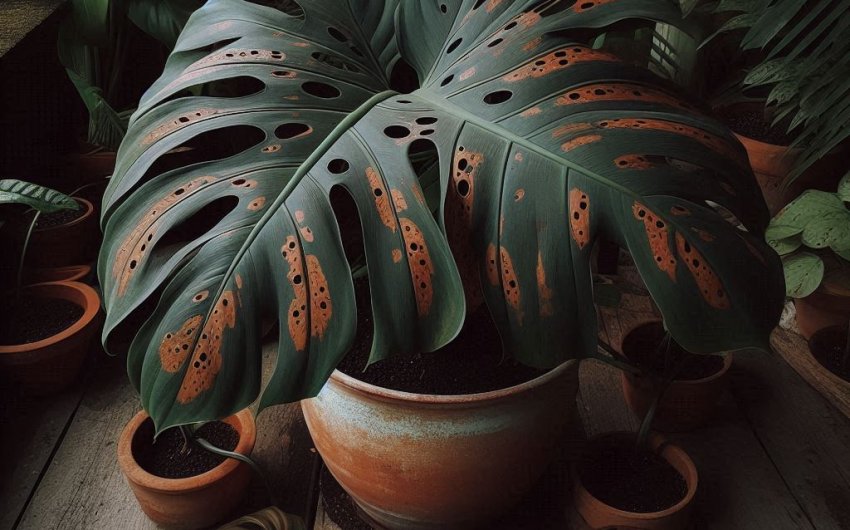
If your Monstera has brown spots on leaf edges, it's most commonly a sign of a watering issue, either too much or too little, or a lack of humidity. These symptoms indicate the plant is struggling to transport water effectively to the leaf margins, causing the tissue to dry out and die.
Why Do Monstera Leaves Get Brown Spots?
Monstera plants, particularly the popular Monstera deliciosa, are beloved for their iconic split leaves and lush, tropical vibe. However, like many houseplants, they communicate distress through their foliage, and brown spots on leaf edges are a common complaint. While the initial question focuses on the edges, understanding the broader reasons for brown spots on Monstera leaves is key to proper diagnosis and care.
Here are the primary reasons why Monstera leaves get brown spots:
- Under-watering (Dehydration): This is a very common cause, especially for brown spots on leaf edges and tips. If the Monstera doesn't receive enough water, particularly consistently, the extremities of the leaves (tips and edges) are the first to suffer from dehydration. The plant pulls moisture from these areas to protect the core, leading to crispy, dry brown spots and necrosis (tissue death).
- Over-watering/Poor Drainage (Root Rot): Paradoxically, too much water can also cause brown spots, often accompanied by yellowing. If the soil remains soggy for too long, the roots become waterlogged and can't take up oxygen. This leads to root rot, which effectively prevents the roots from absorbing water and nutrients, even if they are abundant in the soil. The symptoms mimic under-watering because the plant is dehydrated at the cellular level. These brown spots might feel soft or mushy.
- Low Humidity: Monsteras are tropical plants native to rainforests where humidity levels are consistently high. In dry indoor environments, especially during winter with heating systems or in arid climates, the air lacks sufficient moisture. This causes rapid transpiration (water loss) from the leaves, leading to dry, crispy brown spots on leaf edges and tips as the plant struggles to retain moisture.
- Excessive Fertilizer (Nutrient Burn): Too much fertilizer can cause salts to build up in the soil. This high salt concentration draws moisture out of the plant's roots through osmosis, essentially dehydrating the plant from the inside out. The leaf margins are typically the first areas to show this "fertilizer burn" as crispy, brown spots.
- Tap Water Issues:
- Chlorine/Chloramine: Chemicals in municipal tap water can accumulate in the soil over time and stress sensitive plants, contributing to brown spots on leaf margins.
- High Mineral Content (Hard Water): Hard water contains high levels of dissolved minerals (like calcium and magnesium). These minerals can build up in the soil as a white crust, impeding water uptake and leading to brown spots on leaves.
- Too Much Direct Sunlight (Sunburn/Scorching): While Monsteras need bright, indirect light, direct, intense sunlight can scorch their delicate leaves. This manifests as brown or bleached patches, often starting on the exposed leaf surface rather than just the edges.
- Pests: Certain sap-sucking pests (like spider mites, thrips, or scale insects) can cause localized brown spots or discoloration due to their feeding. Look for tiny insects, webbing, or sticky residue.
- Temperature Stress: Sudden drafts, extreme cold, or proximity to heating/AC vents can cause stress that manifests as browning, particularly on leaf edges.
- Old Age/Natural Decline: Older leaves on the lower parts of the plant may naturally yellow and then brown before dropping off. This is normal, but widespread browning across many leaves indicates a problem.
Diagnosing brown spots on your Monstera's leaf edges requires careful observation of the spots' texture, pattern, and the plant's overall care routine to pinpoint the exact cause and implement the correct solution.
Is My Monstera Under-watered or Over-watered if It Has Brown Spots?
This is the most common confusion for Monstera owners when they see brown spots on leaf edges: is it too much water or not enough? Paradoxically, both under-watering and over-watering can lead to similar symptoms of browning leaves because both ultimately result in the plant being unable to absorb sufficient moisture. However, there are subtle differences to help you determine the cause.
Under-watering (Too Little Water)
- Symptoms:
- Crispy, Dry Brown Spots/Edges: The browning will typically start at the leaf tips and edges and feel dry and brittle to the touch, almost like paper.
- Overall Drooping/Wilting: The entire plant may appear limp or droopy, and leaves might curl inwards.
- Lightweight Pot: When you lift the pot, it will feel very light.
- Dry Soil: The soil will be completely dry, often pulling away from the sides of the pot.
- Why it Happens: The plant isn't getting enough moisture to keep its cells turgid (full of water). The extremities (leaf tips and edges) are the farthest from the roots, so they are the first to suffer from dehydration as the plant conserves water for vital functions.
- Solution: Water your Monstera thoroughly until water drains from the bottom of the pot. Ensure you re-saturate the entire root ball. For severely dehydrated plants, bottom-watering (letting the pot sit in a tray of water) can help it slowly reabsorb moisture. After this initial deep watering, establish a consistent watering routine based on soil dryness.
Over-watering (Too Much Water)
- Symptoms:
- Yellowing First, Then Soft Brown Spots/Edges: Leaves will often turn yellow before the browning sets in. The brown spots may appear on the edges but can also develop as blotches within the leaf, often feeling soft or mushy, not crispy.
- Drooping, But Soil is Wet: The plant may appear droopy, similar to under-watering, but the soil will feel perpetually wet or soggy.
- Heavy Pot: The pot will feel heavy due to excess water.
- Foul Odor: A musty or rotten smell from the soil can indicate root rot.
- Stunted Growth: New growth may be slow or distorted.
- Why it Happens: Persistent overwatering leads to a lack of oxygen in the soil, which suffocates the roots. This creates anaerobic conditions where harmful bacteria and fungi can thrive, leading to root rot. When roots rot, they can no longer absorb water or nutrients, essentially causing the plant to dehydrate and starve, even in saturated soil.
- Solution:
- Stop Watering Immediately: Do not water until the soil has dried out significantly.
- Improve Drainage: Ensure your pot has drainage holes. If not, repot immediately into a pot with drainage.
- Check Roots: Carefully unpot the plant and inspect the roots. Healthy roots are firm and white or light brown. Rotting roots will be mushy, black, or brown, and smell foul.
- Prune Rot: Use sterile scissors to cut away any rotten roots.
- Repot (If Needed): Repot into fresh, well-ddraining potting mix. Consider a slightly smaller pot if a lot of roots were removed.
- Adjust Watering Routine: Allow the top 2-3 inches of soil to dry out completely before watering again. For Monsteras, stick your finger deep into the soil (or use a moisture meter) to ensure it's not still wet further down.
Key to Diagnosis: The Soil Test
The most reliable way to tell if your Monstera's brown spots are due to under-watering or over-watering is to check the soil moisture level deep in the pot.
- Feel Test: Stick your finger about 2-3 inches deep into the soil.
- If it's bone dry: likely underwatering.
- If it's consistently wet and soggy: likely overwatering.
- Weight Test: Lift the pot. A surprisingly light pot indicates dryness; a heavy, waterlogged pot indicates overwatering.
By performing these simple soil checks, you can accurately diagnose whether your Monstera's brown spots on leaf edges are a cry for more water or a desperate plea for less.
How Do I Correct Watering Issues for My Monstera?
Correcting watering issues is paramount if your Monstera has brown spots on leaf edges, as improper watering is the most frequent cause of this problem. Establishing a proper and consistent watering routine, along with ensuring adequate drainage, will lead to a healthier, happier plant.
Here's how to correct watering issues for your Monstera:
1. The Golden Rule: Water When the Top Few Inches of Soil Are Dry
- Feel, Don't Guess: Forget watering on a strict schedule (e.g., "every Monday"). Instead, learn to feel the soil. Stick your finger 2-3 inches (5-7.5 cm) deep into the potting mix.
- If it feels dry: It's time to water.
- If it still feels moist or damp: Wait a few more days and check again.
- Moisture Meter (Optional): For those new to plant care or who want extra precision, a soil moisture meter can provide accurate readings. Aim for a reading of 3-4 (on a 1-10 scale) before watering again.
- Pot Weight Test: Another excellent method. Lift the pot when the soil is completely dry to gauge its weight. Then, lift it after a thorough watering. Over time, you'll learn to tell if your Monstera needs water just by lifting its pot.
2. Water Deeply and Thoroughly
- Saturate the Soil: When you do water, water deeply. Pour water slowly and evenly over the entire surface of the potting mix until it drains out of the drainage holes at the bottom of the pot.
- Drainage is Key: Ensure water flows freely from the drainage holes. If water sits on the surface or drains very slowly, it indicates poor drainage in the potting mix or clogged holes (see below).
- Discard Excess: Never let your Monstera's pot sit in standing water in its saucer or cachepot for more than 30 minutes. Always empty excess water to prevent root rot.
3. Ensure Excellent Drainage
- Drainage Holes: Your pot must have drainage holes. If your beautiful decorative pot lacks them, use a nursery pot with drainage inside it.
- Well-Draining Potting Mix: Monsteras need a chunky, airy, and well-draining potting mix that still retains some moisture.
- Avoid Dense Soil: Do not use heavy garden soil.
- Ideal Mix: A good aroid mix often consists of:
- High-quality indoor potting mix (base)
- Perlite or pumice (for aeration and drainage, FoxFarm Ocean Forest Potting Soil is a popular, well-draining option).
- Orchid bark or coco coir chunks (for chunkiness and aeration).
- Consider making your own mix for optimal results for your Monstera.
4. Address Water Quality (If Applicable)
- Chlorine/Chloramine: If your tap water is heavily chlorinated, let it sit out in an open container for 24-48 hours before watering to allow the chlorine to dissipate. Chloramine won't dissipate this way, but most plants tolerate it in moderation.
- Hard Water/Mineral Buildup: If you have very hard water, over time mineral salts can accumulate in the soil, causing brown spots.
- Solution: Periodically flush the soil (every 2-3 months). Water your Monstera thoroughly with plain, lukewarm water for about 5-10 minutes, allowing continuous drainage. This helps wash away excess mineral salts.
- Alternative Water: For very sensitive plants or severe issues, consider using filtered water, distilled water, or rainwater.
5. Consider the Environment
- Light Levels: Plants in brighter light will use more water and dry out faster than those in lower light. Adjust watering frequency accordingly.
- Humidity: In higher humidity (like a bathroom), your Monstera will transpire less and thus need less frequent watering. In very dry conditions, it might need more frequent watering, but this also contributes to brown tips (see next section).
- Pot Size & Material: Smaller pots dry faster. Terracotta pots dry faster than plastic. Adjust frequency based on pot type and size.
By consistently applying these watering wisdom tips, you can effectively correct watering issues and prevent brown spots on leaf edges from plaguing your beautiful Monstera.
How Does Low Humidity Cause Brown Spots on Monstera?
Low humidity is a significant environmental stressor for Monstera plants, and it's a very common reason why your Monstera has brown spots on leaf edges. As tropical plants, Monsteras are naturally accustomed to consistently moist air. When the air around them is too dry, it directly impacts their ability to retain moisture, leading to visible damage.
Here's how low humidity causes brown spots on your Monstera's leaves:
1. Rapid Transpiration
- Plant Respiration: Plants "breathe" through tiny pores on their leaves called stomata. Through these stomata, they release water vapor into the air in a process called transpiration. This process pulls water up from the roots, bringing nutrients along with it.
- Dry Air's Effect: In dry indoor environments (especially common during winter with heating systems, or in arid climates), there's a significant difference in water vapor concentration between the inside of the leaf and the surrounding air. This steep gradient causes water to evaporate very rapidly from the leaf surfaces.
2. Dehydration at the Leaf Margins
- Struggling to Keep Up: When transpiration is excessive due to low humidity, the plant struggles to draw enough water up through its roots to replace the lost moisture. The root system might be perfectly healthy and the soil might even be moist, but the air is literally "sucking" the water out of the leaves faster than the roots can supply it.
- Extremities First: The edges and tips of the leaves are the farthest points from the plant's main water supply (the roots and central veins). These areas are the first to experience the effects of dehydration, as the plant prioritizes water for its core functions and younger, more vital growth.
- Tissue Death: When these leaf cells are chronically deprived of water, they dry out, die, and turn brown and crispy. This is why you see brown spots on leaf edges.
3. Increased Salt Accumulation (Indirect Effect)
- Evaporation: When water evaporates rapidly from the leaf surface, it leaves behind any dissolved mineral salts present in the water (from tap water or fertilizers).
- Concentration: Over time, these salts can concentrate at the leaf margins, especially as water is constantly drawn to and evaporated from these areas. High salt concentrations can chemically "burn" the leaf tissue, contributing to brown spots.
4. Susceptibility to Other Issues
- Pest Vulnerability: While not a direct cause of brown spots, dry conditions (low humidity) often favor certain pests, like spider mites. An infestation of spider mites can further stress a Monstera, exacerbating any browning.
How to Increase Humidity for Your Monstera:
If low humidity is the culprit for your Monstera's brown spots on leaf edges, here are effective solutions:
- Use a Humidifier: This is the most effective way to consistently raise the ambient humidity around your plant. A room humidifier can make a significant difference, especially during dry seasons.
- Pebble Tray: Place the pot on a shallow tray filled with pebbles and water. Ensure the bottom of the pot sits above the waterline, not in it (to prevent root rot). As the water evaporates, it creates a localized zone of higher humidity around the plant.
- Group Plants: Cluster your Monstera with other houseplants. Plants naturally release moisture through transpiration, and grouping them together creates a more humid microclimate.
- Avoid Misting (Limited Benefit): While misting feels like it helps, it provides only a very temporary (minutes-long) increase in humidity and quickly evaporates. Consistent misting without other methods is generally insufficient for tropical plants and can even encourage fungal issues if water sits on leaves for too long without good air circulation. Focus on more consistent methods.
- Location: Avoid placing your Monstera near heating vents, air conditioners, or drafty windows, as these can drastically dry out the air around the plant.
By addressing low humidity directly, you can prevent your Monstera's brown spots on leaf edges and encourage lush, healthy foliage that truly thrives in its indoor environment.
When Should I Consider Other Causes for Brown Spots on My Monstera?
While watering and humidity issues are the most common culprits for brown spots on your Monstera's leaf edges, it's important to consider other potential causes if adjusting your watering and humidity doesn't resolve the problem, or if the brown spots appear with different patterns. Overlooking these less common but still significant issues can lead to continued plant decline.
You should consider other causes for brown spots on your Monstera if:
Your Watering and Humidity are Already Optimal:
- You consistently check soil moisture before watering.
- Your pot has excellent drainage.
- You are regularly measuring or providing ambient humidity above 50-60%.
- Yet, the brown spots persist or worsen.
The Brown Spots Have a Different Pattern or Texture:
- Crispy Edges + Yellowing Inner Leaf + Small Holes (Pests): Look for tiny insects (spider mites, thrips, mealybugs, scale), sticky residue (honeydew), or fine webbing on the undersides of leaves. Pests suck sap, leading to discoloration and spots.
- Large, Irregular Brown Patches (Sunburn): If the spots are large, dry, and bleached or dark brown, often occurring on leaves exposed to direct afternoon sun, it's likely sunburn. This is different from tip/edge browning from dehydration.
- Yellow Halo Around Brown Spots (Fungal/Bacterial): If brown spots are accompanied by a distinct yellow ring or spread rapidly with a mushy texture, especially in combination with high humidity and poor air circulation, it could indicate a fungal or bacterial leaf spot disease.
- General Yellowing + Brown Spots on Older Leaves + White Crust on Soil (Fertilizer/Mineral Burn): If the plant looks generally unhealthy, older leaves are browning, and you see a white, crusty buildup on the soil surface or pot rim, it points to excess fertilizer salts or mineral accumulation from hard water.
The Plant is Showing Other Symptoms of Distress:
- Stunted or Distorted New Growth: Can indicate nutrient deficiencies, pest issues (like thrips), or viral problems.
- Leaves Dropping Prematurely: Can be a sign of severe root rot, extreme stress, or pest infestation.
- No New Growth: A healthy Monstera should consistently push out new leaves during its growing season. A lack of new growth indicates stress.
Here are other causes to investigate if watering and humidity are ruled out:
1. Excessive Fertilizer (Nutrient Burn)
- Symptoms: Crispy brown spots on leaf edges and tips, sometimes a general yellowing, and a white crust on the soil surface or pot rim. New growth may be stunted.
- Cause: Too much fertilizer, too frequently, or at too high a concentration. Salts build up and draw water out of roots.
- Solution: Flush the soil thoroughly with plain water. Stop fertilizing for several months. Dilute fertilizer more in the future.
2. Tap Water Impurities (Chlorine, Fluoride, Hardness)
- Symptoms: Brown spots on leaf edges and tips, especially on older leaves. White mineral crust on pot or soil.
- Cause: Accumulation of chemicals (chlorine, fluoride) or excessive mineral salts from hard water.
- Solution: Let tap water sit out for 24-48 hours (for chlorine). Use filtered, distilled, or rainwater for your Monstera. Periodically flush the soil.
3. Too Much Direct Sunlight (Sunburn)
- Symptoms: Large, irregular brown spots or bleached patches, often on the parts of the leaves directly exposed to intense sunlight. The tissue will be dry and crispy.
- Cause: Direct, unfiltered sun hitting the leaves, especially afternoon sun.
- Solution: Move your Monstera to a location with bright, indirect light.
4. Pests
- Symptoms: Small, localized brown spots, yellow stippling, distorted leaves, sticky honeydew, sooty mold, or visible insects/webbing.
- Cause: Sap-sucking insects like spider mites, thrips, scale, or mealybugs.
- Solution: Isolate the plant. Physically remove pests. Treat with insecticidal soap or neem oil repeatedly.
5. Temperature Stress
- Symptoms: Brown spots on leaf edges, often accompanied by wilting or droopiness, especially if near a vent or drafty window.
- Cause: Sudden temperature drops, cold drafts, or extreme heat.
- Solution: Move the plant to a stable environment. Avoid placing near vents or doors that open frequently in cold weather.
6. Nutrient Deficiencies (Less Common Cause of Edges)
- Symptoms: General yellowing or discoloration throughout the leaf, often in specific patterns, before browning. (e.g., magnesium deficiency causes yellowing between veins, with green veins).
- Cause: Lack of essential nutrients in the soil.
- Solution: Perform a soil test. Fertilize appropriately with a balanced houseplant fertilizer.
By systematically troubleshooting and considering these various factors, you can accurately pinpoint why your Monstera has brown spots on its leaf edges and provide the targeted care it needs to thrive.