
How to Choose the Right Garden Spade for Digging?
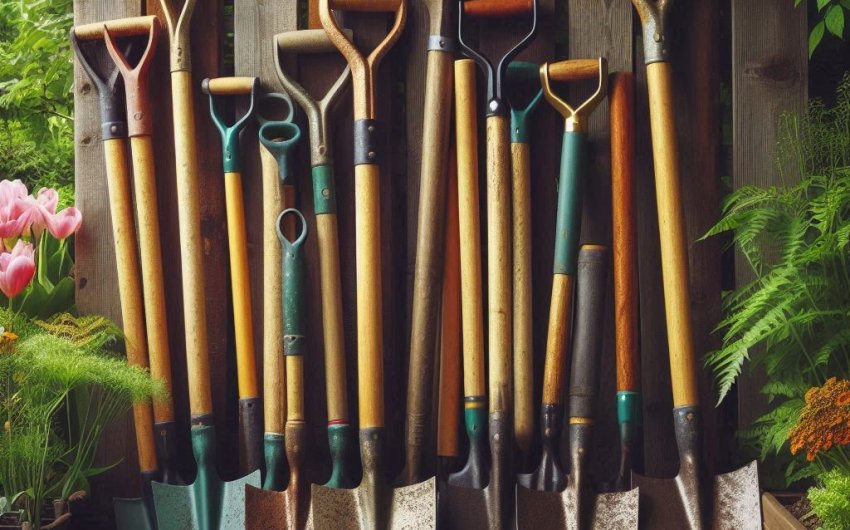
Selecting the optimal tool for breaking ground is a fundamental step for any gardener, whether you're establishing a new flowerbed or tackling a seasoned vegetable patch. The right garden spade can make the difference between a strenuous chore and an efficient, even enjoyable, digging experience. This comprehensive guide will help you understand the nuances of these essential tools and confidently choose the right garden spade for digging specific tasks.
Why Is Choosing the Right Garden Spade Important?
Many new gardeners might think a shovel is just a shovel, but when it comes to breaking ground, a garden spade is a specialized tool. Using the wrong spade for the job isn't just inefficient; it can lead to frustration, unnecessary strain on your body, and even damage to the tool itself. Understanding the nuances of these digging implements is key to a more productive and enjoyable gardening experience.
How Does the Right Spade Affect Efficiency?
The efficiency of your digging directly relates to the type of spade you're using. A spade designed for a specific task will cut through soil more easily, require less effort, and allow you to complete your work faster.
- Easier Penetration: A sharp, correctly shaped blade will slice into the soil with minimal resistance. For instance, a pointed or tapered blade excels at penetrating tough, compacted earth, while a broader, flatter blade is better for lifting and moving loose material. Trying to dig a trench with a square-bladed spade designed for moving compost will be much harder and slower.
- Reduced Effort: When the tool does the work, your body doesn't have to. The right blade angle, shaft length, and handle design reduce the strain on your back, arms, and shoulders. This means less fatigue, allowing you to work longer and more comfortably.
- Precision and Control: Some tasks, like transplanting a shrub or edging a bed, require precision. A specialized spade designed for these tasks offers better control, leading to cleaner cuts and less disturbance to surrounding plants or turf.
- Faster Completion: All these factors—easier penetration, reduced effort, and precision—combine to help you complete your digging tasks much more quickly. You'll spend less time struggling with an unsuitable tool and more time enjoying your garden.
- Less Soil Disturbance: When digging with the correct spade, you minimize unnecessary disruption to the surrounding soil structure and existing plant roots, leading to healthier garden beds.
How Does It Prevent Strain and Injury?
Gardening should be a pleasurable activity, not one that results in aches and pains. The ergonomic design and appropriate selection of a garden spade are crucial for preventing physical strain and potential injuries.
- Ergonomic Design: Modern garden spades often feature ergonomically designed handles and shaft lengths that promote proper posture and reduce bending or awkward movements. A D-handle spade allows for a firm, two-handed grip, while a T-handle offers more leverage for twisting.
- Leverage and Balance: The balance of the spade (how the weight is distributed) and the leverage it provides are key. A well-balanced spade feels lighter and easier to maneuver. The correct shaft length ensures you can use your body weight effectively to push the blade into the ground, rather than relying solely on arm strength.
- Reduced Muscle Fatigue: Using a spade that's too heavy, too short, or improperly balanced forces you to exert more effort than necessary, leading to rapid muscle fatigue. This increases the risk of strains, pulls, and aches, especially in the back and shoulders.
- Blister and Callus Prevention: Handles with comfortable grips, whether made of wood, fiberglass, or coated steel, help prevent blisters and calluses that can arise from repetitive motion with poorly designed tools. Consider gardening gloves for added protection.
- Spade vs. Shovel Distinction: Understanding that a spade is primarily for digging (cutting and lifting) and a shovel is for scooping and moving loose materials (like sand or gravel) helps prevent using the wrong tool in a way that could cause injury or damage the tool. Trying to scoop large amounts of heavy soil with a slender digging spade can strain your back and bend the blade.
- Foot Rests/Steps: Many quality digging spades feature a flat, reinforced step (or "foot rest") at the top of the blade. This allows you to comfortably use your foot to push the blade into the ground, maximizing force and reducing the need to bend over.
How Does It Ensure Tool Durability?
A quality garden spade is an investment. Choosing the right one for your tasks and understanding what makes a spade durable will ensure it lasts for many seasons, rather than breaking or bending under pressure.
- Blade Material:
- Carbon Steel: Common and durable. Needs proper cleaning and drying to prevent rust.
- Stainless Steel: More expensive but highly rust-resistant and easier to clean. Excellent choice for longevity. Look for stainless steel spades.
- Forged Steel: Indicates the steel has been hammered into shape, resulting in a stronger, denser, and more durable blade than stamped (cut from a sheet) steel. Forged spades are often the most robust.
- Blade Thickness: A thicker blade will resist bending or deforming under heavy loads or when hitting roots/rocks. While a thinner, sharp blade cuts better, a balance is needed for durability.
- Socket and Connection: The point where the blade meets the handle (the socket) is a common point of failure.
- Longer Sockets: A longer socket provides more support and a stronger connection.
- Rivets or Welds: High-quality spades use sturdy rivets or seamless welds for a secure connection. Avoid spades where the connection looks flimsy or only partially attached.
- Handle Material:
- Ash Wood: Traditional, strong, and flexible, offering a natural shock absorption. Needs occasional oiling to prevent drying and cracking. Look for straight, knot-free grain.
- Fiberglass: Extremely strong, lightweight, and weather-resistant. Doesn't rot or splinter. Can sometimes be less flexible than wood, leading to more shock transfer. Fiberglass handle spades are very popular.
- Steel (Tubular/Solid): Very durable but can be heavy and conduct cold. Often coated for comfort and grip.
- Proper Use: Using the right spade for the right job also contributes to its durability. Using a delicate edging spade to pry out large rocks will inevitably damage it.
What Are the Different Types of Garden Spades?
While they all fall under the umbrella of "spade," there's a surprising variety, each designed for specific digging tasks. Understanding these differences is the first step in choosing the perfect tool for your garden.
What is a Digging Spade?
The digging spade is the most common and versatile type, considered a workhorse for general garden tasks. It's designed for breaking new ground, turning soil, and digging planting holes.
- Blade Shape: Typically has a slightly rounded or pointed tip (sometimes called "round point") and slightly curved sides. This shape allows it to penetrate various soil types effectively.
- Blade Size: The blade is usually moderately sized, offering a good balance between digging depth and ease of lifting soil.
- Edge: Often has a sharpened edge for cutting through roots and compacted soil. Some come with a sharpened edge from the factory, or you can sharpen it yourself with a file.
- Foot Rest/Step: Most good digging spades will have a flat, turned-over edge at the top of the blade where you can apply pressure with your foot, enhancing digging power and comfort.
- Handles: Available with various handle types, including long straight handles, D-handles, or T-handles.
- Best Use: Ideal for digging new garden beds, preparing planting holes for larger plants (shrubs, small trees), turning over soil, and general earthmoving. A general purpose digging spade is a must-have for any gardener.
What is a Border Spade?
A border spade is essentially a scaled-down version of a digging spade. It's designed for working in more confined spaces, such as narrow borders or between existing plants, where a full-sized digging spade would be too cumbersome.
- Blade Shape: Similar to a digging spade, with a pointed or slightly rounded tip, but the blade is noticeably narrower and shorter.
- Blade Size: Its compact size allows for more precise digging in tight spots without disturbing nearby plants.
- Weight: Lighter than a full-sized digging spade, making it easier to maneuver with one hand if necessary.
- Best Use: Perfect for planting perennials and smaller shrubs, dividing overcrowded plants, working in raised beds, digging out weeds with deep taproots, and general digging in crowded areas. A border spade is a great secondary digging tool.
What is an Edging Spade?
An edging spade (also known as a lawn edger or half-moon edger) is specifically designed to create neat, clean edges around lawns, pathways, and garden beds. It's not for deep digging, but for precision cutting.
- Blade Shape: Most commonly features a flat, straight, sharp lower edge, often in a half-moon or crescent shape. Some variations have a straight rectangular blade.
- Blade Depth: The blade is relatively shallow, typically only 6-8 inches deep, as its purpose is surface-level cutting, not deep soil excavation.
- Foot Rest/Step: Often has a broad, comfortable foot rest to allow you to apply consistent pressure.
- Best Use: Primarily used for cutting crisp, defined edges between lawn and garden, trimming excess grass along driveways or patios, and creating shallow trenches for borders. It's an indispensable tool for achieving a polished look. A half-moon edger is excellent for maintaining neat lines.
What is a Trenching Spade?
A trenching spade (or drain spade) is a highly specialized tool designed for digging narrow, deep trenches, typically for installing pipes, cables, or drainage systems.
- Blade Shape: Very narrow and long, with a pointed or rounded tip. The blade sides are often straighter to create clean-cut trench walls.
- Blade Depth: Can be significantly deeper than a standard digging spade, sometimes up to 14-16 inches or more.
- Best Use: Ideal for digging narrow trenches for irrigation lines, electrical cables, drainage pipes, and sometimes for transplanting plants with very deep taproots. It's less effective for general digging due to its narrow blade. A trenching spade is a specialty tool for specific tasks.
What is a Transplanting Spade?
A transplanting spade is designed to minimize disturbance to the root ball of a plant when moving it. It often combines elements of other spades for this specific task.
- Blade Shape: Typically long and narrow with a sharp, pointed, or rounded tip. The slender blade allows it to cut deeply around a plant's root ball with minimal damage to surrounding soil.
- Blade Curvature: Often has a slight curve to the blade, which helps cradle the root ball as it's lifted.
- Best Use: Excellent for carefully digging up and moving established plants, shrubs, or small trees, especially in crowded garden beds where precision is needed. It helps preserve more of the root system. A transplanting spade is a valuable tool for relocating garden specimens.
What Blade Features Should You Consider?
The blade is the working end of your garden spade, and its design, material, and characteristics are paramount to its performance. Understanding these features will help you match the blade to your digging needs.
What Blade Material is Best?
The material of the spade's blade directly impacts its strength, durability, and resistance to corrosion.
- Carbon Steel:
- Pros: Very strong and durable, holds a good edge, relatively affordable.
- Cons: Prone to rust if not cleaned and dried properly after each use. Can develop a dark patina over time.
- Ideal For: General digging, heavy-duty tasks, where regular maintenance (cleaning/oiling) is part of your routine.
- Stainless Steel:
- Pros: Highly rust-resistant, easy to clean, glides through soil smoothly. Often polished and attractive.
- Cons: More expensive than carbon steel. While strong, some very thin stainless steel blades can bend under extreme prying force.
- Ideal For: Gardeners who prefer minimal maintenance, working in wet conditions, or those who appreciate a consistently clean-looking tool. A stainless steel spade is a premium option.
- Forged Steel: This refers to the manufacturing process, not just the steel type. Forging (heating and hammering) creates a denser, stronger, and more resilient blade than stamped (cut from a flat sheet) blades.
- Pros: Exceptional strength and durability, resists bending and breaking under heavy loads. Will typically last a lifetime if cared for.
- Cons: Often the most expensive option.
- Ideal For: Heavy-duty digging, breaking new ground, clay soils, rocky conditions, or for professional use. Look for "forged" in the product description for a truly robust tool.
What Blade Shape and Edge are Most Effective?
The shape of the blade and its edge determine how well the spade penetrates soil and performs specific tasks.
- Pointed/Rounded Tip (Tapered):
- Effectiveness: Excellent for initial penetration into tough, compacted soil, heavy clay, or areas with many roots. The pointed tip acts like a wedge.
- Best For: Digging new beds, breaking ground, digging post holes, general planting. Most digging spades and trenching spades have this shape.
- Square/Flat Tip:
- Effectiveness: Best for scooping and moving loose materials, scraping, or creating a flat bottom in a hole. Less effective for penetrating hard ground.
- Best For: Moving piles of soil, gravel, sand, cleaning up, working in raised beds with soft soil. (More common on "shovels" than dedicated "spades" for digging.)
- Slightly Curved Blade:
- Effectiveness: Helps cradle soil as it's lifted, reducing spillage. Also assists in cutting through soil by providing a slight angle.
- Best For: General digging, transplanting, moving soil.
- Flat, Straight Edge (Edging Spades):
- Effectiveness: Designed for creating clean, sharp vertical cuts. Not for deep digging.
- Best For: Edging lawns, creating shallow trenches.
- Sharpened Edge:
- Importance: A sharp blade slices through soil and roots much more easily than a blunt one, reducing effort and strain.
- Maintenance: Always keep your spade's edge sharp. Use a flat file or a grinding stone to maintain a good edge.
What Blade Size and Thickness are Ideal?
The size and thickness of the blade should be considered based on the task and your physical strength.
- Blade Size (Length/Width):
- Larger Blades: Good for moving more material per scoop, faster for large jobs, but heavier and harder to maneuver in tight spaces. More effort required to push into the ground.
- Smaller/Narrower Blades: (e.g., border spades, transplanting spades, trenching spades) Excellent for precision, working in confined areas, and digging deep narrow holes. Lighter and less effort to penetrate.
- Blade Thickness:
- Thicker Blades: More rigid, less likely to bend or warp when hitting rocks or roots, or when used for prying. Better for heavy-duty digging in tough conditions.
- Thinner Blades: Can be lighter and cut more cleanly through soft soil, but are more susceptible to bending if misused or if they encounter significant resistance. For general digging, a moderately thick blade offers the best balance of strength and cutting ability.
- Foot Rest/Step: Look for a spade with a comfortable, wide, and reinforced foot rest (sometimes called a "treaded blade"). This allows you to comfortably apply significant downward pressure with your foot, saving your back and arms. The larger and more robust the step, the better for heavy digging.
What Handle Features Should You Prioritize?
The handle of a garden spade is your primary point of contact with the tool. Its material, length, and shape directly influence comfort, leverage, and durability, and thus your overall digging experience.
What Handle Materials are Most Durable and Comfortable?
The material of the handle determines its strength, weight, and how it feels in your hands.
- Ash Wood:
- Pros: Traditional choice, strong yet flexible, which provides a natural shock absorption, reducing strain on your arms. Feels warm to the touch. Sustainable.
- Cons: Can splinter if not maintained, susceptible to rot if left exposed to moisture, requires occasional oiling. Can break if subjected to excessive prying or impact.
- Ideal For: General gardening, those who prefer a classic look and feel, and where shock absorption is valued. Look for straight, clear (knot-free) grain for maximum strength.
- Fiberglass:
- Pros: Extremely strong, lightweight, and highly durable. Impervious to rot, moisture, and pests. Does not splinter. Excellent for heavy-duty use.
- Cons: Can be more rigid, potentially transferring more shock to your hands than wood. Can feel colder to the touch in winter.
- Ideal For: Heavy-duty digging, frequent use, wet conditions, or for those who prioritize durability and low maintenance. Fiberglass handle spades are very popular for their resilience.
- Steel (Tubular or Solid):
- Pros: Very robust and durable. Often used in commercial or construction-grade tools.
- Cons: Can be heavier, prone to rust if coating is damaged, and conducts cold. Can be less comfortable to grip directly without a coating or grip.
- Ideal For: Extremely heavy-duty work, professional use, or situations where maximum strength is paramount. Often seen in trenching or post-hole spades.
What Handle Length is Right for You?
The length of the handle is crucial for ergonomics and leverage. What's right for one person might be uncomfortable for another.
- Long Handles (Straight Handles):
- Pros: Provide maximum leverage for deeper digging and moving larger amounts of soil. Good for taller individuals, reducing the need to bend over.
- Cons: Can be cumbersome in tight spaces. Less control for precise tasks.
- Ideal For: Tall individuals, deep digging, turning large garden beds.
- Short Handles (D-Handle, T-Handle):
- Pros: Offer greater control and maneuverability, especially in confined spaces or when working in a bent-over position (like kneeling). The D-handle allows for a firm, two-handed grip for pushing and twisting.
- Cons: Less leverage for deep digging, may require more bending for taller individuals, potentially leading to back strain.
- Ideal For: Smaller gardeners, working in raised beds, transplanting, edging, or digging smaller, precise holes. A D-handle digging spade is excellent for control.
- Matching to Your Height: A good rule of thumb is that the top of the handle should reach roughly your belly button or hip bone when the blade is flat on the ground. This allows you to leverage your body weight effectively. If possible, try out different lengths in person before purchasing.
What Handle Shape (Grip) is Best for Digging?
The shape of the handle at the top impacts grip comfort and how you apply force.
- D-Handle:
- Description: A classic and very popular grip, forming a "D" shape at the top.
- Pros: Allows for a firm, two-handed grip (one hand on the shaft, one on the D-grip), providing excellent control and leverage for pushing and twisting. Comfortable for short bursts of powerful digging. Good for lifting and emptying the spade.
- Cons: Less comfortable for sustained overhead gripping if you're very tall and using a shorter D-handle spade.
- Ideal For: General digging, moving soil, lifting, and any task requiring good control and twisting motion.
- T-Handle:
- Description: A simple "T" shape at the top of the handle.
- Pros: Offers a solid two-handed grip and good leverage for pushing down. Comfortable for one-handed scooping.
- Cons: Can be less ergonomic than a D-handle for lifting and twisting movements.
- Ideal For: Digging tasks where primarily downward force is applied, or when you might use one hand for stability.
- Straight/Long Handle (Without a specific top grip):
- Description: A continuous straight handle, often with a knob at the very end or just a tapered shaft.
- Pros: Offers the most reach and leverage for deep digging. Allows for varied hand positions.
- Cons: Can be less comfortable for sustained pushing or twisting actions compared to D or T handles.
- Ideal For: Very deep digging, reaching into large beds, or for very tall individuals.
- Grip Material: Some handles are coated with rubber or plastic for a more comfortable, non-slip grip, which can be beneficial, especially when working with wet hands or for extended periods.
How Do You Choose a Spade for Specific Digging Tasks?
The key to successful and comfortable digging is matching the spade to the job at hand. Different tasks demand different blade and handle characteristics.
What Spade for General Garden Digging?
For everyday garden tasks, you'll want a versatile workhorse that can handle a variety of soil types and common jobs.
- Recommended Type: A classic digging spade (also known as a garden spade or round point spade).
- Blade Features: Look for a medium-sized blade (around 7-8 inches wide, 11-12 inches long) with a pointed or slightly rounded tip for good penetration. Carbon steel (for durability and affordability) or stainless steel (for rust resistance and ease of cleaning) are both good choices. A sharp, durable edge is critical.
- Handle Features: A sturdy handle (ash wood or fiberglass) with a comfortable D-handle is generally preferred for good leverage and control when turning soil and lifting. A good foot rest is a must for applying body weight.
- Why it's Best: This combination offers the best balance of penetration, lifting capacity, and ergonomic comfort for breaking new ground, turning over soil, creating planting holes for most plants, and general earthmoving in a typical garden.
What Spade for Edging and Creating Clean Lines?
When you need precision and a crisp separation between different areas, a specialized edging tool is indispensable.
- Recommended Type: An edging spade (often called a lawn edger or half-moon edger).
- Blade Features: A flat, sharp, straight, or half-moon shaped blade is essential for creating clean vertical cuts. The blade should be relatively shallow (6-8 inches) as you're cutting turf, not digging deep.
- Handle Features: A sturdy handle with a broad, comfortable foot rest is important for applying consistent pressure with your foot. D-handles are common and provide good control.
- Why it's Best: Its unique blade shape is specifically designed for slicing through turf and soil along a defined line, providing a much neater and easier result than trying to use a general digging spade.
What Spade for Transplanting and Dividing Plants?
When moving or splitting plants, minimizing root disturbance is key to the plant's survival.
- Recommended Type: A transplanting spade or a narrow border spade.
- Blade Features: A long, narrow, and often slightly curved blade with a sharp, pointed tip. This allows it to cut deeply and cleanly around the root ball, preserving as much of the root system as possible, and then helping to cradle and lift it.
- Handle Features: A D-handle or T-handle can provide good control for delicate maneuvers. Length should be comfortable for your height when working closely with plants.
- Why it's Best: The slender blade allows for precision work in established beds, cutting around existing roots without excessive damage, making the relocation process less stressful for the plant.
What Spade for Digging in Tight Spaces or Raised Beds?
For areas where a full-sized spade is too cumbersome, a compact alternative is needed.
- Recommended Type: A border spade.
- Blade Features: Smaller and narrower than a general digging spade, typically with a pointed or rounded tip. Stainless steel is often a good choice here for its clean-cutting properties.
- Handle Features: A shorter handle, usually with a D-grip, provides better maneuverability and control in confined areas.
- Why it's Best: Its reduced size allows you to dig between closely planted shrubs or in narrow garden borders without damaging nearby plants. It's also ideal for the shallower depths of raised garden beds, preventing unnecessary bending.
What Spade for Heavy Clay or Rocky Soil?
Tackling challenging soil conditions requires a spade with superior strength and penetration power.
- Recommended Type: A heavy-duty digging spade, ideally one with a forged steel blade.
- Blade Features: A thick, robust blade, often with a pronounced pointed or rounded tip. Forged carbon steel is excellent for its sheer strength and resistance to bending when encountering rocks or dense clay. A very sturdy foot rest is essential for leverage.
- Handle Features: A strong fiberglass handle is highly recommended for its durability and resistance to shock and bending under extreme force. A robust D-handle provides the best grip and control.
- Why it's Best: This type of spade is built to withstand the immense pressure required to break through compacted clay or pry out rocks, reducing the risk of damage to the tool and strain on your body. The thicker, stronger blade will not flex or warp when facing tough resistance.
By considering your specific gardening tasks and matching them with the right blade, handle, and material characteristics, you can confidently choose the right garden spade for digging, turning what could be a laborious chore into an efficient and satisfying part of your gardening journey.