
How Can I Treat Browning Tips on My Snake Plant?
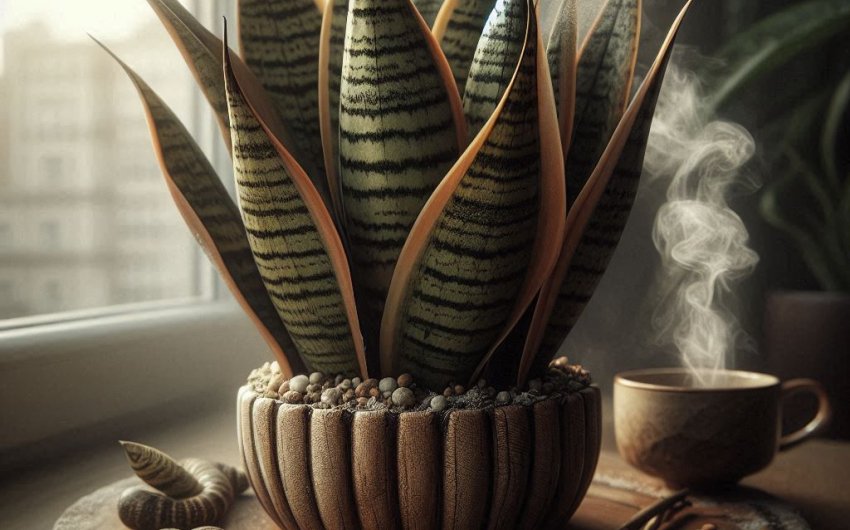
The snake plant (Sansevieria trifasciata), celebrated for its architectural form, upright sword-like leaves, and remarkable resilience, is a staple in homes and offices around the world. Often touted as virtually indestructible, even this famously low-maintenance houseplant can show signs of distress. One of the most common and perplexing issues is when the tips of its otherwise vibrant green leaves begin to turn brown. If you're observing this unsightly change and wondering, "How can I treat browning tips on my snake plant?" you're not alone. While seemingly robust, understanding the subtle environmental cues and care requirements is key to keeping your snake plant looking its absolute best.
Why Are My Snake Plant Tips Browning? Understanding the Causes
Browning leaf tips on a snake plant are a clear indicator that something in its environment or care routine is slightly off. Despite their toughness, they are sensitive to certain conditions. Most often, the problem boils down to issues related to water, humidity, or chemical exposure.
1. What Are the Signs of Underwatering?
While snake plants are drought-tolerant, prolonged periods without water can eventually lead to stress and visible symptoms.
- Symptoms:
- Brown, Crispy Tips/Edges: The browning will typically start at the very tip of the leaf and spread inwards, feeling dry and brittle.
- Curling/Wrinkling Leaves: The leaves may start to curl inwards or wrinkle longitudinally as they lose turgor.
- Dry Potting Mix: The soil will be completely dry and likely pulled away from the sides of the pot.
- Stunted Growth: Overall growth will slow or stop.
- Why it Happens: Although they store water in their thick leaves and rhizomes, snake plants still need water to survive and grow. If the soil remains dry for too long, the plant cannot absorb enough moisture, leading to dehydration and desiccation of the leaf tips, which are the furthest points from the water source.
- Solutions for Underwatering:
- Thorough Watering: When the soil is dry, water deeply and slowly until water drains freely from the bottom of the pot.
- Soak Method: If the soil is extremely dry and hydrophobic (repels water), place the entire pot in a basin of water for 30-60 minutes to allow it to rehydrate from the bottom up.
- Adjust Frequency: While you should still allow the soil to dry out almost completely between waterings, ensure you are watering before the plant reaches extreme drought conditions. Check the soil moisture every 2-4 weeks, especially during the warmer growing season. A soil moisture meter can be a good guide.
2. What Are the Signs of Overwatering and Root Rot?
This is, ironically, an even more common cause of browning tips, and a far more serious one, often leading to total plant collapse.
- Symptoms:
- Yellowing/Mushy Base: The browning tips may be accompanied by yellowing leaves, especially at the base near the soil line, or the entire leaf may feel soft and mushy.
- Foul Odor: A rotten or sour smell emanating from the soil.
- Mushy Stem/Rhizome: The base of the plant or the underground rhizomes may feel soft and squishy, indicating rot.
- Root Rot (when unpotted): Roots will appear dark brown or black, feel mushy, and may easily fall apart when touched. Healthy snake plant roots are firm and light tan/white.
- Why it Happens: Snake plants are extremely susceptible to root rot due to consistently wet soil. Their thick, succulent-like leaves and rhizomes are designed for water storage, not for absorbing large amounts of water from continuously damp soil. Saturated soil deprives roots of oxygen, leading to decay.
- Solutions for Overwatering/Root Rot: (Immediate and aggressive action is often required)
- Stop Watering: Do not water the plant until the soil has dried out significantly, or completely.
- Improve Drainage:
- Crucial: Always use pots with drainage holes. This is non-negotiable for snake plants.
- Use a very well-draining, gritty potting mix for succulents and cacti. A standard houseplant mix may retain too much moisture. You can amend standard mix with extra perlite or coarse sand.
- Check and Treat Root Rot:
- Unpot the plant: Gently remove the snake plant from its pot.
- Inspect roots and rhizomes: Examine for signs of rot (mushy, dark, foul-smelling parts).
- Prune rot: Using sterilized pruning shears, cut away all affected roots and any mushy parts of the rhizome or leaf base. Cut back to healthy, firm tissue.
- Allow to Callus: If you cut into the main rhizome or base of the leaf, allow the cut surfaces to air dry and form a callus for a few days before repotting. This prevents further rot.
- Repot: Repot into a clean pot (or the same one, sterilized) with fresh, dry, well-draining succulent/cactus potting mix.
- Delay Watering: Do NOT water immediately after repotting. Wait at least a week, sometimes two, to allow the plant to settle and any trimmed roots/rhizomes to heal.
3. How Does Low Humidity Affect Snake Plants?
While tolerant of dry conditions, extremely low humidity can still manifest as tip browning.
- Symptoms:
- Crispy, Brown Tips: Similar to underwatering, but the soil moisture may be fine.
- Slow, Stagnant Growth: Overall vitality may be reduced.
- Why it Happens: Despite their resilience, extremely arid indoor environments can cause some water stress, particularly at the leaf tips, which are furthest from the plant's water reserves.
- Solutions for Low Humidity:
- Humidifier (if needed): In very dry climates or heated homes, a room humidifier can benefit the plant (and you!).
- Pebble Tray: Place the pot on a tray filled with pebbles and water (ensure the pot is not sitting in the water). As the water evaporates, it creates a slightly more humid microclimate.
- Avoid Misting: Misting is generally not recommended for snake plants as it can sit in the crevices of the leaves and promote fungal issues.
4. Can Tap Water Quality Be a Cause?
Tap water often contains chemicals or mineral salts that can accumulate in the soil and affect sensitive plants.
- Symptoms:
- Brown Tips and Edges: Browning that appears on the tips and sometimes the edges of the leaves, similar to salt burn.
- White Crust on Soil: A visible white crust on the surface of the potting mix or on the outside of terra cotta pots, indicating mineral salt buildup.
- Why it Happens:
- Chlorine/Fluoride: Some snake plants can be sensitive to chlorine or fluoride found in tap water, causing tip burn.
- Mineral Salt Buildup: Over time, dissolved salts from hard water or fertilizers accumulate in the soil. These salts can "burn" the roots and draw moisture out of the leaves, leading to tip browning.
- Solutions for Water Quality:
- Filter Water: Use filtered water or allow tap water to sit out for 24 hours (for chlorine to dissipate, but not fluoride).
- Leaching the Soil: Every few months, thoroughly flush the soil by watering deeply and slowly for several minutes, allowing large amounts of water to drain from the bottom. This washes out excess mineral salts.
- Rainwater/Distilled Water: If practical, using rainwater or distilled water can completely eliminate tap water issues.
5. What About Over-Fertilization?
While snake plants are light feeders, too much fertilizer can also cause chemical burn.
- Symptoms:
- Brown, Crispy Tips/Edges: Very similar to salt burn from tap water, as fertilizer is essentially concentrated salts.
- White Crust: Fertilizer salt buildup can be visible on the soil surface.
- Why it Happens: Excess fertilizer salts damage roots, preventing them from taking up water and nutrients, leading to tip burn.
- Solutions for Over-Fertilization:
- Fertilize Sparingly: Snake plants rarely need much fertilizer. Fertilize only during the growing season (spring and summer) every 2-3 months with a balanced liquid houseplant fertilizer diluted to half or quarter strength.
- Flush the Soil: As described above, regularly leach the soil to prevent salt buildup.
6. Can Physical Damage Cause Browning Tips?
Sometimes, the simplest explanation is the right one.
- Symptoms:
- Isolated Browning: Only one or a few tips are affected, not a general pattern across the plant.
- Clear Line: A sharp line between green and brown tissue.
- Why it Happens: Accidental bumping, dropping, or even curious pets can damage the tips of leaves. Once the tissue is damaged, it will brown.
- Solutions for Physical Damage:
- Pruning: You can carefully trim off the brown tip with clean, sharp scissors, following the natural shape of the leaf to make it less noticeable. The damage won't heal, but it won't spread either.
- Relocate: Move the plant to a less trafficked area if it's getting constantly bumped.
How Do You Prevent Browning Tips on Your Snake Plant?
The best defense is a consistent and appropriate care routine tailored to your snake plant's specific needs.
1. Perfect Your Watering Technique
- "Forgetful" Watering: This is the key. Allow the soil to dry out almost completely between waterings. For many, this means watering every 2-4 weeks, or even longer in winter. It's better to underwater than overwater a snake plant.
- Check Deeply: Don't just check the surface. Stick your finger deep into the soil (2-3 inches or more) or use a moisture meter.
- Seasonality: Adjust watering frequency significantly down in fall and winter when the plant is dormant and light levels are low.
2. Ensure Excellent Drainage
- Pots with Drainage Holes: Absolutely essential. No exceptions.
- Gritty Potting Mix: Use a succulent and cactus potting mix or amend a standard houseplant mix with 30-50% perlite or coarse sand for superior drainage.
- Right Pot Size: Avoid putting a small snake plant in a very large pot, which holds too much moisture.
3. Provide Optimal Light
- Bright, Indirect Light is Ideal: While snake plants tolerate low light, they thrive and grow best in bright, indirect light. This also helps the soil dry out more efficiently.
- Avoid Harsh Direct Sun: Intense afternoon sun can scorch the leaves.
4. Manage Water Quality and Fertilization
- Filtered Water: If your tap water is hard or heavily chlorinated, consider using filtered water or letting tap water sit overnight.
- Flush Soil Regularly: Every few months, water very thoroughly to leach out accumulated mineral salts.
- Minimal Fertilization: Fertilize sparingly, if at all. Only during the growing season (spring/summer) at a diluted strength.
5. Consider Humidity and Environment
- Stable Temperatures: Keep your snake plant in a room with consistent temperatures, avoiding cold drafts or extreme heat.
- Average Room Humidity: They generally do well in average home humidity, but if your home is extremely dry, a pebble tray can help without wetting the leaves directly.
Addressing browning tips on your snake plant effectively means playing detective to uncover the underlying cause. While these resilient plants are often advertised as foolproof, a little attention to their specific needs for proper watering, well-draining soil, and stable environmental conditions will ensure your snake plant remains a striking, healthy, and tip-top addition to your indoor plant collection.