
Why Does My Spider Plant Have Brown Stripes on the Leaves?
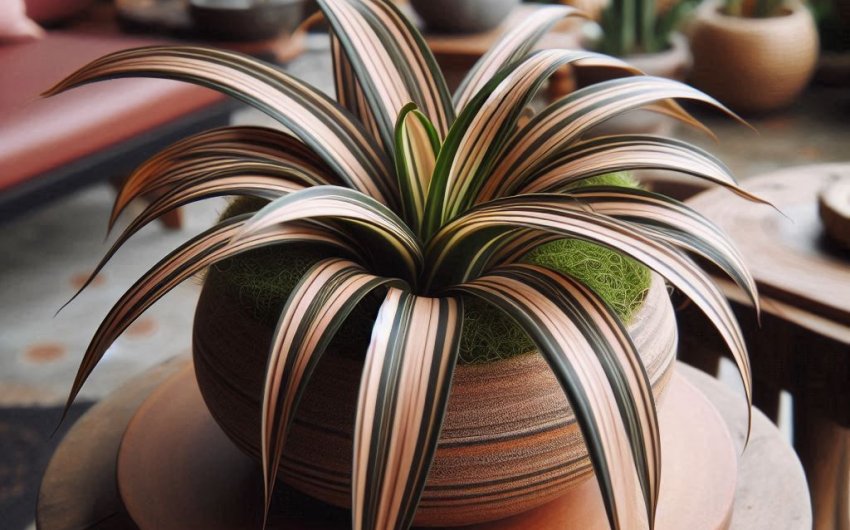
It's a common and often perplexing sight for plant parents when you notice brown stripes on the leaves of your spider plant. These brown marks, whether appearing as streaks along the leaf margins or crisp, dry patches, are usually a clear signal that something in your spider plant's environment or care routine isn't quite right. Don't worry, spider plants are generally resilient, but understanding the specific reasons behind these brown streaks is the first step to helping your beloved plant thrive again. This comprehensive guide will explore all the likely culprits and offer actionable solutions to restore your spider plant's vibrant green and white foliage.
Why are the Tips of My Spider Plant Turning Brown?
Browning leaf tips are perhaps the most frequently observed issue with spider plants. While seemingly minor, they are a tell-tale sign that your plant is experiencing some form of stress. This usually points to issues related to water quality or humidity.
What is the Main Cause of Brown Tips on Spider Plants?
The most common reason for brown tips on spider plant leaves is a buildup of minerals and chemicals in tap water. Spider plants are sensitive to salts, chlorine, fluoride, and other additives often found in municipal water supplies. These substances accumulate in the soil over time and are absorbed by the plant. As the water evaporates from the leaves, especially at the tips where transpiration is most active, these dissolved minerals are left behind, causing cell damage and leading to the characteristic browning and crisping.
How Does Water Quality Affect Spider Plant Leaves?
Poor water quality directly impacts the health of your spider plant. Here's a closer look:
- Chlorine and Fluoride: These chemicals, used to treat tap water, can be toxic to spider plants when absorbed in significant quantities. They interfere with the plant's cellular processes, leading to leaf tissue damage.
- Mineral Salts: Hard water contains high levels of dissolved minerals like calcium and magnesium. While not directly toxic, their accumulation in the soil can create an osmotic imbalance, making it harder for the plant to absorb water efficiently. This leads to dehydration symptoms, even if the soil appears moist.
- Nutrient Lockout: An excess of certain minerals can also "lock out" other essential nutrients, making them unavailable to the plant. This can lead to various deficiencies that further stress the plant and contribute to browning.
What Are the Best Watering Practices to Prevent Browning?
To combat brown tips caused by water quality, adjust your watering routine:
- Use Filtered Water: If possible, use filtered water or distilled water for your spider plant. A Brita filter pitcher can significantly reduce chlorine and other impurities.
- Rainwater: Collecting rainwater is an excellent, free, and natural option as it's typically free of chlorine, fluoride, and excess minerals.
- Let Tap Water Sit: If filtered or rainwater isn't feasible, fill a watering can with tap water and let it sit uncovered for at least 24 hours. This allows chlorine to dissipate into the air. While it doesn't remove fluoride or mineral salts, it's a good first step.
- Water Thoroughly: When you do water, water until it drains from the bottom of the pot. This helps flush out accumulated salts from the soil.
- Avoid Overwatering: While related to water, overwatering is a separate issue causing root rot. Only water when the top 1-2 inches of soil feel dry to the touch. Use a moisture meter for accuracy.
Can Underwatering or Overwatering Cause Brown Stripes?
Yes, both extremes in watering can lead to your spider plant's leaves turning brown, though the symptoms might differ slightly from the typical brown tips caused by mineral buildup. Understanding the nuances is key to correct diagnosis.
How Does Underwatering Affect Spider Plant Leaves?
Underwatering leads to a lack of moisture throughout the plant. When a spider plant is consistently thirsty, its cells begin to dehydrate and collapse, particularly in areas furthest from the water source.
- Symptoms:
- Crispy, dry brown stripes or patches, often starting at the tips and edges, but can spread inward.
- Drooping or wilting leaves that feel limp rather than firm.
- Slow growth or stunted development.
- Lightweight pot when lifted, indicating dry soil.
- Solution:
- Increase watering frequency: Check the soil moisture more often. Water when the top 1-2 inches are dry.
- Soak thoroughly: When watering, ensure water drains from the bottom. If the soil is extremely dry and compacted, the water might run straight through without being absorbed. In this case, try bottom watering by placing the pot in a saucer of water for 20-30 minutes, allowing the soil to soak up moisture from the bottom.
- Adjust watering based on season: Spider plants need more water during their active growing season (spring and summer) and less in winter.
How Does Overwatering Affect Spider Plant Leaves?
Overwatering is a common mistake and can be more detrimental than underwatering as it leads to root rot. When roots are constantly sitting in soggy soil, they suffocate and begin to decay, preventing the plant from absorbing water and nutrients, even if they are present.
- Symptoms:
- Brown or black, mushy stripes or patches, often starting at the base of the leaves and spreading upward.
- Yellowing leaves in addition to browning.
- Soft, mushy stems.
- Foul smell from the soil (a sign of root rot).
- Stunted growth or wilting, despite wet soil.
- Solution:
- Improve drainage: Ensure your pot has drainage holes. If not, repot into a pot with proper drainage.
- Use well-draining soil: A mix designed for houseplants, often containing perlite or sand, is ideal. You can find well-draining potting mix online.
- Allow soil to dry out: Wait until the top 1-2 inches of soil are dry before watering again. Stick your finger into the soil to check.
- Check for root rot: If you suspect root rot, gently remove the plant from its pot. Trim away any mushy, black, or smelly roots with clean, sharp scissors. Repot into fresh, well-draining soil and a clean pot (or wash the old one thoroughly).
- Empty saucer: Never let your plant sit in standing water in its saucer for extended periods.
What Role Does Humidity Play in Brown Leaves?
Humidity is often overlooked but can be a critical factor for spider plants, especially in dry indoor environments. These plants are native to tropical and subtropical regions where humidity levels are naturally higher.
Why Do Spider Plants Need Adequate Humidity?
When the air is too dry, spider plants lose moisture from their leaves faster than their roots can absorb it from the soil. This increased rate of transpiration can lead to localized dehydration, particularly at the leaf tips, even if the soil moisture is adequate. The symptoms often mimic those of underwatering or mineral burn, appearing as crisp, dry brown leaf edges or tips.
How Can You Increase Humidity for Your Spider Plant?
- Pebble Tray: Place the pot on a tray filled with pebbles and water. Ensure the bottom of the pot does not sit directly in the water, as this can lead to root rot. As the water evaporates from the tray, it increases humidity around the plant. You can buy pebble trays for plants.
- Misting: Lightly mist your spider plant's leaves with a fine-mist spray bottle daily or every other day. Use filtered or distilled water to avoid mineral spots on the leaves. While misting provides a temporary boost, it's not a long-term solution.
- Humidifier: For consistent humidity, especially in very dry climates or during winter when heating systems dry out the air, a room humidifier is the most effective solution. A small room humidifier placed near your plants can make a significant difference.
- Grouping Plants: Grouping several plants together can create a localized microclimate with higher humidity as plants release moisture through transpiration.
- Location: Keep your spider plant away from drafts from heating or air conditioning vents, which can severely dry out the air around them.
Could Too Much or Too Little Light Be the Problem?
Light is fundamental for photosynthesis, and incorrect light levels can certainly stress a spider plant, leading to a decline in health and potentially brown areas on the leaves.
What are the Ideal Light Conditions for Spider Plants?
Spider plants thrive in bright, indirect light. They prefer a location where they receive plenty of ambient light but are protected from direct, harsh sun exposure. Think of the conditions under a canopy of trees in their natural habitat.
- Bright, Indirect Light: This means a spot near an east-facing window, or a few feet away from a south or west-facing window where the light is filtered by sheers or other objects.
- Moderate Light: They can also tolerate moderate light conditions, though their growth might be slower, and variegation (the stripes on the leaves) might become less pronounced.
How Does Incorrect Light Cause Browning?
- Too Much Direct Sunlight:
- Symptoms: Brown, scorched patches or stripes on the leaves, especially on the top surfaces directly exposed to the sun. The leaves might also appear faded or bleached, losing their vibrant color. This is essentially sunburn.
- Solution: Move your plant to a shadier spot or use sheer curtains to diffuse the light.
- Too Little Light:
- Symptoms: While less likely to cause outright brown stripes, consistently low light can lead to pale, yellowing leaves, stretched-out growth (etiolation), and overall weak plant health, making it more susceptible to other issues that could manifest as browning. The distinct white or cream stripes might also fade, making the plant appear more uniformly green.
- Solution: Move your plant to a brighter location. If natural light is insufficient, consider using a grow light for a few hours a day.
Is Fertilizer Causing Brown Stripes on My Spider Plant?
Fertilizer is essential for plant growth, but too much of a good thing can indeed harm your spider plant, leading to what's known as fertilizer burn.
How Does Over-Fertilization Harm Spider Plants?
Over-fertilization means there's an excess of salts and minerals in the soil, even more so than those found in tap water. These concentrated salts draw moisture out of the plant's roots through a process called osmosis, effectively dehydrating the plant from the inside out.
- Symptoms:
- Brown, crispy leaf tips and edges, very similar to mineral burn from tap water, but often more severe and rapid.
- Yellowing of lower leaves.
- Stunted growth despite apparent nutrient availability.
- White crust on the surface of the soil or around the drainage holes, indicating salt buildup.
- Root damage, leading to wilting even when the soil is moist.
- Solution:
- Flush the soil: The most immediate solution is to flush the soil. Place the pot in a sink or shower and run a generous amount of plain, filtered water through the soil for several minutes. This helps dissolve and wash away excess salts. Repeat this process a few times over the next week.
- Reduce frequency and dosage: Fertilize only during the active growing season (spring and summer) and at half the strength recommended on the product label.
- Use balanced fertilizer: A balanced liquid houseplant fertilizer like a 10-10-10 or 20-20-20 formula is generally suitable.
- Avoid fertilizing dormant plants: Do not fertilize in fall or winter when the plant's growth slows down.
- Repot if severe: In severe cases of fertilizer burn, repotting the plant into fresh, clean soil might be necessary.
How Does Under-Fertilization Affect Leaf Color?
While less likely to cause distinct brown stripes, under-fertilization can lead to overall poor plant health, which might make the plant more susceptible to browning from other causes.
- Symptoms:
- Pale green or yellowing leaves (especially older leaves).
- Stunted growth and fewer spiderettes.
- Lack of vibrancy in the leaf variegation.
- Solution: Introduce a regular, but moderate, fertilization schedule during the growing season.
Could the Pot or Soil Be Causing Brown Stripes?
The container your spider plant lives in and the soil it's planted in are crucial to its well-being. Issues with either can directly contribute to brown stripes on the leaves.
Why is Proper Pot Size Important?
- Too Small: If the pot is too small, the roots become cramped (root-bound). This limits the amount of soil available to hold moisture and nutrients, leading to rapid drying out and nutrient deficiencies. A root-bound spider plant can't absorb enough water, causing leaves to brown and crisp from dehydration.
- Too Large: A pot that is too large holds excessive moisture, which can lead to soggy soil and root rot, especially if the soil isn't drying out sufficiently between waterings. As discussed earlier, root rot manifests as brown, mushy stripes and yellowing.
Solution:
- Repotting: Repot your spider plant into a pot that is only 1-2 inches larger in diameter when it becomes root-bound. You'll see roots circling the inside of the pot or growing out of the drainage holes. The ideal time to repot is in spring or early summer.
- Drainage Holes: Always choose pots with drainage holes to prevent water from accumulating at the bottom and causing root rot.
What is the Ideal Soil Mix for Spider Plants?
The type of soil you use significantly impacts water retention and drainage.
- Poorly Draining Soil: Heavy, dense soil (like garden soil or cheap potting mixes) retains too much water, suffocating roots and leading to root rot.
- Too Fast Draining Soil: While good drainage is key, soil that drains too quickly (e.g., pure perlite) might not retain enough moisture for the plant, leading to frequent underwatering.
Solution:
- Well-Draining Potting Mix: Use a high-quality, well-draining potting mix specifically formulated for houseplants. A good mix typically contains ingredients like:
- Peat moss or coco coir: For moisture retention.
- Perlite or pumice: For aeration and drainage. You can purchase perlite for plants.
- Compost or worm castings: For nutrients.
- Amendments: You can amend standard potting mix with additional perlite (1 part perlite to 3 parts potting mix) to improve drainage further.
- Refresh Soil: Over time, potting soil can compact and lose its structure. Repotting with fresh soil every 1-2 years revitalizes the growing medium.
Can Pests or Diseases Cause Brown Stripes?
While less common than environmental factors, pests and diseases can also contribute to the browning or disfigurement of spider plant leaves. It's always wise to inspect your plant for any unwelcome visitors.
What Pests Affect Spider Plants and Cause Browning?
- Spider Mites: Despite the name, spider mites are tiny arachnids that feed on plant sap. They are difficult to see with the naked eye but their presence is indicated by fine webbing on the undersides of leaves or in leaf axils. Their feeding causes tiny yellow or brown spots that can coalesce into brownish patches or stripes as the damage spreads. The leaves might also look dull or dusty.
- Solution: Isolate the plant. Blast them off with a strong spray of water. Treat with neem oil spray or insecticidal soap, following product instructions. Repeat applications are usually necessary.
- Mealybugs: These are small, white, cottony insects that cling to stems and leaf undersides, sucking plant sap. Their feeding can cause leaves to yellow, distort, and eventually brown.
- Solution: Dab them with a cotton swab dipped in rubbing alcohol. For larger infestations, use insecticidal soap or neem oil.
- Aphids: Small, pear-shaped insects that can be green, black, or brown. They cluster on new growth and leaf undersides, feeding on sap. Heavy infestations can lead to distorted, yellowing, and browning leaves.
- Solution: Rinse them off with water or use insecticidal soap.
What Diseases Can Cause Brown Spots or Stripes?
Serious fungal or bacterial diseases are relatively rare in spider plants unless conditions are consistently poor (e.g., extreme overwatering and poor air circulation leading to root rot).
- Fungal Leaf Spot: Characterized by circular or irregular brown spots, sometimes with a yellow halo. These are usually a result of prolonged wet leaves and high humidity.
- Solution: Improve air circulation, reduce misting, and ensure leaves dry quickly after watering. Remove affected leaves. In severe cases, a fungicide might be considered, but prevention is best.
- Root Rot: As discussed under overwatering, root rot is a disease caused by fungi thriving in anaerobic (low oxygen) conditions. It manifests as overall plant decline, with yellowing and brown, mushy leaves progressing from the base.
- Solution: Repotting, trimming rotten roots, and improving drainage and watering habits.
How Do Temperature Fluctuations and Cold Drafts Affect Spider Plants?
Spider plants are generally robust, but sudden or extreme changes in temperature can shock them, leading to visible damage, including browning on the leaves.
Why Are Consistent Temperatures Important?
Spider plants prefer a consistent indoor temperature range, typically between 65°F and 75°F (18°C and 24°C). They are not fans of extreme heat or cold.
- Cold Damage:
- Symptoms: Exposure to cold drafts or temperatures below 50°F (10°C) can cause leaves to turn black or dark brown and become mushy. This damage often appears along the edges or in patches where the cold air hits directly. Severe cold can kill entire sections of the plant.
- Solution: Move your plant away from drafty windows, exterior doors, or air conditioning vents. Protect it during winter by ensuring it's not near uninsulated windows or in unheated rooms.
- Heat Stress:
- Symptoms: While less common for indoor plants unless placed near a heating vent or radiator, excessive heat combined with low humidity can lead to leaves becoming crispy and brown, similar to underwatering or sunburn. The plant might look generally stressed and wilted.
- Solution: Ensure good air circulation. Move the plant away from heat sources. Increase humidity if the air is also dry.
Can Physical Damage or Old Age Cause Brown Stripes?
Sometimes, the simplest explanations are the correct ones. Not every brown mark is a sign of a severe underlying problem.
How Does Physical Damage Affect Leaves?
- Mechanical Injury: Accidental bending, tearing, or crushing of leaves can cause the damaged area to turn brown or black as the cells die. This can happen during repotting, moving the plant, or even if the leaves rub against a wall or furniture.
- Pet Damage: Curious pets might chew on leaves, leading to jagged edges that brown over time.
- Solution: Be mindful when handling your plant. Place it in a location where it's less likely to be bumped or disturbed. Consider pet-proofing measures if necessary (though spider plants are generally non-toxic to pets, chewing can still damage the plant).
Do Spider Plant Leaves Naturally Age and Brown?
Yes, like all living things, spider plant leaves have a lifespan.
- Natural Senescence: As leaves age, particularly the oldest, outermost ones, they naturally start to yellow and then brown before eventually dying off. This is a normal part of the plant's life cycle.
- Symptoms: The browning usually starts at the tips or edges of the oldest leaves and progresses inward. It's typically a slow process, not sudden or widespread.
- Solution: Simply prune off the old, brown leaves with clean, sharp scissors or pruners. This directs the plant's energy towards new growth and improves its overall appearance.
A Quick Guide to Diagnosing Brown Stripes on Your Spider Plant
To help you troubleshoot and pinpoint why your spider plant has brown stripes on its leaves, here’s a quick diagnostic table.
| Symptom & Location | Most Likely Cause(s) | Distinguishing Characteristics |
|---|---|---|
| Crispy, dry brown tips | Mineral/Chemical Buildup (tap water) | Tips are uniformly dry and crisp; rest of leaf may look healthy. No foul smell. |
| Crispy, dry brown edges | Low Humidity, Underwatering, Direct Sun, Fertilizer Burn | Dryness along entire leaf margin. Low humidity often accompanies dry air. Underwatering has limp leaves. Sunburn shows scorched spots. |
| Brown & mushy stripes/spots | Overwatering, Root Rot, Cold Damage | Leaves feel soft, soggy, or black. Foul smell from soil. Plant may be wilting despite wet soil. Cold damage often darkens rapidly. |
| Brown patches/spots on surface | Direct Sun (sunburn), Physical Damage, Pest Activity | Sunburn often on top. Physical damage is irregular. Pests may leave tiny spots, webbing, or visible insects. |
| Browning on oldest leaves | Natural Aging | Gradual yellowing then browning on outer, lower leaves. New growth looks healthy. |
| White crust on soil | Fertilizer Burn, Mineral Buildup (tap water) | Visual cue indicating salt accumulation. Often accompanies crispy tips. |
Step-by-Step Action Plan to Revive Your Spider Plant
Once you've identified the likely cause for your spider plant's brown stripes, it's time to take action. Follow these steps to help your plant recover.
Assess Your Watering Habits:
- Check Soil Moisture: Stick your finger 1-2 inches into the soil. Is it wet, damp, or dry?
- Adjust Frequency: Water only when the top 1-2 inches are dry. If it's soggy, let it dry out more. If bone dry, water thoroughly.
- Improve Drainage: Ensure your pot has drainage holes. If not, repot immediately into a suitable container with good drainage.
- Water Quality: Switch to filtered, distilled, or rainwater if possible. If using tap water, let it sit out for 24 hours.
Evaluate Your Light Conditions:
- Location: Is your plant in direct, harsh sunlight? Or is it in a very dark corner?
- Relocate: Move it to a spot with bright, indirect light. East-facing windows are often ideal. A few feet from a south or west window also works.
Address Humidity Levels:
- Current Environment: Is your home dry, especially in winter?
- Boost Humidity: Use a pebble tray, group plants, mist regularly (with filtered water), or invest in a room humidifier for consistent moisture.
Review Your Fertilization Schedule:
- Frequency: How often are you fertilizing? What dosage are you using?
- Adjust: Fertilize only during spring and summer, at half strength, and never more than once a month. If you suspect over-fertilization, flush the soil thoroughly.
Inspect for Pests and Diseases:
- Visual Check: Carefully examine the tops and undersides of leaves, stems, and soil for any signs of insects, webbing, or unusual spots.
- Treat: If pests are present, treat immediately with appropriate methods like neem oil or insecticidal soap. Remove severely affected leaves.
Consider Repotting and Soil Quality:
- Root Check: Gently remove the plant from its pot. Are roots circling tightly? Are they mushy or black?
- Repot: If root-bound or if soil is compacted/poorly draining, repot into a slightly larger pot with fresh, well-draining potting mix. Trim any rotten roots if root rot is present.
Prune Damaged Leaves:
- Trim: Once you've identified and addressed the underlying cause, use clean, sharp scissors to trim off the brown portions of the leaves or remove entire brown leaves. Cut along the natural shape of the leaf to maintain aesthetics. This won't reverse the damage, but it will make your plant look better and direct its energy to healthy growth.
Be Patient and Observe:
- Recovery Takes Time: Plants don't recover overnight. It can take weeks or even months to see significant improvement.
- Monitor: Continuously observe your spider plant for new signs of distress or improvement. Adjust your care as needed.
By systematically going through these steps, you'll be able to identify why your spider plant has brown stripes on its leaves and take the necessary actions to help it recover and thrive, bringing back its signature vibrant green and white foliage. Remember, healthy spider plants are happy spider plants!