
How Can I Revive My Dying Jade Plant with Black Spots?
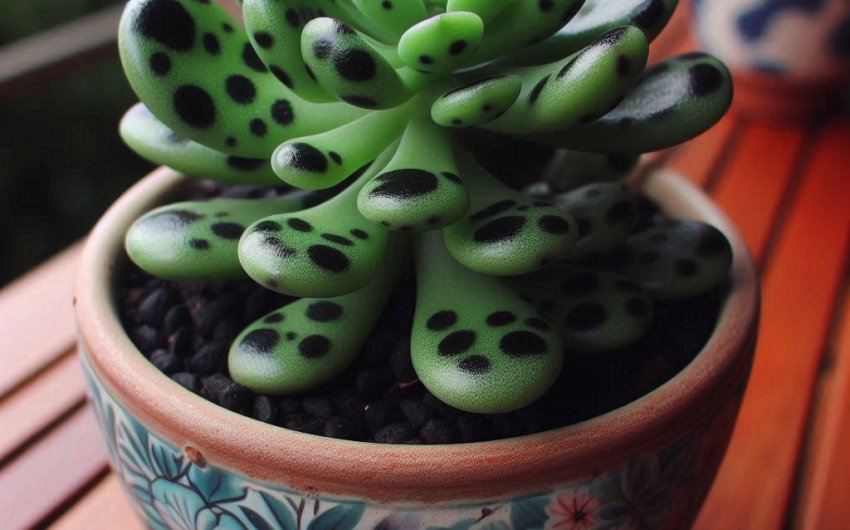
Witnessing your once-vibrant jade plant succumb to dark blemishes can be alarming, signalling underlying issues that need immediate attention. Effectively understanding how to revive your dying jade plant with black spots involves a methodical approach to diagnose the problem, implement corrective measures, and establish optimal growing conditions to prevent future decline. This comprehensive guide will walk you through the troubleshooting steps to bring your beloved succulent back to health.
Why Are There Black Spots on Your Jade Plant?
Black spots on a jade plant are a distress signal, indicating that something in its environment or care routine is off. Unlike simple dirt, these spots are usually a symptom of a more serious underlying problem that, if left unaddressed, can lead to significant plant decline or even death. Identifying the precise cause is the first critical step in effective revival.
What are the Common Causes of Black Spots on Jade Plants?
Several factors can lead to black spots appearing on your jade plant leaves or stems, ranging from environmental stressors to fungal issues.
- Overwatering (Most Common Cause):
- Explanation: Jade plants are succulents and store water in their leaves and stems. They are extremely susceptible to overwatering. Excess moisture in the soil suffocates roots, leading to root rot.
- Symptoms: Black spots can appear as soft, mushy patches on leaves or stems (often turning black as tissue dies), or the entire plant may become squishy and eventually collapse. Leaves may also turn yellow and drop. The soil often smells stale or rotten.
- Fungal Infections:
- Explanation: While jade plants are generally hardy, certain fungi (like those causing anthracnose or various leaf spot diseases) can take hold, especially in humid conditions or if water sits on the leaves for too long.
- Symptoms: Spots may appear as well-defined black, brown, or purplish lesions, sometimes with a defined border or halo. They might spread over time.
- Bacterial Infections:
- Explanation: Less common than fungal issues, but certain bacteria can cause soft, watery black spots, often accompanied by a foul odor as tissue decays.
- Symptoms: Similar to fungal spots but often more rapidly spreading and mushy, sometimes with an unpleasant smell.
- Cold Damage:
- Explanation: Jade plants are sensitive to cold temperatures (below 50°F or 10°C) and frost. Exposure can cause cell damage.
- Symptoms: Leaves may turn black, translucent, or mushy, particularly around the edges or tips. The damage occurs rapidly after exposure.
- Sunburn / Intense Light:
- Explanation: While jade plants love bright light, a sudden change to intense, direct sun (e.g., moving an indoor plant outdoors without acclimatization) can scorch the leaves.
- Symptoms: Black or brown crispy spots, often appearing as dry, sunken patches where the sun's rays were most intense. The spots are usually dry, not mushy.
- Pests (Indirect Cause):
- Explanation: While pests don't directly cause black spots, severe infestations (like scale insects or mealybugs) can weaken the plant, making it more susceptible to secondary fungal infections, which then manifest as black spots. Their excretions (honeydew) can also lead to sooty mold, which is black but usually powdery, not sunken.
- Symptoms: Sticky residue on leaves, visible insects, stunted growth, followed by secondary infections causing black spots.
- Lack of Nutrients / Nutrient Imbalance:
- Explanation: While less common for immediate black spots, severe nutrient deficiencies can weaken a plant, making it more vulnerable to other problems. Iron deficiency, for example, can sometimes cause dark spots on some plants, but is rare for jade.
- Symptoms: Overall poor growth, pale leaves, sometimes followed by secondary infections.
How to Distinguish Between Causes?
Observing the characteristics of the black spots and the overall plant health can help pinpoint the problem.
| Symptom Feature | Overwatering/Root Rot | Fungal Infection | Cold Damage | Sunburn/Light Stress |
|---|---|---|---|---|
| Spot Texture | Mushy, soft, spreading | Can be firm or soft, distinct | Mushy, translucent | Dry, crispy, sunken |
| Spot Location | Anywhere, often base of stem | Leaves, stems | Leaf edges/tips, exposed parts | Exposed top surfaces of leaves |
| Odor | Foul, rotten (soil/roots) | None or slightly earthy | None | None |
| Spread | Rapid, whole plant can collapse | Gradual, can spread | Rapid after exposure | Immediate after exposure |
| Accompanying Symptoms | Yellowing leaves, leaf drop | Yellow halo, possible fuzzy mold | Drooping, shriveling | Bleached spots, overall stress |
| Soil Condition | Constantly wet, soggy | Can be dry or wet | Normal | Normal |
How Can You Save an Overwatered Jade Plant?
Overwatering is the number one killer of jade plants. If your plant is showing signs of black spots and mushy leaves, acting quickly to address root rot is critical for its survival.
Step-by-Step Recovery Process
This method aims to dry out the root system and allow the plant to recover.
- Remove from Pot: Gently unpot the jade plant. Try not to pull by the stem; instead, tip the pot over and ease the plant out.
- Inspect Roots: Carefully examine the roots. Healthy jade roots are firm and white or light tan. Roots affected by rot will be brown, black, mushy, and may have a foul odor.
- Trim Away Rotted Parts: Using clean, sharp pruning shears or a knife (sterilize with rubbing alcohol before and after use), cut away all signs of rot from both roots and any affected stems or leaves. Cut back to healthy, firm, white tissue. If the main stem's base is completely mushy, you might need to take cuttings (see "Propagating Healthy Cuttings" below).
- Remove Old Soil: Discard all the old, soggy potting mix. Do not reuse it, as it may contain fungal spores or bacteria. Clean the pot thoroughly with soap and water, and consider sterilizing it with a diluted bleach solution (1 part bleach to 9 parts water) if there was severe rot.
- Let it Dry (Crucial): This is the most important step. Lay the unpotted jade plant (or its trimmed roots) on a clean, dry surface (like newspaper or a paper towel) in a warm, dry spot with good air circulation, out of direct sunlight.
- Callus Time: Allow the roots and any cut surfaces to air dry and "callus over" for several days to a week. This protective layer prevents new infections when you repot. For very severe rot or if you've taken cuttings, this can take up to 2 weeks.
- Repot with Fresh, Well-Draining Soil:
- New Potting Mix: Use a fresh, high-quality cactus and succulent potting mix. This mix is designed for excellent drainage. You can also make your own by blending regular potting soil with equal parts perlite or coarse sand.
- Pot Choice: Ensure the pot has drainage holes. Terracotta pots are excellent for jade plants as they allow excess moisture to evaporate through the porous material. A terracotta plant pot with drainage is recommended.
- Repotting: Place a small layer of fresh soil at the bottom, position the plant, and fill gently around the roots. Don't water immediately.
- Withhold Water: After repotting, do NOT water for at least a week, sometimes two. This gives the roots time to settle and search for moisture, encouraging stronger root growth. The plant will use its stored water during this period.
- Resume Proper Watering: When you do water, water deeply but infrequently. Allow the soil to completely dry out between waterings. When in doubt, wait another day. Use a moisture meter if unsure.
When to Take Cuttings?
If the rot is too extensive and has affected the majority of the main stem or root system, the best chance for survival is to take healthy cuttings.
- How to Take Cuttings:
- Find a healthy stem section, free of black spots or mushiness.
- Using clean, sharp scissors or a knife, make a clean cut just below a node (where a leaf grows). The cutting should be at least 3-4 inches long, ideally with a few sets of leaves.
- Remove the bottom set of leaves to expose the nodes.
- Callus the Cutting: Lay the cutting on a dry surface in a warm, indirect light spot for 3-7 days until the cut end forms a dry, protective callus. This prevents rot when you plant it.
- Plant the Cutting: Insert the callused end into a fresh, dry cactus and succulent potting mix. You can also dip the end in rooting hormone first.
- Don't Water Immediately: Wait a week or two before lightly watering. Cuttings root best in slightly dry conditions. Roots can take several weeks to form.
How Can You Treat Fungal or Bacterial Infections?
While overwatering is often the root cause of issues leading to black spots, sometimes fungal or bacterial infections can occur independently or as secondary problems. Addressing these directly is crucial for recovery.
Step-by-Step Treatment for Fungal/Bacterial Spots
These steps focus on removing infected material and preventing further spread.
- Isolate the Plant: Move the infected jade plant away from other houseplants to prevent the spread of spores or bacteria.
- Prune Affected Parts: Using clean, sharp, and sterilized pruning shears, carefully trim away all leaves and stem sections showing black spots. Cut back to healthy, green tissue. Discard the infected plant material immediately (do not compost). Sterilize your tools again after pruning.
- Improve Air Circulation: Ensure the plant has good airflow around it. If it's in a crowded area, move it. If leaves are dense, a light trim (on healthy parts) might help.
- Adjust Watering: Review your watering habits. Fungal and bacterial infections thrive in overly moist conditions. Ensure the soil dries out completely between waterings.
- Consider Fungicide (for Fungal Issues):
- Organic Options: For minor fungal leaf spots, try an organic copper fungicide spray or a neem oil spray. Follow label instructions carefully. Neem oil works as both a fungicide and an insecticide.
- Chemical Fungicides: For persistent or severe fungal infections, a broad-spectrum systemic or contact fungicide labeled for ornamental plants might be necessary. Read labels carefully to ensure it's safe for jade plants and effective against leaf spot diseases.
- Application: Apply fungicides evenly to both the top and bottom of the leaves. Reapply as directed.
- Avoid Over-Fertilizing: Excess nitrogen can promote lush, tender growth that is more susceptible to disease. Fertilize sparingly, especially when the plant is stressed.
Recognizing and Dealing with Bacterial Soft Rot
Bacterial soft rot is a particularly aggressive and often fatal issue for succulents.
- Symptoms: Rapidly spreading, watery, mushy black spots on stems or leaves, often accompanied by a foul, rotting smell. The plant tissue essentially liquefies.
- Action: If bacterial soft rot is suspected and widespread, it's often best to discard the entire infected plant and its soil to prevent spread to other plants. This is because bacterial infections are very difficult to treat once established.
- Prevention: Excellent drainage, careful watering, and good airflow are the best preventatives against bacterial rot.
How Can You Prevent Future Black Spots on Your Jade Plant?
Prevention is key to maintaining a healthy, vibrant jade plant and avoiding the reappearance of black spots. Establishing optimal growing conditions will build your plant's resilience.
Master the Art of Watering
Correct watering is the single most important factor for jade plant health.
- The "Soak and Dry" Method: This is the golden rule for jade plants.
- Water thoroughly until water drains from the bottom of the pot.
- Allow the soil to completely dry out, all the way down, before watering again.
- Check Moisture: Use a soil moisture meter or stick your finger deep into the soil (2-3 inches). Only water when it feels dry. The frequency will vary depending on pot size, plant size, temperature, and humidity.
- Drainage is Non-Negotiable: Always use pots with drainage holes. Never let your jade plant sit in standing water.
- Reduce Winter Watering: Jade plants go semi-dormant in winter. Reduce watering significantly during cooler, darker months. They might only need water every 3-4 weeks.
Provide Optimal Light Conditions
Light is crucial for robust, healthy growth.
- Bright, Indirect Light: Jade plants thrive in bright light, ideally 4-6 hours of indirect bright light per day. A south or west-facing window is often ideal.
- Acclimatize to Direct Sun: If you move your jade plant outdoors for summer, gradually introduce it to direct sunlight over 1-2 weeks to prevent sunburn. Start in a shady spot, then move to partial sun, and finally to full sun.
- Insufficient Light: Too little light can lead to leggy, weak growth, making the plant more susceptible to stress and disease.
Use the Right Soil and Pot
The right foundation sets your jade plant up for success.
- Well-Draining Potting Mix: Always use a cactus and succulent potting mix or create your own by mixing regular potting soil with ample perlite or coarse sand.
- Terracotta Pots: Porous terracotta pots allow for better air circulation around the roots and help the soil dry out faster, reducing the risk of overwatering.
- Appropriate Size: Don't overpot. A slightly snug pot is often better for jade plants, as too large a pot holds excess soil and moisture, leading to rot.
Ensure Good Air Circulation
Good airflow helps keep foliage dry and discourages fungal growth.
- Avoid Crowding: Don't place your jade plant in an overly crowded spot where air cannot circulate freely around its leaves and stems.
- Fans: In humid environments, a small oscillating fan can help improve air movement.
Fertilize Sparingly
Jade plants are not heavy feeders.
- Minimal Fertilization: Fertilize only during the active growing season (spring and summer) and only once every 2-4 weeks.
- Diluted Solution: Use a balanced liquid houseplant fertilizer diluted to half or quarter strength. Too much fertilizer can burn roots.
- Don't Fertilize Stressed Plants: Never fertilize a plant that is already showing signs of stress or illness. Wait until it has recovered.
By systematically addressing the root cause, providing appropriate care, and diligently adhering to optimal growing conditions, you can successfully navigate the challenges of black spots and ensure your jade plant not only recovers but thrives, bringing lasting vibrancy to your home.