
Best Watering Practices for Calathea Plants
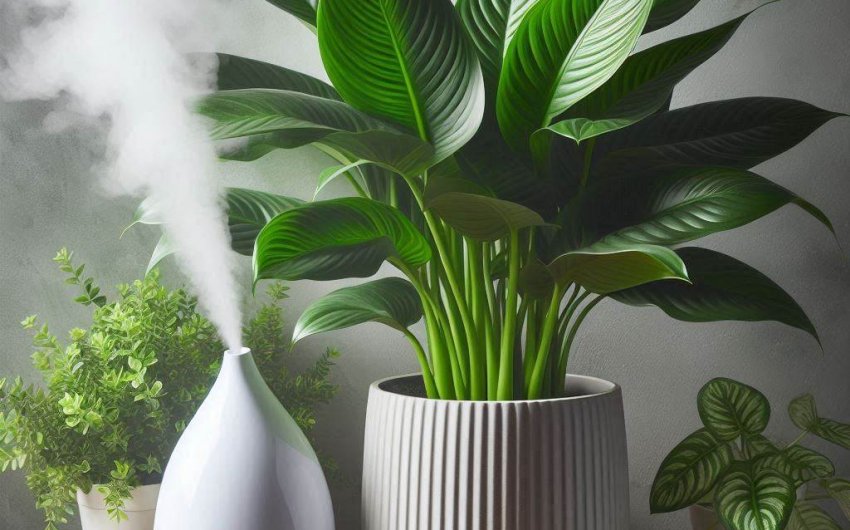
Caring for Calathea plants can feel like a puzzle, especially when it comes to watering. These stunning tropical beauties, known for their vibrant, patterned leaves that often move throughout the day (a process called nyctinasty), are native to the rainforests of South America. This means they love humidity and consistent moisture, but they are also very picky about their water. Getting it right is key to keeping your Calathea plant happy, healthy, and thriving.
Understanding Your Calathea's Needs
Before we dive into the "how-to" of watering, let's understand why Calathea watering is so crucial. In their natural habitat, these plants experience frequent rain and high humidity. This environment has shaped their needs. They don't like to dry out completely, but they also hate soggy roots, which can lead to root rot – a common killer of houseplants. The goal is to keep the soil consistently moist, but not waterlogged. Think of a well-wrung-out sponge; it's damp, but no water drips out.
The Best Water for Your Calathea
This is perhaps the most important tip for Calathea care: use the right kind of water. Calathea plants are very sensitive to chemicals found in tap water, especially chlorine, chloramine, and fluoride. These can cause leaf edges to turn brown and crispy, a condition often called "crispy edges" or "browning leaf tips."
So, what's the best water to use?
- Distilled water: This is water that has been purified by boiling it into vapor and then condensing it back into liquid, leaving impurities behind. It's excellent for Calathea plants because it's free of minerals and chemicals. You can buy distilled water at most grocery stores.
- Rainwater: If you have access to clean rainwater, your Calathea will love it! It's naturally soft and free of the chemicals found in tap water. You can collect rainwater in a clean bucket or a rain barrel.
- Filtered water: A good quality water filter can remove many of the harmful chemicals from tap water. Look for filters that specifically target chlorine and chloramine. A filtered water pitcher or a whole-house filter can be a great investment for your plants and your health.
- Aged tap water: If distilled or filtered water isn't an option, you can try letting tap water sit out for at least 24 hours. This allows some of the chlorine to evaporate. However, it won't remove chloramine or fluoride, so it's not a perfect solution but better than using fresh tap water directly.
Avoid using water straight from the tap, especially if you know your local water supply is heavily chlorinated.
When to Water Your Calathea: The Finger Test and Beyond
Knowing when to water is just as important as knowing how. Overwatering is a common mistake that can lead to root rot, while underwatering can cause stress and wilting.
The best way to tell if your Calathea needs water is to feel the soil. This is often called the "finger test."
- Stick your finger about 1 to 2 inches deep into the soil.
- If the soil feels slightly dry to the touch, it's time to water.
- If it still feels damp or wet, wait a day or two and check again.
Here are some other signs to look for:
- Lightweight pot: Pick up the pot. If it feels significantly lighter than when it was just watered, the soil has likely dried out.
- Drooping leaves: While drooping can also be a sign of overwatering, if the soil is dry and the leaves are drooping, your plant is definitely thirsty.
- Curling leaves: Some Calathea varieties will curl their leaves inwards when they are extremely thirsty. This is a survival mechanism to reduce water loss.
Important Note: The frequency of watering will depend on several factors:
- Pot size: Smaller pots dry out faster than larger ones.
- Temperature: Warmer temperatures mean the soil dries out more quickly.
- Humidity: Higher humidity slows down evaporation from the soil.
- Time of year: During the growing season (spring and summer), your Calathea will need more frequent watering than during its dormant period (fall and winter).
Generally, you might find yourself watering your Calathea plant every 5-7 days during the warmer months and every 10-14 days during the cooler months. Always check the soil before watering; don't stick to a rigid schedule.
How to Water Your Calathea: The "Soak and Drain" Method
Once you've determined it's time to water, the "soak and drain" method is the most effective. This ensures that the entire root ball gets thoroughly hydrated, and any excess water can escape.
- Use a watering can with a narrow spout: This allows for precise watering, especially for plants with dense foliage. A watering can is an essential tool.
- Water slowly and thoroughly: Pour water evenly over the entire surface of the soil. Continue watering until you see water draining out of the drainage holes at the bottom of the pot. This indicates that the soil is fully saturated.
- Ensure proper drainage: This is critical! Never let your Calathea plant sit in standing water. If your pot is sitting in a decorative saucer, empty any excess water after about 15-30 minutes. Leaving roots in soggy soil is a fast track to root rot.
- Consider bottom watering (occasionally): For a truly thorough soak, you can try bottom watering. Place the pot in a sink or a basin filled with about 2-3 inches of filtered or distilled water. The soil will absorb water through the drainage holes. Let it sit for 20-30 minutes, or until the top of the soil feels moist. Then, remove the pot and let any excess water drain away. This method is great for ensuring all the soil is hydrated, but it's not necessary for every watering.
The Importance of Humidity: Beyond Just Watering
While watering is crucial, remember that Calathea plants also crave high humidity. In their rainforest homes, humidity levels are consistently high. Lack of humidity, even with perfect watering, can lead to those dreaded crispy leaf edges.
Here's how to provide the humidity your Calathea plant desires:
- Use a humidifier: This is by far the most effective way to increase humidity around your plants. A plant humidifier specifically designed for plants or a regular room humidifier placed near your Calathea can make a huge difference. Aim for humidity levels between 60% and 80%.
- Pebble trays: Place a tray filled with pebbles and water beneath your Calathea's pot. As the water evaporates, it creates a localized pocket of humidity around the plant. Make sure the bottom of the pot is not sitting directly in the water.
- Group plants together: Plants release moisture into the air through a process called transpiration. Grouping several tropical plants together can create a mini-microclimate of higher humidity.
- Mist regularly (with caution): While misting can provide a temporary boost of humidity, it's not a long-term solution. Fine misting with filtered or distilled water a few times a day can help, but avoid heavy misting that leaves water droplets sitting on the leaves for too long, as this can encourage fungal issues. Always use a fine misting spray bottle.
Common Watering Mistakes and How to Fix Them
Even with the best intentions, mistakes happen. Here are some common watering issues you might encounter with your Calathea plant and how to fix them:
- Crispy, brown leaf edges: This is almost always a sign of low humidity or chemical sensitivity to tap water.
- Fix: Switch to distilled, filtered, or rainwater. Increase humidity with a humidifier or pebble tray.
- Yellowing leaves: Often a sign of overwatering or underwatering.
- Fix: Check the soil moisture. If it's soggy, let it dry out more between waterings. If it's bone dry, water thoroughly. Ensure good drainage.
- Drooping leaves: Can be caused by both overwatering and underwatering.
- Fix: Perform the finger test. If soil is wet, hold off on watering. If dry, water thoroughly.
- Mushy stems or foul odor from soil: Strong indicators of root rot due to overwatering.
- Fix: Immediately remove the plant from its pot. Gently shake off old soil. Inspect the roots; cut away any mushy, black, or smelly roots with clean scissors. Repot in fresh, well-draining soil. This might be a bigger project, but it can save your plant.
- White crust on soil surface or pot: This is mineral buildup from hard water.
- Fix: Switch to filtered, distilled, or rainwater. You can gently scrape off the white crust from the soil surface.
Choosing the Right Pot and Soil for Optimal Watering
The type of pot and soil you use also plays a significant role in Calathea watering.
- Pots with drainage holes: This is non-negotiable! Never plant a Calathea in a pot without drainage holes. If you love a decorative cachepot (a pot without drainage holes), use it as a cover for a nursery pot with drainage holes.
- Material matters:
- Plastic pots: These tend to retain moisture longer than terracotta pots. They are a good choice for Calathea plants because they help keep the soil consistently moist.
- Terracotta pots: These are porous and allow water to evaporate more quickly from the soil. While good for plants that like to dry out between waterings, they might make it harder to keep your Calathea consistently moist. If you use terracotta, you'll likely need to water more often.
- Well-draining potting mix: Your Calathea soil should be loose and airy, allowing excess water to drain quickly while retaining some moisture. A good quality indoor potting mix with added perlite or bark works well. You can make your own mix by combining:
- 1 part peat moss or coco coir (for moisture retention)
- 1 part perlite or pumice (for drainage and aeration)
- 1 part orchid bark or horticultural charcoal (for drainage and preventing compaction)
This kind of mix ensures that water flows through but still provides enough moisture for the roots.
Adjusting Watering for the Seasons
Your Calathea plant's watering needs will change throughout the year, primarily due to variations in light, temperature, and growth cycles.
- Spring and Summer (Growing Season): This is when your Calathea is actively growing, putting out new leaves and potentially flowering. It will consume more water during these months. You will likely need to water more frequently, perhaps every 5-7 days, depending on your environment. Always check the soil before watering.
- Fall and Winter (Dormant Season): As the days get shorter and temperatures drop, your Calathea will slow down its growth. It will need less water. Reduce your watering frequency to every 10-14 days or even less often. The key is to avoid overwatering during this period, as the plant is less active and more susceptible to root rot if the soil stays wet for too long. Monitor the soil moisture carefully.
Signs of a Happy, Well-Watered Calathea
When you get Calathea watering right, your plant will show it!
- Lush, vibrant leaves: The colors will be bright and bold, and the patterns crisp.
- No crispy or brown edges: This is a big win for Calathea owners!
- Consistent new growth: You'll see new leaves unfurling regularly, especially during the growing season.
- "Praying" movement: Many Calathea varieties exhibit nyctinasty, where their leaves fold up at night and unfurl during the day. This movement is a good sign of a healthy, unstressed plant.
By paying close attention to the type of water you use, knowing when and how to water, and providing ample humidity, you'll be well on your way to mastering Calathea care. These beautiful plants can be a bit demanding, but their stunning foliage makes the effort truly worthwhile. With consistent care and a little bit of observation, your Calathea plant will flourish, bringing a touch of the rainforest's beauty into your home.