
How to Grow a Bird of Paradise Plant Indoors?
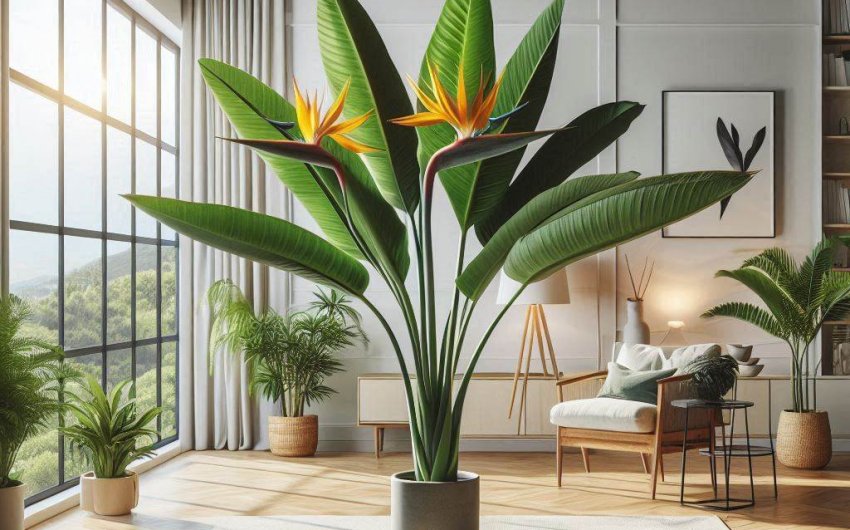
The Bird of Paradise plant, with its striking, crane-like blooms and large, banana-leaf-like foliage, is a true showstopper. While it thrives in tropical outdoor climates, its exotic beauty makes it a highly coveted houseplant for those in cooler regions. If you've ever admired its vibrant orange and blue "birds" and wondered, "How to grow a Bird of Paradise plant indoors?", you're in for a treat. With the right care and conditions, you can successfully cultivate this magnificent plant in your home, bringing a touch of the tropics and a promise of spectacular blooms.
What is a Bird of Paradise Plant?
The Bird of Paradise plant primarily refers to species within the Strelitzia genus, native to South Africa. The most common varieties grown indoors are Strelitzia reginae (the orange Bird of Paradise) and Strelitzia nicolai (the White Bird of Paradise).
- Strelitzia reginae (Orange Bird of Paradise):
- Appearance: Features vibrant orange sepals and blue petals, resembling a crane's head.
- Size: Typically grows 3-5 feet tall indoors.
- Leaves: Large, paddle-shaped, dark green leaves.
- Blooming: More likely to bloom indoors, especially when mature (3-5 years old) and given optimal light.
- Strelitzia nicolai (White Bird of Paradise / Giant Bird of Paradise):
- Appearance: Produces larger, white and dark blue flowers.
- Size: Can reach 6-10 feet or more indoors, making it a dramatic architectural plant.
- Leaves: Very large, often split leaves, giving it a distinct tropical, palm-like appearance.
- Blooming: Less likely to bloom indoors due to its larger size and higher light requirements, but still an impressive foliage plant.
Both types boast strong, upright stems and a somewhat clumping growth habit. They are relatively slow-growing, especially when young.
What Are the Light Requirements for an Indoor Bird of Paradise?
Light is the single most critical factor for successfully growing a Bird of Paradise indoors, especially if you hope to see those iconic blooms.
- Bright, Direct Light is Best: Bird of Paradise plants crave as much light as you can give them indoors.
- Place your plant in your brightest possible window, ideally a south-facing or west-facing window that receives several hours of direct sunlight daily.
- If direct sun is very intense in summer, some very light afternoon shade might be beneficial to prevent leaf scorching, but generally, more light is better.
- Indirect Bright Light: They can tolerate bright, indirect light (e.g., a few feet from a very sunny window), but flowering may be diminished or cease entirely. The white variety (S. nicolai) might tolerate slightly less direct light, but still needs very bright conditions to thrive.
- Insufficient Light Symptoms:
- Lack of Flowers: The most common reason S. reginae doesn't bloom indoors.
- Leggy Growth: Stretched-out stems and widely spaced leaves as the plant "reaches" for light.
- Pale or Dull Leaves: Less vibrant green color.
- Slow or No Growth: Minimal new leaves emerging.
- Supplemental Lighting: If you don't have enough natural light, consider using a high-output grow light for 12-16 hours a day. This is almost essential for consistent indoor blooming of S. reginae.
How Should I Water My Indoor Bird of Paradise Plant?
Proper watering is crucial to prevent root rot while ensuring the plant gets enough moisture. Bird of Paradise plants like consistent moisture, but hate soggy feet.
- Watering Frequency:
- During the active growing season (spring and summer), water thoroughly when the top 1-2 inches (2.5-5 cm) of soil feel dry to the touch. This might be once a week or more, depending on light, temperature, and pot size.
- During winter or dormant periods, reduce watering frequency significantly. Allow the top 2-3 inches of soil to dry out before watering again.
- Watering Technique:
- Water Thoroughly: Water until water drains freely from the bottom of the pot.
- Discard Excess: Never let the pot sit in standing water in the saucer, as this leads to root rot.
- Symptoms of Improper Watering:
- Underwatering: Leaves will droop, curl, and eventually turn brown and crispy. Older leaves may yellow.
- Overwatering (Root Rot): Leaves may turn yellow, then brown, and become mushy at the base. The soil will remain constantly wet, and the plant may appear wilted despite moist soil. The entire plant may collapse.
What is the Best Soil and Pot for a Bird of Paradise?
The right soil mix and pot size are essential for proper drainage and root health.
- Potting Mix:
- Use a well-draining, rich potting mix. A good quality houseplant potting mix amended with extra perlite or bark chips works well.
- A mixture of equal parts potting soil, perlite, and pine bark fines provides excellent drainage and aeration while retaining some moisture.
- Pot Material:
- Terracotta: Porous, allows soil to dry out faster, which can be beneficial to prevent overwatering.
- Plastic/Glazed Ceramic: Retains moisture longer.
- Choose based on your watering habits and climate.
- Pot Size:
- Bird of Paradise plants like to be somewhat pot-bound to encourage blooming (especially S. reginae). Don't choose a pot that is too large.
- When repotting, go up only one size (e.g., from a 10-inch to a 12-inch pot).
- Drainage Holes: Absolutely crucial! Ensure the pot has ample drainage holes to prevent waterlogging.
How Often Should I Fertilize My Indoor Bird of Paradise?
Fertilization supports vigorous growth and helps the plant produce those impressive flowers.
- Growing Season Only: Fertilize only during the active growing season (spring and summer).
- Type: Use a balanced liquid fertilizer (e.g., 5-5-5 or 10-10-10) or a fertilizer slightly higher in phosphorus to encourage blooming. A general purpose all-purpose houseplant fertilizer will suffice.
- Dilution: Dilute the fertilizer to half strength or even quarter strength. Over-fertilizing can lead to nutrient burn and harm the plant.
- Frequency: Fertilize every 2-4 weeks during spring and summer.
- Avoid Winter Fertilizing: Do not fertilize in fall or winter when the plant's growth slows down.
What About Humidity and Temperature for Bird of Paradise?
Being tropical plants, Bird of Paradise plants appreciate warmth and humidity.
- Temperature:
- Ideal: They thrive in temperatures between 65°F and 80°F (18°C and 27°C).
- Tolerance: They can tolerate temperatures down to 50°F (10°C) but growth will slow, and cold drafts can harm them.
- Avoid Cold Drafts: Keep away from cold windows in winter or drafty doors.
- Humidity:
- Preference: While not as sensitive as some ferns, Bird of Paradise plants appreciate higher humidity (50-70%).
- Symptoms of Low Humidity: Dry, crispy leaf edges or splitting leaves can sometimes be exacerbated by low humidity.
- Solutions:
- Misting: Mist the leaves daily or every other day with a fine mist spray bottle (use distilled or filtered water).
- Pebble Tray: Place the pot on a tray filled with pebbles and water (ensure the pot is not sitting directly in water).
- Humidifier: For very dry homes, a room humidifier is the most effective solution.
- Grouping Plants: Cluster plants together to create a microclimate of higher humidity.
How and When Should I Repot My Bird of Paradise?
Repotting is a critical aspect of care, especially since Strelitzia reginae prefers to be somewhat root-bound for blooming.
- When to Repot:
- Only repot when the plant is truly root-bound. Look for roots growing out of the drainage holes or the plant becoming top-heavy.
- S. reginae (orange flowers) should be slightly root-bound to encourage flowering.
- S. nicolai (white flowers) can be repotted more freely as it gets very large.
- Repot usually every 2-3 years, or even less frequently if the plant seems happy.
- Timing: Spring or early summer, when the plant is actively growing.
- How to Repot:
- Choose Pot: Select a pot that is only 1-2 inches wider than the current pot.
- Prepare: Add a layer of fresh, well-draining potting mix to the new pot.
- Remove Plant: Carefully ease the plant out of its old pot. If roots are very dense, you might need to gently tease them apart or make a few vertical cuts with a clean knife (especially for S. reginae to encourage blooming).
- Place: Center the plant in the new pot, ensuring the base of the stems is at the same soil level as before.
- Fill: Backfill with more fresh potting mix, gently firming it around the roots.
- Water: Water thoroughly after repotting.
- Recovery: Place the repotted plant in a slightly shadier spot for a few days to recover from transplant shock before returning it to its sunny location.
Why Are My Bird of Paradise Leaves Splitting or Curling?
Leaf splitting and curling are common concerns, and while often normal, can also signal environmental issues.
Leaf Splitting (Shredding):
- Normal for S. nicolai: It's perfectly normal and natural for the large leaves of the White Bird of Paradise (S. nicolai) to split along the veins. This is how they adapt to windy conditions in their native habitat, allowing wind to pass through without tearing the entire leaf. It gives them a tropical, palm-like appearance.
- Less Common, But Can Happen on S. reginae: While less common, S. reginae leaves can also split, especially older ones.
- Environmental Factors That Exacerbate Splitting:
- Low Humidity: Very dry air can make leaves more brittle and prone to splitting.
- Physical Damage: Being brushed against, moved frequently, or windy drafts (if near an open window/door).
- Underwatering: Can cause leaves to become brittle.
- Solution: For S. nicolai, embrace it as part of its natural charm! For both, ensure good humidity and avoid physical damage.
Leaf Curling:
- Cause 1: Underwatering: The most common reason. The plant curls its leaves inward to reduce water loss through transpiration.
- Solution: Check soil moisture. If dry, water thoroughly.
- Cause 2: Low Humidity: Similar to underwatering, very dry air can cause leaves to curl as the plant tries to conserve moisture.
- Solution: Increase humidity using methods mentioned earlier.
- Cause 3: Too Much Direct Sun: While they love light, extreme, unfiltered direct sun can sometimes cause leaves to curl or scorch as a protective measure.
- Solution: Move the plant a tiny bit away from the window or provide light sheer curtain protection.
- Cause 4: Root Issues: Less common for curling, but root rot from overwatering can also cause overall wilting/curling.
- Solution: Check roots if other symptoms like yellowing and wet soil are present.
What Are Common Pests and Diseases and How to Handle Them?
Bird of Paradise plants are relatively robust, but like all houseplants, they can occasionally suffer from pests or diseases.
- Pests:
- Spider Mites: Tiny pests that cause stippling (small dots) on leaves and create fine webbing. Thrives in dry conditions.
- Mealybugs: White, cottony masses in leaf axils or on stems.
- Scale: Small, immobile, brown or black bumps on stems and leaves.
- Treatment:
- Isolate: Immediately isolate the affected plant.
- Wipe Down: Use a damp cloth or cotton swab dipped in rubbing alcohol to physically wipe off pests.
- Spray: Use organic insecticidal soap or neem oil spray. Ensure thorough coverage, especially on leaf undersides. Repeat applications are usually necessary.
- Diseases:
- Root Rot: The most common disease, caused by overwatering and poor drainage.
- Symptoms: Yellowing, mushy leaves, wilting despite wet soil, foul odor from soil.
- Treatment: Remove plant from pot, trim off rotten (mushy, black) roots with clean pruners. Repot in fresh, well-draining soil and a clean pot. Adjust watering habits immediately.
- Fungal Leaf Spots: Less common but can occur in overly humid conditions with poor air circulation.
- Symptoms: Circular spots with distinct margins.
- Treatment: Improve air circulation, reduce humidity if possible, remove affected leaves. Fungicides are rarely needed for houseplants.
Advanced Tips for Encouraging Blooms in Strelitzia reginae:
If your goal is to see the iconic orange and blue flowers, here are some advanced tips for Strelitzia reginae:
- Maturity is Key: Plants usually need to be at least 3-5 years old and have developed a clump of several leaves (often 5-6 feet tall) before they are mature enough to flower.
- Consistent Bright Light: Reiterate this again – it's paramount. The brighter, the better. Supplemental light helps immensely.
- Slightly Root-Bound: Avoid over-potting. S. reginae often blooms best when its roots are somewhat constrained.
- Temperature Fluctuation (Optional): Some growers find that a slight temperature drop in winter (around 55-60°F or 13-16°C) for a few weeks, combined with reduced watering, can stimulate blooming in late winter/early spring. However, avoid cold snaps.
- Consistent Fertilization: Ensure adequate phosphorus (the middle number in NPK) by using a balanced fertilizer.
- Patience: Don't expect immediate blooms. It can take years, even with perfect conditions.
By understanding how to grow a Bird of Paradise plant indoors and providing consistent care regarding light, watering, soil, and humidity, you can successfully cultivate this magnificent tropical beauty. While the Strelitzia nicolai will impress with its grand foliage, the Strelitzia reginae offers the thrilling possibility of those iconic, crane-like blooms that bring unparalleled exotic elegance to your indoor jungle.