
Creative Chicken Coop Ideas: Design Inspirations for Your Backyard Flock
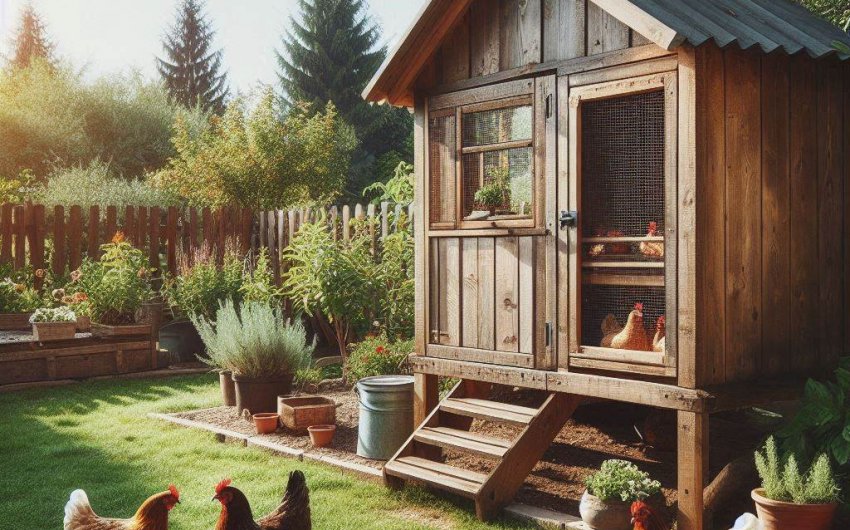
Keeping backyard chickens offers a delightful blend of fresh eggs, natural pest control, and engaging companionship. However, housing your feathered friends requires more than just a functional structure; it's an opportunity for creativity. Exploring creative chicken coop ideas can transform a simple enclosure into a charming and practical centerpiece for your backyard flock, blending seamlessly with your landscape while prioritizing the health and happiness of your hens.
What Are the Essential Elements of a Functional Chicken Coop?
Before diving into creative chicken coop ideas, it's crucial to understand the non-negotiable elements that ensure the health, safety, and productivity of your flock. Form follows function when it comes to chicken coop design.
Shelter from Elements (Coop Structure):
- Purpose: Chickens need protection from sun, rain, snow, and wind. The coop serves as their primary refuge.
- Roof: A sturdy, waterproof roof is essential. Consider materials like asphalt shingles (Asphalt Roofing Shingles), metal roofing, or even heavy-duty tarpaulin if on a budget. Ensure it has an overhang to protect walls.
- Walls: Solid walls provide insulation and protection. Wood (treated for outdoor use), plywood, or even repurposed materials can work.
- Floor: A solid floor (wood, concrete, or hardware cloth topped with bedding) prevents predators from digging in and makes cleaning easier.
Ventilation:
- Purpose: Essential for air circulation, preventing buildup of ammonia fumes (from droppings), reducing humidity (which causes frostbite in winter), and keeping the coop cool in summer.
- Placement: Ventilation should be high up in the coop (near the roofline) to allow hot, stale air to escape, while lower vents or openings (covered with hardware cloth) allow fresh air in.
- Predator Proofing: All ventilation openings must be covered with 1/2-inch or 1/4-inch hardware cloth to prevent predators from entering. Regular chicken wire is not predator-proof. You can buy 1/2-inch hardware cloth.
- Avoid Drafts: Ensure ventilation doesn't create direct drafts on the roosting chickens in cold weather.
Roosting Bars:
- Purpose: Chickens instinctively roost (perch) off the ground at night for safety and comfort. This is where they sleep.
- Material: Sturdy wooden bars (2x2 or 2x4 lumber with the 2-inch side up, or a rounded branch) are ideal.
- Placement: Position them horizontally, at least 2-3 feet off the ground, higher than the nesting boxes (chickens prefer to roost at the highest point). Provide enough space per bird (8-12 inches per chicken).
- Ease of Cleaning: Design them to be removable for easy cleaning underneath.
Nesting Boxes:
Advertisement- Purpose: A safe, private, and comfortable place for hens to lay their eggs.
- Size: Approximately 12x12x12 inches is a good general size.
- Quantity: Rule of thumb is one nesting box for every 3-4 hens.
- Placement: Located in a dark, quiet, and secure part of the coop, lower than the roosting bars.
- Bedding: Fill with soft, absorbent bedding like straw, pine shavings, or shredded paper.
- Ease of Collection: Design for easy egg collection, ideally with an external access door. You can install roll-out nesting boxes for ultimate convenience.
Access Doors (for Chickens and Humans):
- Chicken Door/Pop Door: A small opening for chickens to enter and exit the coop to the run. Should be easily openable/closable from outside, and securely latched to prevent predators. Consider an automatic chicken coop door for convenience.
- Human Access Door: A larger door for you to easily enter the coop for cleaning, refilling food/water, and inspecting birds. Should be sturdy and predator-proof with a robust latch.
Run (Outdoor Enclosure):
- Purpose: Provides a safe, enclosed outdoor space for chickens to forage, dust bathe, and get fresh air without free-ranging unsafely.
- Size: Aim for at least 8-10 square feet per bird, more is always better.
- Predator Proofing: Crucial. The run needs a secure top (hardware cloth or netting) to prevent aerial predators and digging predators. Burying hardware cloth around the perimeter (apron fence) is essential to stop digging.
- Shade and Shelter: Include areas of shade (from plants, tarps, or the coop itself) and some overhead cover for protection from sun and rain.
Feeder and Waterer:
- Location: Can be inside the coop (especially in winter) or within the run. Position to minimize spillage and contamination by droppings.
- Types: Consider gravity feeders and waterers that hold larger quantities, reducing daily refills. A chicken feeder and waterer set is convenient.
By ensuring these essential elements are thoughtfully incorporated into any of your creative chicken coop ideas, you'll lay the groundwork for a happy, healthy, and secure flock.
How Can You Integrate the Coop into Your Landscape?
One of the hallmarks of truly creative chicken coop ideas is how seamlessly the structure blends with, and even enhances, your existing backyard landscape. It's about making the coop an attractive feature, not just a functional box.
Matching Architectural Style:
- Cohesion: Design the coop to complement the architectural style of your home or other outbuildings.
- Materials: Use similar siding, roofing, and trim colors/materials. If your house is a rustic farmhouse, a matching distressed wood coop works. If it's modern, consider sleek lines and metal accents.
- Paint Colors: Choose paint colors that either match or tastefully contrast with your house. Earthy tones often blend well. Consider exterior paint for chicken coops.
Landscaping Around the Coop and Run:
- Foundation Plants: Plant shrubs, perennials, and ornamental grasses around the base of the coop to soften its lines and integrate it into the garden. Choose plants that are non-toxic to chickens.
- Vines: Train climbing vines (like climbing roses, clematis, or honeysuckle) up trellises or along the sides of the coop. This adds vertical interest and helps camouflage the structure.
- Flower Beds: Create small flower beds around the coop's perimeter. Choose pollinator-friendly flowers for added beauty.
- Shade Trees/Structures: Plant trees (outside the run perimeter, to avoid toxic leaves falling in) or build pergolas/arbors near the run to provide natural shade, keeping the chickens cool and adding a pleasing overhead element. A shade tree for backyard can offer long-term benefits.
- Edible Landscaping: Incorporate edible plants that chickens can enjoy as treats (e.g., sunflowers, herbs like lavender or rosemary) planted around the exterior of the run.
Disguising the Run (and Its Smell):
- Visual Barriers: Use taller shrubs, trellises with vines, or decorative fencing to partially screen the run from direct view, especially if it gets messy.
- Mulch: In the run, use a deep litter method (straw, wood shavings) or a more aesthetic mulch like wood chips for easy cleaning and odor reduction. Avoid bark that is too chunky. You can purchase pine shavings for chicken coops.
- Good Drainage: Ensure the run area has good drainage to prevent mud and standing water, which contribute to odor and disease.
- Aromatic Herbs: Plant fragrant herbs like lavender, mint (in containers to prevent spreading), or rosemary around the perimeter of the run to help mask odors naturally.
Creating Pathways and Defined Spaces:
- Clear Access: Lay attractive pathways (stone, gravel, bark mulch) leading to the coop and run for easy human access, keeping your shoes clean.
- "Rooms" in the Yard: Think of the coop as part of a larger outdoor living area. Define distinct zones – a seating area, a grilling area, and then the chicken zone – separated by low fences, pergolas, or planting.
Utilizing Repurposed Materials Creatively:
- Sustainability: Incorporate reclaimed materials that align with your aesthetic.
- Examples: Old windows for light, salvaged barn wood for siding, antique doors, unique metal pieces for accents. This adds character and a story to your coop design. A good source for ideas might be a salvaged wood supplier.
By consciously designing your coop to be an extension of your home and garden, you elevate it beyond a mere utility structure, making it a truly "bloomin' beautiful" and creative chicken coop idea.
What Are Unique and Themed Chicken Coop Designs?
Moving beyond basic functionality, exploring unique and themed chicken coop ideas allows you to inject personality and whimsy into your backyard flock's home. These designs often become charming focal points in the garden.
Miniature House/Barn Coop:
- Concept: Design the coop to look like a miniature version of your own house, a classic red barn, or a charming cottage.
- Features: Include architectural details like small windows with trim, a tiny porch, flower boxes (small window flower boxes), even a tiny cupola or weather vane.
- Benefits: Highly aesthetic, blends seamlessly with residential architecture.
- Materials: Use standard lumber and siding, but scale it down. Paint to match or complement your home.
- Inspiration: Look at dollhouse designs or miniature village models.
Rustic Farmhouse Chic Coop:
- Concept: Embrace natural, reclaimed, and vintage elements for a charming, rustic look.
- Features:
- Siding: Use reclaimed barn wood, pallet wood (ensure it's untreated and safe), or corrugated metal.
- Doors/Windows: Incorporate antique windows or salvaged doors.
- Decor: Hang old farm tools, metal stars, or vintage signs. A rustic metal star decoration can add charm.
- Run: Define the run with wooden rail fences or natural tree branches.
- Benefits: Sustainable, full of character, fits well in informal or rural settings.
Modern and Minimalist Coop:
- Concept: Clean lines, simple forms, and a focus on materials for a contemporary look.
- Features:
- Materials: Use sleek metal roofing, smooth stained wood siding, concrete blocks, or fiber cement panels.
- Colors: Often uses a restrained palette of grays, blacks, whites, and natural wood tones.
- Windows: Large, geometric windows for maximum light.
- Minimal Ornamentation: Let the materials and form speak for themselves.
- Benefits: Stylish, can complement modern homes, often very durable.
Whimsical or Fairytale Coop:
- Concept: Unleash your imagination! Design a coop that looks like a hobbit house, a mushroom, a castle, or a gingerbread house.
- Features: Round doors, curved roofs, brightly painted details, turrets, or even moss-covered roofs.
- Benefits: Highly unique, a conversation piece, and incredibly fun.
- Challenges: May require more complex carpentry skills.
- Inspiration: Look at children's storybooks or fantasy art.
Mobile or Tractor Coop (Chicken Tractor):
- Concept: A coop and attached run designed to be moved regularly.
- Features: Lightweight construction, wheels, handles. The bottom is open to the ground.
- Benefits: Allows chickens to constantly graze on fresh grass, naturally fertilizing and pest-controlling different parts of your yard. Prevents overgrazing and mud buildup in one spot.
- Considerations: Size must be manageable for moving. Needs to be predator-proof on all sides and top. Requires daily moving. You can build your own from plans or buy a chicken tractor kit.
"Integrated" Coop (Part of a Larger Structure):
- Concept: The chicken coop is built as part of another backyard structure, like a shed, a larger barn, or even a covered patio.
- Features: Sharing a wall or roof with an existing building.
- Benefits: Saves on construction materials, can provide better insulation, and integrates seamlessly.
- Considerations: Ensure proper ventilation and separation from human/storage areas to manage odor and pests.
Vertical Garden Coop:
- Concept: Incorporate vertical planting systems onto the sides of the coop or run.
- Features: Planters attached to walls, trellises with climbing edible plants (safe for chickens) or herbs.
- Benefits: Adds greenery and beauty, can provide supplemental food for chickens (if safe plants are used), and maximizes space. A vertical garden planter for walls can be adapted.
When exploring these creative chicken coop ideas, always prioritize the chickens' needs for space, ventilation, security, and cleanliness. Aesthetics should always complement, not compromise, functionality.
How Can You Make Your Coop Predator-Proof?
Regardless of how creative chicken coop ideas you choose, predator proofing is the most critical element of any chicken coop design. A beautiful coop is useless if your flock isn't safe. Predators are relentless and ingenious, so your defenses must be too.
Use the Right Wire Mesh (The Golden Rule):
- Hardware Cloth (NOT Chicken Wire): This is the single most important defense. Standard chicken wire (poultry netting) is only designed to keep chickens in, not predators out. Raccoons, weasels, and even determined foxes can easily tear or bite through chicken wire.
- Recommendation: Use 1/2-inch or 1/4-inch hardware cloth for all openings (windows, vents) and to line the entire run. This small mesh size prevents even small predators like weasels, snakes, or rats from squeezing through. You can buy 1/2-inch galvanized hardware cloth online.
- Gauge: Use a heavy gauge (16 or 19 gauge) for durability.
Secure All Openings (Doors, Windows, Vents):
- Sturdy Doors: All human and chicken access doors must be made of solid, thick wood or reinforced metal.
- Robust Latches: Use multiple, predator-proof latches. Raccoons are incredibly clever; they can open simple latches, slide bolts, and even turn doorknobs.
- Recommendation: Use a combination of latches, such as a barrel bolt combined with a carabiner clip or a hook-and-eye latch that requires two separate actions to open. Consider heavy-duty barrel bolts.
- Hardware Cloth Over ALL Openings: Windows, vents, and any other openings must be completely covered with securely stapled or screwed hardware cloth.
Prevent Digging Predators (Burying and Aprons):
- Digging Apron (The Best Method): Extend hardware cloth horizontally outward from the bottom perimeter of the coop and run by at least 12-18 inches, then bury it under soil or turf. This creates a barrier that digging predators (foxes, raccoons, coyotes, dogs) will hit when they try to dig under the fence.
- Burying Vertically: Alternatively, bury the hardware cloth or wire fence at least 12-18 inches deep vertically into the ground. This is less effective than an apron for very determined diggers but better than nothing.
- Solid Floor: A solid wood or concrete floor in the coop itself is the best defense against burrowing predators getting into the sleeping area.
Secure the Roof of the Run:
- Overhead Protection: Owls, hawks, and even climbing predators like raccoons can access runs from above.
- Material: Cover the entire run with hardware cloth, strong netting, or a solid roof. Chicken wire is too weak for this.
Eliminate Hiding Spots and Attractions:
- Clear Debris: Keep the area around the coop and run clear of dense bushes, woodpiles, or debris that predators could hide in.
- Secure Food Storage: Store chicken feed in airtight, metal containers that rodents and other predators cannot access. A galvanized steel feed bin works well.
- Night Lock-Up: The most reliable method of protection is to physically lock your chickens inside the coop (where they sleep) every single night. Even if the run is predator-proof, the coop's solid walls offer superior protection. Consider an automatic chicken coop door for automating this.
Consider an Electric Fence (for severe problems):
- Effective Deterrent: For very persistent predators or large property protection, a low-voltage electric fence wire strung around the perimeter of the run can be a highly effective deterrent.
Regular Inspection:
- Daily Checks: Routinely check your coop and run for any signs of weakness: loose wires, holes, compromised latches, or signs of digging. Predators will exploit the smallest weakness. Repair immediately.
By rigorously applying these predator-proofing measures, you ensure that your creative chicken coop ideas provide a truly safe haven for your backyard flock.
How Do You Ensure Health and Comfort in a Creative Coop?
Beyond aesthetics, the ultimate success of your creative chicken coop ideas hinges on prioritizing the health and comfort of your chickens. A well-designed interior environment translates directly to happy, productive hens.
Adequate Space:
- Inside the Coop: Aim for at least 3-4 square feet per standard-sized chicken inside the coop. This allows enough room for roosting, nesting, and movement, reducing stress and pecking order issues.
- In the Run: Provide a minimum of 8-10 square feet per bird in the outdoor run. More space is always better for foraging and exercise. Overcrowding leads to stress, aggression, feather-picking, and increased disease risk.
Proper Ventilation:
- Continuous Airflow: Essential year-round. Hot, humid air and ammonia fumes from droppings must escape, and fresh air needs to enter.
- High and Low Vents: Install vents high up (near the roofline) for hot air to rise and escape, and lower vents or openings (always covered with 1/2-inch hardware cloth) for fresh air intake.
- Avoid Drafts: Ensure ventilation doesn't create direct drafts on roosting chickens, especially in winter.
- Summer Cooling: In hot climates, consider adding a small, predator-proof fan if the coop doesn't cool naturally, or using cross-ventilation designs.
Temperature Management:
- Insulation (for Cold Climates): In regions with harsh winters, insulate coop walls and roof to help retain heat. Materials like rigid foam insulation or fiberglass batting can be used. Ensure insulation is covered to prevent chickens from pecking at it.
- Summer Shade: Provide ample shade in the run and ensure the coop itself doesn't overheat. Proper ventilation helps. Consider a light-colored roof.
- Winter Protection: Ensure water doesn't freeze (use heated waterers like a heated chicken waterer) and keep coop dry. Chickens generate their own heat; excessive heating is usually not needed and can be dangerous.
Roosting Bars for Rest:
- Height: Place roosting bars higher than the nesting boxes, as chickens prefer to sleep at the highest point.
- Material and Shape: Use sturdy wood (2x2 or 2x4 lumber with the 2-inch side up for easy gripping) or thick, rounded branches. Avoid round dowels, which are hard on their feet.
- Spacing: Allow 8-12 inches of roosting space per bird.
Comfortable Nesting Boxes:
- Location: Dark, quiet, and secure.
- Bedding: Provide a generous layer of soft, clean, absorbent bedding (straw, pine shavings, shredded paper). Change regularly. A bag of pine shavings for chicken coop is a good option.
- Privacy: Some hens prefer individual, separated boxes; others are fine with shared spaces.
Cleanliness and Waste Management:
- Easy to Clean Design: Design the coop for easy cleaning. Consider:
- Removable Dropping Boards: Place a board directly under the roosting bars to catch most droppings, making daily cleanup quick.
- Smooth Surfaces: Use interior materials that are easy to wipe down.
- Accessibility: Ensure the human access door is large enough for you to get in and out comfortably with cleaning tools.
- Deep Litter Method: A popular method where you build up layers of carbon-rich bedding (straw, wood shavings) over several months. Microbes break down droppings, producing heat and compost. Requires good ventilation and occasional stirring.
- Regular Bedding Changes: Even with deep litter, ensure bedding stays dry and fresh.
- Easy to Clean Design: Design the coop for easy cleaning. Consider:
Feeder and Waterer Placement:
- Elevated: Keep feeders and waterers off the ground to prevent contamination from droppings and bedding. Hanging feeders (hanging chicken feeder) and waterers are ideal.
- Cleanliness: Choose easy-to-clean designs.
- Constant Access: Ensure chickens always have access to fresh water and food.
By prioritizing these essential elements of health and comfort, your creative chicken coop ideas will not only look fantastic but will also create a truly thriving home for your beloved flock.