
Seed Starting: The Ultimate Guide to Growing Healthy Seedlings Indoors
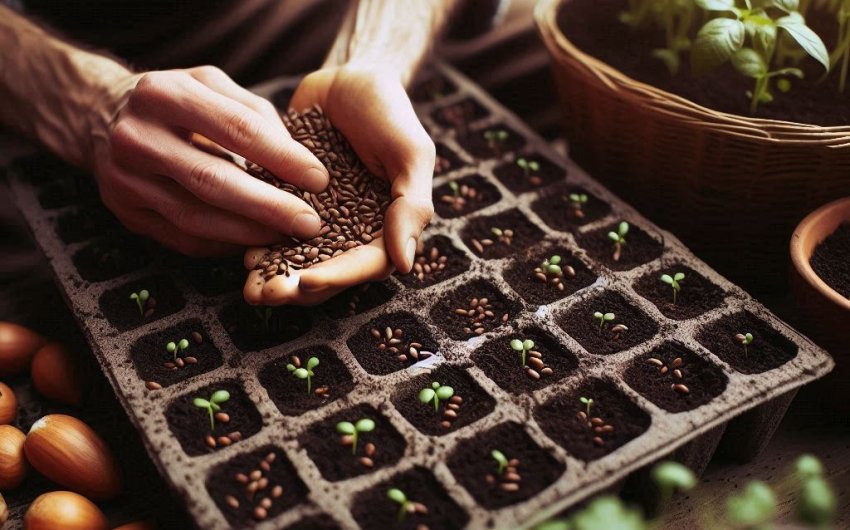
Embarking on the journey of seed starting indoors is a rewarding way to get a head start on your garden, cultivate unique plant varieties, and save money. Transforming tiny seeds into robust, healthy seedlings requires specific conditions and attentive care. This ultimate guide will walk you through every step, ensuring you have all the knowledge and tools to successfully nurture your plants from germination to transplant, leading to a bountiful garden.
Why Start Seeds Indoors?
Before diving into the "how," understanding the "why" of seed starting indoors can clarify its benefits and help you decide if it's the right choice for your gardening goals.
Get a Head Start on the Growing Season:
- Long-Season Crops: Many popular vegetables (like tomatoes, peppers, eggplants) and some flowers have a long "days to maturity" from seed. In regions with short growing seasons, starting these indoors allows them to mature and produce a harvest before the first frost.
- Earlier Harvests: Even for crops with shorter seasons, starting them indoors can give you a harvest weeks or even a month earlier than direct sowing.
- Increased Yield: More time to grow often means more fruits or flowers produced over the season.
Access to Greater Variety:
- Beyond the Nursery: Garden centers and nurseries typically offer a limited selection of common plant varieties. When you start from seed, you unlock a vast world of unique heirloom varieties, disease-resistant hybrids, and unusual edibles or ornamentals that are simply not available as seedlings. You can find heirloom vegetable seeds online.
- Organic/Untreated: You have control over whether your seeds are organic or untreated.
Cost Savings:
- Significant Savings: A packet of seeds costs significantly less than buying individual starter plants from a nursery. For the price of a few plants, you can often buy enough seeds to grow dozens or even hundreds of seedlings.
- Grow More for Less: If you have a large garden or want to plant many of the same type of vegetable, seed starting is much more economical.
Stronger, Healthier Plants (with Proper Care):
Advertisement- Controlled Environment: Indoors, you have precise control over light, temperature, water, and pests. This allows you to provide ideal growing conditions during the fragile seedling stage.
- Reduced Stress: Young seedlings are protected from harsh winds, heavy rains, cold snaps, and early-season pests that can decimate directly sown seeds.
- Transplant Success: Hardened-off seedlings are generally more robust and have a better chance of surviving transplanting than struggling direct-sown seeds.
Personal Satisfaction and Learning:
- Rewarding Experience: There's immense satisfaction in watching tiny seeds germinate and grow into thriving plants under your care.
- Gardening Skills: It's an excellent way to deepen your gardening knowledge and build foundational skills in plant care.
- Educational for Kids: A fantastic activity for children to learn about the plant life cycle.
While direct sowing remains an option for many crops, seed starting indoors offers compelling advantages that make it a worthwhile endeavor for many gardeners looking for more control, variety, and economy.
What Supplies Do You Need for Seed Starting?
Having the right equipment is crucial for successful seed starting indoors. While you can start simple, investing in a few key items will significantly increase your success rate in growing healthy seedlings.
Seeds:
- Quality Matters: Purchase fresh seeds from reputable sources. Old seeds may have poor germination rates.
- Variety Selection: Choose varieties suitable for indoor starting (check seed packets for "start indoors" or "transplant").
- Organic/Heirloom (Optional): Many gardeners prefer organic vegetable seeds or unique heirloom varieties.
Seed Starting Mix:
- Specialized Blend: This is NOT regular potting soil or garden soil. Seed starting mix is a sterile, fine-textured, lightweight, and well-draining blend, usually made of peat moss or coco coir, vermiculite, and perlite.
- Why it's Crucial: Its fine texture allows tiny roots to grow easily, and its sterile nature prevents fungal diseases (like damping-off) that can kill young seedlings. It also holds moisture well without becoming waterlogged.
- Avoid: Never use garden soil (too heavy, contains weed seeds and pathogens) or regular potting soil (too coarse, can hold too much moisture, might contain fungal spores). You can find seed starting mix at any garden center.
Seed Starting Containers:
- Drainage is Key: Regardless of type, all containers must have drainage holes.
- Types:
- Plastic Cell Packs/Trays: Common and economical. Available in various sizes (e.g., 6-packs, 72-cell trays). Many come with a clear plastic dome.
- Peat Pots/Pellets: Biodegradable. You plant the entire pot/pellet, reducing transplant shock. Ensure they are thoroughly moistened. Can dry out quickly.
- Newspaper Pots: DIY option. Biodegradable and free.
- Recycled Containers: Yogurt cups, milk jugs, egg cartons (with drainage holes added). Ensure they are clean.
- Soil Blocker: A tool that presses seed starting mix into blocks, eliminating the need for containers. Reduces plastic waste.
- Size: Start seeds in smaller cells. You'll transplant to larger containers later if needed. You can buy seed starting trays with domes.
Light Source:
- Essential for Growth: Natural window light is almost never enough. Seedlings get leggy and weak without sufficient light.
- Types of Grow Lights:
- Fluorescent Lights (T5 or T8): Economical and effective. T5 HO (High Output) are brighter. Position 2-4 inches above seedlings.
- LED Grow Lights: More energy-efficient, longer-lasting, and often emit a broader spectrum. Can be more expensive initially but save money over time. Position as per manufacturer recommendations (often 6-12 inches).
- Adjustable Height: A grow light setup with adjustable chains is ideal to keep the light consistently close to the seedlings. A LED grow light for seedlings is a great choice.
Heat Mat (Optional, but Highly Recommended):
- Purpose: Provides consistent bottom heat to the soil, which speeds up germination for many seeds (especially warm-season crops like tomatoes, peppers, melons).
- Benefits: Can significantly improve germination rates and reduce germination time.
- Use: Place seed trays directly on the heat mat until seedlings emerge. Remove once they sprout to prevent overheating. A seedling heat mat with a thermostat is ideal for temperature control.
Watering Tools:
- Fine Mist Sprayer: For initial watering of newly sown seeds, which prevents displacing tiny seeds. A fine mist spray bottle is perfect.
- Small Watering Can with Fine Spout: For watering established seedlings to avoid splashing soil onto leaves or damaging delicate stems.
- Bottom Watering Trays: Flat trays without holes, used to hold cell packs and allow seedlings to absorb water from the bottom.
Labels and Markers:
- Avoid Confusion: Essential for identifying your seedlings! Use waterproof markers and sturdy labels. You can use plastic plant labels.
Fan (Small):
- Purpose: To provide gentle air circulation, which strengthens seedling stems and helps prevent fungal diseases like damping-off.
By assembling these essential supplies, you'll be well-prepared to embark on your successful seed starting adventure.
How Do You Start Seeds Indoors? (Step-by-Step)
Once you have your supplies, the actual process of seed starting indoors is straightforward. Following these steps will give your seedlings the best chance for a healthy beginning.
Prepare Your Seed Starting Mix:
- Moisten Thoroughly: Seed starting mix comes dry. Before filling your containers, place the mix in a large bucket or tub. Slowly add warm water, mixing it in with your hands, until the mix is uniformly moist. It should feel like a wrung-out sponge – damp but not soggy, and no dry spots.
- Why Warm Water? Warm water helps the mix absorb moisture better and is gentler on seeds.
Fill Your Containers:
- Lightly Fill: Loosely fill your chosen seed starting containers with the moistened mix.
- Gentle Tap: Gently tap the bottom of the tray on your work surface a few times to settle the mix and remove large air pockets. Avoid compacting it too tightly.
- Leave Space: Leave about 1/4 to 1/2 inch of space from the top of the container rim.
Plant Your Seeds:
- Read Seed Packet: Always follow the specific instructions on your seed packet for planting depth and spacing. This is crucial as requirements vary greatly by seed.
- Small Seeds (e.g., lettuce, carrots, petunias): Sprinkle very lightly on the surface. You can mix them with a tiny pinch of sand for even distribution. Cover with a very thin layer (just a dusting) of seed starting mix or fine vermiculite.
- Medium Seeds (e.g., tomatoes, peppers, broccoli): Create small indentations with a pencil or a fingertip. Place 1-3 seeds per cell/container (to account for non-germination). Cover with seed starting mix to the recommended depth.
- Large Seeds (e.g., squash, beans, peas): Plant 1-2 seeds per cell. They need deeper planting. Make a noticeable hole and cover well.
- Label Immediately: Place a label in each cell or row with the plant name and date planted. Use waterproof markers! You can use garden markers and labels.
Initial Watering (Critical for Germination):
- Gentle and Thorough: After planting, water the containers very gently but thoroughly.
- Fine Mist Sprayer: For surface-sown or shallowly planted seeds, use a fine mist sprayer to avoid dislodging them.
- Bottom Watering: For all seeds, bottom watering is ideal. Place the cell pack or tray in a solid bottom tray (without holes) filled with an inch or two of water. Let the mix absorb water from the bottom until the top surface appears moist. Remove from water.
- Maintain Moisture: The soil must remain consistently moist for germination. If it dries out, seeds may die.
Provide Warmth for Germination:
- Heat Mat: Place your seed trays directly on a seedling heat mat. This provides consistent bottom heat, which is essential for speeding up germination for many common vegetables (like peppers, tomatoes, eggplants) and flowers.
- Monitor Temperature: If using a thermostat with your heat mat, set it to the ideal germination temperature for your specific seeds (often around 70-80°F or 21-27°C).
- Humidity Dome: Cover the trays with a clear plastic humidity dome (if your tray kit includes one) or clear plastic wrap. This creates a mini-greenhouse effect, retaining warmth and moisture, which aids germination.
Wait for Germination:
- Patience: Seeds can take anywhere from a few days to several weeks to germinate, depending on the variety. Don't give up too soon!
- No Light Needed Yet: Seeds do not need light to germinate; they need darkness (or low light) and moisture/warmth. Keep humidity dome on.
By carefully following these steps, you lay the groundwork for successful seed starting and healthy, thriving seedlings.
How Do You Care for Seedlings After Germination?
Once your seeds have sprouted, the crucial phase of nurturing seedlings begins. This is where consistent attention to light, water, and temperature will determine whether you grow healthy, strong plants or weak, leggy ones. This care is paramount for successful seed starting.
Immediate Light Upon Germination:
- Remove Heat Mat/Humidity Dome: As soon as you see the first seedlings emerge (even just one or two in a tray), immediately remove the heat mat and humidity dome. Leaving them on too long can lead to "damping-off" disease.
- Provide Light: Move the seedlings directly under your grow lights.
- Placement: Position the grow lights very close to the seedlings – typically 2-4 inches above the tops of the seedlings for fluorescent lights, and 6-12 inches for LED grow lights (check manufacturer instructions). The goal is to prevent legginess (long, weak, stretched stems).
- Duration: Provide 14-16 hours of light per day. Use a light timer for consistency.
- No Direct Sunlight from Window: Natural window light, even a sunny one, is usually insufficient and leads to stretched, weak seedlings trying to reach the light.
Watering Seedlings Carefully:
- Consistency: Keep the seed starting mix consistently moist, but never soggy.
- Bottom Watering (Preferred): Continue to bottom water. Place trays in a solid tray with about 1 inch of water for 15-30 minutes, allowing the mix to soak up water from below. This encourages root growth downwards and keeps the surface drier, which helps prevent damping-off.
- Top Watering (Careful): If you must top water, use a small watering can with a very fine spout or a gentle stream to avoid dislodging delicate seedlings or splashing soil onto leaves. Avoid overwatering.
- Drainage: Ensure excess water drains out. Never let seedlings sit in standing water.
Ensure Proper Air Circulation:
- Gentle Fan: Place a small, oscillating fan (set on low speed) near your seedlings. Don't aim it directly at them, but allow it to gently move the air around them for a few hours each day.
- Benefits:
- Strengthens Stems: The gentle breeze mimics outdoor conditions, causing seedlings to develop thicker, stronger stems, making them less prone to snapping when transplanted.
- Prevents Damping-Off: Air circulation helps keep the soil surface dry and prevents the humid, stagnant conditions that favor the fungus responsible for damping-off disease.
Thinning Seedlings:
- When: Once seedlings have developed their first set of "true leaves" (the leaves that appear after the initial round, called cotyledons), it's time to thin them.
- Why: If you planted multiple seeds per cell, you now need to remove the weaker ones to allow the strongest seedling to thrive without competition.
- Method: Use small, sharp scissors to snip off the weaker seedlings at the soil line. Do not pull them, as this can disturb the roots of the remaining seedling. Leave only the strongest seedling per cell.
Fertilizing (After True Leaves Emerge):
- When: Seed starting mix typically contains very few nutrients. Once seedlings have developed their first set of true leaves, they will benefit from a very dilute feeding.
- Type: Use a balanced, water-soluble liquid fertilizer specifically for seedlings or general houseplants.
- Dilution: Dilute the fertilizer to 1/4 or 1/2 strength of what the package recommends. Seedlings are very sensitive to over-fertilization.
- Frequency: Fertilize every 1-2 weeks.
- Application: Apply during regular watering, either from the top or bottom. A good option is a liquid all-purpose plant food.
Potting Up (If Necessary):
- When: If your seedlings outgrow their initial cells before outdoor transplanting is safe (roots emerging from drainage holes, looking cramped, or getting leggy despite good light).
- Process: Gently transfer the seedling to a larger pot (e.g., a 3-4 inch pot) filled with a slightly richer potting mix (not seed starting mix, but a light, well-draining potting mix for houseplants).
By consistently providing optimal conditions, you can grow vigorous, robust seedlings from your initial seed starting efforts, ready for their life outdoors.
What is Hardening Off, and Why is it Important?
Hardening off is a critical, often overlooked step in the seed starting process. It's the gradual acclimatization of indoor-grown seedlings to outdoor conditions before they are permanently transplanted into the garden. Skipping this step can lead to severe shock or even death for your tender young plants.
What is Transplant Shock?
- The Problem: Seedlings grown indoors are accustomed to a controlled, comfortable environment: consistent temperatures, gentle air, filtered light, and regulated moisture.
- Sudden Exposure: When suddenly moved outdoors, they face a harsh reality: direct sunlight (much more intense UV), strong winds, fluctuating temperatures, and irregular watering from rainfall. This sudden change is a massive shock to their system.
- Symptoms: This shock manifests as wilting, yellowing, leaf scorch (white or brown patches from sun damage), stunted growth, or even outright death.
How Hardening Off Works:
- Gradual Exposure: Hardening off is a process of slowly introducing seedlings to these tougher outdoor elements over a period of 1-2 weeks.
- Physiological Changes: During this time, the seedlings' cells develop thicker walls, their cuticles (waxy outer layer) thicken, and they become more efficient at regulating water loss. They also become more resilient to temperature changes.
The Step-by-Step Hardening Off Process:
- Timing: Begin the hardening off process about 1-2 weeks before your projected outdoor transplant date, which should be after all danger of frost has passed in your area.
- Location: Choose a protected, semi-shaded spot outdoors – think a porch, under a large tree, or a sheltered corner of your yard. Avoid direct, scorching sun or strong winds, especially in the initial days.
- Day 1-2 (Short, Shady Exposure):
- Place seedlings in their trays in the protected, shady outdoor spot for just 2-3 hours.
- Bring them back inside.
- Day 3-4 (Slightly Longer, More Light):
- Increase outdoor time to 4-5 hours.
- Move them to a spot that receives a little more morning sun, but still protected from intense afternoon sun.
- Day 5-7 (More Sun, Longer Hours):
- Increase outdoor time to 6-8 hours.
- Move them to a spot that receives more direct sunlight, but still protect from the harshest afternoon sun if it's very intense.
- Day 8-10 (Full Day, Consider Overnights):
- If weather permits (no risk of frost and temperatures are consistently mild), you can start leaving them out overnight in their trays.
- Gradually increase their exposure to direct sunlight.
- Day 11-14 (Full Outdoor Exposure):
- By the end of this period, your seedlings should be able to handle full days and nights outdoors, in conditions similar to where they will be permanently planted.
Important Considerations During Hardening Off:
- Watering: Seedlings will dry out faster outdoors. Check them daily and water as needed. Don't let them dry out completely.
- Weather Watch: Always check the weather forecast. If strong winds, heavy rain, or unexpected cold snaps are predicted, bring them inside or provide extra protection.
- Appearance: Don't be alarmed if leaves look a little dull or slightly stressed during this process; it means they are adapting. However, if you see significant yellowing or scorch marks, reduce their exposure and slow down the process.
By diligently hardening off your seedlings, you equip them with the resilience needed to transition from the controlled indoor environment to the unpredictable outdoors, making this a critical step in successful seed starting.
How Do You Transplant Seedlings into the Garden?
After weeks of diligent seed starting and hardening off, it's finally time to move your robust seedlings into their permanent home in the garden. This final step requires care to prevent shock and ensure continued healthy growth.
Prepare the Garden Bed:
- Weed and Amend: Ensure your garden bed is thoroughly weeded and amended with compost or other organic matter. This provides a rich, well-draining environment for your young plants.
- Water the Bed: Water the garden bed thoroughly a few hours before you plan to transplant. Moist soil is easier to work with and immediately provides water to the newly planted seedlings.
Choose the Right Time of Day:
- Cooler Times: Transplant on a cloudy day, in the late afternoon, or early evening.
- Why: This gives the seedlings several hours or even an entire night to begin adjusting to their new location without the immediate stress of direct, intense sunlight.
- Avoid: Do not transplant during the hottest part of the day, especially if it's sunny.
Water Seedlings Before Transplanting:
- Hydrate: Thoroughly water your seedlings in their trays about an hour before you plan to transplant them. This ensures their root balls are well-hydrated and hold together better, minimizing damage.
Dig the Planting Holes:
- Correct Spacing: Refer to your garden plan or seed packet for the recommended spacing between plants.
- Size: Dig holes that are slightly wider than the seedling's root ball and deep enough so the seedling will sit at the same level in the ground as it was in its container. For tomatoes, you can plant them deeper to encourage more root growth along the stem.
- Remove Old Soil: For peat pots, tear off the bottom of the pot to allow roots to grow freely. For newspaper pots, plant the whole thing.
Remove Seedlings from Their Containers Carefully:
- Gentle Handling: This is a delicate step. Support the seedling by the root ball or the top edge of the soil. Never pull a seedling by its stem, as this can easily break it.
- From Cell Packs: Gently push up from the bottom of the cell. If the seedling is stubborn, a spoon or small trowel can help loosen the edges.
- Inspect Roots: Once out, gently loosen any circling roots at the bottom of the root ball to encourage them to grow outward into the garden soil.
Plant the Seedlings:
- Place Gently: Place the seedling into the prepared hole. Ensure the top of its root ball is level with the surrounding garden soil.
- Backfill: Gently backfill the hole with soil, lightly tamping around the base of the plant to remove large air pockets. Avoid compacting the soil too tightly.
- Create Water Basin (Optional): For larger plants, you can form a small ring of soil around the base to create a basin that helps hold water.
Water Thoroughly After Planting:
- Settle Soil: Immediately after transplanting each seedling, water it thoroughly and deeply. This helps settle the soil around the roots and eliminates any remaining air pockets, ensuring good root-to-soil contact.
- Root Stimulant (Optional): You can use a rooting hormone solution mixed with water during this initial watering to encourage new root growth and reduce transplant shock.
Provide Post-Transplant Care:
- Temporary Shade (if needed): If you're transplanting on a sunny day or if temperatures are high, consider placing a temporary shade cloth or an inverted nursery pot over newly planted seedlings for the first few days to protect them from intense sun.
- Consistent Watering: Keep the soil consistently moist (but not soggy) for the first 1-2 weeks after transplanting, until the seedlings show signs of new growth and establishment.
- Avoid Fertilizing: Do not fertilize newly transplanted seedlings for at least a week or two. Let them focus their energy on root establishment first.
- Monitor: Keep a close eye on your transplanted seedlings for any signs of wilting, yellowing, or pest damage.
By taking these final careful steps, you ensure that all your hard work in seed starting indoors culminates in successful transplanting and a flourishing garden.