
Planting Potatoes: Your Complete Guide to a Bountiful Harvest
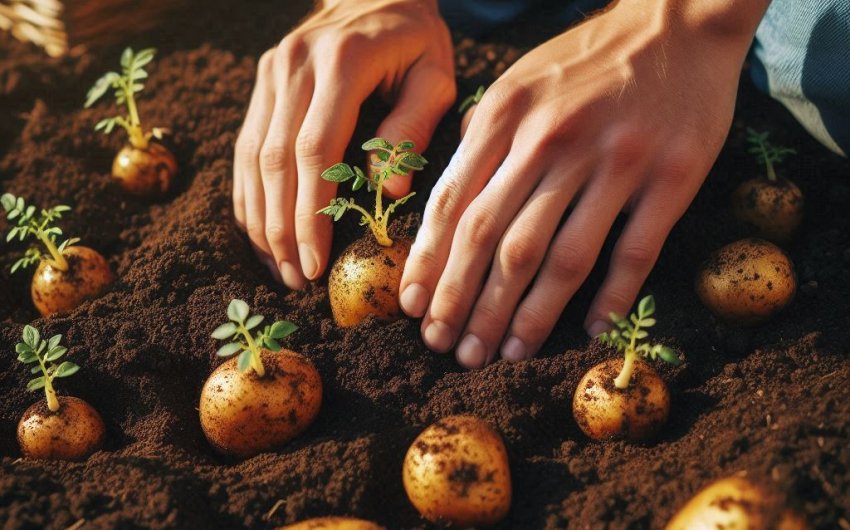
Growing your own potatoes can be incredibly rewarding, offering fresh, delicious tubers right from your garden. This comprehensive guide will walk you through everything you need to know about planting potatoes, from choosing the right variety to harvesting a truly bountiful crop. Whether you're a seasoned gardener or just starting out, you'll find valuable tips to ensure success.
Why Should You Plant Potatoes?
There are many compelling reasons to dedicate a spot in your garden to these versatile root vegetables.
- Freshness and Flavor: Homegrown potatoes often taste far superior to store-bought varieties. You can harvest them at their peak ripeness, ensuring maximum flavor.
- Variety Selection: Supermarkets typically offer only a few common potato types. When planting potatoes yourself, you gain access to a vast array of unique varieties with different colors, textures, and flavors, from tiny fingerlings to large baking potatoes.
- Cost Savings: Over time, growing your own produce can reduce your grocery bill. Potatoes are a staple crop and can yield a significant harvest from a relatively small space.
- Control Over Growing Conditions: You decide what goes into your soil and how your plants are treated. This is especially appealing for those interested in organic gardening, ensuring your potatoes are free from unwanted chemicals.
- Educational for Families: It's a fantastic project for kids, teaching them where food comes from and the joy of gardening. Digging up potatoes feels like a treasure hunt!
- Food Security: Having a reliable food source in your own backyard contributes to personal food security and self-sufficiency.
When Is the Best Time to Plant Potatoes?
Timing is crucial for a successful potato harvest. Planting potatoes at the right moment ensures they have the ideal conditions to grow and thrive.
Understanding Frost Dates
Potatoes are sensitive to frost. Their leafy tops will be damaged by freezing temperatures.
- Cool-Season Crop: Potatoes are considered a cool-season crop, meaning they prefer cooler temperatures for initial growth but need consistent warmth to form tubers.
- After Last Frost: The general rule of thumb is to plant potatoes about 2-4 weeks before your average last spring frost date. This gives them a head start but ensures the risk of a killing frost has passed.
- Soil Temperature: A more reliable indicator than air temperature is soil temperature. Potatoes germinate best when soil temperatures are consistently above 45°F (7°C). You can use a soil thermometer like the REOTEMP Garden Soil Thermometer to check this.
Regional Planting Schedules
- Northern Climates: Gardeners in colder regions (USDA Zones 3-6) typically plant in early spring, usually late March to early May, once the soil is workable.
- Southern Climates: In warmer regions (USDA Zones 7-10), you might have two planting seasons:
- Spring Crop: Plant in late winter to early spring (February-March).
- Fall Crop: Plant in late summer (August-September) for a fall harvest, often in areas with mild winters.
Always check with your local extension office or a regional gardening guide for the most precise planting dates for your specific area.
What Types of Potatoes Can You Grow?
Choosing the right potato variety is key to enjoying your harvest. Different types excel in various culinary uses and have distinct growing characteristics.
Common Potato Categories
Potatoes are generally categorized by their maturity rate and culinary use.
- Early-Season Potatoes (90-110 days to harvest):
- Mature quickly, often ready for "new potatoes" (small, tender tubers) early in the summer.
- Examples: Yukon Gold, Red Norland, Irish Cobbler.
- Great for boiling, steaming, or roasting as new potatoes.
- Mid-Season Potatoes (110-130 days to harvest):
- Offer a good balance of early maturity and decent storage potential.
- Examples: Kennebec, Russet Norkotah, Red Pontiac.
- Versatile for mashing, baking, and frying.
- Late-Season Potatoes (130-150+ days to harvest):
- Take the longest to mature but generally produce the largest yields and have the best storage qualities.
- Examples: Russet Burbank, Katahdin, German Butterball.
- Ideal for long-term storage, baking, and mashing.
Culinary Uses and Textures
- Starchy/Russet Potatoes: High in starch, low in moisture. They become light and fluffy when cooked.
- Best for baking, mashing, and frying (like French fries).
- Examples: Russet Burbank, Russet Norkotah.
- Waxy Potatoes: Low in starch, high in moisture. They hold their shape well when cooked.
- Best for boiling, roasting, potato salads, and stews.
- Examples: Red Norland, Yukon Gold, Fingerling varieties.
- All-Purpose Potatoes: A good balance between starchy and waxy.
- Versatile for most cooking methods.
- Examples: Yukon Gold, Kennebec, Katahdin.
Consider your cooking preferences and growing season length when selecting varieties for planting potatoes.
Where is the Best Place to Plant Potatoes?
Location is everything in gardening, and potatoes have specific needs to thrive.
Sunlight Requirements
- Full Sun: Potatoes need at least 6-8 hours of direct sunlight per day to produce a good harvest. More sun usually means more potatoes.
- Avoid Shady Spots: Planting in shade will lead to leggy plants, poor tuber development, and smaller yields.
Soil Preferences
- Loose, Well-Draining Soil: This is perhaps the most critical factor. Potatoes are root crops and need loose, friable soil to expand and form tubers without resistance. Heavy, compacted clay soil will hinder tuber growth and can lead to disease.
- Rich in Organic Matter: Amend your soil generously with compost, aged manure, or other organic matter. This improves soil structure, drainage, and fertility.
- Slightly Acidic pH: Potatoes prefer a slightly acidic soil pH between 5.0 and 6.5. A soil test will confirm your pH level. If your soil is too alkaline, you might need to add sulfur to lower the pH.
- Avoid Fresh Manure: Do not add fresh manure directly before planting potatoes, as it can promote scab disease. Use well-rotted manure, applied several months in advance.
Site Considerations
- Crop Rotation: To prevent disease buildup, avoid planting potatoes in the same spot where other members of the nightshade family (tomatoes, peppers, eggplant) have grown in the last 2-3 years. Rotate your crops.
- Good Air Circulation: Choose a site with good air flow to help prevent fungal diseases.
- Space: Potatoes can take up a fair amount of space. Plan accordingly, keeping in mind hilling requirements.
Growing Containers and Raised Beds
If you have limited space or poor soil, consider these alternatives for planting potatoes:
- Raised Beds: Excellent for controlling soil quality and drainage. Fill with a good quality, loose garden soil amended with compost.
- Grow Bags/Fabric Pots: Ideal for small spaces, patios, or balconies. Use large bags (at least 10-15 gallons) and a well-draining potting mix. A VIVOSUN 10-Pack 10 Gallon Grow Bags is a great option.
- Tires or Barrels: While effective, ensure any materials are food-safe and haven't contained harmful chemicals.
How Do You Prepare Seed Potatoes?
You can't just plant any old potato from the grocery store. For the best results, use certified seed potatoes.
What are Seed Potatoes?
- Disease-Free: Seed potatoes are specially grown and certified to be free from common potato diseases that can be lurking in supermarket potatoes. Planting potatoes from the grocery store can introduce diseases to your garden.
- Better Germination: They are bred for vigor and reliable germination.
- Not Seeds: Despite the name, seed potatoes are not true botanical seeds but rather small tubers or pieces of tubers used for propagation.
Chitting (Pre-Sprouting) Potatoes
Chitting encourages early, strong sprout development before planting. It's an optional but beneficial step.
- Preparation: Place seed potatoes in a single layer in an egg carton or shallow tray with the "eyes" (small indentations where sprouts emerge) facing upwards.
- Location: Put them in a cool (50-60°F or 10-15°C), well-lit area, but out of direct sunlight. A garage, shed, or cool windowsill works well.
- Timing: After 2-4 weeks, the eyes will develop short, stout, greenish-purple sprouts about 1/2 to 1 inch long. These are much stronger than the long, pale sprouts you get in a dark pantry.
Cutting Seed Potatoes
If your seed potatoes are larger than a chicken egg, you can cut them into pieces to get more plants.
- Eyes Per Piece: Each piece should have at least 1-2 "eyes" (sprouts or future sprouts).
- Size: Aim for pieces about the size of a golf ball or slightly larger (approximately 1.5-2 ounces).
- Sanitize Tools: Use a clean, sharp knife and sterilize it between cuts (with rubbing alcohol or a bleach solution) to prevent spreading any potential diseases.
- Curing (Callusing): After cutting, lay the pieces out in a single layer in a cool, airy spot (out of direct sun) for 2-3 days. This allows a protective layer to form over the cut surfaces, which helps prevent rot once planted. This step is crucial, especially in moist soil conditions.
Do not cut seed potatoes that are smaller than a golf ball. Plant them whole.
How Do You Plant Potatoes?
Once your soil is prepared and your seed potatoes are ready, it's time for the exciting part: planting potatoes!
Method 1: Trench Planting (Traditional Method)
This is a common method for growing potatoes in rows.
- Dig Trenches: Dig trenches 6-8 inches deep and about 6 inches wide.
- Spacing: Space rows 2-3 feet apart to allow for hilling and good air circulation.
- Place Seed Potatoes: Place your prepared seed potato pieces (cut side down or sprouts up) in the bottom of the trench, spacing them 10-12 inches apart.
- Cover Lightly: Cover the seed potato pieces with about 3-4 inches of soil.
- Water: Water lightly after planting to settle the soil.
Method 2: Hilling (Mound Planting)
This method involves planting in mounds and is particularly effective for encouraging tuber development.
- Prepare Beds: Loosen soil and amend with compost.
- Planting: Dig a hole 6-8 inches deep. Place a seed potato piece at the bottom.
- Cover Lightly: Cover with 3-4 inches of soil.
- Subsequent Hilling: As the plants grow, you'll "hill" up more soil around the stems. We'll discuss hilling in detail next.
Method 3: Growing in Containers/Grow Bags
This method is perfect for small spaces or less-than-ideal soil.
- Choose Container: Select a large container (at least 10-15 gallons) with drainage holes, such as a grow bag or large pot.
- Initial Layer: Add 6-8 inches of a good quality, well-draining potting mix to the bottom of the container.
- Place Seed Potatoes: Place 1-3 seed potato pieces (depending on container size) on top of the soil layer, spaced evenly.
- Cover Lightly: Cover the seed potatoes with about 4 inches of potting mix.
- Subsequent Hilling: As the plants grow, add more soil/potting mix, leaving only the top few inches of foliage exposed. Continue this process until the container is full.
General Tips for Planting
- Depth: The general planting depth is 6-8 inches, with an initial cover of 3-4 inches of soil.
- Orientation: Plant cut pieces with the cut side down or with the most prominent sprouts facing up. Whole seed potatoes can be planted in any orientation.
- Water After Planting: A gentle watering helps settle the soil around the seed potatoes.
How Do You Care for Potatoes as They Grow?
Proper care throughout the growing season ensures healthy plants and a strong yield.
Watering Needs
- Consistent Moisture: Potatoes need consistent moisture, especially during flowering and tuber formation. Irregular watering can lead to misshapen or cracked tubers.
- Deep Watering: Aim for 1-2 inches of water per week, either from rain or irrigation. Water deeply and less frequently to encourage deep root growth.
- Avoid Overhead Watering: Water at the base of the plants to reduce moisture on foliage, which can prevent fungal diseases. A soaker hose is excellent for this.
- Check Soil Moisture: Always feel the soil before watering. If the top 2-3 inches are dry, it's time to water.
Hilling Potatoes (Crucial Step!)
Hilling is the practice of mounding soil or compost around the potato plants as they grow. This is vital for two reasons:
- Protects Tubers: Potato tubers form along the underground stem. If exposed to sunlight, they turn green and produce a toxic compound called solanine, making them inedible. Hilling keeps them covered.
- Increases Yield: Hilling provides more space along the stem for new tubers to form, potentially increasing your harvest.
When and How to Hill:
- First Hilling: When the potato plants are about 6-8 inches tall, use a hoe or shovel to draw soil up around the stems, leaving only the top 3-4 inches of foliage exposed.
- Subsequent Hillings: Continue hilling every 2-3 weeks, or whenever the plants grow another 6-8 inches, until the plants begin to flower or the mound is about 12-18 inches high. For container potatoes, simply add more potting mix.
Fertilizing Potatoes
- Moderate Feeder: Potatoes are moderate to heavy feeders.
- Balanced Fertilizer: A balanced, slow-release granular fertilizer (like 5-10-10 or 5-10-5) or well-rotted compost worked into the soil before planting is often sufficient.
- Side-Dressing: If your soil is poor or plants show signs of nutrient deficiency, you can side-dress with a little more compost or a balanced fertilizer when the plants are about 6-8 inches tall, just before the first hilling.
- Avoid High Nitrogen: Too much nitrogen encourages leafy growth at the expense of tuber development.
Pest and Disease Management
Keep an eye out for common potato pests and diseases.
- Colorado Potato Beetle: These striped beetles and their reddish larvae can quickly defoliate plants. Handpick them and drop them into a bucket of soapy water. Neem oil can also be an effective organic spray.
- Potato Flea Beetles: Tiny black beetles that chew small holes in leaves, giving them a "shotgun" appearance. Row covers can offer protection.
- Potato Blight (Early and Late): Fungal diseases that cause brown spots on leaves and stems.
- Prevention: Ensure good air circulation, avoid overhead watering, and practice crop rotation.
- Treatment: In severe cases, organic fungicides like copper fungicide (check local regulations) may be necessary. Remove and destroy infected plant material.
- Scab: Causes rough, corky lesions on tubers.
- Prevention: Maintain slightly acidic soil (pH 5.0-6.0), avoid fresh manure, and keep soil consistently moist during tuber formation.
- Wireworms: Larvae that burrow into tubers.
- Prevention: Rotate crops, cultivate soil in fall to expose larvae, and avoid planting in recently grassed areas.
- Crop Rotation: The single best defense against most potato diseases is a consistent 3-4 year crop rotation cycle.
Regular inspection of your plants will help you catch problems early.
How and When Do You Harvest Potatoes?
Knowing when to harvest and how to properly store your potatoes will ensure you enjoy your bounty for months.
Harvesting New Potatoes
- Timing: "New potatoes" are small, tender, thin-skinned potatoes harvested early. You can start harvesting them when the plants begin to flower, typically 60-80 days after planting.
- Method: Gently reach into the mound of soil around the base of the plant and feel for small tubers. Carefully pull them out, trying not to disturb the main plant too much. You can leave the rest of the tubers to continue growing.
- Use Immediately: New potatoes don't store well and are best enjoyed within a few days of harvesting.
Harvesting Main Crop Potatoes for Storage
- Timing: For mature, full-sized potatoes meant for storage, wait until the plant's foliage begins to yellow and die back, usually 2-3 weeks after the tops have completely withered and died. This "curing" period in the ground allows the skin to toughen up, improving storage. This typically happens 100-150 days after planting potatoes, depending on the variety.
- Method:
- Loosen Soil: Use a garden fork (a broad fork works well for larger areas like the Bully Tools 92621 Broad Fork) to carefully loosen the soil around the plant. Start a foot or so away from the stem to avoid piercing tubers.
- Lift Gently: Carefully lift the entire plant, exposing the potatoes.
- Dig Around: Gently dig through the loosened soil to find all the tubers. They can sometimes be surprisingly far from the main stem.
- Avoid Bruising: Handle potatoes gently to prevent bruising, which can lead to rot in storage.
Curing and Storing Potatoes
Proper curing is essential for long-term storage.
- Initial Curing: After harvesting, gently brush off excess soil (do not wash them). Lay the potatoes in a single layer in a cool (50-60°F or 10-15°C), dark, well-ventilated area for 1-2 weeks. This allows the skins to toughen and any small cuts to heal, preventing spoilage.
- Long-Term Storage: After curing, move potatoes to a cool (35-45°F or 2-7°C), dark, and humid location. A root cellar, cool basement, or unheated closet works well.
- Darkness: Light will cause potatoes to turn green and produce solanine, making them bitter and potentially toxic.
- Humidity: Prevents shriveling.
- Air Circulation: Store in breathable containers like burlap sacks, perforated plastic bins, or mesh bags. Do not store in airtight containers.
- Avoid Apples/Onions: Store potatoes away from apples and onions, as the ethylene gas released by these can cause potatoes to sprout prematurely.
By following these guidelines, you can enjoy your homegrown potatoes for months after the harvest, making all your hard work of planting potatoes truly worthwhile.