
What Are the Best Weeding Tools for Clay Soil?
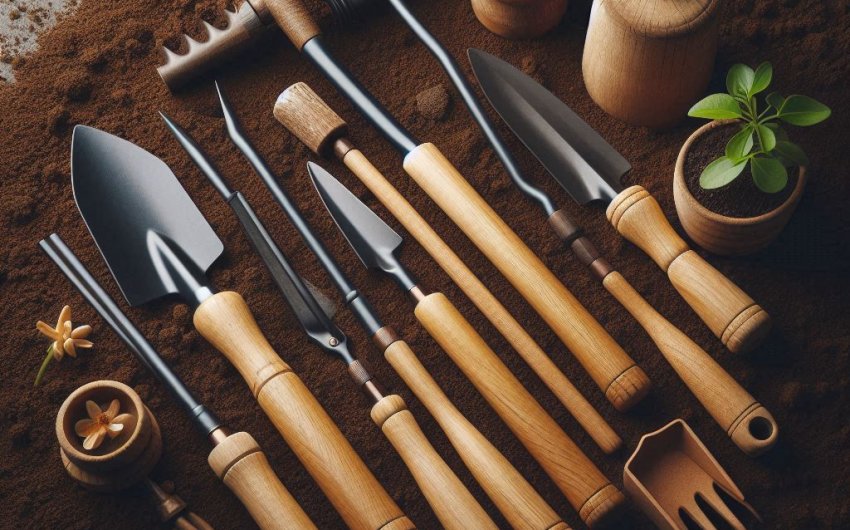
Tackling weeds in clay soil presents a unique challenge for gardeners, as its dense, sticky nature can stubbornly cling to root systems, making extraction a battle. Selecting the best weeding tools for clay soil is crucial for efficiency, reducing strain, and ensuring thorough weed removal. This comprehensive guide will delve into the specific characteristics of clay that make weeding difficult, and then highlight an array of hand tools and long-handled implements specifically designed to slice, pry, and lift weeds, roots and all, from this challenging soil type, transforming a frustrating chore into a manageable task.
Why is Weeding Clay Soil So Challenging?
Weeding clay soil is notoriously difficult, presenting unique frustrations that gardeners rarely encounter in other soil types. Understanding these challenges is the first step in identifying the best weeding tools for clay soil and developing effective strategies.
1. Dense and Compacted Structure
The fundamental characteristic of clay soil is its extremely fine particle size.
- Small Particles: Clay particles are the smallest of all soil particles, measuring less than 0.002 mm. Their tiny size allows them to pack together very tightly.
- Poor Aeration: This dense packing leaves very little space for air, making the soil often poorly aerated.
- Hardness When Dry: When clay soil dries out, it becomes incredibly hard and almost concrete-like, making it nearly impossible to penetrate with tools or pull weeds effectively.
- Stickiness When Wet: When clay soil is wet, it becomes sticky and clumpy, adhering stubbornly to tools and weed roots, making clean removal difficult. It can also form heavy, unwieldy clods.
2. Stubborn Root Retention
The unique structure of clay soil makes it an excellent gripper of plant roots.
- Tight Grip: The tightly packed particles "hug" weed roots firmly, providing immense resistance when you try to pull them out. This often leads to roots breaking off, leaving significant portions behind to regrow.
- Lack of Friability: Unlike loamy or sandy soils that crumble easily, clay soil's cohesive nature means it doesn't readily release roots, making it hard to extract entire weed systems.
3. Compaction Issues
Clay soil is highly prone to compaction, which exacerbates weeding difficulties.
- Reduced Porosity: Foot traffic, heavy rain, or working the soil when wet can easily compact clay, further reducing air spaces and making it even denser and harder to work with.
- Root Suffocation: Compaction hinders the movement of water and oxygen, stressing desirable plants while surprisingly often favoring certain tough weeds that can tolerate adverse conditions.
4. Limited Working Window
The extreme properties of clay soil mean there's a narrow window for optimal weeding.
- Too Dry: When bone dry, clay is impenetrable, risking damage to tools and significant effort for little return. Weeds often break off at the soil line.
- Too Wet: When soggy, clay is heavy, sticky, and can lead to further compaction if worked. Weeds come out with huge clods of mud attached, leaving large holes.
- Ideal Moisture: The best time to weed clay soil is when it is consistently moist (after a rain or deep watering) but not saturated – when it's workable, just slightly crumbly, but still holds together. This "goldilocks zone" can be fleeting.
5. Specific Weed Types Thrive in Clay
Some weeds are particularly adapted to heavy clay, making them persistent foes.
- Taproots: Weeds with strong, deep taproots (like dandelions, dock, burdock, thistle) can penetrate dense clay, anchoring themselves firmly and making them very hard to extract whole.
- Rhizomatous Weeds: Creeping weeds with extensive underground rhizome systems (like quackgrass, bindweed) are especially problematic, as breaking their fragile rhizomes in sticky clay often leads to more plants.
Understanding these inherent challenges prepares you for the specific demands of weeding this soil type and underscores the importance of choosing the best weeding tools for clay soil.
What Makes a Weeding Tool Effective for Clay Soil?
Choosing the best weeding tools for clay soil goes beyond general weeding principles. Specific design features, material choices, and ergonomic considerations are paramount for overcoming the unique challenges presented by dense, sticky clay.
1. Strength and Durability
Clay soil is tough on tools, so robust construction is essential.
- High-Quality Steel: Look for tools made from forged, high-carbon steel, stainless steel, or boron steel. These materials are less likely to bend, break, or chip when encountering dense clay or hidden rocks. Cheaper, stamped steel will quickly deform.
- Robust Shafts/Handles: Handles should be strong (e.g., solid hardwood, fiberglass, or thick steel tubing) and securely attached to the head. They must withstand significant leverage and pulling force without snapping.
- Solid Construction: Avoid tools with flimsy welds or weak connection points between the head and handle.
2. Leverage and Prying Power
Since clay soil grips roots so tightly, the ability to pry is crucial.
- Long Handles: Longer handles provide greater leverage, allowing you to apply more force with less effort, especially when dealing with deep-rooted weeds.
- Fulcrum Point: Tools designed with a strong, angled fulcrum (a point on the tool that rests on the ground while the handle is pushed down to lever the weed out) are highly effective for extracting taproots.
- Sturdy Blade/Tine: The working end needs to be strong enough to withstand prying action without bending or breaking.
3. Penetration and Cutting Ability
The tool must be able to break into the dense soil.
- Sharp, Tapered Edges: Blades should be sharp and tapered to cut into the compacted clay rather than just pushing against it. A well-sharpened edge makes a huge difference.
- Pointed or Narrow Design: Tools with pointed tips or narrow blades (like dandelion weeders or hori-hori knives) can more easily penetrate dense soil to reach roots.
- Slicing Action: For surface weeds, tools that slice cleanly through the soil just below the surface can be effective in clay, as long as the clay isn't too hard.
4. Ease of Cleaning (Reduced Stickiness)
Clay's sticky nature means tools can quickly become caked with mud.
- Smooth Surfaces: Tools with polished or smooth metal surfaces are easier to clean than rough or textured ones.
- Minimal Cracks/Crevices: Designs with fewer nooks and crannies where mud can accumulate will be less frustrating to use.
- Non-Stick Coatings (Rare but exists): Some tools might have very basic non-stick coatings, though these wear off.
- Self-Cleaning Design: Some hoes or cultivators have designs that help shed soil.
5. Ergonomics and Comfort
Weeding clay soil is physically demanding, so tool comfort matters.
- Comfortable Grips: Handles should be comfortable to hold, reducing hand fatigue and blistering. Look for ergonomic grips or padded handles.
- Weight and Balance: While durability requires some weight, the tool should still be balanced and manageable to use for extended periods.
- Appropriate Length: Choose tools with handle lengths appropriate for your height to prevent excessive bending or awkward posture.
By seeking out tools that possess these specific characteristics, you'll be well-equipped with the best weeding tools for clay soil, turning a challenging task into a more manageable one.
What are the Best Hand Weeding Tools for Clay Soil?
For precision and focused removal of individual weeds in tight spots, certain hand weeding tools excel in clay soil. Their design prioritizes leverage, penetration, and the ability to extract stubborn roots without excessive soil disturbance. These are essential for mastering the best weeding tools for clay soil.
1. Dandelion Weeder / Forked Weeder
A specialized tool for tap-rooted weeds.
- Description: Typically a short-handled tool with a long, slender, often V-shaped or forked metal end. Some have a curved fulcrum on the shaft.
- How it Works: You push the forked end deep alongside the taproot, use the fulcrum (if present) to lever against the ground, and lift the entire root system out.
- Why it's Good for Clay: The narrow, pointed fork can penetrate dense clay to get deep, and the leverage mechanism is crucial for prying out roots stuck in sticky soil.
- Pros: Excellent for dandelions, thistles, dock, and other tap-rooted weeds. Minimizes soil disturbance.
- Cons: Only for individual weeds, slow for large areas. Can still break taproots if not used carefully in very hard clay.
- Amazon Link: Fiskars Ergo Dandelion Weeder or a classic dandelion weeder.
2. Hori-Hori Knife (Japanese Digging Knife)
A versatile, multi-purpose tool that is surprisingly effective for weeding.
- Description: A sturdy, thick blade (often 6-7 inches long) with a sharp, pointed tip on one side and a serrated edge on the other. It usually has a comfortable wooden or rubber handle.
- How it Works: The sharp, pointed tip allows it to cut deeply into dense clay. You can use it to slice through weed roots, pry them out, or even dig out clumps. The serrated edge is useful for cutting through tougher roots or small sod.
- Why it's Good for Clay: Its robustness allows forceful penetration, and the prying ability helps dislodge sticky root balls.
- Pros: Extremely versatile (weeding, digging, transplanting, cutting twine). Durable.
- Cons: Can be sharp, requiring careful handling. Not ideal for large-scale weeding.
- Amazon Link: Hori-Hori Japanese Gardening Knife.
3. Hand Fork / Cultivator
Good for loosening soil and dislodging shallow-rooted weeds.
- Description: A short-handled tool with 3-5 sturdy tines, often curved.
- How it Works: You jab it into the soil near a weed, rock it back and forth to loosen the soil around the roots, and then pull the weed. It's also great for breaking up small clumps of clay.
- Why it's Good for Clay: Its strong tines can break apart some of the clay clumps, making it easier to pull weeds out whole.
- Pros: Good for cultivating small areas, gentle on desirable plant roots, relatively inexpensive.
- Cons: Less effective for deep-rooted weeds or large infestations.
- Amazon Link: Fiskars Ergo Garden Fork or a sturdy hand cultivator.
4. Cape Cod Weeder
Excellent for precise weeding in tight spaces.
- Description: A short-handled tool with a small, sharp, L-shaped blade.
- How it Works: You pull the blade just under the soil surface to slice weed roots cleanly. The sharp point can also be used to target individual weeds.
- Why it's Good for Clay: The sharp, thin blade can slice through dense topsoil where other tools might struggle to penetrate.
- Pros: Very precise, good for weeding between closely spaced plants. Efficient for shallow-rooted weeds.
- Cons: Not for deep-rooted weeds, requires bending/kneeling, can break in extremely hard clay if forced.
- Amazon Link: Cape Cod Weeder.
5. CobraHead Weeder
A unique, versatile hand tool designed for tough conditions.
- Description: Features a single, sharp, curved, and pointed steel tine designed to emulate a finger or claw. Often with an ergonomic handle.
- How it Works: The sharp point can dig into compacted soil, while the curved blade allows for digging, furrowing, edging, and weeding. You can use it to hook under weed roots and pull them out.
- Why it's Good for Clay: Its robust single tine provides excellent leverage and digging power to dislodge stubborn weeds and break up compacted spots.
- Pros: Extremely versatile, durable, good for digging and weeding in tough soil.
- Cons: Can be pricey, still requires hand power.
- Amazon Link: CobraHead Weeder and Cultivator.
When dealing with clay soil, these hand tools offer the precision and power needed for effective weed removal, making them some of the best weeding tools for clay soil.
What are the Best Long-Handled Weeding Tools for Clay Soil?
Long-handled weeding tools provide leverage and reduce strain on your back and knees, which is especially valuable when tackling clay soil. These implements are designed for more extensive areas or deeper-rooted weeds, making them essential for effective and efficient weeding strategies in challenging conditions.
1. Digging Fork / Broadfork
Excellent for aerating and loosening large areas of compacted clay, making weeding easier.
- Description:
- Digging Fork: A traditional tool with four sturdy, pointed tines.
- Broadfork: A larger tool with two handles and a row of long, strong tines.
- How it Works: You push the tines deep into the soil and rock the handles back and forth (or up and down for a digging fork) to loosen and aerate the soil without inverting it. This breaks up compaction and loosens weed roots.
- Why it's Good for Clay: It excels at penetrating and fracturing dense clay, which is crucial before attempting to pull weeds. It makes the soil more friable.
- Pros: Improves soil structure, reduces compaction, makes subsequent weeding much easier. Chemical-free.
- Cons: Requires significant physical effort, does not remove weeds directly, only loosens them.
- Amazon Link: A durable garden digging fork or a broadfork.
2. Long-Handled Dandelion Weeder
Extends the reach and leverage of its hand-held counterpart.
- Description: A long handle (often 4-5 feet) attached to a narrow, V-shaped or clawed head designed to penetrate deeply around taproots. Some have a foot pedal or step-plate for added leverage.
- How it Works: You position the head over the weed, push it into the ground, and then use the handle or foot pedal to lever the weed and its entire taproot out of the soil.
- Why it's Good for Clay: The extended leverage and pointed head are invaluable for extracting stubborn taproots from dense clay without bending over.
- Pros: Great for dandelions, thistles, and other tap-rooted weeds; reduces back strain.
- Cons: Only for individual weeds, can be slow for widespread infestations. May still leave root fragments if not used precisely.
- Amazon Link: Fiskars Stand-up Weeder or similar long-handled dandelion weeder.
3. Garden Hoe (Specific Types)
Not all hoes are created equal for clay; look for designs that slice or chop.
- Action Hoe (Loop Hoe / Stirrup Hoe):
- Description: A U-shaped or stirrup-shaped blade that rocks back and forth just below the soil surface.
- How it Works: You push and pull it, and the sharpened blade slices through weed roots horizontally, detaching them just below the soil line.
- Why it's Good for Clay: Effective for shallow-rooted annual weeds when the clay is moist enough to allow the blade to slide. It minimizes bringing up large clods.
- Pros: Fast for surface weeds, good for cultivating, reduces bending.
- Cons: Less effective for deep-rooted perennials or in very hard/sticky clay where it can skip over weeds or just move clumps around.
- Amazon Link: Action Hoe.
- Warren Hoe (Pointed Hoe):
- Description: A sturdy hoe with a pointed, heart-shaped blade.
- How it Works: The pointed tip is excellent for digging into compacted soil to create furrows or for precise weed removal around plants. The edges can be used to chop or slice.
- Why it's Good for Clay: The pointed tip offers better penetration into dense clay than flat hoes.
- Pros: Good for digging and breaking up smaller clumps.
- Cons: Can be tiring for large-scale weeding, more about chopping than slicing.
- Amazon Link: Warren Hoe.
4. Grub Hoe (Heavy-Duty Digging Hoe)
For breaking up very tough, uncultivated clay.
- Description: A very heavy, wide, and thick blade attached perpendicularly to a stout handle. Resembles a small pickaxe.
- How it Works: You swing it to chop into very hard, compacted soil, breaking up clods and severing tough roots.
- Why it's Good for Clay: Excellent for initially breaking up uncultivated or severely compacted clay soil that other tools can't penetrate.
- Pros: Powerful, durable, good for heavy-duty ground breaking.
- Cons: Very heavy and tiring to use, not for precision weeding or cultivated beds. More of a soil prep tool than a regular weeding tool.
- Amazon Link: Grub Hoe.
When selecting long-handled tools, prioritize those with strong handles and robust heads designed for tough use. These choices will be among the best weeding tools for clay soil, making larger weeding tasks more manageable and less strenuous.
What Are Important Considerations When Weeding Clay Soil?
Beyond choosing the best weeding tools for clay soil, mastering the art of weeding this challenging medium involves strategic timing, proper technique, and ongoing soil improvement. These considerations are crucial for long-term success and reduced effort.
1. Timing Your Weeding Efforts
The moisture content of clay soil is the single most critical factor for successful weeding.
- Ideal Moisture: Wait until the soil is consistently moist, but not soaking wet or bone dry.
- "Damp but Not Sticky": The perfect time is usually a day or two after a good rain or deep watering, when the soil has had a chance to absorb moisture but has also drained excess water. It should feel pliable and crumbly, but still hold together when squeezed.
- Why it's Ideal: When the soil is at this "just right" moisture level, it softens enough for tools to penetrate, and it releases weed roots more easily without forming huge, heavy clods.
- Avoid Wet Soil: Do not weed when the clay soil is saturated and sticky. Working wet clay causes severe compaction, destroying its structure and making it even harder to work with in the future. It also makes a huge mess.
- Avoid Dry Soil: Do not weed when the clay soil is bone dry and hard. Tools will bounce off or bend, and weeds will simply snap off at the soil line, leaving their roots to regrow.
2. Technique for Root Removal
Focus on extracting the entire root system to prevent regrowth.
- Pry, Don't Pull (if soil is dry/hard): If the soil is still somewhat firm, use a prying tool (like a dandelion weeder or hori-hori) to lever the weed out, ensuring the entire taproot comes up.
- Lift, Don't Chop (if soil is moist): When the soil is at ideal moisture, a digging fork can be used to loosen a section of soil around a weed, allowing you to gently lift the weed out with its root system intact.
- Follow the Root: For persistent weeds like quackgrass or bindweed, try to follow the root as far as possible to remove every fragment, as even small pieces can re-sprout.
- Dispose Properly: Immediately remove all weed roots and plant parts from the garden. Do not put perennial weeds (especially those with taproots or rhizomes like quackgrass, bindweed, dandelions) into your regular compost pile unless you're sure it reaches and maintains high temperatures. Bag them for disposal or dry them completely on a hard surface in the sun until brittle before discarding.
3. Ongoing Soil Improvement
Improving the long-term structure of your clay soil reduces future weeding effort.
- Add Organic Matter: This is the most crucial long-term strategy. Continuously amend your clay soil with generous amounts of compost, well-rotted manure, shredded leaves, or other organic materials.
- How it Helps: Organic matter acts like a glue, binding tiny clay particles into larger, more stable aggregates. This creates more pore spaces, improving drainage, aeration, and making the soil more friable and easier to work.
- Avoid Compaction:
- Stay Off Wet Soil: Never walk on or work clay soil when it's wet and sticky.
- Use Paths/Stepping Stones: Create designated paths or use stepping stones in your garden beds to avoid compacting the soil where plants are growing.
- Broadfork: Use a broadfork periodically to aerate the soil without inverting the layers.
- Mulch Heavily: After weeding, apply a thick layer (2-4 inches or 5-10 cm) of organic mulch (e.g., shredded leaves, straw, wood chips) over garden beds.
- Benefits: Suppresses new weed growth by blocking light, retains soil moisture (extending the optimal weeding window), moderates soil temperature, and slowly adds organic matter to the soil as it decomposes. This is a game-changer for reducing weeding frequency.
4. Sharpen and Clean Your Tools
Well-maintained tools perform better and last longer.
- Keep Blades Sharp: Sharp blades cut through soil and roots more effectively than dull ones, reducing effort. Sharpen your hoes, shovels, and trowels regularly. A simple file for garden tools works well.
- Clean After Each Use: Remove caked-on clay immediately after weeding. Clay is sticky and can promote rust. Wipe tools clean and dry, then apply a light coat of oil for protection.
By incorporating these critical considerations into your weeding routine, you'll find the best weeding tools for clay soil become even more effective, transforming a challenging task into a more manageable aspect of garden care.