
Essential Hand Tools for Pruning Fruit Trees
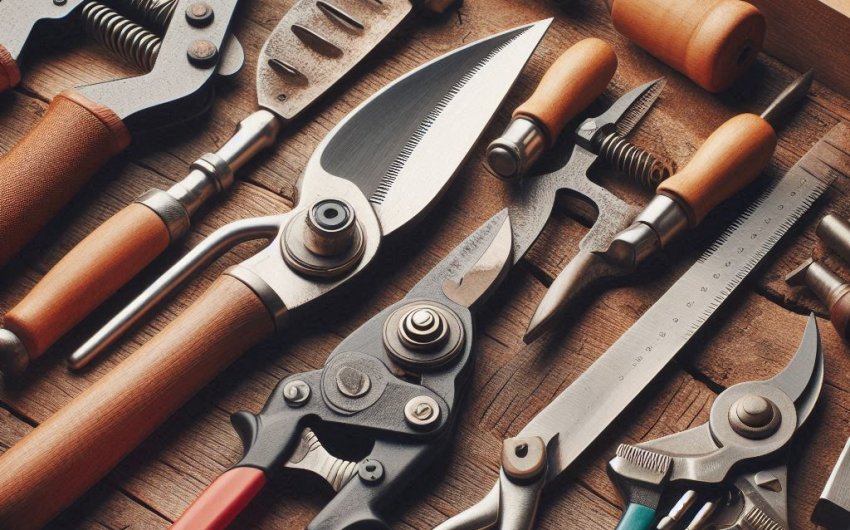
Maintaining the health and productivity of your fruit trees hinges on proper care, and a crucial aspect of that care is regular pruning. Equipping yourself with the right essential hand tools for pruning fruit trees is fundamental, ensuring clean cuts and minimizing stress on your valuable orchard specimens. This guide will navigate the must-have instruments for effective and safe tree shaping.
Why are Specific Hand Tools Important for Pruning Fruit Trees?
Employing dedicated hand tools for pruning fruit trees is paramount for several reasons. Unlike general garden shears, these specialized tools are designed to make precise, clean cuts that promote healing and prevent disease, ultimately contributing to a more bountiful harvest and longer tree life. Using the wrong tool can damage the tree, leading to disease entry points and poor growth.
What Makes a Good Pruning Cut?
The quality of your cut is directly linked to the health and future growth of your fruit tree. A clean, precise cut helps the tree heal quickly and efficiently.
- Sharpness: The most critical factor. A sharp blade slices through wood cleanly, leaving a smooth surface. Dull blades crush and tear plant tissue, creating ragged wounds that are slow to heal and invite pests and diseases.
- Angle: Proper cuts are made at a specific angle (often just outside the branch collar, a swollen area at the base of the branch) to allow water to shed off and encourage rapid callus formation (the protective tissue that forms over a wound).
- Location: Cuts should be made precisely where intended, whether at a bud, a branch collar, or to remove a dead limb. Misplaced cuts can leave stubs that won't heal or remove too much essential growth.
- Minimizing Damage: Good tools are designed to reduce the force needed, lessening fatigue and the chance of slippage, which can lead to accidental damage to the tree or the pruner.
How Does Tool Quality Affect Tree Health?
The adage "you get what you pay for" often holds true for pruning tools. Investing in quality pays dividends in tree health and tool longevity.
- Cleanliness: Quality tools are easier to clean and sanitize between cuts or trees, which is crucial for preventing the spread of diseases.
- Durability: Well-made tools are constructed from high-quality materials that resist rust and maintain their edge longer, reducing the need for frequent sharpening or replacement.
- Ergonomics: Good tools are designed for comfortable use, reducing strain on your hands and wrists during extended pruning sessions. This helps ensure precise cuts, even after many repetitions.
- Precision: Higher quality tools typically have tighter tolerances and better blade alignment, which allows for more accurate and clean cuts.
What are the Essential Hand Pruners for Fruit Trees?
Hand pruners, sometimes called secateurs, are the workhorses of any pruning kit. They are ideal for smaller cuts, ranging from thin twigs to branches up to about 3/4 inch in diameter. Every fruit tree owner should have at least one reliable pair.
What are Bypass Pruners?
Bypass pruners are the most common and recommended type for live wood on fruit trees.
- How They Work: They feature two blades that "bypass" or slide past each other, much like a pair of scissors. One blade is sharp, and the other is a thicker, unsharpened blade (or hook) that holds the branch in place.
- Clean Cuts: This scissor-like action creates very clean, precise cuts on live stems, minimizing damage to plant tissue. This is crucial for tree health and quick healing.
- Ideal Use: Perfect for making cuts on young branches, suckers, water sprouts, and deadheading (removing spent flowers) on small fruit trees. They are also excellent for fine shaping and detail work.
- Limitations: Generally limited to branches up to about 3/4 inch (2 cm) in diameter, depending on the tool's strength and the user's hand strength. For thicker branches, you'll need larger tools.
- Recommended Features: Look for a pair with comfortable, non-slip handles, a sharp, replaceable blade, and a sturdy locking mechanism. A bypass pruner with a sap groove can help prevent blades from sticking.
- Maintenance: Regular cleaning and sharpening are essential to maintain the clean cutting action and prolong the life of the blades. After each use, wipe down the blades and apply a light oil.
What are Anvil Pruners?
While sometimes seen as an alternative, anvil pruners are generally not recommended for live wood on fruit trees.
- How They Work: They have a single sharp blade that cuts down onto a flat, unsharpened "anvil" plate.
- Crushing Action: The cutting action is more of a crushing one than a clean slice. This can damage living plant tissue by bruising and tearing it, leaving jagged wounds that are slow to heal and more susceptible to disease.
- Ideal Use (Limited): Best suited for cutting dead, dry, or woody material where a clean cut is less critical, or for very tough, fibrous stems that might bind bypass pruners. They are not the best choice for delicate, living fruit tree branches.
- Not Recommended for Fruit Trees: Due to the potential for crushing delicate cambium tissue (the living layer just beneath the bark), anvil pruners should generally be avoided for pruning fruit trees.
What are the Essential Loppers for Fruit Trees?
When you encounter branches too thick for hand pruners, loppers become your next go-to tool. Their long handles provide increased leverage, allowing you to cut through thicker material with less effort.
What are Bypass Loppers?
Similar to bypass pruners, bypass loppers are the preferred type for cutting live wood on fruit trees due to their clean cutting action.
- How They Work: They feature two blades that bypass each other, providing a clean, scissor-like cut. The long handles significantly increase leverage compared to hand pruners.
- Cutting Capacity: Most bypass loppers can comfortably cut branches between 1 to 2 inches (2.5 to 5 cm) in diameter, though heavy-duty models might handle slightly more. This makes them ideal for removing medium-sized limbs, crossing branches, or for initial shaping of young trees.
- Preserving Tree Health: The clean cut produced by bypass loppers is vital for the health of your fruit trees. It minimizes bark tearing and reduces the risk of disease entry.
- Types:
- Standard Loppers: Simple, direct action.
- Gear or Ratchet Loppers: These types incorporate mechanisms that amplify cutting power, making it easier to cut through thicker branches with less effort. A ratchet lopper is particularly helpful for those with limited hand strength or when making many cuts.
- Handle Length: Loppers come with various handle lengths. Longer handles provide more leverage but can be cumbersome in tight spaces. Consider the typical size of branches you'll be cutting and the reach you need. A long handle lopper might be useful for higher branches within reach.
- Maintenance: Keep blades clean and sharp. Sap can easily build up on lopper blades due to their larger cutting surface.
What are Anvil Loppers?
Similar to their hand pruner counterparts, anvil loppers are generally not recommended for cutting live wood on fruit trees.
- How They Work: They have a single sharp blade that cuts down onto a flat anvil plate, resulting in a crushing action.
- Disadvantages for Live Wood: This crushing action can damage the delicate cambium layer of live branches, leaving ragged wounds that are slow to heal and prone to disease.
- Limited Use: While they excel at cutting dead, dry, or very tough woody material, their use on live fruit tree branches should be avoided to promote optimal tree health. If you are specifically removing dead branches, an anvil lopper might be faster, but inspect the cuts carefully for cleanliness.
What are the Essential Saws for Fruit Trees?
For branches too large for even your loppers, a pruning saw becomes indispensable. These specialized saws are designed for efficient cutting of thicker limbs without causing undue stress to the tree. They are a must-have for mature fruit trees or significant structural pruning.
What are Hand Pruning Saws?
Hand pruning saws are designed for precision and control when removing larger branches from fruit trees.
- Blade Design: Most pruning saws have curved or straight blades with aggressive, sharp teeth designed to cut on the push and/or pull stroke. The teeth are typically "razor-sharp" and set (bent slightly outwards) to prevent the blade from binding in the cut.
- Cutting Capacity: A good hand pruning saw can effortlessly cut through branches from 2 inches (5 cm) up to about 6-8 inches (15-20 cm) in diameter, depending on the blade length and the saw's design. This makes them ideal for removing scaffold branches, larger crossing limbs, or dealing with mature growth.
- Types:
- Fixed-Blade Saws: These have a rigid blade that doesn't fold. They are generally sturdier and offer more precise control for larger cuts. A fixed-blade pruning saw is a robust option.
- Folding Saws: Convenient for portability and safety, as the blade folds into the handle. While generally smaller, some folding pruning saw models offer surprising cutting capacity.
- Curved Blade Saws: The curve helps the saw "bite" into the wood more easily and stay in the cut, especially when reaching into tight spaces or cutting overhead. Many popular pruning saws have curved blades.
- Making a Clean Cut: When using a pruning saw, it's crucial to make a smooth, continuous stroke. For heavier branches, use the "three-cut method" to prevent bark tearing:
- Make an undercut about a foot from the trunk, cutting about 1/3 of the way through the branch from the bottom.
- Make a top cut a few inches further out from the undercut, cutting all the way through the branch. The branch will fall, preventing bark tearing.
- Make the final cut cleanly at the branch collar, removing the stub.
- Safety: Always use two hands for a firm grip, and be aware of where the branch will fall. Wear appropriate safety gear.
What are Pole Pruners/Saws?
For branches high up in the fruit tree that are out of reach, a pole pruner or pole saw eliminates the need for a ladder, enhancing safety and efficiency.
- How They Work: These tools consist of a cutting head (either a lopper mechanism or a small saw blade) attached to a long, extendable pole.
- Cutting Head Types:
- Lopper Head: Operated by a rope or lever, these are ideal for small to medium-sized branches (up to 1.5-2 inches or 4-5 cm) high up. A pole pruner with lopper is great for many tasks.
- Saw Head: A small pruning saw blade attached to the pole, designed for cutting larger branches that cannot be handled by the lopper mechanism. A pole saw is often sold separately or as a convertible attachment.
- Extendable Poles: Poles can be telescopic, allowing you to adjust the length to suit the height of the branch you are working on. Common lengths range from 6 feet (1.8 meters) to over 20 feet (6 meters) when fully extended.
- Safety Considerations:
- Overhead Hazards: Be extremely careful when working with a pole pruner, as falling branches can be dangerous.
- Power Lines: Never use a pole pruner near power lines. The pole, even if non-conductive, can cause severe injury or death if it comes into contact with electricity.
- Control: Maneuvering a long pole with a cutting head can be challenging and tiring. Practice on lower branches before tackling higher ones.
- Ideal Use: Removing crossing branches high in the canopy, thinning dense growth, or accessing dead wood that's out of arm's reach.
What Other Tools and Accessories are Important for Pruning?
Beyond the primary cutting tools, several other items are crucial for safe, efficient, and healthy fruit tree pruning. These accessories protect you, maintain your tools, and ensure the best outcome for your trees.
Why is Tool Sharpening Important?
A sharp tool is not only safer but also makes cleaner cuts, which is vital for tree health.
- Clean Cuts, Healthy Trees: As discussed, sharp blades create smooth cuts that heal quickly, preventing disease entry and promoting vigorous growth. Dull blades tear and crush, leaving jagged wounds that are difficult for the tree to seal.
- Reduced Effort and Fatigue: Sharp tools slice through wood with minimal effort, reducing strain on your hands, wrists, and arms. This makes pruning less tiresome and allows for more precise work.
- Extends Tool Life: Regular sharpening, rather than letting blades become excessively dull, prevents damage to the blade's edge and extends the overall life of your tools.
- Sharpening Tools:
- Pruning Tool Sharpener: A pruning tool sharpener specifically designed for garden tools is a good investment. Many are small, handheld devices with carbide or diamond grit sharpening surfaces.
- Sharpening Stone: A sharpening stone (whetstone) used with water or oil can provide a very fine edge for precision tools.
- File: A flat file can be used for larger blades, like those on loppers or saws, to remove nicks and reshape the edge before fine-tuning with a sharpener.
- Frequency: Sharpen your tools frequently, even during a pruning session if you notice them becoming less effective. A few passes with a sharpener are usually enough to restore the edge.
Why is Tool Cleaning and Disinfection Important?
Cleaning and disinfecting your pruning tools after and even during pruning sessions is paramount to preventing the spread of diseases.
- Preventing Disease Spread: Many common fruit tree diseases (like fire blight or bacterial canker) can be easily spread from an infected tree or branch to a healthy one via contaminated tools. Disinfection kills these pathogens.
- Extends Tool Life: Removing sap and debris prevents rust and corrosion, extending the life of your tools and maintaining their smooth operation.
- Cleaning Process:
- Remove Debris: After each use, or when moving between trees or between cuts on a diseased tree, use a stiff brush or an old cloth to wipe off sap, dirt, and plant debris from the blades and moving parts.
- Wash (Optional): For stubborn sap, wash the blades with warm, soapy water.
- Dry Thoroughly: Always dry your tools completely to prevent rust.
- Disinfection Solutions:
- Rubbing Alcohol: A common and effective disinfectant. Soak blades in a solution of 70% isopropyl alcohol for 30 seconds or wipe thoroughly with an alcohol-soaked cloth. Keep a spray bottle of rubbing alcohol handy.
- Household Bleach (Diluted): A 10% bleach solution (1 part bleach to 9 parts water) is effective but corrosive to tools over time. Rinse tools thoroughly with clean water after using bleach and dry immediately.
- Pine-Sol or Lysol: These household cleaners can also be used as disinfectants, often at full strength or slightly diluted.
- When to Disinfect:
- Before you start pruning.
- After finishing with one tree and moving to another.
- After making a cut on a diseased branch (disinfect before making the next cut on a healthy part of the tree).
What Protective Gear Should I Use?
Safety should always be a top priority when pruning. Proper protective gear minimizes the risk of injury.
- Gloves: A good pair of gardening gloves protects your hands from thorns, splinters, blisters, and cuts. Look for gloves that are durable but still allow for dexterity.
- Safety Glasses: Essential to protect your eyes from flying debris, sawdust, or snapping branches. A pair of safety glasses is inexpensive and invaluable.
- Long Sleeves and Pants: Protect your arms and legs from scratches, cuts, and insect bites.
- Sturdy Footwear: Closed-toe shoes with good grip are crucial, especially when working on uneven ground or with larger tools.
- Hard Hat (Optional but Recommended for Large Trees): If you are working on a very large tree or removing substantial limbs, a hard hat can protect against falling branches.
What are Other Useful Accessories?
These items can make your pruning tasks more convenient and efficient.
- Tool Holster: A pruning tool holster keeps your hand pruners readily accessible on your belt, freeing your hands.
- Drop Cloth or Tarp: To collect pruned branches and debris, making cleanup easier.
- First Aid Kit: A basic first aid kit for minor cuts or scratches.
- Ladder: For taller trees, a sturdy orchard ladder designed for stability on uneven ground is safer than a standard step ladder. Ensure it's placed securely.
Armed with the correct essential hand tools for pruning fruit trees and the knowledge to use and maintain them, you are well-prepared to keep your orchard thriving. These implements are not merely instruments; they are extensions of your care, ensuring each cut promotes the health, vigor, and ultimate fruitfulness of your trees.