
How to Fix Lawns Damaged by Heavy Lawn Furniture?
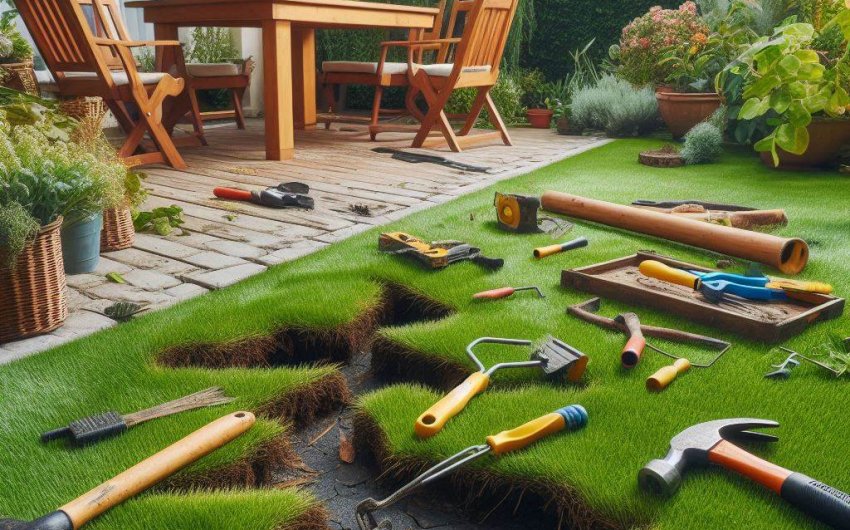
The lush green expanse of a healthy lawn can easily be marred by the presence of weighty outdoor décor, leaving behind unsightly depressions or even dead patches. If you're confronting the challenge of lawns damaged by heavy lawn furniture and seeking guidance on how to fix these affected areas, you'll find that with a combination of targeted repair techniques and preventative strategies, you can restore your turf's pristine appearance. Addressing the compacted soil and revitalizing the grass are key steps to a uniformly vibrant lawn.
What Causes Damage to Lawns from Heavy Furniture?
The seemingly innocuous act of placing heavy lawn furniture on your turf can lead to significant damage. Understanding the underlying mechanisms of this harm is the first step toward both effective repair and successful prevention. It's primarily a combination of weight, lack of light, and insufficient air circulation that contributes to these issues.
Why Does Compaction Occur Under Heavy Objects?
- Weight Distribution: Heavy furniture, especially pieces with small feet or narrow bases, concentrates a large amount of weight onto a very small surface area. This intense localized pressure pushes down on the soil particles, squeezing them closer together.
- Soil Particle Compression: When soil particles are forced together, the vital air pockets and pore spaces between them are drastically reduced. These spaces are crucial for the exchange of gases (oxygen for roots, carbon dioxide release) and for water infiltration.
- Reduced Water and Nutrient Uptake: Compacted soil makes it difficult for grass roots to penetrate and grow. It also hinders water from soaking deeply into the soil, leading to runoff, and prevents nutrients from reaching the root zone effectively.
- Anaerobic Conditions: With air squeezed out, the soil can become anaerobic (lacking oxygen). This environment is detrimental to beneficial soil microorganisms and grass roots, leading to dieback and unhealthy turf. This is a primary reason for lawn damage.
How Does Lack of Light Affect Grass?
- Photosynthesis Inhibition: Grass, like all green plants, relies on photosynthesis to convert sunlight into energy. When a heavy piece of furniture casts a constant shadow over a patch of grass, it blocks the essential sunlight needed for this process.
- Chlorophyll Breakdown: Prolonged lack of light causes the chlorophyll (the green pigment in plants) to break down, leading to yellowing and eventually browning of the grass blades as the plant essentially starves.
- Stunted Growth: Even if the grass doesn't immediately die, lack of light will result in weak, leggy, and unhealthy growth, making it more susceptible to further stress and damage. This can create distinct, discolored outlines where furniture has been placed.
What Role Does Poor Air Circulation Play?
- Humidity Trapping: The underside of heavy lawn furniture can trap humidity, especially after rain or irrigation. This creates a consistently moist environment at the soil surface, which can promote fungal diseases.
- Oxygen Deprivation: As mentioned with compaction, restricted airflow prevents oxygen from reaching the grass blades and the soil below. Stagnant air under furniture can also lead to fungal and bacterial growth on the grass blades themselves.
- Microclimate Creation: The furniture creates a distinct microclimate that is often less favorable for healthy grass growth than the surrounding open lawn, contributing to localized damage. This is particularly noticeable with large, solid bases.
How Can You Fix Minor Lawn Damage from Furniture?
For relatively shallow indentations or areas with discolored but not completely dead grass, timely and gentle intervention can often restore your lawn without requiring extensive work. These fixes focus on relieving compaction and encouraging grass recovery.
Relieving Compaction with Aeration
- Why Aerate?: Aeration breaks up compacted soil, allowing air, water, and nutrients to penetrate the root zone more effectively. This is crucial for reviving grass that has been under pressure.
- Tools:
- Garden Fork: For small, localized spots, a standard garden fork is perfect. Push the tines into the compacted area to their full depth, then gently rock the fork back and forth to loosen the soil. Repeat this process every few inches across the affected area.
- Spike Aerator Shoes: For slightly larger but still manageable areas, spike aerator shoes can be worn while walking over the compacted turf, creating numerous small holes.
- Core Aerator: For larger, more widespread compaction (perhaps due to prolonged heavy furniture use), consider renting a core aerator. This machine removes small plugs of soil, providing the best relief from compaction.
- Process: After aerating, leave the soil plugs on the lawn to break down naturally, returning nutrients to the soil.
Topdressing with Soil or Compost
- Purpose: Topdressing fills in minor depressions, adds nutrients, and improves soil structure, encouraging new grass growth.
- Material: Use a high-quality topdressing mix. A good blend is typically:
- 1 part organic compost
- 1 part fine sand (especially for clay soils)
- 1 part topsoil This mix promotes drainage and provides fertility.
- Application:
- Level First: If there are still slight depressions after aeration, gently rake the area to further loosen the surface.
- Spread Material: Spread a thin layer (1/4 to 1/2 inch) of your chosen topdressing mix evenly over the damaged spots.
- Work In: Use the back of a leveling rake or stiff broom to work the topdressing down into the grass blades and aeration holes. Avoid smothering existing grass.
- Benefits: Helps fill in indentations, provides nutrients, and improves the soil's ability to recover.
Overseeding Damaged Areas
If the grass is thin or discolored, overseeding will help it fill in faster.
- Preparation: After aerating and topdressing, lightly rake the area to create good seed-to-soil contact.
- Seed Selection: Choose a grass seed variety that matches your existing lawn grass.
- Application: Spread the grass seed evenly over the affected spots.
- Lightly Cover: Gently rake the seed into the top 1/4 inch of the topdressing mix, or lightly cover with a thin layer of peat moss or straw to protect it from birds and wind.
- Water: Water gently but thoroughly and keep the area consistently moist until the new grass germinates and establishes.
How Do You Fix Severely Damaged Lawns?
When heavy lawn furniture has caused significant damage, resulting in deep depressions, bare spots, or completely dead grass, a more intensive approach is required. These fixes involve reconstructing the affected area to ensure a stable, healthy foundation for new grass growth.
Excavating and Leveling Deep Ruts or Bare Spots
For areas where the soil is severely compacted or the grass has died completely, a more thorough soil reconstruction is necessary.
- Define the Damaged Area: Clearly mark the perimeter of the rut or bare spot, extending slightly beyond the visibly damaged grass.
- Remove Old Material: Using a shovel or spade, carefully remove the dead grass and compacted soil from within the damaged area. Dig down to a depth of 4-6 inches, or until you reach soil that feels significantly less compacted.
- Loosen Subsoil: At the bottom of the excavated area, use a garden fork to loosen the underlying subsoil. This step is crucial for improving drainage and preventing future compaction in this specific spot.
- Improve Drainage (Optional): If the area consistently collects water, consider adding a 1-2 inch layer of coarse sand or small gravel at the bottom of the excavated hole before backfilling with new soil. This can enhance drainage in problematic spots.
- Backfill with Quality Soil: Fill the excavated area with a premium topsoil blend. A good mix would be 60% high-quality topsoil, 30% compost, and 10% sand (if not already present in the topsoil mix). Fill the area slightly higher than the surrounding lawn to account for settling.
- Lightly Tamp: Gently tamp the new soil down with your foot or a hand tamper to remove large air pockets, but avoid over-compacting it again.
Re-sodding or Patch Seeding
Once the area is properly excavated, refilled, and leveled, you can choose to either re-sod or re-seed.
Re-sodding for Instant Repair
- Pros: Provides an instant green patch, quick visual repair, often results in a more uniform look immediately.
- Cons: More expensive than seeding, requires careful initial watering to ensure establishment.
- Process:
- Prepare Bed: Ensure the topsoil in the repaired area is level with the surrounding lawn.
- Lay Sod: Purchase fresh sod rolls or squares that match your existing lawn grass. Lay them tightly together, ensuring no gaps and good contact with the new soil.
- Press Down: Gently press or roll the sod with a lawn roller to ensure good soil-to-sod contact and remove air pockets.
- Water Deeply: Water the new sod immediately and deeply. For the first 2-3 weeks, keep the sod consistently moist, watering several times a day in hot weather, until it roots into the underlying soil. Avoid heavy traffic until established.
Patch Seeding for Cost-Effective Repair
- Pros: More cost-effective than sodding, allows you to choose a specific grass blend.
- Cons: Takes longer for grass to establish, requires consistent moisture for germination.
- Process:
- Prepare Seedbed: Lightly rake the top 1/2 inch of the newly filled soil to create a fine, loose seedbed.
- Spread Seed: Broadcast a high-quality grass seed mix that matches your lawn, following the recommended application rate on the package.
- Lightly Cover: Lightly rake the seeds into the top 1/4 inch of soil, or cover with a thin layer of seed starting mix or peat moss to protect them.
- Water Gently: Water with a fine mist or gentle spray immediately after seeding. Keep the area consistently moist (not soggy) until the seeds germinate and the new grass is several inches tall. You may need to water several times a day in warm, dry weather.
- Protect: Consider using seed blankets or light straw to protect the seeds from birds, wind, and erosion.
How Can You Prevent Lawn Damage from Furniture?
Preventing lawn damage from heavy lawn furniture is far easier than repairing it. By implementing smart practices and making minor adjustments to how you use and place your outdoor furnishings, you can largely avoid unsightly depressions and dead spots, maintaining a healthy and even lawn.
Strategic Placement and Rotation
- Vary Locations: The simplest and most effective prevention method is to avoid keeping furniture in the exact same spot for extended periods. Regularly rotate your lawn furniture or move it to different areas of the lawn every few weeks. This allows previously covered and compacted areas to recover, get sunlight, and breathe.
- Use on Hard Surfaces: Whenever possible, place heavy lawn furniture on hard surfaces like a patio, deck, or paved area instead of directly on the grass. This completely eliminates the risk of compaction and turf damage.
- Designated Seating Areas: If you have a favorite seating arrangement, consider creating a designated, durable outdoor seating area. This could be a small patio extension, a gravel bed, or a section of stepping stones that accommodate the furniture, keeping it off the grass entirely.
Protecting the Turf
Even if you can't move furniture frequently, there are ways to minimize its impact.
- Furniture Feet Protectors: Attach wide, flat furniture feet protectors or glides to the bottom of furniture legs. These distribute the weight over a larger surface area, significantly reducing localized pressure and compaction. Look for durable rubber or plastic options.
- Use Mats or Rugs: For temporary placements, lay down outdoor mats or outdoor rugs under the furniture. These provide a protective barrier between the furniture and the grass, spreading the weight and allowing some light and air to penetrate through woven patterns. Choose breathable materials.
- Elevate Furniture (Temporarily): If furniture must remain in one spot for a short period, you can place thin, flat pavers or wooden blocks under each leg to slightly elevate the furniture and distribute weight more evenly. Ensure these are flat and stable to prevent tipping.
Optimizing Lawn Health
A healthy, vigorous lawn is more resilient to all types of stress, including the pressure from heavy lawn furniture.
- Proper Mowing Height: Mow your lawn at its optimal height for its grass type (typically 2.5 to 3.5 inches). Taller grass blades create a thicker canopy and provide more cushioning for the underlying soil and roots.
- Regular Aeration: Periodically aerate your entire lawn, especially in high-traffic areas or where furniture is often placed. Core aeration (removing plugs of soil) is best for relieving compaction and improving air/water penetration, making the soil more resistant to future compression.
- Healthy Fertilization: Follow a balanced lawn fertilization program to ensure your grass receives adequate nutrients. Strong, well-fed grass is denser and more resilient.
- Deep, Infrequent Watering: Encourage deep root growth by watering your lawn deeply but less frequently. Deep roots make the turf more robust and better able to recover from pressure. Avoid letting grass become overly dry or soggy, as both conditions make it more susceptible to damage.
- Good Drainage: Ensure your lawn has proper drainage. Waterlogged areas are much more prone to rutting and compaction under weight. Address any persistent low spots or areas with poor drainage through soil amendments or drainage solutions.
By applying these proactive strategies, you can confidently enjoy your outdoor living space while minimizing and preventing lawns damaged by heavy lawn furniture, maintaining a consistently beautiful and healthy turf.