
What Causes My Bird of Paradise to Have Crispy Leaf Edges?
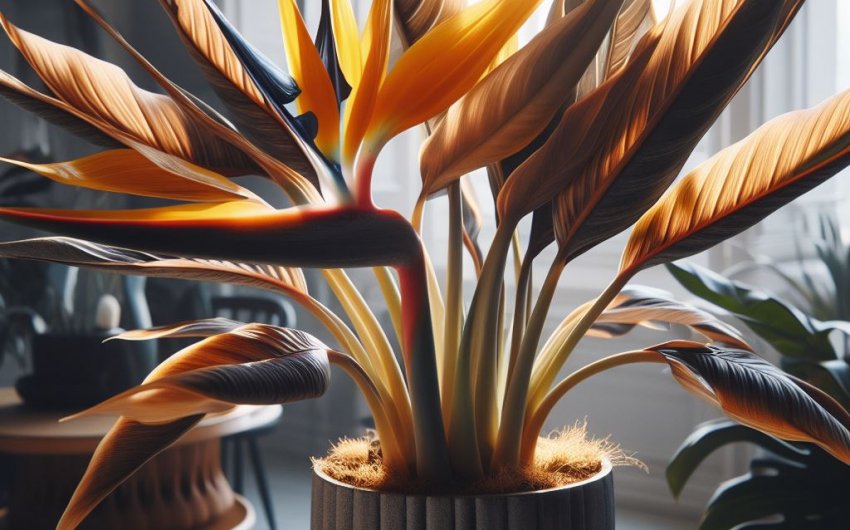
The Bird of Paradise plant (Strelitzia reginae) is a truly magnificent tropical specimen, instantly recognizable by its large, paddle-shaped leaves and vibrant, bird-like blooms. When healthy, its foliage is a rich, glossy green, adding a dramatic flair to any indoor space. However, if you're starting to notice that the once-perfect edges of its leaves are turning brown, dry, and crispy, it's a clear sign your plant is unhappy. Understanding what causes my Bird of Paradise to have crispy leaf edges is the first step in diagnosing the problem and adjusting its care to restore its lush, tropical beauty.
What Causes Crispy Leaf Edges on a Bird of Paradise?
Crispy leaf edges on a Bird of Paradise are almost always a symptom of environmental stress related to water, humidity, or mineral buildup. These plants are native to South Africa, where they enjoy consistent moisture and relatively high humidity. When their indoor environment doesn't replicate these conditions, the sensitive leaf edges are often the first to show distress.
Here are the most common culprits:
- Underwatering: The plant isn't getting enough moisture from the soil.
- Low Humidity: The air around the plant is too dry.
- Mineral Salt Buildup: Accumulation of salts from tap water or fertilizer.
- Over-fertilization: Too much fertilizer can "burn" the plant.
- Direct Sunlight/Heat Stress: Excessive light or high temperatures.
- Rootbound Conditions: The plant has outgrown its pot and struggles to absorb water.
Let's explore each of these in detail to help you pinpoint the exact issue affecting your plant.
Is Underwatering Making My Bird of Paradise Leaves Crispy?
Yes, underwatering is a very common reason what causes my Bird of Paradise to have crispy leaf edges. These plants are not succulents; they need consistent moisture to thrive.
How Underwatering Leads to Crispy Edges
When a Bird of Paradise doesn't receive enough water, it cannot transport sufficient moisture to all parts of its large leaves. The extremities of the leaves, particularly the edges and tips, are the furthest points from the root system's water supply. As the plant dehydrates, these areas dry out first, turning brown and crispy. The entire leaf might also start to curl inward or become droopy.
Signs of Underwatering
- Crispy, dry brown edges and tips: The browning is sharp and feels brittle.
- Curling leaves: Leaves might curl inward lengthwise to reduce water loss.
- Drooping/limp leaves: The entire leaf blade might lose its turgidity and feel soft.
- Dry, pulling-away soil: The potting mix will feel bone dry several inches down and might shrink away from the pot's sides.
- Slow growth or no new leaves: The plant conserves energy when dehydrated.
Solution: Adjust Watering Frequency and Technique
- Feel the Soil: The best way to know when to water is to stick your finger about 2-3 inches deep into the soil. Water thoroughly when the top 2-3 inches feel dry. Do not wait for the entire pot to dry out, especially in summer.
- Water Thoroughly: When you water, provide enough water so that it drains freely from the bottom of the pot. This ensures the entire root ball is saturated.
- Discard Excess Water: Never let your Bird of Paradise sit in standing water in its saucer. Empty the saucer within 15-30 minutes after watering to prevent root rot (a separate issue, but vital for overall health).
- Adjust Seasonally: Your plant will need more water during its active growing season (spring and summer) and less in fall and winter when light levels are lower and growth slows.
- Consider a Moisture Meter: A soil moisture meter can help take the guesswork out of watering.
Does Low Humidity Make Bird of Paradise Leaves Crispy?
Yes, low humidity is another incredibly common cause for crispy leaf edges on a Bird of Paradise. As a tropical plant, it thrives in environments with naturally high moisture in the air.
How Low Humidity Causes Crispy Edges
Plants lose moisture to the air through a process called transpiration. In dry indoor environments, especially during winter when heating systems are running and drying out the air, the rate of water loss from the leaves can exceed the rate at which the roots can absorb water from the soil. The leaf edges, being the most exposed and sensitive, dry out and become crispy due to this rapid moisture loss. This is often the first place to show symptoms because the leaf edges have less surface area to pull water from compared to the main leaf body.
Signs of Low Humidity
- Crispy, brown leaf edges and tips: This is the primary symptom. The browning is often even along the edges.
- No other signs of underwatering: The soil might still be adequately moist.
- Common in winter: Especially prevalent when indoor heating is on.
Solution: Increase Surrounding Humidity
- Pebble Tray: Place your plant pot on a shallow tray filled with pebbles and water. Ensure the bottom of the pot doesn't sit directly in the water (which can lead to root rot). As the water evaporates from the tray, it creates a more humid microclimate around the plant. A simple plant saucer with pebbles works well.
- Misting (Cautiously): While misting can provide temporary relief, its effects are often short-lived. If you mist, do so with filtered water to avoid mineral spots and ensure good air circulation to prevent fungal issues. Misting is less effective than other methods for truly raising humidity.
- Humidifier: For more consistent and significant humidity increases, especially if you have multiple tropical plants, a room humidifier is the most effective solution. A small cool mist humidifier placed near your plant can make a big difference.
- Group Plants: Grouping several plants together can increase the localized humidity as they all transpire.
- Location: Avoid placing your Bird of Paradise near drafts from heating or air conditioning vents, which are very drying.
Can Mineral Salt Buildup Cause Crispy Leaf Edges?
Yes, mineral salt buildup from tap water or fertilizer can definitely contribute to crispy leaf edges on a Bird of Paradise. This is a common issue with many houseplants.
How Salt Buildup Leads to Crispy Edges
Tap water often contains dissolved mineral salts (like calcium, magnesium, and chlorine) and sometimes fluoride. Over time, as you water, these salts accumulate in the soil because they don't evaporate with the water. As the salt concentration in the soil increases, it can actually make it difficult for the plant's roots to absorb water, even if the soil is moist. This phenomenon, known as osmotic stress or salt burn, essentially draws moisture out of the roots, leading to dehydration symptoms like crispy leaf edges and tips. The same can happen if you over-fertilize.
Signs of Mineral Salt Buildup
- Crispy brown tips and edges: Similar to underwatering, but often accompanied by a white or crusty residue on the soil surface or around the pot rim.
- Overall dullness or stunted growth: The plant might not look as vibrant.
- Browning occurring even with consistent watering.
Solution: Flush the Soil and Use Better Water
- Flush the Soil: Periodically, "flush" your plant's soil to wash away accumulated salts. Every 3-4 months, take your plant to a sink or bathtub and water it thoroughly with lukewarm, filtered water for several minutes, allowing water to drain freely from the bottom for a continuous period. This helps leach out excess salts.
- Use Filtered Water: If your tap water is hard or heavily chlorinated, consider using filtered water (like from a Brita Water Filter Pitcher), distilled water, or collected rainwater.
- Let Tap Water Sit: For chlorine, you can let tap water sit out in an open container for 24 hours to allow the chlorine to dissipate. This does not remove fluoride or other minerals.
Can Over-Fertilization Cause Crispy Leaf Edges?
Yes, over-fertilization is another form of mineral salt buildup and a direct cause of "fertilizer burn," which leads to crispy leaf edges on a Bird of Paradise.
How Over-Fertilization Burns Leaves
Fertilizers are essentially concentrated salts. When you apply too much fertilizer, or fertilize too frequently, these salts build up rapidly in the soil. This creates a high salt concentration that "burns" the delicate roots, hindering their ability to absorb water. The symptoms are identical to general mineral salt buildup, resulting in crispy, brown leaf tips and edges as the plant dehydrates.
Signs of Over-Fertilization
- Crispy brown leaf tips and margins.
- Yellowing leaves.
- Stunted growth.
- White crusty residue on the soil surface or pot rim (more pronounced than with just tap water).
- Overall unhealthy appearance despite regular watering.
Solution: Reduce Fertilization and Flush
- Reduce Fertilization: Bird of Paradise plants are not heavy feeders. Fertilize them during their active growing season (spring and summer) only, and typically once a month or every other month.
- Dilute Fertilizer: Always dilute liquid fertilizers to half or even quarter strength, especially for indoor plants. Follow the specific instructions on the fertilizer package, but for Bird of Paradise, erring on the side of less is usually better.
- Use Balanced Fertilizer: Use a balanced, all-purpose houseplant fertilizer. Schultz Plant Food Liquid Concentrate is a popular choice, but remember to dilute it significantly.
- Flush the Soil: If you suspect over-fertilization, flush the soil thoroughly as described in the mineral salt section to wash away excess nutrients.
Does Direct Sunlight or Heat Stress Cause Crispy Edges?
Yes, exposure to harsh direct sunlight or very high, dry heat can contribute to crispy leaf edges on a Bird of Paradise.
How Heat/Sun Stress Causes Crispy Edges
While Bird of Paradise plants love bright light, too much direct, intense sunlight, especially through a window that magnifies the sun's rays, can literally scorch their leaves. The edges are particularly vulnerable. The intense heat also increases the rate of transpiration, making the plant lose water faster than its roots can supply it, leading to localized dehydration and crispy browning.
Signs of Direct Sun/Heat Stress
- Crispy, sometimes bleached or yellowish, patches on leaves exposed directly to the sun.
- Browning often starts on the top side of the plant.
- Rapid wilting in the afternoon sun.
- Soil might be drying out extremely quickly.
Solution: Adjust Light and Temperature
- Bright, Indirect Light is Best: Place your Bird of Paradise in a location where it receives bright but indirect light. An east-facing window is often ideal. If a south or west-facing window is your only option, move the plant a few feet back from the window or use a sheer curtain to filter the intense light.
- Avoid Heat Vents: Keep your plant away from heating vents or radiators, which emit dry, hot air that can contribute to crispiness.
- Maintain Moderate Temperatures: Bird of Paradise prefers temperatures between 65°F and 80°F (18°C-27°C).
Can Rootbound Conditions Lead to Crispy Leaf Edges?
Yes, a rootbound Bird of Paradise can also develop crispy leaf edges because it struggles to absorb enough water and nutrients.
How Rootbound Leads to Crispy Edges
When a plant becomes rootbound, its roots have completely filled the pot, leaving very little room for soil. With less soil, there's less medium to hold water and nutrients. Even if you water regularly, the limited soil volume dries out very quickly, and the roots struggle to absorb sufficient moisture to keep the large leaves hydrated. This leads to chronic underwatering symptoms, including crispy leaf edges.
Signs of a Rootbound Plant
- Crispy leaf edges, despite consistent watering.
- Water runs straight through the pot quickly when watered.
- Roots are growing out of the drainage holes.
- The plant looks top-heavy or unstable in its pot.
- Growth has slowed or stopped.
- You can see a dense mass of roots when you gently try to lift the plant from its pot.
Solution: Repotting
If your Bird of Paradise is rootbound, repotting is the solution.
- Choose a Larger Pot: Select a new pot that is only one size larger (about 2 inches wider in diameter) than the current one. Don't go too big, as too much excess soil can retain moisture and lead to overwatering issues.
- Prepare Soil: Use a fresh, well-draining potting mix.
- Gently Remove and Loosen Roots: Carefully remove the plant from its old pot. Gently tease apart some of the compacted roots at the bottom and sides to encourage them to grow outwards into the new soil.
- Repot: Place the plant in the new pot, ensuring the top of the root ball is at the same level as it was in the old pot. Fill around the root ball with fresh potting mix, gently tamping it down.
- Water Thoroughly: Water the newly repotted plant thoroughly. Repotting is generally best done in spring or early summer when the plant is actively growing.
Can Other Factors Contribute to Crispy Edges?
While less common, a few other issues might contribute to crispy leaf edges on a Bird of Paradise.
- Pests: Severe infestations of sap-sucking pests like spider mites can stress a plant, leading to general decline and sometimes crispy edges, though you'll usually see other signs of pests first (stippling, webbing, actual pests).
- Aging Leaves: Over time, older leaves on the bottom of the plant will naturally yellow and then brown before dying off. This is normal and doesn't usually affect the tips of younger, active leaves.
- Physical Damage: A torn leaf or one that has been rubbed against a wall might develop a brown edge, but this is localized and not indicative of a systemic issue.
How Do I Restore My Bird of Paradise After Crispy Edges Appear?
Once a leaf edge turns brown and crispy, that part of the leaf won't magically turn green again. However, you can prune the damaged areas and, more importantly, adjust your care to prevent new crispy edges from forming.
Pruning Crispy Edges
- Clean, Sharp Scissors: Use a pair of clean, sharp scissors or pruning shears. Sterilize them with rubbing alcohol before and after use.
- Trim Carefully: Cut along the natural shape of the leaf, just outside the crispy brown area, leaving a thin margin of brown. Avoid cutting into the healthy green tissue, as this can stress the plant and cause new browning.
- Remove Severely Damaged Leaves: If an entire leaf is mostly brown or heavily damaged, it's best to prune it off completely at its base to allow the plant to redirect energy to healthy new growth.
Ongoing Care for Prevention
- Consistent Watering: Master the "feel the soil" method for watering.
- Increase Humidity: Implement pebble trays or a humidifier.
- Manage Minerals: Use filtered water or flush soil periodically.
- Fertilize Moderately: Dilute fertilizer and apply only during the growing season.
- Optimal Light: Place in bright, indirect light.
- Repot When Needed: Don't let your plant become severely rootbound.
- Regular Inspection: Check your plant regularly for any signs of distress to catch problems early.
By understanding what causes my Bird of Paradise to have crispy leaf edges and consistently providing the right environmental conditions, you can ensure your stunning plant remains a vibrant and healthy focal point in your home for years to come.