
Why Is My Prayer Plant Folding Its Leaves During the Day?
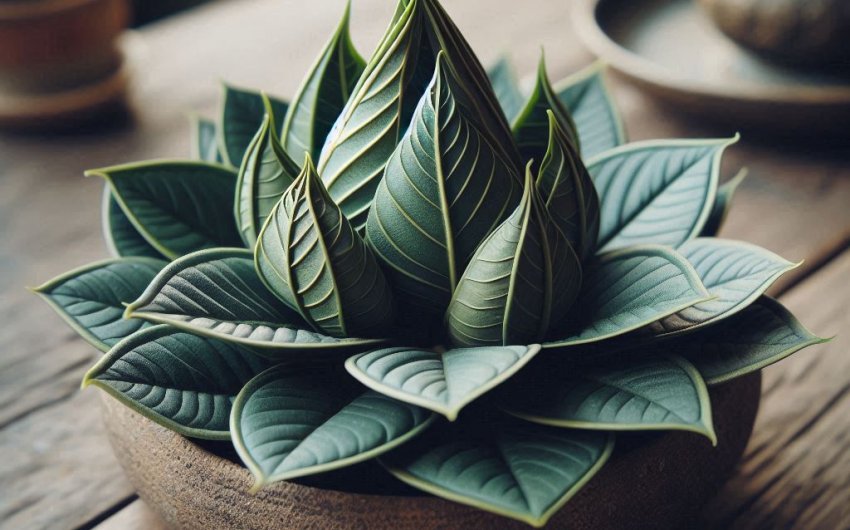
It's a mesmerizing dance that gives the prayer plant its charming name: the daily ritual of its leaves moving up and down. Typically, prayer plants fold their leaves upwards at night, resembling hands in prayer, and then lower them during the day to maximize light exposure. So, if you're observing your prayer plant folding its leaves during the day, it's a clear sign that something is amiss in its environment or care routine. This unusual behavior indicates your plant is stressed and attempting to protect itself from unfavorable conditions. Understanding the reasons behind this deviation from its natural rhythm is crucial to helping your beautiful prayer plant thrive once again.
What is Nyctinasty and How Does it Normally Work?
Before diving into why your prayer plant is misbehaving, it's important to understand its normal, fascinating daily rhythm, a process known as nyctinasty.
What is Nyctinasty?
Nyctinasty is the scientific term for the rhythmic, sleep-like movements of leaves, usually in response to the day-night cycle. Plants that exhibit nyctinasty move their leaves into a different position at night compared to during the day. This movement is controlled by specialized hinge-like structures called pulvini located at the base of the leaves. These pulvini contain cells that swell with water during the day, causing the leaves to open flat, and lose water at night, causing the leaves to fold upwards.
Why Do Prayer Plants Normally Fold Their Leaves at Night?
While the exact evolutionary reasons for nyctinasty are still debated, several theories suggest its benefits for prayer plants (and other Marantaceae family members like Maranta, Calathea, and Stromanthe):
- Water Conservation (Reduced Transpiration): Folding leaves reduces the surface area exposed to cool night air, potentially minimizing water loss through transpiration when the plant isn't actively photosynthesizing.
- Pest Deterrence: The upward movement might make leaves less accessible or less attractive to nocturnal pests.
- Protection from Cold: By reducing exposed surface area, the plant may minimize heat loss from the leaves during cooler nights.
- Optimizing Light Capture: Positioning leaves flat during the day maximizes light absorption.
- Washing Rain/Dew: The upright position at night could help shed dew or heavy rain, preventing fungal diseases.
So, when your prayer plant is folding its leaves during the day, it's essentially acting like it's nighttime, indicating that something in its environment is signaling "sleep" or "stress" even during daylight hours.
Why is My Prayer Plant Folding its Leaves During the Day?
When your prayer plant deviates from its natural nyctinastic rhythm and starts folding its leaves during the day, it's almost always a sign of environmental stress. The plant is trying to protect itself from conditions it perceives as unfavorable.
What is the Primary Reason for Day Folding?
The most common reason a prayer plant folds its leaves during the day is too much direct light. Prayer plants, originating from the understory of tropical rainforests, are adapted to dappled, indirect light. Direct sunlight is too intense for them and can cause several issues.
How Does Too Much Light Cause Leaves to Fold?
- Photosynthesis Overload: Direct, intense sunlight can overwhelm the plant's photosynthetic machinery. Just like you squint in bright light, the plant's leaves fold up to reduce the surface area exposed to the harsh rays. This is a protective mechanism to prevent leaf scorching or bleaching.
- Increased Water Loss: Intense light also generates heat, which significantly increases the rate of transpiration (water loss through the leaves). The plant folds its leaves to reduce this evaporation, essentially trying to conserve moisture. This symptom often goes hand-in-hand with insufficient humidity.
- Leaf Scorch: Prolonged exposure to direct sun will eventually lead to burnt, crispy, or discolored patches on the leaves. The folding is an early warning sign before visible damage occurs.
What are the Ideal Light Conditions for a Prayer Plant?
- Bright, Indirect Light: This is key. Think of a spot near an east-facing window, or a few feet back from a south or west-facing window where the light is diffused by a sheer curtain or other objects.
- Avoid Direct Sun: Never place a prayer plant where it will receive direct midday or afternoon sun. Even morning sun can be too much if it's too intense for extended periods.
- Low Light Tolerance: While they tolerate lower light better than direct sun, prolonged low light will lead to faded leaf colors and less vigorous growth. The vibrant patterns might become less pronounced.
Solution for Light Issues:
- Relocate: Move your prayer plant to a spot with bright, indirect light.
- Diffuse Light: If moving isn't an option, use sheer curtains or place a taller plant between your prayer plant and the window to filter the light.
Can Underwatering or Overwatering Cause Day Folding?
Yes, both extremes in watering can contribute to your prayer plant folding its leaves during the day, as they both lead to different forms of stress and impaired water uptake.
How Does Underwatering Cause Leaves to Fold?
When a prayer plant is underwatered, it experiences drought stress. The plant actively conserves moisture.
- Mechanism: When roots don't have enough water to supply the leaves, the pulvini cells (responsible for leaf movement) lose turgor pressure. The plant then folds its leaves to reduce the surface area exposed to the air, thereby minimizing water loss through transpiration. This is a survival mechanism to prevent complete dehydration.
- Symptoms:
- Leaves curling or folding upwards during the day.
- Limp or droopy appearance that doesn't perk up after a few hours.
- Dry, crispy edges or tips on the leaves.
- Soil pulling away from the pot edges and feeling bone dry.
- Lightweight pot when lifted.
- Solution:
- Water thoroughly: Water until water drains from the bottom of the pot.
- Check frequently: Check soil moisture regularly. Water when the top 1-2 inches of soil feel dry to the touch. A plant moisture meter can be helpful.
- Bottom watering: If the soil is very dry and compacted, try placing the pot in a saucer of water for 20-30 minutes to allow it to soak up water from the bottom.
How Does Overwatering Cause Leaves to Fold?
Overwatering, paradoxically, can also lead to symptoms similar to underwatering because it causes root rot. When roots sit in constantly soggy soil, they suffocate and die, becoming unable to absorb water or nutrients, even if water is abundant.
- Mechanism: Damaged roots cannot deliver water to the leaves, leading to dehydration symptoms despite wet soil. The leaves fold up to reduce water loss, mimicking underwatering, but the underlying issue is root damage.
- Symptoms:
- Leaves folding upwards during the day.
- Yellowing leaves, especially lower ones, often with brown, mushy spots.
- Mushy stems or base.
- Foul smell from the soil (a strong indicator of root rot).
- Heavy, waterlogged pot.
- Solution:
- Improve drainage: Ensure your pot has drainage holes. Use a well-draining potting mix for houseplants (e.g., one with perlite or orchid bark).
- Let soil dry out: Allow the top 1-2 inches of soil to dry out between waterings. Never let the plant sit in standing water.
- Check for root rot: If you suspect root rot, gently remove the plant from its pot. Trim away any mushy, black, or smelly roots with clean, sharp scissors. Repot into fresh, well-draining soil and a clean pot.
What Role Does Humidity Play in Leaf Folding?
Prayer plants are native to the tropical rainforests of Brazil, where humidity levels are consistently high. Dry air is a major stressor for them and can absolutely cause your prayer plant to fold its leaves during the day.
Why Do Prayer Plants Need High Humidity?
- Transpiration: In low humidity, the plant loses water through its leaves (transpiration) at an accelerated rate. Even if the soil is adequately moist, the air might be pulling moisture away faster than the roots can supply it.
- Cellular Function: High humidity helps maintain the turgor pressure within the pulvini cells, allowing the leaves to open fully. When the air is too dry, these cells can lose water, contributing to the "prayer" position.
How Does Low Humidity Cause Leaves to Fold?
When the air is too dry, the plant attempts to reduce its exposed surface area to minimize water loss. The folding is a protective response to a perceived moisture deficit in the air. This often combines with dry, crispy leaf edges and tips.
How Can You Increase Humidity for Your Prayer Plant?
- Pebble Tray: Place the pot on a tray filled with pebbles and water. Ensure the bottom of the pot does not sit directly in the water. As the water evaporates from the tray, it increases localized humidity around the plant. You can buy plant pebble trays.
- Humidifier: For consistent and effective humidity, especially in dry homes or during winter when heating systems are running, a room humidifier is the best solution. A small humidifier for plants placed nearby can make a huge difference.
- Misting: While misting provides a temporary boost, it's often not enough on its own for prayer plants. If you do mist, use filtered or distilled water to avoid mineral spots on the leaves. Misting regularly (daily) can offer some relief.
- Grouping Plants: Grouping several plants together creates a localized microclimate with higher humidity as they all transpire.
- Terrarium/Cloche: For very small prayer plants, growing them in a terrarium or under a glass cloche can provide a consistent high-humidity environment.
Could Temperature Fluctuations or Cold Drafts Be the Problem?
Prayer plants are tropical beings and are quite sensitive to temperature extremes and sudden changes. If your prayer plant is folding its leaves during the day, temperature stress could definitely be a contributing factor.
What are the Ideal Temperatures for Prayer Plants?
Prayer plants thrive in consistent, warm temperatures, ideally between 65°F and 80°F (18°C to 27°C). They do not tolerate cold well.
How Does Temperature Stress Cause Leaves to Fold?
- Cold Shock:
- Symptoms: When exposed to temperatures below 55°F (13°C), or to cold drafts, the plant can go into shock. The leaves may fold up and stay that way, or even start to curl and become stiff. Prolonged cold exposure can lead to yellowing, browning, and eventually, mushy rot.
- Mechanism: Cold can impair the plant's metabolic processes and reduce its ability to absorb water, leading to symptoms similar to dehydration. The folding may be a protective response to reduce surface area exposed to chilling.
- Heat Stress:
- Symptoms: While less common indoors, if temperatures are consistently too high (above 85°F / 29°C) combined with low humidity, the plant will also experience stress. This can manifest as folding leaves as the plant tries to conserve moisture. Leaves might also appear faded or crispy.
- Mechanism: Excessive heat increases transpiration and can overwhelm the plant's systems.
Solution for Temperature Issues:
- Consistent Warmth: Keep your prayer plant in a room with stable, warm temperatures.
- Avoid Drafts: Place the plant away from cold windows in winter, exterior doors that open frequently, or direct blasts from air conditioning or heating vents.
- Relocate Seasonally: If your home's temperatures fluctuate significantly seasonally, be prepared to move your plant to a warmer or cooler spot as needed.
Are Nutrient Deficiencies or Over-Fertilization a Cause?
While less common than light or water issues, problems with nutrition can stress a prayer plant and potentially contribute to its leaves folding during the day, especially if the problem is severe.
How Does Nutrition Affect Prayer Plants?
- Nutrient Deficiencies: When a plant lacks essential nutrients, its overall health and vigor decline. It may struggle with basic functions like water absorption and photosynthesis, leading to generalized stress symptoms, which could include abnormal leaf movement.
- Symptoms: Yellowing (chlorosis, often between veins), stunted growth, dull leaf color, lack of vibrancy in patterns, weak appearance.
- Solution: Use a balanced, liquid houseplant fertilizer at half strength during the growing season (spring and summer). A balanced liquid houseplant fertilizer is generally recommended.
- Over-Fertilization (Fertilizer Burn): This is more likely to cause immediate damage than deficiency. Excess fertilizer salts build up in the soil, drawing water out of the plant's roots and causing dehydration.
- Symptoms: Brown, crispy leaf tips or edges, sudden wilting, yellowing, and potential leaf folding. A white crust may appear on the soil surface.
- Solution: If you suspect over-fertilization, flush the soil thoroughly by running a generous amount of plain, filtered water through the pot for several minutes. Do this several times over a week. Reduce fertilization frequency and dosage.
General Fertilization Tips for Prayer Plants:
- Less is More: Prayer plants are not heavy feeders. Fertilize sparingly.
- Only During Growing Season: Only fertilize during spring and summer (active growth). Avoid fertilizing in fall and winter.
- Dilute: Always dilute liquid fertilizers to half the recommended strength.
- Water First: Water your plant thoroughly before applying liquid fertilizer to prevent root burn.
Could Pests or Disease Be Making My Plant Fold Its Leaves?
While less common as a direct cause of a prayer plant folding its leaves during the day compared to environmental factors, severe pest infestations or certain diseases can stress a plant enough to disrupt its normal functions, including leaf movement.
What Pests Can Affect Prayer Plants?
Pests weaken the plant by sucking out its sap, leading to overall stress and potentially disrupting the plant's water balance.
- Spider Mites: Tiny arachnids that cause tiny yellow or brown stippling on leaves and fine webbing, especially on undersides. Heavy infestations lead to dull, unhealthy-looking leaves that might curl or fold due to severe dehydration.
- Solution: Isolate the plant. Increase humidity. Spray with a strong stream of water. Treat with neem oil spray for plants or insecticidal soap. Repeat treatment is often necessary.
- Mealybugs: Small, white, cottony insects that cling to stems and leaf undersides, sucking sap. Can cause yellowing, distortion, and overall decline.
- Solution: Dab them with a cotton swab dipped in rubbing alcohol. For larger infestations, use insecticidal soap or neem oil.
- Aphids: Small, pear-shaped insects that cluster on new growth, also sucking sap.
- Solution: Rinse off with water or use insecticidal soap.
What Diseases Can Affect Prayer Plants?
Prayer plants are generally not prone to severe diseases if proper care is maintained, but root rot is a common issue linked to overwatering.
- Root Rot: As discussed under watering, root rot is a fungal disease caused by persistently wet soil. It leads to the roots suffocating and decaying, making them unable to absorb water.
- Symptoms: Yellowing, wilting (despite wet soil), mushy stems, brown/black discoloration, and eventually leaf folding as the plant dehydrates.
- Solution: Repot into fresh, well-draining soil, trimming any black, mushy roots. Improve drainage and adjust watering habits.
- Fungal Leaf Spots: Caused by high humidity combined with poor air circulation or wet leaves, usually appearing as brown or black spots. While not directly causing folding, severe cases indicate poor plant health.
- Solution: Improve air circulation, avoid getting leaves wet during watering, prune affected leaves.
How to Check for Pests/Diseases:
- Thorough Inspection: Regularly inspect your prayer plant, including the undersides of leaves and stems, for any signs of insects, webbing, or unusual spots. A plant magnifying glass can be helpful.
- Act Quickly: If you find pests, isolate the plant immediately and treat consistently.
A Quick Diagnostic Guide for Prayer Plant Leaf Folding
To help you troubleshoot and pinpoint why your prayer plant is folding its leaves during the day, here’s a quick diagnostic table summarizing the common causes and their distinguishing symptoms.
| Symptom & Behavior | Most Likely Cause(s) | Distinguishing Characteristics |
|---|---|---|
| Leaves folding during the day, otherwise normal | Too Much Direct Light | Occurs consistently when plant is exposed to bright, unfiltered sun. Plant looks generally healthy otherwise. |
| Leaves folding, also limp/droopy, crispy edges, dry soil | Underwatering | Soil is bone dry. Pot feels lightweight. Leaves may feel thin. Perishable after watering. |
| Leaves folding, also yellowing, mushy spots, wet soil | Overwatering / Root Rot | Soil is soggy. Pot feels heavy. Leaves may feel soft/mushy. Foul smell from soil. Plant continues to wilt despite wet soil. |
| Leaves folding, also crispy edges, generally dull | Low Humidity | Air feels dry (especially in winter or with heating/AC). No other obvious watering/light issues. |
| Leaves folding, stiff/curled, dark spots | Cold Stress / Drafts | Plant is near a cold window, door, or vent. Symptoms appear after temperature drops. Leaves may look slightly bleached or bruised. |
| Leaves folding, overall weak, yellowing, slow growth | Nutrient Deficiency (less common) | Plant hasn't been fertilized in a long time. Overall lack of vigor. Yellowing often interveinal. |
| Leaves folding, crispy edges, white crust on soil | Over-Fertilization | Recently fertilized heavily. Soil has a white, salty crust. |
| Leaves folding, tiny spots, webbing, sticky residue, visible pests | Pest Infestation (Spider Mites, Mealybugs) | Presence of actual insects, webbing, or honeydew (sticky substance). Stippling on leaves. |
Step-by-Step Action Plan to Revive Your Prayer Plant
Once you've diagnosed why your prayer plant is folding its leaves during the day, it's time to take action. Follow these steps to help your beautiful plant recover and resume its normal, healthy rhythm.
Assess Light Conditions First (Most Common Issue):
- Observe: Watch where the sun hits your plant throughout the day.
- Relocate: Move your prayer plant to a spot with bright, indirect light. An east-facing window is often perfect. If that's not possible, a few feet away from a south or west window, or behind a sheer curtain. This is often the quickest fix.
Evaluate Your Watering Routine:
- Check Soil Moisture: Stick your finger 1-2 inches deep into the soil.
- If Dry (Underwatering): Water thoroughly until water drains from the bottom. Consider bottom watering for very dry soil. Adjust your watering frequency to water when the top 1-2 inches are dry.
- If Soggy (Overwatering/Root Rot Risk): Stop watering immediately. Allow the soil to dry out. If root rot is suspected (mushy stems, foul smell), unpot the plant, trim affected roots, and repot in fresh, well-draining soil. Ensure your pot has drainage holes.
Boost Humidity:
- Increase Ambient Humidity: Use a pebble tray under the pot, group your prayer plant with other plants, or, ideally, use a room humidifier for consistent humidity.
- Misting: Mist daily with filtered water for a temporary humidity boost.
Check Temperatures and Drafts:
- Consistent Warmth: Ensure your plant is in a stable environment between 65°F and 80°F (18°C to 27°C).
- Move Away: Relocate the plant if it's near drafty windows, exterior doors, or heating/AC vents.
Review Fertilization:
- Recent Fertilization? If you recently fertilized heavily, flush the soil to remove excess salts.
- Lack of Fertilization? If the plant hasn't been fertilized in a long time and looks generally weak, consider a half-strength balanced liquid fertilizer during the growing season (spring/summer).
Inspect for Pests and Diseases:
- Thorough Scan: Carefully examine all parts of the plant, especially leaf undersides and stem junctions, for any signs of insects or unusual spots.
- Treat Promptly: If pests are found, isolate the plant and treat consistently with appropriate organic remedies like neem oil or insecticidal soap.
Prune Damaged Leaves (If Any):
- Once you've addressed the underlying issue, if any leaves have become permanently crispy or yellowed due to stress, prune them off with clean, sharp scissors. This helps the plant redirect energy to healthy growth.
Be Patient and Observe:
- Recovery Takes Time: Plants don't recover overnight. It can take several days to weeks to see the prayer plant's normal leaf movement return.
- Monitor: Continue to observe your plant closely for new symptoms or signs of improvement. Adjust your care as needed.
By systematically addressing these potential issues, you can usually pinpoint why your prayer plant is folding its leaves during the day and guide it back to its healthy, vibrant self, allowing it to perform its beautiful nightly prayer once again.